Waste management and recycling companies · Digital marketing
Put the website, the map listing and the messages to work for contracts.
Digital marketing for a waste company is the joined-up use of search, the map listing, the website, WhatsApp and paid ads to bring societies, hotels, offices and factories to a proposal request. GullySales decides the order, sets each piece up and reads which ones bring signed contracts.
Scope, fee, reporting and term are agreed in writing after we have read your brief and spoken to you.
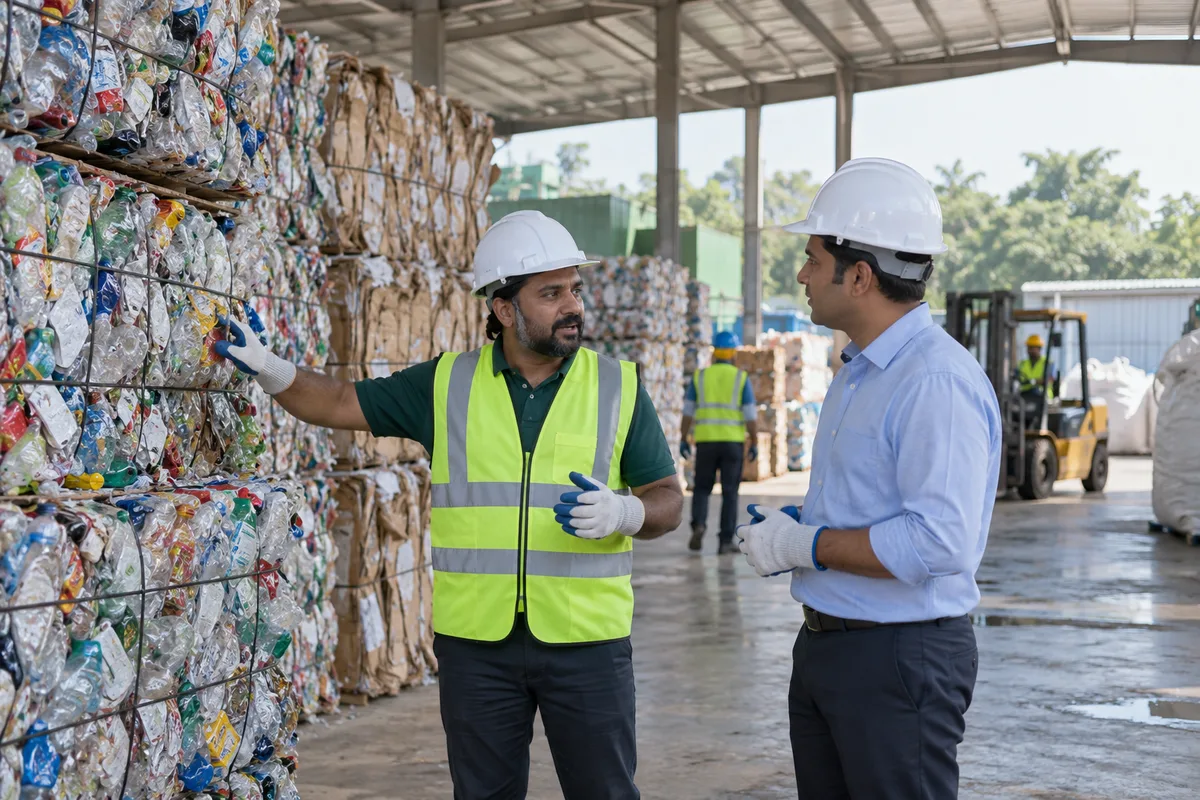
What digital marketing means
Digital marketing is the combined work of search, social media, advertising and website channels running together rather than as separate projects with separate people. GullySales runs these as one connected system so a change in one channel, such as a new offer, is reflected everywhere at once.
Also for waste management and recycling companies
- Buyer personas for waste management and recycling companies
- SEO for waste management and recycling companies
- local SEO for waste management and recycling companies
- lead generation for waste management and recycling companies
- WhatsApp marketing for waste management and recycling companies
- CRM for waste management and recycling companies
- a sales process for waste management and recycling companies
- referral marketing for waste management and recycling companies
Sales and marketing for waste management and recycling companies, the overview.
Last updated 11 Oct 2026.
For waste management and recycling companies
Where it usually goes wrong, and what we would do.
“Each channel is run by a different person”
The website is with a designer, the listing with a driver and the messages with the owner. The buyer sees three different company names and three different phone numbers.
“Ads run before the basics are ready”
Paid clicks land on a page that does not say which waste you take or where you serve. The money is spent, the enquiry is wasted and the vehicles may not reach that area anyway.
“Effort is measured in followers and visits”
A busy page can hide the fact that no committee has asked for a proposal. The numbers that matter are enquiries, proposals sent and contracts signed.
“Growth outpaces the fleet”
A successful push brings enquiries from zones the vehicles cannot serve on time. Late pickups from new sites then spoil the reputation among existing ones.
What we do
What we deliver for waste management and recycling companies.
Every deliverable, what it covers for you, and the result it is there to produce. Nothing here is an extra.
A channel plan by buyer
Which channel reaches a society committee, which reaches a hotel, an office or a factory, with a first step for each.
Result: Effort goes where your buyers are.
One name, address and number everywhere
The same company details on the website, map listing, directories and messaging profile, with the number ringing in the office.
Result: A buyer reaches the right desk.
A website and listing that answer the buyer
Waste stream pages, service areas, a where-it-goes page and a proposal form, with the listing pointing to them.
Result: A visitor can ask for a proposal at once.
A small paid test with a clear limit
Search or social ads aimed at a few service zones, sent to a matching page, with the spend fixed in advance and checked against proposal requests.
Result: You see what a request costs before spending more.
A capacity check before each push
A conversation with operations on routes, vehicles and crew before any campaign starts, so new enquiries can be served.
Result: Marketing does not outrun the fleet.
A single report
Enquiries, proposals, contracts and renewals by channel, set against the starting figures.
Result: You see which channel earns contracts.
How the result is measured
- Enquiries across channels
- Cost per enquiry overall
- Channel mix by contribution
Recorded as a baseline before work starts, so every later report has an honest comparison.
Searches your buyers type
Searches by buyers of waste services, and what answers each.
- garbage collection service for apartments
- An area page for societies that lists collection days, bins supplied and how a committee asks for a proposal.
- waste management company for hotels
- A hospitality page covering kitchen timing, bins and records. Written for the chef and purchase head.
- industrial scrap collection near me
- A factory page that says which scrap is bought or collected, with weighing and paperwork explained.
- waste vendor missed pickup complaint
- A reply route page showing how a missed day is logged and corrected. Reassures a committee considering a switch.
- how to start segregation in a housing society
- A guide and a briefing offer. Reaches committees that have not chosen a vendor yet.
Who it is for
This is written for these waste management and recycling companies.
- Wet waste collection and composting companies
- Dry waste and plastic recyclers
- Scrap dealers and organised kabadiwala networks
- E-waste collectors and recyclers
- Construction and demolition waste handlers
- Industrial and factory waste managers
- Paper, cardboard and packaging waste recyclers
- Battery, tyre and used oil collectors
- Society and apartment waste management vendors
Not for
It is not the right fit if.
- Your fleet is full and a new route cannot be added, so paid and organic visits would bring contracts you must turn away.
- The basics, a working phone line and an up-to-date listing, are missing, and every other channel sends buyers to them.
How it works
How the digital marketing work runs
The work itself, in order. How an engagement starts, from your brief to a written scope, is set out on our method page.
- 1
Agree the one aim
We settle what the campaign must achieve, such as enquiries for a launch or footfall for an event, and the date it must be live.
- 2
Check what is ready
We list the channels you already run, who runs them, and what each can produce in the time available. Anything that cannot be done properly is left out.
- 3
Write the idea and the message sheet
We draft the one-sentence idea, test it against each planned format, and fix the wording that all channels will copy.
- 4
Brief every channel from the same sheet
Your agency, freelancer or in-house person receives the message sheet and calendar. Their work is checked against the sheet before it goes out.
- 5
Run on the shared calendar
Channels go live together. If the offer changes, every channel is changed on the same day from the same sheet.
- 6
Measure as one campaign
Enquiries and orders are read against the baseline. The reporting schedule is agreed in writing with the scope.
Where this fits
Three pieces of sales work, in this order.
This work sits inside sales process design, at stage 0, foundation. The audit comes before it, and sales management keeps it running.
Step 1
Sales audit
Find where deals are being lost and what to fix first.
Start here if you cannot say where orders are lost.
Step 2 · you are here
Sales process design
One written way to sell, from first enquiry to repeat order.
Start here if every salesperson sells differently.
Step 3
Sales management
A target, a review routine and someone who owns the number.
Start here if the team has targets and no routine.
FAQ
Questions owners ask before they call.
Not here? More answers, or ask on WhatsApp.
Where should a small waste company start?
Is digital marketing suited to industrial waste buyers?
How do we know digital marketing is paying off?
Is digital marketing enough for industrial waste buyers?
How much does it cost?
How long is the contract?
How soon will we see results?
Who will actually do the work?
What do you need from us?
What if we are not happy with the work?
More for waste management and recycling companies
Everything else we would do for you.
Closest to this: strategy and research
Also for waste management and recycling companies
- SEO for waste management and recycling companies
- local SEO for waste management and recycling companies
- lead generation for waste management and recycling companies
- WhatsApp marketing for waste management and recycling companies
- CRM for waste management and recycling companies
- a sales process for waste management and recycling companies
Or start from the overview: sales and marketing for waste management and recycling companies.
Your next practical step
Tell us what you are trying to grow, and we will read it before we call.
Eight short steps, mostly taps. Skip anything you would rather answer on the call.