Clothing stores and boutiques · Follow up systems
The shopper who said they would think about it needs a reason to come back.
A follow-up system for a boutique decides who gets a message after a visit, a DM, a fitting or a delivery, and what it says. GullySales writes the routine and the saved messages so a considered purchase is not lost to silence.
Scope, fee, reporting and term are agreed in writing after we have read your brief and spoken to you.
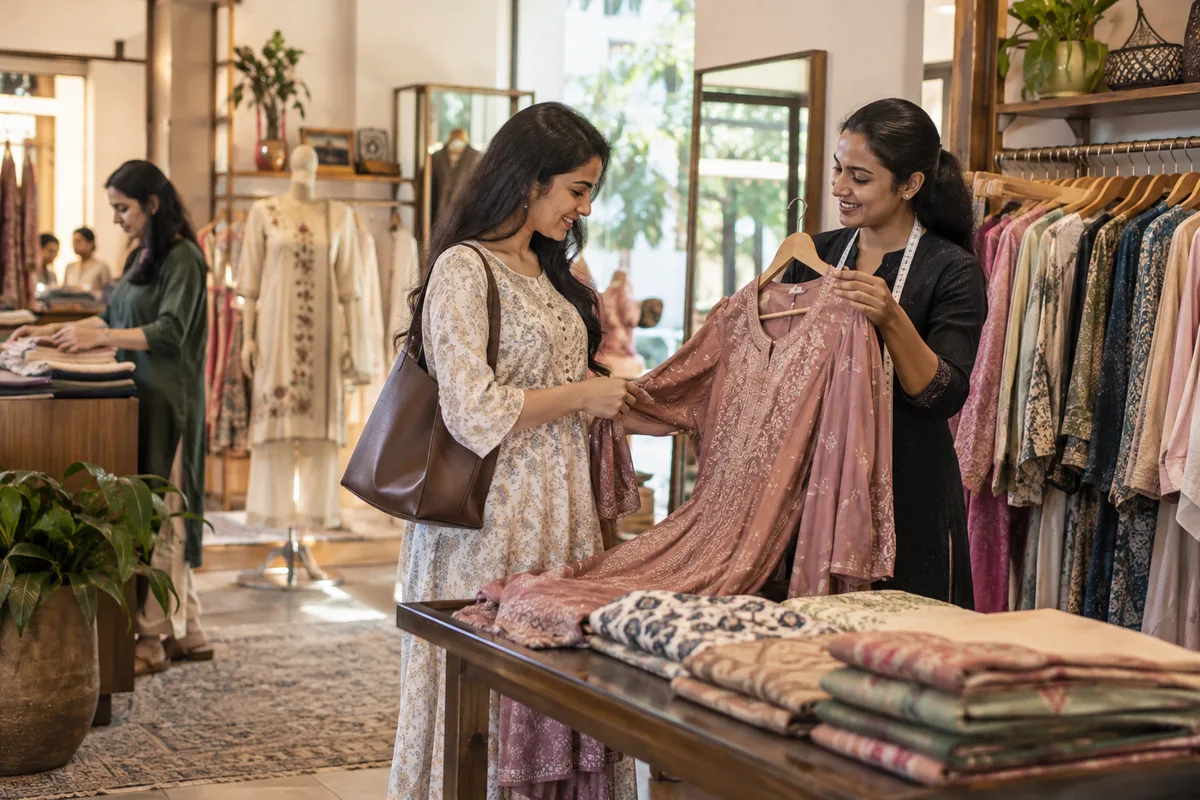
What follow up systems means
A follow-up system is the set routine for calling, messaging or emailing an enquiry more than once, since most buyers do not decide on the first conversation. GullySales sets the number and timing of follow-ups so an undecided buyer keeps hearing from you until they decide either way.
Also for clothing stores and boutiques
- Lead generation for clothing stores and boutiques
- CRM for clothing boutiques
- SEO for clothing stores and boutiques
- PPC ads for clothing stores and boutiques
- Digital marketing for clothing stores and boutiques
- Reputation management for clothing stores and boutiques
- Local SEO for clothing stores and boutiques
- Branding and identity for clothing stores and boutiques
Sales and marketing for clothing stores and boutiques, the overview.
Last updated 5 Oct 2026.
For clothing stores and boutiques
Where it usually goes wrong, and what we would do.
“The visitor leaves without buying and nobody notes why”
A family tries six sarees and goes home to decide. Unless the shop records the one they liked and the date of the occasion, the follow-up is a generic hello that gives them no reason to return.
“A DM goes quiet after the price is sent”
The shopper compared with two other shops and has forgotten the question. One message that names the outfit and offers a fitting slot is welcome, while a message asking if they are still interested is ignored.
“The fitting is the weakest point in a custom order”
A customer who skips the first fitting delivers late and unhappy. A reminder the day before, and a plain message when the garment is ready, protect both the date and the relationship.
“The delivered order is the start of the next sale”
A customer who collected a wedding outfit is a customer for the reception, the festival and the family's other events. The message after collection asks how it fitted and mentions nothing to buy.
What we do
What we deliver for clothing stores and boutiques.
Every deliverable, what it covers for you, and the result it is there to produce. Nothing here is an extra.
A visit note with the liked outfit and the date
A short entry made before the customer leaves, recording the piece they liked, the occasion and the date they said they would decide.
Result: The next message is specific, not generic.
Saved replies for the quiet DM
Short messages that name the item, offer a fitting slot and give one easy way to reply.
Result: A quiet enquiry gets a second, useful nudge.
Fitting and ready reminders
WhatsApp reminders the day before a fitting and when the order is ready for collection, sent from the shop's own number.
Result: Fewer missed fittings and fewer orders waiting on the shelf.
A thank-you and fit check after collection
A message after delivery asking how it fitted and whether an alteration is needed.
Result: A fit problem reaches the shop before it reaches a friend.
An occasion-based reminder list
Customers listed by the next family event, so an invitation to preview a collection goes out ahead of the date.
Result: The invitation arrives while the customer is still choosing.
A follow-up owner for each list
One named person in the shop for each list, with a short daily check.
Result: No list is left for everybody and so done by nobody.
How the result is measured
- Follow-up completion rate
- Average number of follow-ups before close
- Enquiries closed after repeat follow-up
Recorded as a baseline before work starts, so every later report has an honest comparison.
What to capture or send
The moments in a boutique sale that need a message after them.
- The outfit the visitor liked but did not buy
- Note the piece, the price they heard and the occasion on the visit slip. A message a few days on can name that outfit and not a general sale.
- The DM that stopped after the price
- Record the garment and the date the price was sent. A short reply asking about the event date is more welcome than a discount offer.
- The first fitting of a stitched order
- Send a reminder with the date and the items to bring, such as the matching saree or footwear. A forgotten item delays the next stage.
- The order marked ready
- Tell the customer it is ready, the shop hours and what to bring for payment. Include the alteration window if there is one.
- The collection day
- Ask a day later whether the fit is right. A problem raised in a message can be fixed quietly before it reaches a family WhatsApp group.
- The next occasion on the record
- A sister's wedding, a festival or a school reopening noted at billing gives you a reason to write. Mention the date, not a general offer.
Who it is for
This is written for these clothing stores and boutiques.
- Women's ethnic wear and saree boutiques
- Designer and occasion wear studios
- Multi-brand clothing and accessories stores
- Men's wear and ethnic wear stores
- Custom tailoring and blouse stitching studios
- Kids' wear stores
- School uniform retailers and suppliers
- Corporate, hospital and hospitality uniform suppliers
- Fashion accessories and jewellery boutiques
Not for
It is not the right fit if.
- Nobody has recorded the outfit or the occasion at the counter, so a follow-up would have nothing specific to say.
- Your shop closes during the weeks that matter most, so a reminder would reach customers with nobody to serve them.
How it works
How the follow up systems work runs
The work itself, in order. How an engagement starts, from your brief to a written scope, is set out on our method page.
- 1
Measure today's reply time
From your recent enquiries, we set the time each arrived against its first reply, using the call log, chats, form entries and portal panel. We also count the follow-ups each one got.
- 2
Agree targets and the sequence
We set reply targets and the follow-up sequence with your team, based on its real hours and workload.
- 3
Write the templates and first-call questions
The first reply, the quote follow-up and the last attempt are written in your voice and loaded as quick replies. The first-call questions are agreed with your best salesperson.
- 4
Set ownership, tasks and alerts
Named owners, cover for leave and CRM or sheet tasks go live. App alerts, such as IndiaMART's, are switched on for the right phones.
- 5
Track and adjust
Reply time and follow-up completion are reported against the baseline, and the routine is changed where it is not kept. How often you are reported to is agreed in writing.
Where this fits
Three pieces of sales work, in this order.
This work sits inside sales process design, at stage 2, qualification. The audit comes before it, and sales management keeps it running.
Step 1
Sales audit
Find where deals are being lost and what to fix first.
Start here if you cannot say where orders are lost.
Step 2 · you are here
Sales process design
One written way to sell, from first enquiry to repeat order.
Start here if every salesperson sells differently.
Step 3
Sales management
A target, a review routine and someone who owns the number.
Start here if the team has targets and no routine.
FAQ
Questions owners ask before they call.
Not here? More answers, or ask on WhatsApp.
How often should we message a customer who did not buy?
Is it fine to message customers on WhatsApp after a visit?
Who should do the follow-up when the owner is busy?
What if a customer replies that they bought elsewhere?
How much does it cost?
How long is the contract?
How soon will we see results?
Who will actually do the work?
What do you need from us?
What if we are not happy with the work?
From the blog
Further reading for clothing stores and boutiques.
 5 min read · 29 Sept 2026Festival and wedding-season stock and promotion timing for retailersHow a retailer lines up the promotion window with the stock cycle in festival and wedding season: what to announce before, during and after, and when to stop advertising a line.
 6 min read · 21 Sept 2026Influencer marketing vs social media advertising: which one should you pay for?An ad is a message you control, shown to people you choose. A creator post is a recommendation you do not control, shown to people who chose the creator.
 8 min read · 21 Sept 2026How to write an influencer briefA brief fixes the claim, the offer and the disclosure, and then leaves the creator alone. Hand them a script and you have paid a premium for a bad advertisement.
More for clothing stores and boutiques
Everything else we would do for you.
Closest to this: leads and follow-up
Also for clothing stores and boutiques
Or start from the overview: sales and marketing for clothing stores and boutiques.
Your next practical step
Tell us what you are trying to grow, and we will read it before we call.
Eight short steps, mostly taps. Skip anything you would rather answer on the call.