Door and window dealers · Follow up systems
Follow up the measurement, the quote and the rate so none goes quiet.
A follow-up system for a door and window dealer is the routine that keeps site visits, quotes and builder rates moving until the buyer says yes or no. GullySales builds the reminders, messages and owner checks around each stage of your sale.
Scope, fee, reporting and term are agreed in writing after we have read your brief and spoken to you.
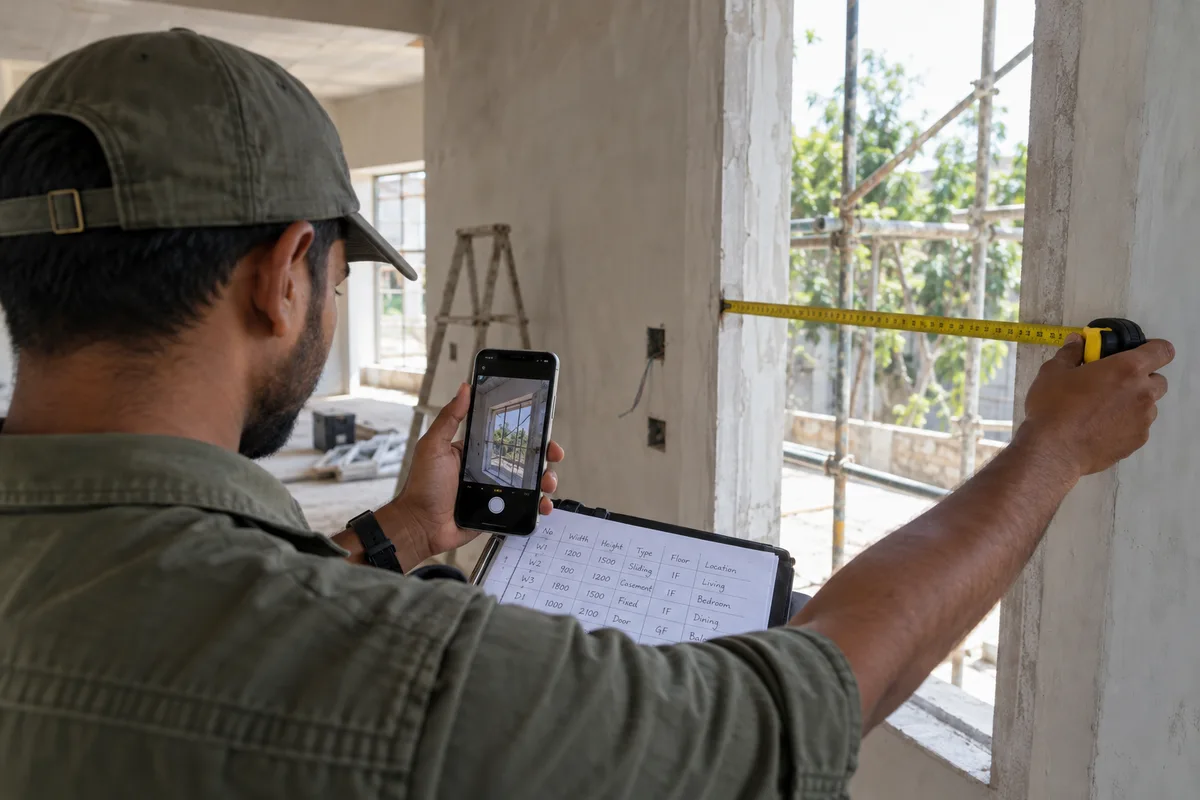
What follow up systems means
A follow-up system is the set routine for calling, messaging or emailing an enquiry more than once, since most buyers do not decide on the first conversation. GullySales sets the number and timing of follow-ups so an undecided buyer keeps hearing from you until they decide either way.
Also for door and window dealers
- Lead generation for door and window dealers
- CRM for door and window dealers
- SEO for door and window dealers
- Local SEO for door and window dealers
- Social media marketing for door and window dealers
- Content marketing for door and window dealers
- Buyer persona for door and window dealers
- WhatsApp marketing for door and window dealers
Sales and marketing for door and window dealers, the overview.
Last updated 14 Nov 2026.
For door and window dealers
Where it usually goes wrong, and what we would do.
“The quote goes out and silence follows”
A family receives a quote and discusses it at home. The dealer who calls to ask if anything needs explaining is remembered. The dealer who waits is replaced. A set follow-up after each quote prevents lost orders from silence.
“The visit that slips loses the order”
Another dealer reaches the site while yours is still rescheduling. A reminder before the visit, and a rule that a missed visit is rebooked the same day, protects the strongest enquiry you hold.
“Builders need chasing for both sides”
A purchase manager who asked for a rate may be waiting for an approval. A polite follow-up that offers a revised rate or a delivery plan keeps your rate on the desk when the decision arrives.
“After fitting, the follow-up is service”
A call after fitting to ask if every window closes well catches small faults before they become complaints. It also opens the door to a reference and to the next room.
What we do
What we deliver for door and window dealers.
The work available for this need. We agree the deliverables and responsibilities for your engagement in writing.
A follow-up calendar by stage
Set steps after enquiry, visit, quote and fitting, with a named person for each.
Result: Every open quote has a next follow-up date.
Message templates for WhatsApp and calls
Plain messages for visit reminders, quote check-ins and post-fitting calls.
Result: The team does not write the same message from scratch.
A builder rate follow-up routine
A routine for drawings received, rates sent and revisions offered.
Result: A rate sent always has a follow-up logged.
An owner's open-quotes check
A short review of quotes still open and the reason each waits.
Result: The owner sees which quotes need a call.
A lost-order note
A field recording why an order went elsewhere, filled when the buyer says so.
Result: Patterns in lost orders become visible.
How the result is measured
- Follow-up completion rate
- Average number of follow-ups before close
- Enquiries closed after repeat follow-up
Recorded as a baseline before work starts, so every later report has an honest comparison.
What to capture or send
Each message is tied to a stage in the order and says what comes next.
- Visit booked
- A message with the date, the person coming and what to keep ready, such as the plan and any old frames to be matched.
- After measurement
- A short message confirming the number of openings measured and when the itemised quote will be sent, said as the dealer has agreed it.
- Quote sent, no reply
- A note offering to go through the lines on the phone, naming the line most likely to be questioned, such as glass.
- Builder rate sent
- A message to the purchase contact asking whether the quantity matches their latest drawing, since drawings change.
- After fitting
- A check on whether the window slides and locks as expected, with a way to log a service request and a review ask.
Who it is for
This is written for these door and window dealers.
- Wooden and flush door dealers
- UPVC window and door dealers
- Aluminium window and sliding door dealers
- Door and window dealers who also sell frames and hardware
- Dealers supplying builders and contractors
- Showrooms for premium teak and imported doors
- Dealers who work with a fabricator or manufacturer
- Dealers selling security doors and fire-rated doors
Before you decide
When this may not be the right fit.
- You cannot yet keep a measurement visit once it is booked, and reminders would only draw attention to missed appointments.
- Your quotes are given verbally and not recorded, so there is nothing for a follow-up message to refer to.
Before you decide
Agree the work. Know how to judge it.
Follow-up systems for door and window dealers: use these checks to prepare, choose the scope, and review what changes.
Bring the right evidence
Trace recent enquiries from arrival to the last recorded action. Include a won enquiry, an unsuitable one, and one that went quiet, with personal details removed for the initial discussion.
Make the scope clear
Agree who accepts each enquiry, what makes it qualified, and how ownership changes. Include a rule for missed replies and a clear reason for closing an enquiry.
Check the work in use
Pick an enquiry at random and ask the team to find its owner, latest conversation, and next action. Check that the record agrees with what actually happened.
Know when to change course
If no one has capacity to respond, assign that responsibility before buying more leads. Automation can support the owner, but it cannot replace an unresolved handover.
These are discussion points, not a fixed package. GullySales confirms the deliverables, responsibilities, fee, and term in writing after reading your brief and speaking with you.
Before we start
What to have ready before the work starts.
The records, access and decisions this work needs from door and window dealers. Anything missing is noted in the written scope, with who will supply it.
- The quote file with outcomes marked
- Quotes sent over the last season, marked as ordered, lost or pending. A rough sheet is acceptable. Without it, the baseline of quiet quotes is a guess.
- A list of open builder rates
- Rates quoted to builders and contractors that are still undecided. Notes are acceptable. Without them, the builder routine has nothing to start from.
- Your rule on discounts at follow-up
- Decide what the team may offer when a family hesitates, and who approves it. Bring the rule. Without one, messages offer nothing, and the team improvises on the phone.
- Fitter availability by locality
- Which localities your fitter covers and when they are free. A rough list is acceptable. Missing, messages cannot offer a visit date, and families wait for an answer.
- A person for service calls
- Someone who takes the call when a window sticks or a lock fails, with authority to book a visit. Missing, service requests meet the sales routine.
How it works
How the follow up systems work runs
The work itself, in order. How an engagement starts, from your brief to a written scope, is set out on our method page.
- 1
Count the quotes that went quiet
We take last season's quotes from the file and mark which became orders, which were refused and which just stopped. Your salesperson explains the quiet ones. What exists is a baseline of quotes never chased and the reasons, which we read against at the end. We also mark which quiet quotes were for a house at lintel stage and which for a finished house being renovated, since the two decide on different clocks, and we note any quote that stopped right after the rate was sent, so the team can see whether price or silence lost the order.
- 2
Define when a visit or quote is closed
A visit is closed when the measurement is taken or the family cancels. A quote is closed on an order, a refusal or silence after set attempts. We agree these meanings with you, and the team writes a closing reason on every record, such as bought elsewhere, house not ready, family undecided or rate too high. A builder quote is closed only when the contractor says so or the project is awarded, and a service call is closed when the fitter has been and the family has confirmed the fix.
- 3
Write messages that add something new
A chaser that says 'any update' is ignored, so each message carries a fresh fact: a finish sample, a photograph of a similar opening, the date the fitter is in the locality. We draft them with your salesperson. You approve and decide what is never said, such as a claim that stock is running out when it is not, or a discount you cannot honour. Each message is tied to a stage: measurement booked, quote sent, order pending, delivery due, fitted. The salesperson adds the family's name, the opening and one line from the earlier talk.
- 4
Set the calendar by stage with the owner
A measurement not yet booked, a quote sent and a delivery due each have a different next step. We draw the calendar with you: who calls, who messages, who visits. You name who sees the open-quotes list at the end of the working week, and what that person does with it: a call to the family that has been silent, a word with the salesperson about a stuck quote or a decision to close it. The calendar sits where the team already looks, whether that is a sheet on the counter or a reminder on the phone.
- 5
Draft the builder rate follow-up
A builder compares rates against a schedule and a drawing, so the follow-up carries the rate sheet, the matched set and the delivery plan for the site. We write it to respect the contractor's time. You decide what concession, if any, the team may offer, and who may approve a change to a rate after the contractor has seen it. We also agree how the team asks about the schedule, because a builder who has three dealers on the same drawing answers the one who asks when the openings are needed and how many floors are ready.
- 6
Run the routine and read the lost-order notes
The team follows the calendar on live quotes while we watch and edit stiff wording. Each lost order gets a one-line note. We compare orders and silent quotes with the baseline, and you decide which messages to change. We read the lost-order notes together and sort them into reasons the dealer can act on, such as a late visit or a quote that was hard to read, and reasons it cannot, such as a family that bought from a relative. The first kind goes back into the calendar as a change.
Where this fits
Three pieces of sales work, in this order.
This work sits inside sales process design, at stage 2, qualification. The audit comes before it, and sales management keeps it running.
Step 1
Sales audit
Find where deals are being lost and what to fix first.
Start here if you cannot say where orders are lost.
Step 2 · you are here
Sales process design
One written way to sell, from first enquiry to repeat order.
Start here if every salesperson sells differently.
Step 3
Sales management
A target, a review routine and someone who owns the number.
Start here if the team has targets and no routine.
FAQ
Questions owners ask before they call.
Not here? More answers, or ask on WhatsApp.
When should we follow up on a quote?
Will too much follow-up annoy buyers?
What if the buyer says they will decide later?
How do we follow up with a builder without pressing?
How do we chase a quote without pressing the family?
Who sees the open-quotes check?
How much does it cost?
How long is the contract?
How soon will we see results?
Who will actually do the work?
More for door and window dealers
Related work to consider.
Closest to this: leads and follow-up
Also for door and window dealers
Or start from the overview: sales and marketing for door and window dealers.
Your next practical step
Tell us what you are trying to grow, and we will read it before we call.
Eight short steps, mostly taps. Skip anything you would rather answer on the call.