Door and window dealers · Search engine optimisation
Let a search for UPVC windows in your town end on a page that shows what you sell.
SEO for a door and window dealer means shaping pages so that searches by product, material and town reach your showroom. GullySales works on the product pages, the sizes and finishes shown and the way your town is named, so each page answers one search.
Scope, fee, reporting and term are agreed in writing after we have read your brief and spoken to you.
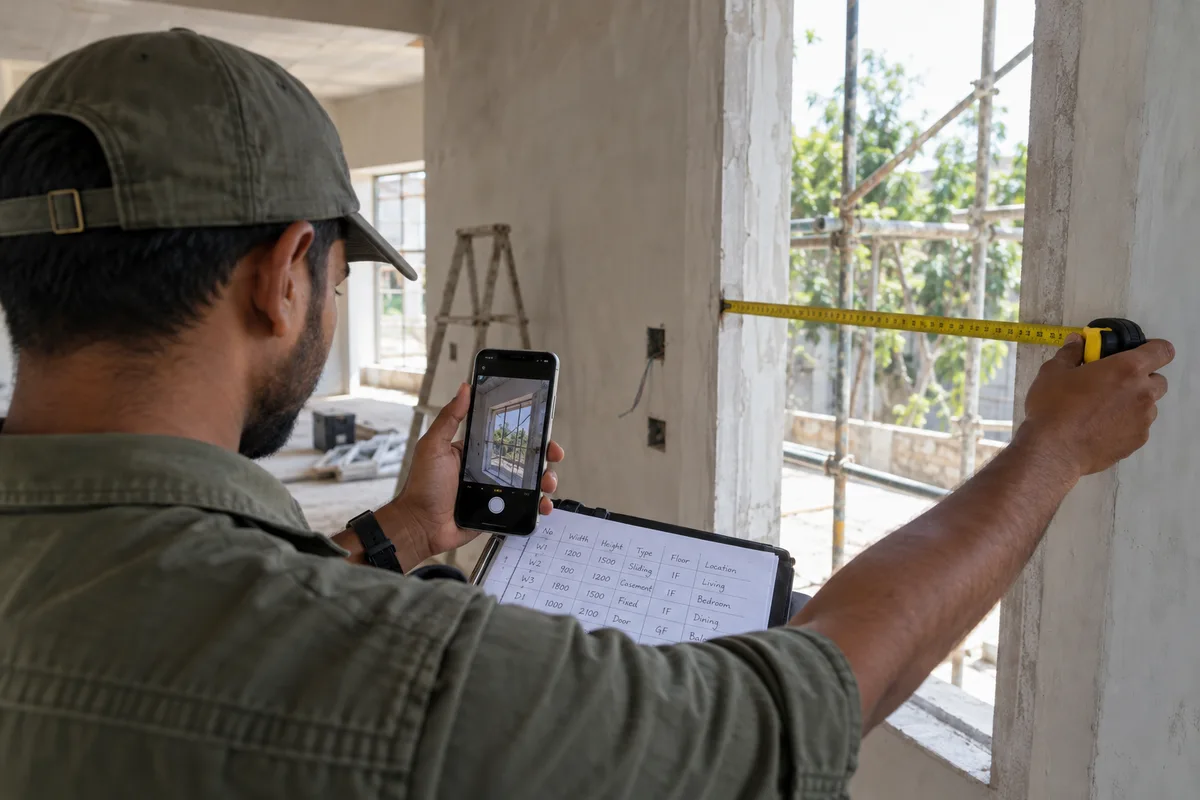
What search engine optimisation means
Search engine optimisation (SEO) is the work of getting your website to appear when a buyer searches Google for what you sell. GullySales builds pages around real search terms, fixes technical issues that block ranking, and tracks which searches actually bring enquiries.
Also for door and window dealers
- Local SEO for door and window dealers
- Website for door and window dealers
- Lead generation for door and window dealers
- Social media marketing for door and window dealers
- Content marketing for door and window dealers
- Buyer persona for door and window dealers
- CRM for door and window dealers
- Follow-up systems for door and window dealers
Sales and marketing for door and window dealers, the overview.
Last updated 14 Nov 2026.
For door and window dealers
Where it usually goes wrong, and what we would do.
“People search by material before they search by name”
A family wondering whether to choose UPVC over aluminium types the material and the problem, such as noise or termites. A page that explains the choice in plain words meets them before any dealer name is considered.
“One page for every product mixes the answers”
A single page listing teak, flush, UPVC, aluminium and security doors answers none of them well. Search engines and buyers both prefer a page for one product, with its own sizes, finishes and fitting notes.
“Photographs without words do not rank”
A gallery of fitted doors with no caption gives a search engine nothing to read. Under each photograph, the material, the finish, the opening size and the locality tell both the engine and the buyer what they are looking at.
“Town names belong on the page”
A dealer serving several neighbourhoods may mention only the city. Buyers search with the locality they live in. Naming the areas you deliver and fit in, honestly, lets those searches find you.
What we do
What we deliver for door and window dealers.
The work available for this need. We agree the deliverables and responsibilities for your engagement in writing.
A product page for each material
Separate pages for flush doors, wooden doors, UPVC windows, aluminium sliding windows and security doors, each with finishes and openings.
Result: Each product has its own page and its own search title.
Size and finish tables
A plain table of standard opening sizes and available finishes on each product page.
Result: A buyer can match their opening to a size without calling.
Captioned project photographs
Each fitted photograph described with material, finish and locality, used with the family's consent.
Result: Every image on the site carries words a search engine can read.
A buying guide for common questions
Short pages answering which material suits a flat, a villa or a coastal house.
Result: The questions buyers type have pages that answer them.
A page structure review
A check of titles, headings and internal links so product pages connect to the showroom page.
Result: You can see how each page leads to a visit or a call.
How the result is measured
- Ranking positions
- Organic traffic
- Enquiries from organic search
Recorded as a baseline before work starts, so every later report has an honest comparison.
Searches your buyers type
Buyers search a material and a town, then check the page for sizes.
- UPVC windows [town]
- A material page with profile types, glass options and a size table, and with the town named once where you really serve it.
- aluminium sliding window price
- A page that explains why price depends on the opening and glass, and invites a measurement visit in place of a single figure.
- flush door dealers near me
- A page for flush doors with finishes, thicknesses offered and the showroom address.
- teak wooden door for main entrance
- A premium page with photographs captioned by wood, finish and size, and a note on seasoning and hardware.
- fire rated doors supplier
- A page for builders and offices stating the ratings you can supply with the papers, and asking for the project brief.
Who it is for
This is written for these door and window dealers.
- Wooden and flush door dealers
- UPVC window and door dealers
- Aluminium window and sliding door dealers
- Door and window dealers who also sell frames and hardware
- Dealers supplying builders and contractors
- Showrooms for premium teak and imported doors
- Dealers who work with a fabricator or manufacturer
- Dealers selling security doors and fire-rated doors
Before you decide
When this may not be the right fit.
- Your product range is not written anywhere with sizes or finishes, so search pages would be empty photographs.
- You supply only within a few streets, and a plan aimed at the whole city would draw enquiries you will not fit.
Before you decide
Agree the work. Know how to judge it.
SEO for door and window dealers: use these checks to prepare, choose the scope, and review what changes.
Bring the right evidence
Bring the pages for the products or services you want to sell, the search queries available in your reports, and examples of enquiries from search. Separate branded searches from buyers discovering you for the first time.
Make the scope clear
Agree which pages and technical fixes come first, who can publish changes, and who supplies subject knowledge. Link search work to a relevant enquiry route on each priority page.
Check the work in use
Follow the trail from a relevant query to its landing page and then to an enquiry. Review whether those enquiries fit your offer, alongside indexing and search visibility.
Know when to change course
A ranking movement alone is not a buying signal. If traffic grows but relevant enquiries do not, revisit page intent and the offer before producing more pages.
These are discussion points, not a fixed package. GullySales confirms the deliverables, responsibilities, fee, and term in writing after reading your brief and speaking with you.
Before we start
What to have ready before the work starts.
The records, access and decisions this work needs from door and window dealers. Anything missing is noted in the written scope, with who will supply it.
- Login to the website and search console
- An account that can edit titles, headings and pages. Any publishing access is acceptable. If a former developer holds it, we start by recovering it, because nothing we write reaches a buyer until access exists.
- Your product list with sizes and finishes
- A catalogue, price list or a salesperson's notes showing the materials, the standard sizes and the finishes. Without them, the pages carry general advice that every dealer repeats, and the size tables cannot be written.
- Photographs of fitted work with details
- Pictures of finished openings with a note of the product and the finish. Phone pictures are acceptable. Missing, pages use text and tables only, and photographs are added after the next fitting.
- A list of towns and localities served
- The places your fitter and delivery reach, agreed with you. Without it, pages name towns you do not serve, and a buyer from there is disappointed.
- A rule about publishing prices
- Decide whether pages show prices, a starting range or only an invitation to ask for a quote. Bring the decision. Where prices move with the market, you name who updates them, and we do not publish a figure nobody is responsible for.
How it works
How the search engine optimisation work runs
The work itself, in order. How an engagement starts, from your brief to a written scope, is set out on our method page.
- 1
List the materials and ranges you stock
We start with the wooden, flush, UPVC and aluminium products on your floor, and the ranges you can supply in volume. You tell us which products you want to be found for and which you sell only when asked. The result is a list of page subjects, one per material or range, each tied to something you can quote.
- 2
Get into the site and the Business Profile
We ask for the website login, the search console account and the map profile, or sit beside whoever holds them. We search the way a buyer does, by material and town, and record what appears. The pages, titles and positions seen today are saved as the baseline for the final comparison.
- 3
Collect sizes and finishes from the counter
Your salesperson knows the standard sizes, the finishes, the frame sections and the glass thicknesses you carry. We record them product by product and you correct them. What exists is a set of size and finish tables written from your stock, which no competing page can copy. We also note the combinations buyers ask for at the counter, such as a flush door with a teak veneer or a sliding aluminium window with a mosquito mesh, so the tables answer the exact question a family types into a search box.
- 4
Photograph fitted work with captions that say something
We list the projects you can photograph and ask the fitter for the details: which product, what opening, which finish. A caption states those facts. You decide which homes may be shown and which only by locality, and photographs of a family's home are used with their agreement.
- 5
Write one page per material and a buying guide
Each material gets its own page that answers one search, with sizes, finishes, care and the steps from measurement to fitting. A buying guide covers common questions in plain words. You approve every page, your developer places it, and prices stay with you.
- 6
Name the towns and refresh the structure
We add the names of the towns and localities you serve to titles and headings where they are true, and fix duplicate pages found on the way, such as two pages describing the same UPVC range under different names. Where a town is served only for large orders, the page says so, so a visitor knows before calling. We then read live pages against the approved text. You see the enquiries from search against the baseline and decide what to rewrite.
Where this fits
Three pieces of sales work, in this order.
This work sits inside sales process design, at stage 1, prospecting and lead generation. The audit comes before it, and sales management keeps it running.
Step 1
Sales audit
Find where deals are being lost and what to fix first.
Start here if you cannot say where orders are lost.
Step 2 · you are here
Sales process design
One written way to sell, from first enquiry to repeat order.
Start here if every salesperson sells differently.
Step 3
Sales management
A target, a review routine and someone who owns the number.
Start here if the team has targets and no routine.
FAQ
Questions owners ask before they call.
Not here? More answers, or ask on WhatsApp.
Will SEO bring us customers from other cities?
Do we need a blog for SEO?
Should we write a separate page for every product code?
How do photographs help search?
Do the pages need to name each product brand we stock?
Who updates the pages when a new finish arrives?
How much does it cost?
How long is the contract?
How soon will we see results?
Who will actually do the work?
More for door and window dealers
Related work to consider.
Closest to this: search and visibility
Also for door and window dealers
Or start from the overview: sales and marketing for door and window dealers.
Your next practical step
Tell us what you are trying to grow, and we will read it before we call.
Eight short steps, mostly taps. Skip anything you would rather answer on the call.