Electronics and appliance stores · Follow up systems
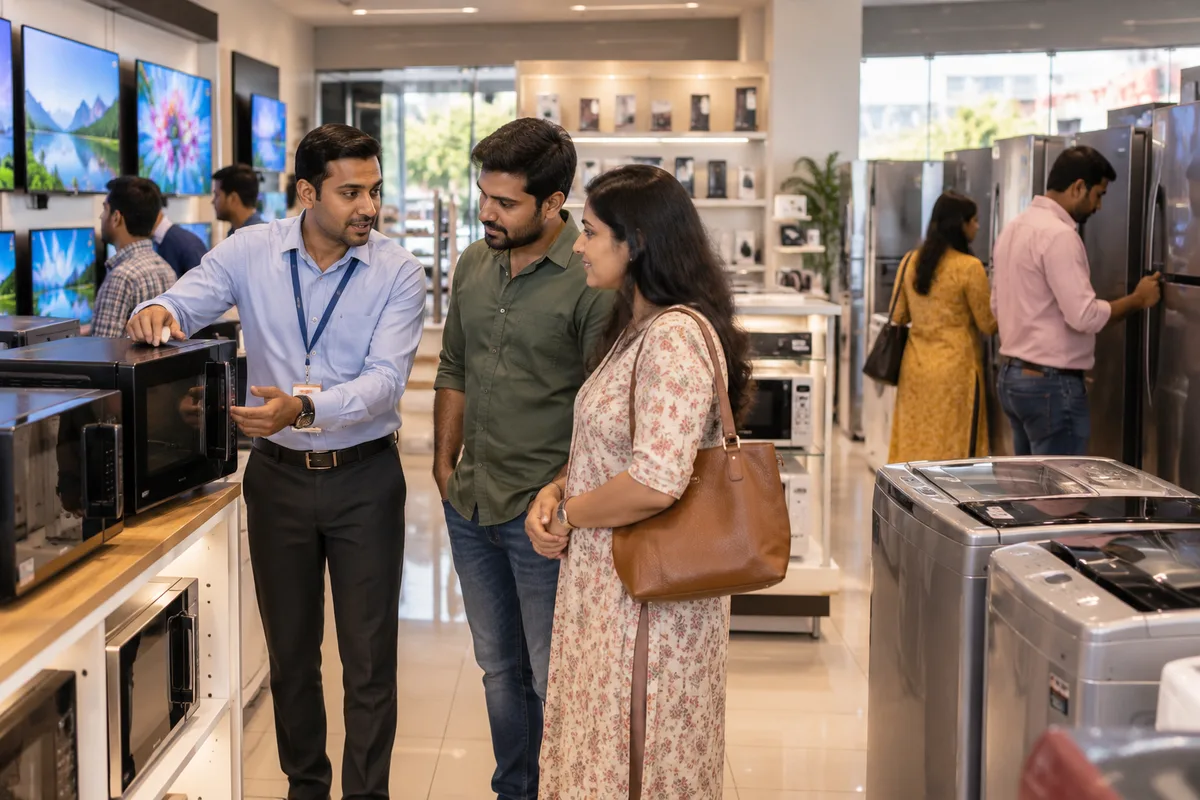
Call the family that walked out before they order the same TV online.
A follow-up system for an electronics store is the set of calls and messages that reach a buyer after a visit, an enquiry or an installation. GullySales builds the routine and the task list that keeps those contacts from depending on memory.
Scope, fee, reporting and term are agreed in writing after we have read your brief and spoken to you.
What follow up systems means
A follow-up system is the set routine for calling, messaging or emailing an enquiry more than once, since most buyers do not decide on the first conversation. GullySales sets the number and timing of follow-ups so an undecided buyer keeps hearing from you until they decide either way.
Also for electronics and appliance stores
- Lead generation for electronics and appliance stores
- CRM for electronics and appliance stores
- Newspaper advertising for electronics and appliance stores
- Outdoor advertising for electronics and appliance stores
- SEO for electronics and appliance stores
- PPC ads for electronics and appliance stores
- Digital marketing for electronics and appliance stores
- Reputation management for electronics and appliance stores
Sales and marketing for electronics and appliance stores, the overview.
Last updated 5 Oct 2026.
For electronics and appliance stores
Where it usually goes wrong, and what we would do.
“The online order is placed the same evening”
A family that priced a television in the store decides at home that night, with the app open beside the shop's quote. A message with the final price and EMI plan, sent while that comparison happens, reaches them in time.
“Peak season breaks the habit”
In April the phones ring, the floor fills and the follow-up list is dropped first. A routine that survives the AC rush has to be small enough for a busy salesperson to finish between customers.
“Installation day is part of the sale”
A buyer who waited for an installation slot without a message tells the apartment group about it. Confirming the date, the technician and the arrival window is follow-up, and it protects the review as much as the next sale.
“The next purchase has a date on it”
A refrigerator sold six years ago, a warranty ending next month and a festival coming up are reasons to call. Without a reminder tied to the household record, nobody makes the call and a competitor does.
What we do
What we deliver for electronics and appliance stores.
Every deliverable, what it covers for you, and the result it is there to produce. Nothing here is an extra.
Walk-out message set
Short WhatsApp and call scripts for the family that left without buying, each carrying the model seen, the price discussed and the EMI option.
Result: Every recorded walk-out gets a clear second offer.
Owner for every contact
A task list that names the person responsible for each follow-up and shows what is done and what is pending.
Result: No follow-up belongs to nobody.
Installation confirmation steps
A message at booking, on the day before and after the visit, with the technician's name and a way to report a problem.
Result: Buyers know when to expect the technician.
Warranty and exchange reminders
Reminders created from the household record for warranty ends, service due dates and old appliances worth an exchange offer.
Result: Past buyers hear from the store before the appliance fails.
Peak-season short list
A reduced routine for the AC rush: reply to every missed call, book the slot, note the walk-out, and nothing more.
Result: The routine keeps running when the floor is full.
How the result is measured
- Follow-up completion rate
- Average number of follow-ups before close
- Enquiries closed after repeat follow-up
Recorded as a baseline before work starts, so every later report has an honest comparison.
What to capture or send
The moments after a visit that an appliance store should write down or answer.
- The model priced at the counter
- Written by the salesperson before the family leaves. Send the final price, the EMI instalment and the stock position that evening, while they compare with an online listing.
- The installation slot
- Confirm the date, the technician's name and the arrival window by message. A buyer who waits in silence tells the apartment group, and the confirmation protects the review.
- After installation
- A short check that the unit runs well, with the service contact. It catches a leak or a faulty remote before it becomes a public complaint.
- Warranty about to end
- Triggered by the bill date on the household record. A message offering an extended plan, if the store sells one, reads as help rather than a sales push.
- An old appliance of a known age
- A refrigerator bought from you some years ago is a reason to call before a festival. Offer an exchange and name the model the family liked last time.
- The family that did not buy
- Record the reason in a few words: price, stock, colour or a wait. The next message answers that reason, and a family told the shop has the model in stock may return.
Who it is for
This is written for these electronics and appliance stores.
- Multi-brand consumer electronics showrooms
- Home appliance stores
- Mobile phone and accessories retailers
- Home theatre and audio specialists
- Telecom counters selling SIM, broadband and DTH connections
- Brand-exclusive stores run by franchisees
- Kitchen appliance and small appliance retailers
- Electronics stores with service and repair centres
Not for
It is not the right fit if.
- Staff are hired and moved each season and no one owns the call list, so reminders would go unanswered
- You cannot confirm installation slots with your technicians, so a promised date would be missed
How it works
How the follow up systems work runs
The work itself, in order. How an engagement starts, from your brief to a written scope, is set out on our method page.
- 1
Measure today's reply time
From your recent enquiries, we set the time each arrived against its first reply, using the call log, chats, form entries and portal panel. We also count the follow-ups each one got.
- 2
Agree targets and the sequence
We set reply targets and the follow-up sequence with your team, based on its real hours and workload.
- 3
Write the templates and first-call questions
The first reply, the quote follow-up and the last attempt are written in your voice and loaded as quick replies. The first-call questions are agreed with your best salesperson.
- 4
Set ownership, tasks and alerts
Named owners, cover for leave and CRM or sheet tasks go live. App alerts, such as IndiaMART's, are switched on for the right phones.
- 5
Track and adjust
Reply time and follow-up completion are reported against the baseline, and the routine is changed where it is not kept. How often you are reported to is agreed in writing.
Where this fits
Three pieces of sales work, in this order.
This work sits inside sales process design, at stage 2, qualification. The audit comes before it, and sales management keeps it running.
Step 1
Sales audit
Find where deals are being lost and what to fix first.
Start here if you cannot say where orders are lost.
Step 2 · you are here
Sales process design
One written way to sell, from first enquiry to repeat order.
Start here if every salesperson sells differently.
Step 3
Sales management
A target, a review routine and someone who owns the number.
Start here if the team has targets and no routine.
FAQ
Questions owners ask before they call.
Not here? More answers, or ask on WhatsApp.
How soon after a visit should we follow up?
Will repeated calls annoy customers?
What if staff will not fill in the record?
What should the follow-up say about price when the marketplace is cheaper?
How long is the contract?
Who will actually do the work?
What do you need from us?
What if we are not happy with the work?
From the blog
Further reading for electronics and appliance stores.
 8 min read · 21 Sept 2026How to advertise to retail business ownersA shop owner is behind the counter from ten to nine and cannot leave it. That single fact rules out most media, and it makes the lean afternoon hour and the distributor's salesman worth more than any campaign.
 6 min read · 11 Jun 2026How to advertise during the festive seasonThe festive season is bought in the monsoon. Book early, know why the rates rise, and match what you sell to the day people actually buy it.
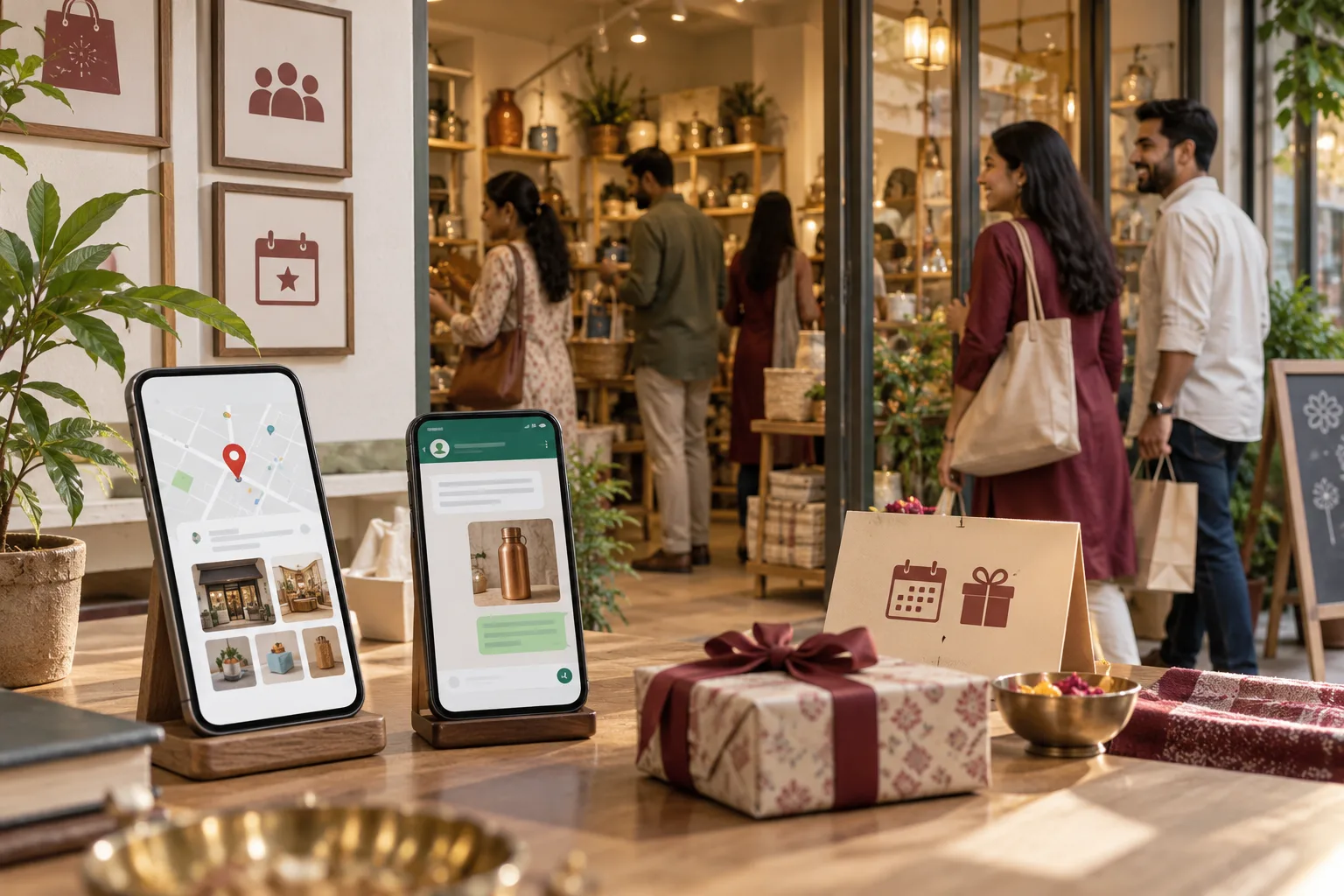 6 min read · 22 May 2026How to increase footfall in a retail storeBe found on Maps for what you stock, give past customers a reason to come back on WhatsApp, and run promotions tied to dates people already shop for.
More for electronics and appliance stores
Everything else we would do for you.
Closest to this: leads and follow-up
Also for electronics and appliance stores
- Newspaper advertising for electronics and appliance stores
- Outdoor advertising for electronics and appliance stores
- SEO for electronics and appliance stores
- PPC ads for electronics and appliance stores
- Digital marketing for electronics and appliance stores
- Reputation management for electronics and appliance stores
Or start from the overview: sales and marketing for electronics and appliance stores.
Your next practical step
Tell us what you are trying to grow, and we will read it before we call.
Eight short steps, mostly taps. Skip anything you would rather answer on the call.