Embroidery, knitting and haberdashery shops · Search engine optimisation
Be found when a buyer searches for a particular thread, lace, button or wool.
SEO for a haberdashery shop is making your pages appear when someone types a specific trim, thread or wool with the town. GullySales works on item pages, names and the technical basics.
Scope, fee, reporting and term are agreed in writing after we have read your brief and spoken to you.
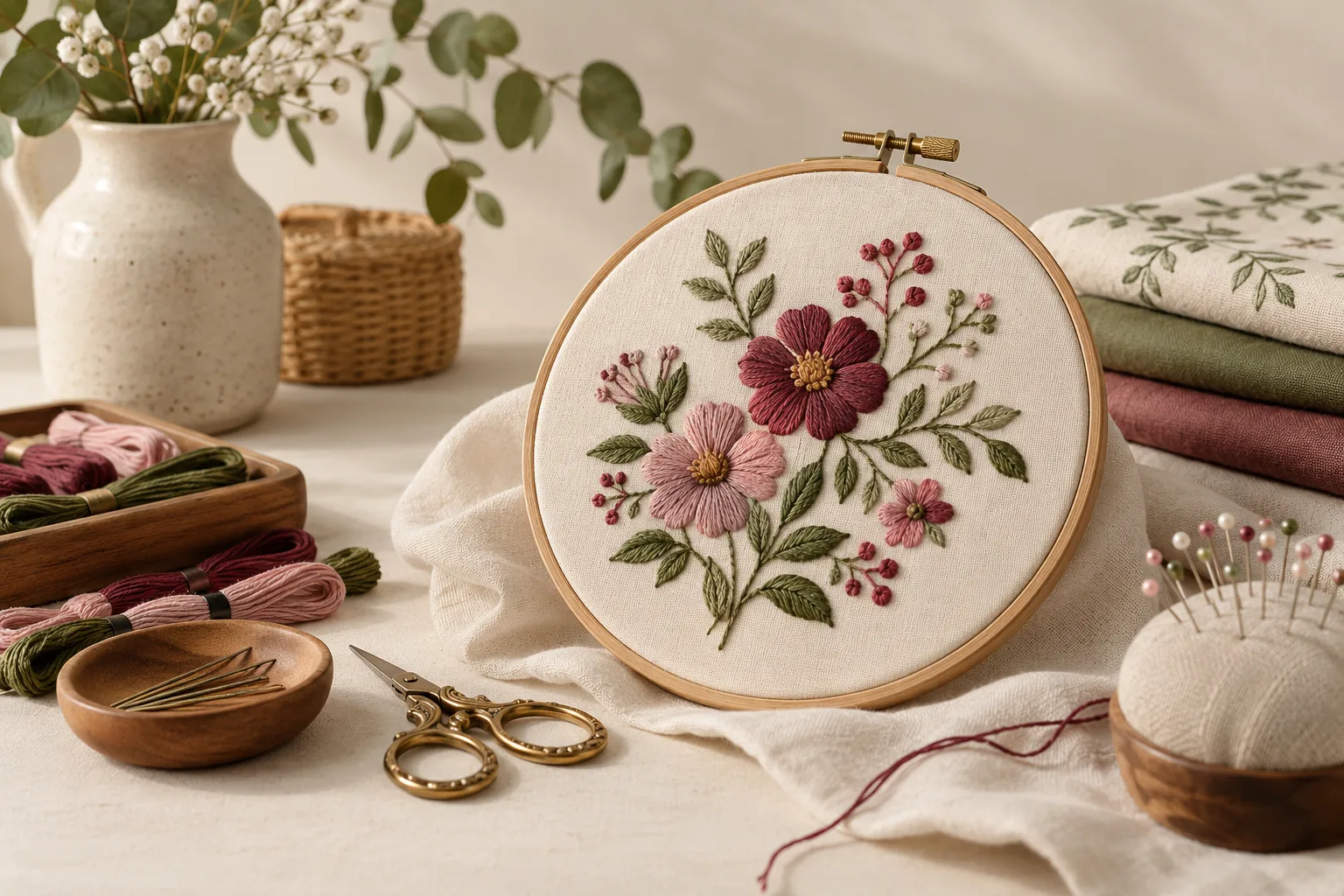
What search engine optimisation means
Search engine optimisation (SEO) is the work of getting your website to appear when a buyer searches Google for what you sell. GullySales builds pages around real search terms, fixes technical issues that block ranking, and tracks which searches actually bring enquiries.
Also for embroidery, knitting and haberdashery shops
- Local SEO for embroidery, knitting and haberdashery shops
- Website for embroidery, knitting and haberdashery shops
- Lead generation for embroidery, knitting and haberdashery shops
- Social media marketing for embroidery, knitting and haberdashery shops
- Content marketing for embroidery, knitting and haberdashery shops
- Buyer personas for embroidery, knitting and haberdashery shops
- CRM for embroidery, knitting and haberdashery shops
- Follow-up systems for embroidery, knitting and haberdashery shops
Sales and marketing for embroidery, knitting and haberdashery shops, the overview.
Last updated 14 Nov 2026.
For embroidery, knitting and haberdashery shops
Where it usually goes wrong, and what we would do.
“Searches name the item”
A buyer types zari lace, silk thread shade card or crochet kit, with the town beside it. A page that names the item, its width and its use matches that search. A page that says all kinds of sewing needs matches nothing a buyer types.
“Thousands of items cannot all have pages”
A shop may stock thousands of buttons, hooks and beads, and each cannot have a page. Start with the groups that sell and the items that repeat, such as blouse hooks, rayon thread or acrylic wool, and add pages as stock moves through the season.
“Shades are described in pictures”
A photographed shade card tells the buyer the colour but tells a search engine nothing. Written colour names, shade codes and brand series numbers give search something to read, and let a buyer who holds a sample search for the exact match.
“Wholesale and retail searches differ”
A tailor asking for a wholesale rate on a full reel and a hobbyist buying a single skein are different searches with different needs. Separate retail and trade pages stop one buyer from landing on terms written for the other.
What we do
What we deliver for embroidery, knitting and haberdashery shops.
The work available for this need. We agree the deliverables and responsibilities for your engagement in writing.
Item group pages
Thread, lace, zari, buttons, wool and kits each get a page listing the items held, the shades, the widths and what each is used for, written in the words a buyer types into search.
Result: A search for a group reaches a page that answers it.
Written shade and size details
Colour names, shade codes, widths in the units your counter uses and ball or reel weights set out in text beside each photograph, so nothing sits only inside an image.
Result: Buyers and search read the same facts.
A trade page
Wholesale rates, minimum lengths or reels, credit terms and the way to order, written for tailors, boutiques and embroidery units who buy in volume.
Result: A trade buyer lands on a page written for them.
Image names and alt text
Photographs of laces, spools and wool balls named for the item and the shade before they are uploaded, with a short description added for each.
Result: Images carry words as well as colour.
Technical basics
Page speed on a mid-range phone, clean web addresses, a sitemap and a check that item pages are not blocked from search.
Result: Pages load for a buyer standing in the lane.
How the result is measured
- Ranking positions
- Organic traffic
- Enquiries from organic search
Recorded as a baseline before work starts, so every later report has an honest comparison.
Searches your buyers type
What a maker types to find thread, lace or wool, and the page that answers.
- zari lace border wholesale
- A group page for zari and lace borders with the widths stocked, the colours, and a note that trade rates are on request.
- embroidery thread shade card
- A page showing the shade range as photographs with shade numbers in text, since a search engine cannot read a picture.
- acrylic wool for winter sweaters
- A page for knitting wool with the plies and weights in stock, with a note on needle sizes that go with each.
- buttons and zips for tailors
- A trade page naming the sizes and types held, with the lane or market where the shop stands.
- cross stitch kit for beginners
- A kit page with what is in the box, the fabric count and the hoop size, so a gift buyer knows what they get.
- crochet hooks and macramé cord near me
- A local page listing the hooks and cords held, with the shop address and a map pin.
Who it is for
This is written for these embroidery, knitting and haberdashery shops.
- Wholesale haberdashery shops supplying tailors and boutiques
- Zari, lace and trimming merchants for bridal and ethnic wear
- Embroidery thread, beads and sequin suppliers for workshops
- Knitting wool and needle shops for hobbyists and winter-wear makers
- Craft kit sellers for schools and weekend hobbyists
- Button, zip and sewing accessory stores near tailoring clusters
- Machine embroidery supply and design file sellers
- Cross-stitch, crochet and macramé specialist shops
- Shops that also run classes in embroidery, crochet and knitting
Before you decide
When this may not be the right fit.
- Your shade stock changes daily and nobody can keep a page current, so listings would show colours you have sold out of
- You expect a page for every one of thousands of items, and nobody has the time to write them
Before you decide
Agree the work. Know how to judge it.
SEO for embroidery, knitting and haberdashery shops: use these checks to prepare, choose the scope, and review what changes.
Bring the right evidence
Bring the pages for the products or services you want to sell, the search queries available in your reports, and examples of enquiries from search. Separate branded searches from buyers discovering you for the first time.
Make the scope clear
Agree which pages and technical fixes come first, who can publish changes, and who supplies subject knowledge. Link search work to a relevant enquiry route on each priority page.
Check the work in use
Follow the trail from a relevant query to its landing page and then to an enquiry. Review whether those enquiries fit your offer, alongside indexing and search visibility.
Know when to change course
A ranking movement alone is not a buying signal. If traffic grows but relevant enquiries do not, revisit page intent and the offer before producing more pages.
These are discussion points, not a fixed package. GullySales confirms the deliverables, responsibilities, fee, and term in writing after reading your brief and speaking with you.
Before we start
What to have ready before the work starts.
The records, access and decisions this work needs from embroidery, knitting and haberdashery shops. Anything missing is noted in the written scope, with who will supply it.
- A tidy list of your main item groups
- We need the groups you would draw on a signboard, with a few items under each, so the pages follow the way you sell. A handwritten list is acceptable. Without it, we guess from your photographs and shelf labels, which takes longer and risks mixing wholesale and retail stock.
- Clear photographs of stock in daylight
- Each group page needs at least one honest photograph of the real item. Daylight at the shop door is better than a lamp. Without photographs the pages carry only text, and a buyer searching for a shade will not stay.
- Access to the website and its domain
- We need to edit pages, so give us the login for the website and, if it exists, the domain account. If a previous maker holds the access, tell us who, because we may need to ask for a transfer. Without access, we deliver the pages as documents for someone else to upload.
- The trade terms you will state publicly
- The trade page names minimum quantities and how credit works. Decide what you are happy to publish. If you prefer buyers to call for rates, the page says so and the call is the next step, but the decision has to be yours before we write.
How it works
How the search engine optimisation work runs
The work itself, in order. How an engagement starts, from your brief to a written scope, is set out on our method page.
- 1
List the items buyers ask for by name
We begin with your counter, listing the items buyers name when they walk in or send a photograph: a lace width, a zari thread, a wool weight, a pearl button size. You tell us which are fast sellers and which are slow. When the step ends we have a list of real item names, in the words customers use, to match against search phrases.
- 2
Group items into pages you can keep up
A shop with thousands of items cannot have a page for each, so we sort the range into groups, such as bridal lace, knitting wool by weight, zip and hook sets and embroidery thread. You approve the groups and tell us which ones carry the greatest weight in your sales. Each group will get one page, and that list becomes the site map.
- 3
Write shade and size details in words
Because a search engine cannot match a colour, we describe shades and sizes in plain text beside each photograph, using the names your counter staff use, such as wine red or bottle green. You read each description against the real stock and correct it. This step produces the written details that every group page needs.
- 4
Draft the trade page and name the images
We write a separate page for wholesale and trade buyers, with minimum quantities, set-aside practice and the way to ask for a shade match, and we rename and describe your photographs so they can be found. You approve what the trade page says about rates and credit before it is published.
- 5
Read searches against the starting figures
Once the pages are live we look at which item searches bring visitors and whether those visitors call, chat or come to the shop, against the figures recorded before the work. You and your senior counter person choose the next groups to write and the pages to improve.
Where this fits
Three pieces of sales work, in this order.
This work sits inside sales process design, at stage 1, prospecting and lead generation. The audit comes before it, and sales management keeps it running.
Step 1
Sales audit
Find where deals are being lost and what to fix first.
Start here if you cannot say where orders are lost.
Step 2 · you are here
Sales process design
One written way to sell, from first enquiry to repeat order.
Start here if every salesperson sells differently.
Step 3
Sales management
A target, a review routine and someone who owns the number.
Start here if the team has targets and no routine.
FAQ
Questions owners ask before they call.
Not here? More answers, or ask on WhatsApp.
Can a small shop rank against online marketplaces?
Do I need to list every item?
How long before it works?
Does a haberdashery need a page for every shade?
Can I list items that I stock only in season?
Should the shop and the wholesale business share one site?
How much does it cost?
How long is the contract?
Who will actually do the work?
What do you need from us?
More for embroidery, knitting and haberdashery shops
Related work to consider.
Closest to this: search and visibility
Also for embroidery, knitting and haberdashery shops
- Lead generation for embroidery, knitting and haberdashery shops
- Social media marketing for embroidery, knitting and haberdashery shops
- Content marketing for embroidery, knitting and haberdashery shops
- Buyer personas for embroidery, knitting and haberdashery shops
- CRM for embroidery, knitting and haberdashery shops
- Follow-up systems for embroidery, knitting and haberdashery shops
Or start from the overview: sales and marketing for embroidery, knitting and haberdashery shops.
Your next practical step
Tell us what you are trying to grow, and we will read it before we call.
Eight short steps, mostly taps. Skip anything you would rather answer on the call.