Embroidery, knitting and haberdashery shops · Social media
Show new wool, lace and kits so crafters ask for a price and a shade.
Social media marketing for a haberdashery shop is showing new arrivals, finished work and shelf photographs to makers. GullySales works on what to post, how to answer comments and how a viewer reaches the counter.
Scope, fee, reporting and term are agreed in writing after we have read your brief and spoken to you.
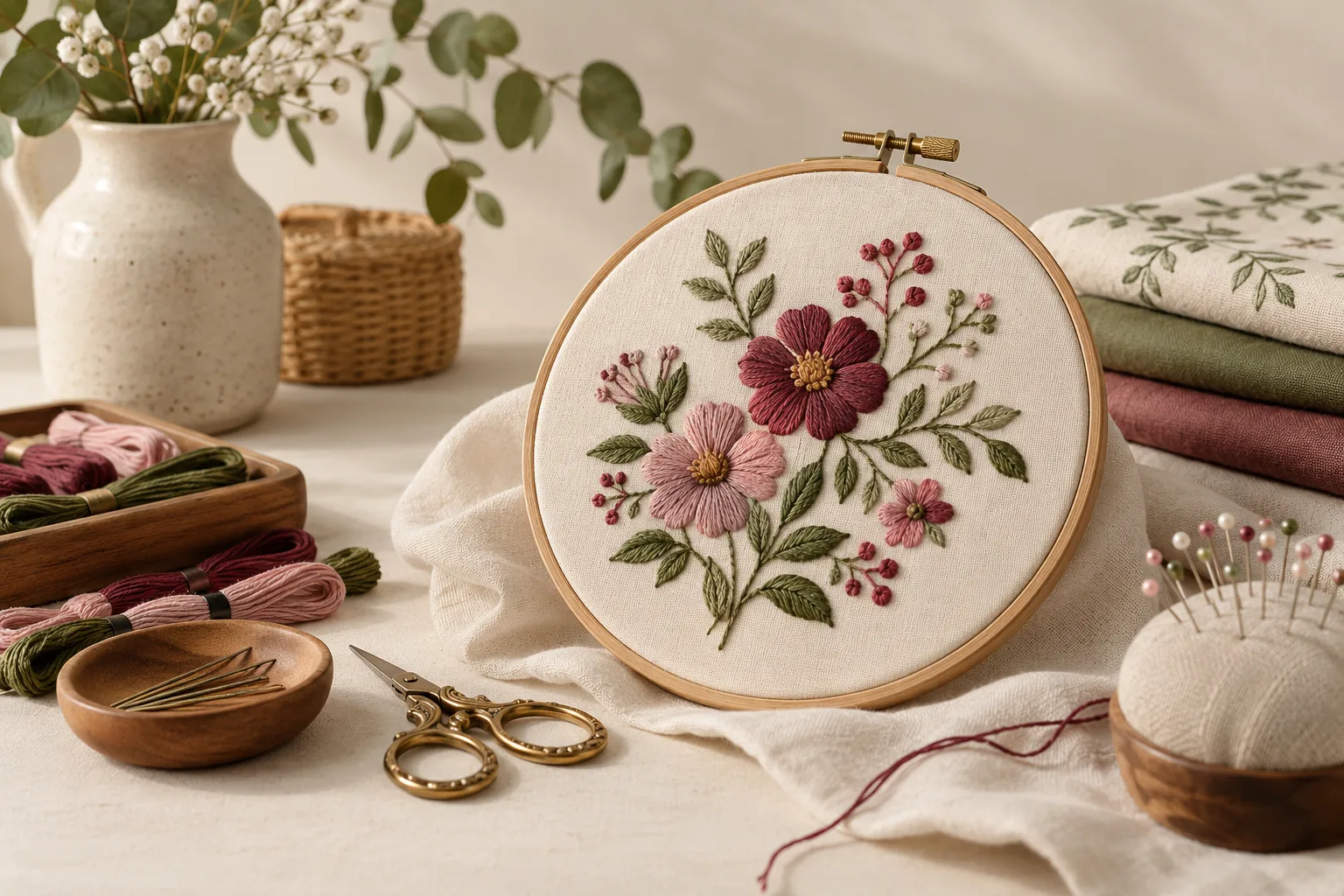
What social media means
Social media is the ongoing posting your business does on platforms such as Instagram, Facebook and LinkedIn to stay visible to customers and prospects between purchases. GullySales plans a posting calendar, writes captions and designs the images so the page looks active and answers what a visitor would ask.
Also for embroidery, knitting and haberdashery shops
- Content marketing for embroidery, knitting and haberdashery shops
- Lead generation for embroidery, knitting and haberdashery shops
- SEO for embroidery, knitting and haberdashery shops
- Local SEO for embroidery, knitting and haberdashery shops
- Buyer personas for embroidery, knitting and haberdashery shops
- CRM for embroidery, knitting and haberdashery shops
- Follow-up systems for embroidery, knitting and haberdashery shops
- WhatsApp marketing for embroidery, knitting and haberdashery shops
Sales and marketing for embroidery, knitting and haberdashery shops, the overview.
Last updated 14 Nov 2026.
For embroidery, knitting and haberdashery shops
Where it usually goes wrong, and what we would do.
“Makers follow makers”
A finished crochet piece or an embroidered blouse made with your stock draws makers who want the same materials. Work shown with the maker's written consent beats a shelf photograph, because the buyer sees the result and asks which thread and which shade.
“A new arrival is news”
A fresh lot of wool, zari or a new lace pattern is a reason to post. Buyers who were waiting for that shade or width will message at once, so the post should carry the item name, the shade and a way to ask about price.
“Short clips show texture”
A thumb across the lace, a thread being passed through a needle or a wool ball being wound shows texture and thickness that a still photograph cannot. A short phone clip in daylight is enough, and it needs no studio.
“Comments ask about shade”
A comment asking whether a colour is available is a sale waiting for an answer. A named person with the current shade list should reply, and move the conversation to chat for price and quantity.
What we do
What we deliver for embroidery, knitting and haberdashery shops.
The work available for this need. We agree the deliverables and responsibilities for your engagement in writing.
A post plan from your arrivals
Posts built around new lots, kits, festive trims and the knitting season, drawn from what the shop receives and what the counter sells.
Result: The page shows what is on the shelf now.
A maker showcase routine
A simple way to ask customers for permission to show their finished work, record their agreement and credit them as they wish.
Result: Makers see results made with your stock.
Short clips
Phone videos of lace, wool and kits, with guidance on light, framing and captions that name the item and the shade.
Result: Texture and shade are visible.
A comment and message routine
Set answers for shade, price and stock questions, with a named person and a clear point at which the reply moves to chat.
Result: Questions on posts are answered.
A winter wool push
Posts planned for the start of the cold, covering yarn weights, needle sizes and starter kits for knitters.
Result: Wool buyers see your shop first.
How the result is measured
- Posts published
- Engagement rate
- Enquiries from social profiles
Recorded as a baseline before work starts, so every later report has an honest comparison.
Posts and pieces to plan
What a haberdashery can post for makers who follow makers.
- New wool shade arrival
- A photograph in daylight with the shade number and weight in the caption. Reply to each comment with the rate by message.
- A short clip of lace being unrolled
- Thirty seconds on the width and the drape of a lace, held in the hand. It shows texture a still photograph cannot.
- Kit contents laid out
- A flat photograph of a craft kit with every item named. A gift buyer sees what the box holds before asking.
- Finished piece by a customer
- A customer's shawl or border worked with your thread, posted only with their consent and a tag. It shows the result of the material.
- Class notice
- A post for a coming embroidery or crochet class, with the day, the level and what to bring.
- Restock alert for a shade
- A short post when a sold-out shade returns, so the buyers who asked for it can claim it.
Who it is for
This is written for these embroidery, knitting and haberdashery shops.
- Wholesale haberdashery shops supplying tailors and boutiques
- Zari, lace and trimming merchants for bridal and ethnic wear
- Embroidery thread, beads and sequin suppliers for workshops
- Knitting wool and needle shops for hobbyists and winter-wear makers
- Craft kit sellers for schools and weekend hobbyists
- Button, zip and sewing accessory stores near tailoring clusters
- Machine embroidery supply and design file sellers
- Cross-stitch, crochet and macramé specialist shops
- Shops that also run classes in embroidery, crochet and knitting
Before you decide
When this may not be the right fit.
- Nobody at the shop is free to answer a comment about a shade, and the page would show unanswered questions
- You have no wish to photograph the stock, and a page of old images would mislead buyers about what is on the shelf
Before you decide
Agree the work. Know how to judge it.
Social media marketing for embroidery, knitting and haberdashery shops: use these checks to prepare, choose the scope, and review what changes.
Bring the right evidence
Review the posts that produced useful conversations, not only the ones with the most views. Gather buyer questions and decide which team member can contribute credible material.
Make the scope clear
Choose the audience and channel before setting a posting volume. Agree who supplies material, approves posts, and handles messages, including complaints or questions the agency cannot answer.
Check the work in use
Follow a post through to the profile, website, and response. A useful report explains the quality of conversations and enquiries, alongside reach and engagement.
Know when to change course
If publishing takes time away from unanswered buyer messages, fix the response routine first. Do not expand to another channel without a clear reason for being there.
These are discussion points, not a fixed package. GullySales confirms the deliverables, responsibilities, fee, and term in writing after reading your brief and speaking with you.
Before we start
What to have ready before the work starts.
The records, access and decisions this work needs from embroidery, knitting and haberdashery shops. Anything missing is noted in the written scope, with who will supply it.
- A phone that takes steady photographs
- Posts rely on clear pictures, so a phone with a clean lens and a bit of storage is enough. If the shop's phone is old, borrow one for photo days. Without photographs we cannot post, and the calendar stays empty. Wipe the lens before each photo day, because a smudged lens makes lace look dull.
- A list of arrivals before they land
- Tell us what is coming into the shop and when, even roughly. A new wool lot should be shown while stock is fresh. If you cannot know in advance, we plan around a standing photo day.
- Permission from makers to show their work
- A finished shawl or embroidered blouse attracts other makers, but the maker must agree to be shown. Ask them and note it. Where none agree, we show your own samples. Keep the reply as a message saved on the phone so permission can be shown later.
- Account logins in the shop's name
- The accounts should belong to the shop, with the owner able to log in. If a staff member created them on a personal profile, move them. Staff leave, and accounts should not.
- A person who answers messages at the counter
- Comments and messages need an answer from someone who knows the stock. Name that person and when they will look. Without one, we pause posting until a reply routine exists. A shop assistant who is on the floor all day is the right choice, as long as they know the stock and the rates.
How it works
How the social media work runs
The work itself, in order. How an engagement starts, from your brief to a written scope, is set out on our method page.
- 1
Look at what makers in your town follow
We spend time on the accounts that local makers, boutiques and craft teachers follow and note what they post, what they comment on and what they ignore. You tell us which of those you know. When the step ends we know which platform your buyers use and what a good post looks like in this trade. We also note which local shops post well, so the plan borrows what works and avoids what looks like every other shop's feed.
- 2
Take a first photo walk through new arrivals
A fresh wool lot, a roll of lace or a box of beads is news to makers. We ask your counter staff to show us the latest arrivals and photograph them in daylight, with the shade named in words. You decide which items you are happy to show and which you hold back for trade buyers.
- 3
Set a rhythm of arrivals and finished work
We build a calendar that mixes new arrivals with a finished piece made by a customer or a staff member, and we mark winter wool and festival trims in the right places. You approve the calendar, and agree who takes the photographs when the stock lands.
- 4
Record short clips of texture and shade
Wool and trims are bought by touch, so we film short clips that show a thread catching light, a lace being unrolled or a button set against cloth. Your staff are asked to hold the item and say its name aloud. The clips are edited and approved by you. Each clip carries a caption with the item name, the width or weight and the shade in words, so a viewer who cannot see the colour well still knows what is on offer.
- 5
Answer comments with a shade and a price
Comments about shade and rate are sales enquiries. We write replies that name the item, the quantity available and the way to reach the counter, and set who answers and when. Messages go to the same enquiry record the shop uses elsewhere.
- 6
Read posts against counter enquiries
After the posts have run, we compare enquiries that mention a post with the figures recorded at the start, and you tell us whether more people ask for the shown items. From this reading you decide which kinds of posts to repeat and whether a winter wool push is worth planning again.
Where this fits
Three pieces of sales work, in this order.
This work sits inside sales process design, at stage 0, foundation. The audit comes before it, and sales management keeps it running.
Step 1
Sales audit
Find where deals are being lost and what to fix first.
Start here if you cannot say where orders are lost.
Step 2 · you are here
Sales process design
One written way to sell, from first enquiry to repeat order.
Start here if every salesperson sells differently.
Step 3
Sales management
A target, a review routine and someone who owns the number.
Start here if the team has targets and no routine.
FAQ
Questions owners ask before they call.
Not here? More answers, or ask on WhatsApp.
Must I post on every platform?
Can I show customers' work?
Should I run ads?
Should a haberdashery shop run paid social ads?
Can I post pictures of a customer's order?
How do we handle a bad comment on a post?
How much does it cost?
How long is the contract?
How soon will we see results?
Who will actually do the work?
More for embroidery, knitting and haberdashery shops
Related work to consider.
Closest to this: content and social
Also for embroidery, knitting and haberdashery shops
- Lead generation for embroidery, knitting and haberdashery shops
- SEO for embroidery, knitting and haberdashery shops
- Local SEO for embroidery, knitting and haberdashery shops
- Buyer personas for embroidery, knitting and haberdashery shops
- CRM for embroidery, knitting and haberdashery shops
- Follow-up systems for embroidery, knitting and haberdashery shops
Or start from the overview: sales and marketing for embroidery, knitting and haberdashery shops.
Your next practical step
Tell us what you are trying to grow, and we will read it before we call.
Eight short steps, mostly taps. Skip anything you would rather answer on the call.