Embroidery, knitting and haberdashery shops · Buyer persona
Describe the tailor, the boutique owner and the hobbyist as they actually buy.
A buyer persona for a haberdashery shop describes one type of buyer: what they buy, how they choose and what they worry about. GullySales builds personas from your sales and enquiries.
Scope, fee, reporting and term are agreed in writing after we have read your brief and spoken to you.
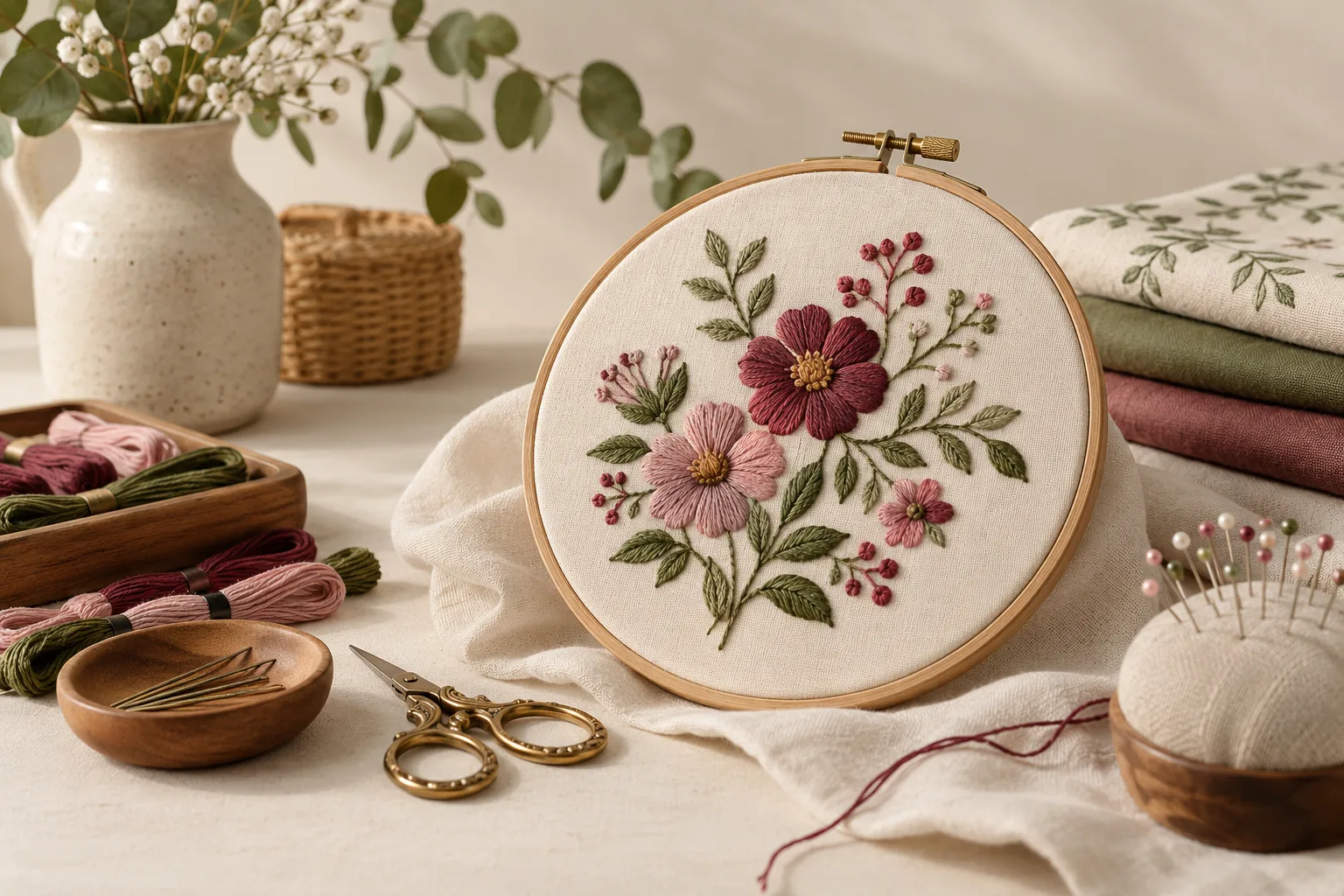
What buyer persona means
A buyer persona is a plain description of the kind of customer who actually buys from you. It includes what they search, what worries them and who else they ask before deciding. GullySales builds this from real enquiries and past sales rather than a generic template, then uses it to write every page and advert.
Also for embroidery, knitting and haberdashery shops
- Digital marketing for embroidery, knitting and haberdashery shops
- Lead generation for embroidery, knitting and haberdashery shops
- SEO for embroidery, knitting and haberdashery shops
- Local SEO for embroidery, knitting and haberdashery shops
- Social media marketing for embroidery, knitting and haberdashery shops
- Content marketing for embroidery, knitting and haberdashery shops
- CRM for embroidery, knitting and haberdashery shops
- Follow-up systems for embroidery, knitting and haberdashery shops
Sales and marketing for embroidery, knitting and haberdashery shops, the overview.
Last updated 14 Nov 2026.
For embroidery, knitting and haberdashery shops
Where it usually goes wrong, and what we would do.
“The tailor buys in the same lane and on the same day”
A tailor buys in the same lane and on the same day, needing the part now and sending a helper. Stock on the shelf, a matched shade and a credit arrangement decide where the helper walks, and the price comes second.
“The boutique owner buys for a design”
A boutique owner buys for a design and chooses lace, beads and trims to a sketch. Samples and photographs that reach the boutique owner before a visit save a trip, and a note on the minimum length settles the order.
“The hobbyist buys small and learns”
A new crafter buys a little, learns and returns as the project grows. Help at the counter, a recommended hook or a suggested thread, makes the next visit certain, and an unkind answer ends it.
“The teacher buys for a group”
A school craft teacher or a workshop organiser wants kits at one rate for a group. Bulk quotes, a sample to inspect and a firm date for pickup matter more than a single low price.
What we do
What we deliver for embroidery, knitting and haberdashery shops.
The work available for this need. We agree the deliverables and responsibilities for your engagement in writing.
A short set of personas
One page each for the tailor, the boutique owner, the hobbyist and the teacher, with what they buy, how they choose and what worries them.
Result: The team works from the same picture of each buyer.
A decision map
Who chooses, who pays and who collects for each buyer, including the helper sent to the shop and the owner who approves later.
Result: You know whom to speak to.
Objection lists
The doubts each buyer raises, such as shade mismatch, stock running out mid-order or a price against the neighbouring shop, with a plain reply for each.
Result: Replies address real worries.
Message sets
WhatsApp wording for each persona: a trade rate message, a boutique sample note, a beginner's welcome and a teacher's kit quote.
Result: Each buyer gets a fitting message.
A review after each season
Personas checked against the sales book after wool season and after the festive trim season, then corrected.
Result: The personas stay accurate.
How the result is measured
- Enquiry match to persona
- Conversion rate by persona
- Content aligned to persona
Recorded as a baseline before work starts, so every later report has an honest comparison.
Who is asking
The people who stand at a haberdashery counter, and what each asks first.
- A tailor buying for a day's stitching
- Wants the exact reel, zip or button in quantity, the rate and the credit on the account. Expects the shop to remember the last shade.
- A boutique owner working on a design
- Brings a swatch and wants a lace or border to match. Needs sample lengths and a promise that the lot will not vary.
- A hobbyist starting to knit
- Asks what to buy for a first project. Wants a kit or a list with needle sizes, and a person who explains it kindly.
- A craft teacher buying for a group
- Wants a set number of identical kits or reels, a price for the batch and a delivery date before the class.
- A gift buyer for a crafter
- Does not know the craft. Wants a boxed item at a stated price and a note on what the recipient will need to add.
- A school buying for an activity period
- Wants a list of materials with a total and a bill the office can pay by transfer.
Who it is for
This is written for these embroidery, knitting and haberdashery shops.
- Wholesale haberdashery shops supplying tailors and boutiques
- Zari, lace and trimming merchants for bridal and ethnic wear
- Embroidery thread, beads and sequin suppliers for workshops
- Knitting wool and needle shops for hobbyists and winter-wear makers
- Craft kit sellers for schools and weekend hobbyists
- Button, zip and sewing accessory stores near tailoring clusters
- Machine embroidery supply and design file sellers
- Cross-stitch, crochet and macramé specialist shops
- Shops that also run classes in embroidery, crochet and knitting
Before you decide
When this may not be the right fit.
- The shop has only one kind of buyer and the owner knows each by name, so a written persona would repeat what the owner already knows
- You have not talked to any tailor or boutique buyer in the past year and would be writing from guesses
Before you decide
Agree the work. Know how to judge it.
Buyer personas for embroidery, knitting and haberdashery shops: use these checks to prepare, choose the scope, and review what changes.
Bring the right evidence
Write the decision the research must support, such as entering a market or choosing a buyer group. Separate what you know from sales records from what the team currently assumes.
Make the scope clear
Agree which buyers to speak to, which sources to review, and what access you can provide. Include lost enquiries and people who chose another supplier, where they are willing to take part.
Check the work in use
Look for source dates, sample limitations, and evidence that disagrees with the preferred answer. A recommendation should show how it follows from the findings.
Know when to change course
Do not treat a few positive conversations as proof of demand. Test the proposed offer with an actual buying decision before committing to a wider launch.
These are discussion points, not a fixed package. GullySales confirms the deliverables, responsibilities, fee, and term in writing after reading your brief and speaking with you.
Before we start
What to have ready before the work starts.
The records, access and decisions this work needs from embroidery, knitting and haberdashery shops. Anything missing is noted in the written scope, with who will supply it.
- A set of bills for each buyer kind
- Bills show what buyers really take. Photograph a few for each kind. Without bills, the personas rest on memory and are marked as provisional.
- Four customers who will talk
- Choose one of each kind and ask them to speak with us. Offer nothing for it; it should be a favour among regulars. If none will, we use your staff's recollections and say so on the page.
- Your staff's view of lost sales
- Your counter staff know why people left without buying. Reserve time for them to say it. Without it, the objection lists remain too polite.
- The credit terms you give each kind
- Credit shapes how a tailor buys and how a hobbyist does not. Tell us the terms, so the persona records them correctly. If terms vary, we note the exceptions.
- A decision on which buyer to grow
- Only the owner can choose where growth is wanted. Pick one persona to apply first. If undecided, we start with the trade buyer.
How it works
How the buyer persona work runs
The work itself, in order. How an engagement starts, from your brief to a written scope, is set out on our method page.
- 1
Sort your buyers into four kinds
We begin by asking you to name the kinds of buyer who walk in or message: tailors, boutique owners, hobbyists and teachers or groups. You place a few real customers under each and tell us who is missing. The step ends with a short list of the buyers worth describing, and nobody is added just to fill a page. We also ask which buyer you would not mind losing, which shows where effort is wasted today.
- 2
Read the bill book for each kind
We take a few bills for each buyer kind and note what they buy, in what quantity, how regularly and how they pay. You explain the pattern: a tailor buys on the same day of the market round, a boutique buys before a collection, a hobbyist buys small. We write what we find in a plain table.
- 3
Talk to a few buyers over the counter
We talk, in person or by phone, to a tailor, a boutique owner, a hobbyist and a teacher whom you introduce. We ask how they chose the shop, what they check before buying and what almost made them go elsewhere. We write down the exact words they use for their worries, because those phrases go into the messages later.
- 4
Write each persona and its worries
For each kind of buyer we write what they buy, how they decide, who they ask and what they worry about, such as shade difference between lots or a quantity running out. You read each persona beside real customers and correct what is wrong. Each persona also records what would make that buyer change shop, such as a lane closure or a cheaper lot nearby, so the messages answer a real risk.
- 5
Turn the personas into messages
We draft a short message set for each persona, covering the first reply, the rate answer and the follow-up, and we list the questions each buyer asks before buying. Your counter staff try the messages aloud and change the words that sound unnatural. Messages for the teacher persona mention kit quantities and a pack count, because a group buyer decides on whether the whole class can be supplied.
- 6
Check them against the next season's sales
After a season, we look at whether the personas still describe who bought, using the bill book and enquiry record against the figures at the start. You decide what to change, drop or add to the personas for the next season.
Where this fits
Three pieces of sales work, in this order.
This work sits inside sales process design, at stage 0, foundation. The audit comes before it, and sales management keeps it running.
Step 1
Sales audit
Find where deals are being lost and what to fix first.
Start here if you cannot say where orders are lost.
Step 2 · you are here
Sales process design
One written way to sell, from first enquiry to repeat order.
Start here if every salesperson sells differently.
Step 3
Sales management
A target, a review routine and someone who owns the number.
Start here if the team has targets and no routine.
FAQ
Questions owners ask before they call.
Not here? More answers, or ask on WhatsApp.
How many personas should a shop write?
Where does the information come from?
Is it a document only?
How many buyer types should a haberdashery write down?
Can I use the personas for ads and for the counter both?
What if a buyer fits two kinds?
How much does it cost?
How long is the contract?
How soon will we see results?
Who will actually do the work?
More for embroidery, knitting and haberdashery shops
Related work to consider.
Closest to this: strategy and research
Also for embroidery, knitting and haberdashery shops
- Lead generation for embroidery, knitting and haberdashery shops
- SEO for embroidery, knitting and haberdashery shops
- Local SEO for embroidery, knitting and haberdashery shops
- Social media marketing for embroidery, knitting and haberdashery shops
- Content marketing for embroidery, knitting and haberdashery shops
- CRM for embroidery, knitting and haberdashery shops
Or start from the overview: sales and marketing for embroidery, knitting and haberdashery shops.
Your next practical step
Tell us what you are trying to grow, and we will read it before we call.
Eight short steps, mostly taps. Skip anything you would rather answer on the call.