Embroidery, knitting and haberdashery shops · Digital marketing
Choose the few online channels your tailors and crafters actually use.
Digital marketing for a haberdashery shop covers maps, search, social media and chat. GullySales picks the mix with you and reports against your baseline.
Scope, fee, reporting and term are agreed in writing after we have read your brief and spoken to you.
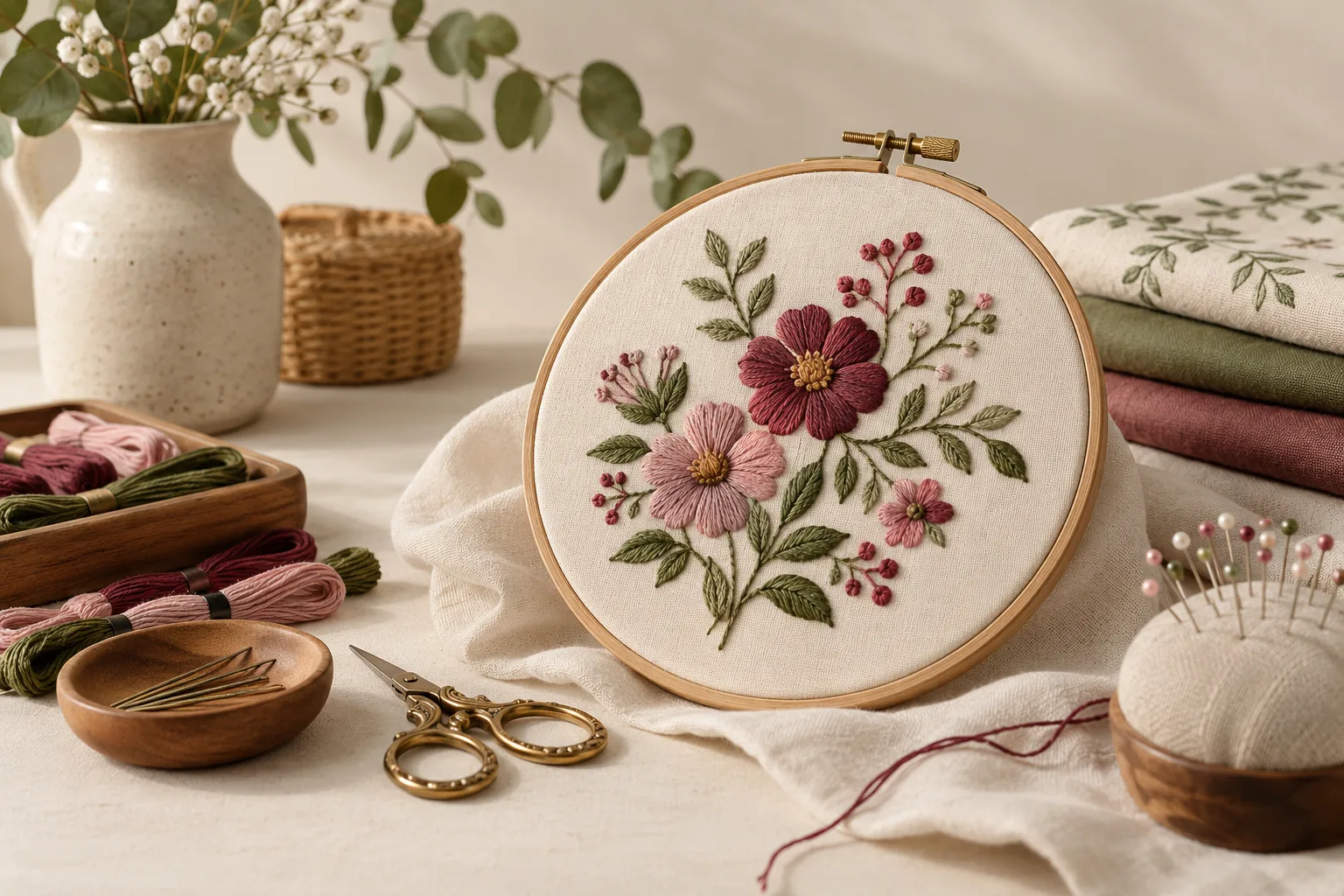
What digital marketing means
Digital marketing is the combined work of search, social media, advertising and website channels running together rather than as separate projects with separate people. GullySales runs these as one connected system so a change in one channel, such as a new offer, is reflected everywhere at once.
Also for embroidery, knitting and haberdashery shops
- Buyer personas for embroidery, knitting and haberdashery shops
- Lead generation for embroidery, knitting and haberdashery shops
- SEO for embroidery, knitting and haberdashery shops
- Local SEO for embroidery, knitting and haberdashery shops
- Social media marketing for embroidery, knitting and haberdashery shops
- Content marketing for embroidery, knitting and haberdashery shops
- CRM for embroidery, knitting and haberdashery shops
- Follow-up systems for embroidery, knitting and haberdashery shops
Sales and marketing for embroidery, knitting and haberdashery shops, the overview.
Last updated 14 Nov 2026.
For embroidery, knitting and haberdashery shops
Where it usually goes wrong, and what we would do.
“Local first”
Your buyers live near the lane and walk in or send a helper, so the reach of the shop is a few streets and the towns that order by chat. Map results and chat serve them best, so a haberdashery shop should set these up before any wider campaign.
“Trade and hobby differ”
Tailors ask on chat and call during market hours, while hobbyists look for ideas on Instagram and search for kits. One message and one channel will not reach both, so the mix should follow the buyer.
“Seasons shape the mix”
Wool peaks as the cold starts, and festive trims, zari and lace peak before the wedding and festival seasons. The online mix should lean to these items at the right time and rest in the quiet weeks.
“Marketplaces are a dependency”
Marketplaces bring orders but keep the buyer's details and set the margins. Use them if they suit a line, and keep your own chat list and map profile so the repeat buyer comes straight to you.
What we do
What we deliver for embroidery, knitting and haberdashery shops.
The work available for this need. We agree the deliverables and responsibilities for your engagement in writing.
A channel choice
A written choice of channels for each buyer type, with the reason for each and the ones left out for now.
Result: You spend where buyers actually look.
A baseline
A record of the enquiries, walk-ins and orders the shop receives now and where buyers say they heard of you.
Result: Progress is measured against facts.
Core set-up
A map profile, a business catalogue and a chat account, each checked and consistent with the others.
Result: The basics are in place.
A season calendar
Posts and messages planned around wool season, wedding trims and festive zari, tied to the stock you will hold.
Result: The shop is ready before the rush.
A report
Enquiries and orders set out by source, written so the owner can read it without a dashboard.
Result: Facts guide the next step.
How the result is measured
- Enquiries across channels
- Cost per enquiry overall
- Channel mix by contribution
Recorded as a baseline before work starts, so every later report has an honest comparison.
Searches your buyers type
The searches a haberdashery should answer online first.
- haberdashery shop near me
- A map listing with the lane, the hours and the item groups. It serves the nearby tailor or hobbyist who needs something today.
- wholesale lace and zari supplier
- A trade page with the item groups, the minimum lot and a way to ask for rates, for boutiques buying in volume.
- buy knitting wool before winter
- A seasonal page for wool shades and weights, set up before the cold season and taken down when stock ends.
- craft kits for school activity
- A page for group buyers with the kits, the batch size and the bill terms a school office needs.
- embroidery classes in my area
- A page for classes if the shop runs them, with the level, the days and the materials fee.
- machine embroidery design files
- A page for design file sales, if stocked, with the formats supported and the machine types.
Who it is for
This is written for these embroidery, knitting and haberdashery shops.
- Wholesale haberdashery shops supplying tailors and boutiques
- Zari, lace and trimming merchants for bridal and ethnic wear
- Embroidery thread, beads and sequin suppliers for workshops
- Knitting wool and needle shops for hobbyists and winter-wear makers
- Craft kit sellers for schools and weekend hobbyists
- Button, zip and sewing accessory stores near tailoring clusters
- Machine embroidery supply and design file sellers
- Cross-stitch, crochet and macramé specialist shops
- Shops that also run classes in embroidery, crochet and knitting
Before you decide
When this may not be the right fit.
- The shop cannot restock the items it would advertise, and online interest would meet an empty shelf
- You wish to depend on a marketplace for all sales and have no plan for your own customers
Before you decide
Agree the work. Know how to judge it.
Digital marketing for embroidery, knitting and haberdashery shops: use these checks to prepare, choose the scope, and review what changes.
Bring the right evidence
Bring a recent won order and an enquiry that went nowhere. Trace how each buyer found you, what they asked, and who handled the next step. A channel list alone will not explain the difference.
Make the scope clear
Choose one offer and one buyer group first. Agree which part needs attention: being found, getting a useful enquiry, or turning an enquiry into an order. Separate recommendations from the work required to carry them out.
Check the work in use
A useful plan names the first change, its owner, the evidence behind it, and the number that will show whether it worked. Ask what has deliberately been left out and why.
Know when to change course
If your team cannot answer the enquiries it already receives, improve that handover before buying more traffic. If the offer itself is unclear, test it with buyers before adding channels.
These are discussion points, not a fixed package. GullySales confirms the deliverables, responsibilities, fee, and term in writing after reading your brief and speaking with you.
Before we start
What to have ready before the work starts.
The records, access and decisions this work needs from embroidery, knitting and haberdashery shops. Anything missing is noted in the written scope, with who will supply it.
- Your bill book or sales sheet
- The baseline depends on what you actually sell. Photograph a sample of bills. Without them, the starting figures rely on memory. Even a week of bills tells us how the shop sells on a plain day and a festival day.
- A note of marketplaces you depend on
- If you sell through an online marketplace, tell us which one and roughly how much of your sales it brings. It affects the mix, because a shop that depends on a marketplace needs its own map and chat presence as a safeguard. If you sell nowhere online, we plan on that basis.
- Logins for map profile and social accounts
- We need to set up and manage these in the shop's name. Provide admin access. If an old agency holds them, we first arrange the transfer. If the passwords are with a staff member who left, tell us at once, so we can plan a recovery.
- A person to take photographs
- Someone at the shop must photograph new stock. Name them. Without a person, the calendar cannot be kept. They also need to know which items are worth showing and which are routine stock.
- A decision on budget for paid reach
- If you want paid advertising, set a limit. If not, say so. We do not plan paid work without your decision. A paid reach limit also tells us whether the plan should include the festival trim season.
How it works
How the digital marketing work runs
The work itself, in order. How an engagement starts, from your brief to a written scope, is set out on our method page.
- 1
Sit at the counter for a market day
We spend a market day at the shop watching who comes, who messages and what they ask. You tell us which of those buyers you want more of. The step ends with a written picture of your trade and hobby buyers and where they find you. We also note which hours the lane is busiest and which are quiet, since chat and map effort should follow the same pattern.
- 2
Take a baseline from the bill book
We note, from your bills and chat, the current number of walk-ins, repeat trade orders, chat enquiries and class bookings in a typical period. You correct our reading. These become the starting figures against which later work is judged. If the shop runs classes, bookings for them are counted as a separate line, since a class buyer is a different customer.
- 3
Choose the mix of map, search, social and chat
A small shop cannot do everything. We propose a mix, such as the map profile and chat first, then a few item pages, then social posts, and you choose what you can keep up. We write down what is not being done and why. The reasons for leaving a channel out are written in the plan, so it can be picked up later if the shop has time.
- 4
Set up the core pieces
We build the map profile, a short set of item pages and a business chat account, and agree the entry points to the counter. Your staff are shown the replies and the enquiry record. Each piece is approved by you before it is shown. Counter staff practise the chat replies and the way to log an enquiry, so the pieces work together from the first day.
- 5
Build the season calendar
We plan around winter wool, festival trims and class openings, marking when stock is photographed and when messages go out. You confirm the dates and tell us when stock actually lands. The calendar is kept where counter staff can see it. Months when the lane is slow are used to photograph stock and prepare the next season's posts.
- 6
Read one report with you
We bring map calls, item page visits, chat enquiries and repeat orders into one page, set against the starting figures, and go through it with you at the counter. You decide what to continue, change or stop. The report is written in the shop's own terms: walk-ins, repeat orders, chats and class bookings, not reach or impressions.
Where this fits
Three pieces of sales work, in this order.
This work sits inside sales process design, at stage 0, foundation. The audit comes before it, and sales management keeps it running.
Step 1
Sales audit
Find where deals are being lost and what to fix first.
Start here if you cannot say where orders are lost.
Step 2 · you are here
Sales process design
One written way to sell, from first enquiry to repeat order.
Start here if every salesperson sells differently.
Step 3
Sales management
A target, a review routine and someone who owns the number.
Start here if the team has targets and no routine.
FAQ
Questions owners ask before they call.
Not here? More answers, or ask on WhatsApp.
What budget do I need?
Do you run ads?
Can you promise sales?
What should a small haberdashery do online before anything else?
Will digital marketing replace the footfall in the lane?
Who does the work and who pays for platforms?
How long is the contract?
How soon will we see results?
What do you need from us?
What if we are not happy with the work?
More for embroidery, knitting and haberdashery shops
Related work to consider.
Closest to this: strategy and research
Also for embroidery, knitting and haberdashery shops
- Lead generation for embroidery, knitting and haberdashery shops
- SEO for embroidery, knitting and haberdashery shops
- Local SEO for embroidery, knitting and haberdashery shops
- Social media marketing for embroidery, knitting and haberdashery shops
- Content marketing for embroidery, knitting and haberdashery shops
- CRM for embroidery, knitting and haberdashery shops
Or start from the overview: sales and marketing for embroidery, knitting and haberdashery shops.
Your next practical step
Tell us what you are trying to grow, and we will read it before we call.
Eight short steps, mostly taps. Skip anything you would rather answer on the call.