Embroidery, knitting and haberdashery shops · Follow up systems
Follow up each quote, held item and enquiry until it becomes an order.
A follow-up system for a haberdashery shop is the set of messages that move a price enquiry or a held item to a sale. GullySales writes the steps and assigns them.
Scope, fee, reporting and term are agreed in writing after we have read your brief and spoken to you.
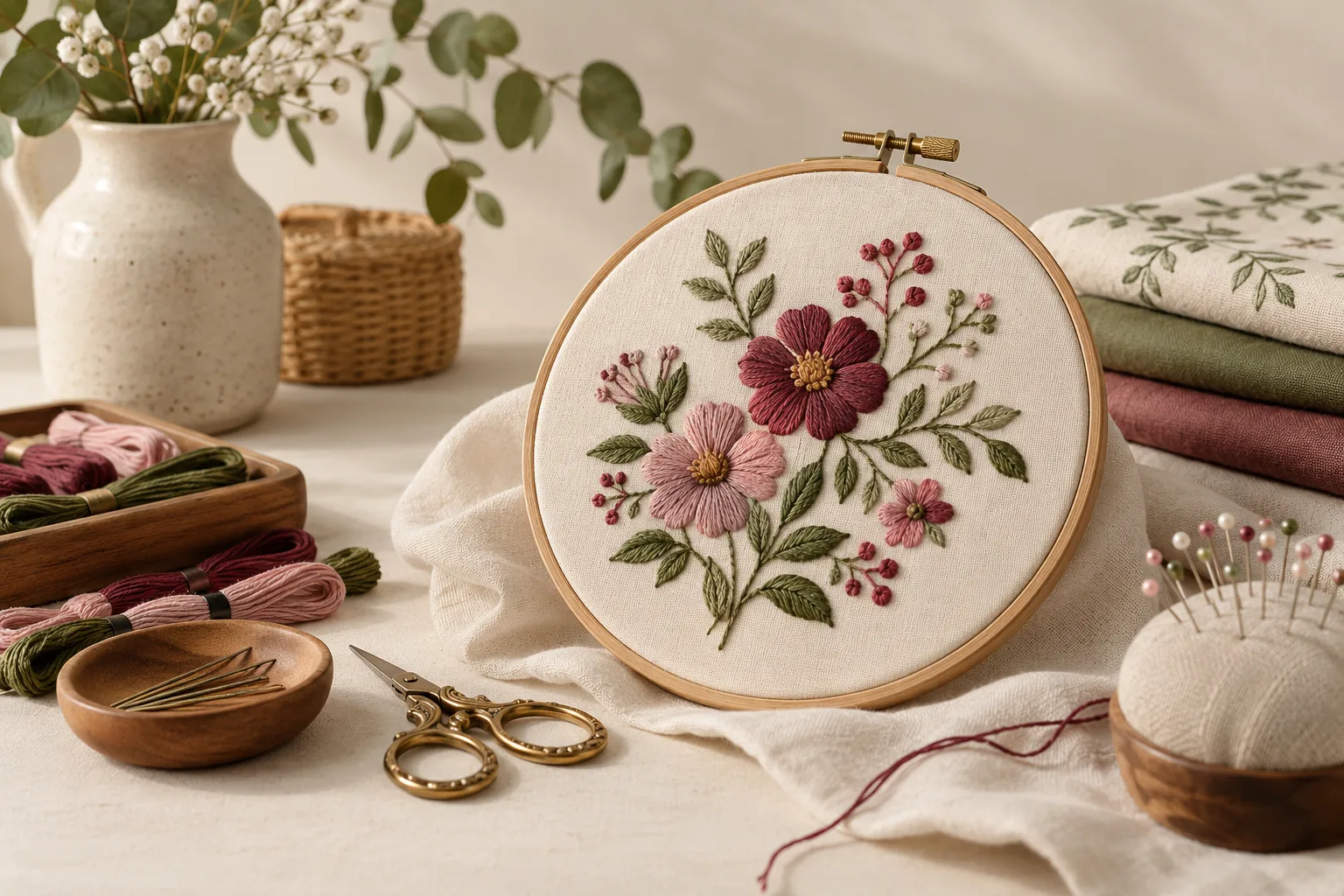
What follow up systems means
A follow-up system is the set routine for calling, messaging or emailing an enquiry more than once, since most buyers do not decide on the first conversation. GullySales sets the number and timing of follow-ups so an undecided buyer keeps hearing from you until they decide either way.
Also for embroidery, knitting and haberdashery shops
- Lead generation for embroidery, knitting and haberdashery shops
- CRM for embroidery, knitting and haberdashery shops
- SEO for embroidery, knitting and haberdashery shops
- Local SEO for embroidery, knitting and haberdashery shops
- Social media marketing for embroidery, knitting and haberdashery shops
- Content marketing for embroidery, knitting and haberdashery shops
- Buyer personas for embroidery, knitting and haberdashery shops
- WhatsApp marketing for embroidery, knitting and haberdashery shops
Sales and marketing for embroidery, knitting and haberdashery shops, the overview.
Last updated 14 Nov 2026.
For embroidery, knitting and haberdashery shops
Where it usually goes wrong, and what we would do.
“A held item is a promise”
A length of lace kept aside for a boutique expires if nobody calls. A message that names the item and sets a date to collect keeps the promise real, and frees the stock if the buyer does not come.
“A price on WhatsApp goes quiet”
A buyer reads the rate on WhatsApp and moves on. A question about quantity or use keeps the chat alive and lets the shop suggest the right reel size, the matching trim or a closer shade.
“A kit enquiry needs a sample”
A teacher or workshop organiser asking about kits wants to see one before deciding. A follow-up that offers a sample to inspect, with a pickup time, turns a polite enquiry into an order.
“A no is a note”
A buyer who declined because of price has told you the range they need. Noting that reason, and the item they declined, shapes the next quote and the stock you choose to carry.
What we do
What we deliver for embroidery, knitting and haberdashery shops.
The work available for this need. We agree the deliverables and responsibilities for your engagement in writing.
A quote follow-up
Messages sent after a price is shared, asking about quantity, shade and pickup, with one reminder if no reply arrives.
Result: Quotes get an answer, yes or no.
A held-item reminder
A note on the collection day for stock kept aside, with a clear line saying when the item returns to the shelf.
Result: Held stock is sold or released.
A kit enquiry sequence
Steps from the first enquiry to a sample, a bulk quote and an order, written for teachers and workshop organisers.
Result: Teachers hear from you again.
A lost-sale log
A short record of the reason each enquiry did not close: price, shade, stock or timing.
Result: You see what to change.
Task ownership
A named person for each step, with a check at closing that no enquiry from the day has been left without a next step.
Result: Nothing is dropped between staff.
How the result is measured
- Follow-up completion rate
- Average number of follow-ups before close
- Enquiries closed after repeat follow-up
Recorded as a baseline before work starts, so every later report has an honest comparison.
What to capture or send
The moments in a haberdashery sale that need a note or a message.
- A rate sent on WhatsApp
- Record the item, the quantity and the rate, with the date for the next message. A price that goes quiet is lost to the next shop.
- An item held for a buyer
- Write the item, the shade and the buyer's name on the shelf slip and the record. Message the buyer when the hold is near its end.
- A kit enquiry
- Record the craft and the level. Send a photograph of the kit contents and offer a sample piece if the buyer is unsure.
- A shade out of stock
- Note the buyer and the shade. When the lot returns, message that buyer first.
- A regular who has gone quiet
- Spot it from the last order date. A short message asking what they need for the coming season brings them back.
- A buyer who said no
- Write the reason in a few words: price, shade or stock. The note shapes the next offer, and a no is not a closed door.
Who it is for
This is written for these embroidery, knitting and haberdashery shops.
- Wholesale haberdashery shops supplying tailors and boutiques
- Zari, lace and trimming merchants for bridal and ethnic wear
- Embroidery thread, beads and sequin suppliers for workshops
- Knitting wool and needle shops for hobbyists and winter-wear makers
- Craft kit sellers for schools and weekend hobbyists
- Button, zip and sewing accessory stores near tailoring clusters
- Machine embroidery supply and design file sellers
- Cross-stitch, crochet and macramé specialist shops
- Shops that also run classes in embroidery, crochet and knitting
Before you decide
When this may not be the right fit.
- Staff cannot be spared from the counter to send a message, and reminders would pile up unread
- You do not hold the stock you would offer, and a follow-up would chase a buyer for an item you cannot supply
Before you decide
Agree the work. Know how to judge it.
Follow-up systems for embroidery, knitting and haberdashery shops: use these checks to prepare, choose the scope, and review what changes.
Bring the right evidence
Trace recent enquiries from arrival to the last recorded action. Include a won enquiry, an unsuitable one, and one that went quiet, with personal details removed for the initial discussion.
Make the scope clear
Agree who accepts each enquiry, what makes it qualified, and how ownership changes. Include a rule for missed replies and a clear reason for closing an enquiry.
Check the work in use
Pick an enquiry at random and ask the team to find its owner, latest conversation, and next action. Check that the record agrees with what actually happened.
Know when to change course
If no one has capacity to respond, assign that responsibility before buying more leads. Automation can support the owner, but it cannot replace an unresolved handover.
These are discussion points, not a fixed package. GullySales confirms the deliverables, responsibilities, fee, and term in writing after reading your brief and speaking with you.
Before we start
What to have ready before the work starts.
The records, access and decisions this work needs from embroidery, knitting and haberdashery shops. Anything missing is noted in the written scope, with who will supply it.
- Your chat history with price enquiries
- We need to see the chats where a rate was given and the buyer went quiet. Screenshots are enough. Without them we write from general knowledge, which is weaker. Chats with buyers who later bought are as useful as those who did not.
- A rule on how long to hold stock
- A held item locks stock. Decide how long you will keep it and whether you ask for an advance. Without a rule, held items accumulate.
- A name for each type of follow-up
- Someone must own held items, someone quotes and someone kits. Choose names. Without them, each waits on the other. Where the owner takes quotes for large trade orders, say so, since those chats need a different routine.
- Sample items for kit enquiries
- A kit enquiry moves when the buyer can see or touch a sample. Keep a sample of each kit. Without samples, the reply relies on photographs alone. A basket of small kits kept near the counter lets staff show instead of describe.
- A place to write the reason for a no
- A notebook or a column is enough. Staff must use it. Without it, the lost-sale log is empty and the same mistakes repeat. Every reason is worth a line, including that the buyer found it cheaper in the next lane.
How it works
How the follow up systems work runs
The work itself, in order. How an engagement starts, from your brief to a written scope, is set out on our method page.
- 1
List every held item and open price
We start with what is sitting on your shelf or in your chats: items set aside for a buyer, rates quoted by message and kit enquiries awaiting a sample. You tell us who each belongs to and when it was last discussed. The step ends with an open list for the follow-up. Items held for more than one buyer, or held without a name on the slip, are marked so they can be settled first.
- 2
Sort them into promise, quote and sample
A held item is a promise to the buyer, a quote is an offer, and a kit enquiry needs a sample. We sort the list under those three heads, because each needs a different message. You confirm which belong to trade buyers and which to hobbyists. Trade buyers who hold an account are listed apart from cash buyers, because a reminder to a tailor reads differently from one to a hobbyist who bought wool for a single sweater.
- 3
Write the held-item reminder
We write a short message for a buyer whose item has been held, naming the item and asking whether to keep it. You decide how long you will hold stock and what you say when you release it. Counter staff use the message in their own voice. The message also tells the buyer what happens to the item when no reply comes, so a release is never a surprise at the counter.
- 4
Write the quote and kit enquiry replies
We write the follow-up for a quote sent on chat and the sample route for a kit enquiry, including the photograph that goes with it. Your staff check the rates and the kit contents. Each message ends with one clear question. For a kit enquiry the reply names what is in the kit, which needle or hook it needs and whether a sample piece can be seen at the shop.
- 5
Assign tasks and keep a lost-sale log
Each open item is given to a named person with a date, and a log records why a sale was lost: price, shade, quantity or timing. You check that nobody is left holding too much at once. The log becomes the place where a no is noted.
- 6
Read the log against the starting list
After the routine has run, we compare held items collected, quotes answered and kit enquiries converted with the open list we began with. You and your staff decide what to change in the messages and who owns each type. We also read the lost-sale log for repeated reasons, such as a shade that keeps being asked for and never stocked, and pass that to you as a buying decision.
Where this fits
Three pieces of sales work, in this order.
This work sits inside sales process design, at stage 2, qualification. The audit comes before it, and sales management keeps it running.
Step 1
Sales audit
Find where deals are being lost and what to fix first.
Start here if you cannot say where orders are lost.
Step 2 · you are here
Sales process design
One written way to sell, from first enquiry to repeat order.
Start here if every salesperson sells differently.
Step 3
Sales management
A target, a review routine and someone who owns the number.
Start here if the team has targets and no routine.
FAQ
Questions owners ask before they call.
Not here? More answers, or ask on WhatsApp.
What is a fair number of reminders?
Calls or messages?
Can reminders be automated?
Is it better to follow up by call or by message?
Should I remind a buyer who owes credit?
What if a buyer says no?
How much does it cost?
How long is the contract?
How soon will we see results?
Who will actually do the work?
More for embroidery, knitting and haberdashery shops
Related work to consider.
Closest to this: leads and follow-up
Also for embroidery, knitting and haberdashery shops
- SEO for embroidery, knitting and haberdashery shops
- Local SEO for embroidery, knitting and haberdashery shops
- Social media marketing for embroidery, knitting and haberdashery shops
- Content marketing for embroidery, knitting and haberdashery shops
- Buyer personas for embroidery, knitting and haberdashery shops
- WhatsApp marketing for embroidery, knitting and haberdashery shops
Or start from the overview: sales and marketing for embroidery, knitting and haberdashery shops.
Your next practical step
Tell us what you are trying to grow, and we will read it before we call.
Eight short steps, mostly taps. Skip anything you would rather answer on the call.