Embroidery, knitting and haberdashery shops · WhatsApp marketing
Send shade photographs and rates on chat, and hold the order for the buyer.
WhatsApp marketing for a haberdashery shop uses chat for shade photographs, rates, held items and new arrivals. GullySales works on the catalogue, the replies and the lists.
Scope, fee, reporting and term are agreed in writing after we have read your brief and spoken to you.
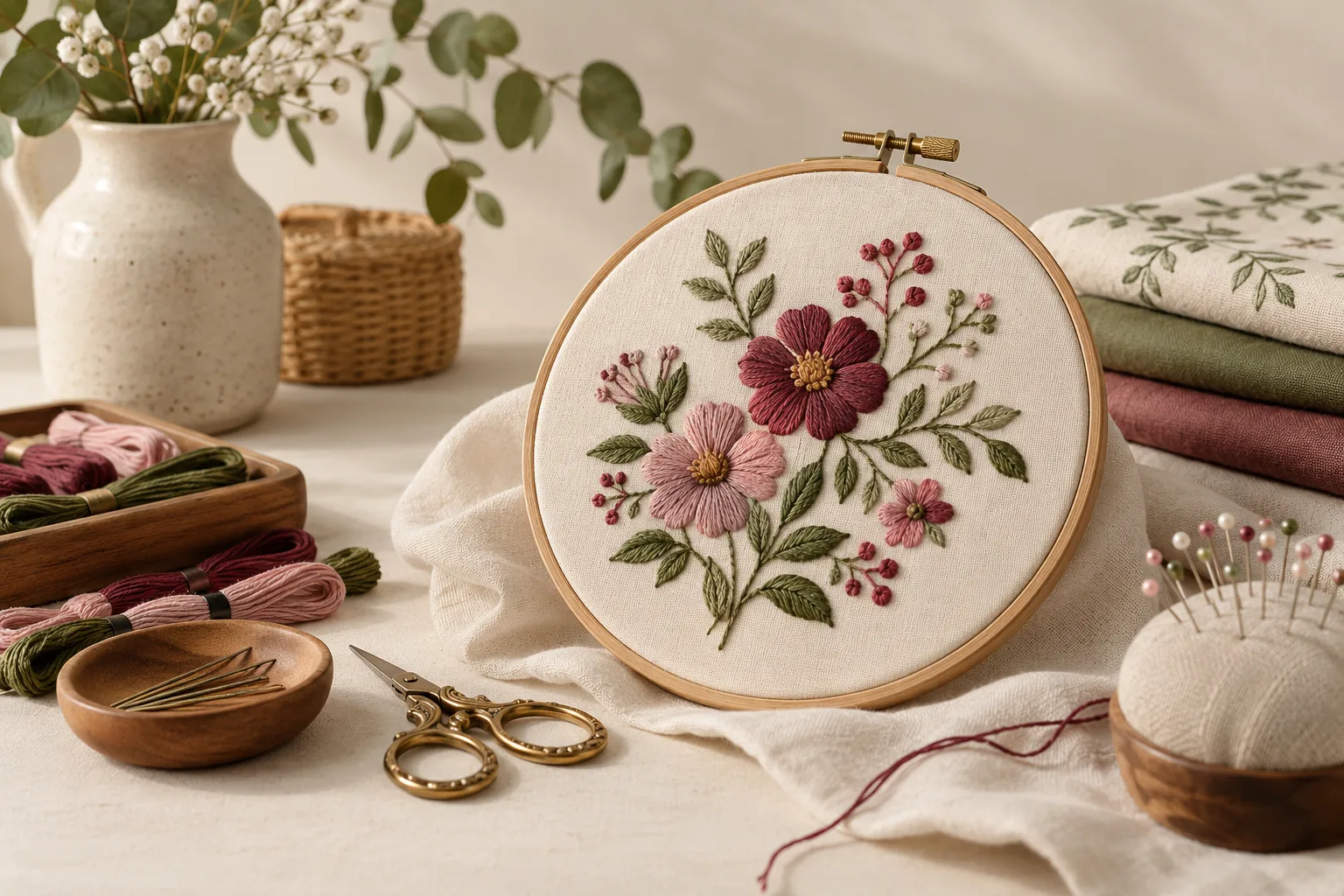
What WhatsApp marketing means
WhatsApp marketing is sending updates, offers and reminders to customers on the app most Indian buyers already check daily. GullySales sets up business WhatsApp, writes the message templates and keeps the list consented and current.
Also for embroidery, knitting and haberdashery shops
- Lead generation for embroidery, knitting and haberdashery shops
- SEO for embroidery, knitting and haberdashery shops
- Local SEO for embroidery, knitting and haberdashery shops
- Social media marketing for embroidery, knitting and haberdashery shops
- Content marketing for embroidery, knitting and haberdashery shops
- Buyer personas for embroidery, knitting and haberdashery shops
- CRM for embroidery, knitting and haberdashery shops
- Follow-up systems for embroidery, knitting and haberdashery shops
Sales and marketing for embroidery, knitting and haberdashery shops, the overview.
Last updated 14 Nov 2026.
For embroidery, knitting and haberdashery shops
Where it usually goes wrong, and what we would do.
“Buyers ask with a photo”
A tailor sends a photograph of a button or a lace and asks for a match. A prompt reply with a photograph of the closest match from your shelf, and a rate, wins the sale before the buyer asks the next shop.
“Catalogues for small items need grouping”
Thousands of items cannot all be listed in a business catalogue. Groups such as zari lace, blouse hooks, wool and kits, plus best sellers inside each, keep the catalogue readable and the buyer scrolling.
“Lists need permission”
Contacts should agree before they receive broadcasts, and the platform sets its own rules on business messages. Check the platform's current rules, record how each contact agreed and honour a request to stop.
“Voice notes carry orders”
A trade buyer may speak an order into a voice note while walking. Reply by confirming the items, shades and quantities in text, so the buyer can correct a mistake before the helper cuts the lace.
What we do
What we deliver for embroidery, knitting and haberdashery shops.
The work available for this need. We agree the deliverables and responsibilities for your engagement in writing.
A business catalogue
Item groups and best sellers with photographs, shade names and rates, set up inside the business app.
Result: Buyers browse your stock in chat.
Saved replies
Ready answers for price, stock, shade availability and pickup, written in the language the buyer uses.
Result: Questions get consistent answers.
Lists by buyer type
Separate trade, hobby and teacher lists, each with a record of agreement to receive messages.
Result: Messages stay relevant to the reader.
An order confirmation note
A short text repeating each order's items, shades and quantities, sent before the order is cut or packed.
Result: Errors in orders fall.
Arrival broadcasts
New lots of wool, zari or kits sent to those who agreed, with a photograph and a line on how to ask for a price.
Result: Buyers hear of arrivals from the shop.
How the result is measured
- Messages delivered
- Reply rate
- Enquiries from WhatsApp
Recorded as a baseline before work starts, so every later report has an honest comparison.
What to capture or send
The WhatsApp messages a haberdashery sends, and what each should record.
- Reply to a shade photograph
- Match the shade from the shelf, send a photograph in daylight with the number, the price and the stock. Record the buyer and the shade.
- Catalogue of a small item group
- Send a group at a time, such as buttons or lace, not the whole stock. Note which group each buyer asked for.
- Held item reminder
- A short message with the item, the shade and the last day of the hold, sent to the buyer who asked.
- Voice note order from a tailor
- Write the items and quantities from the note into the record and read them back in a reply, so a wrong shade is caught before it is packed.
- Restock news for a shade
- Sent only to those who asked for it. It turns a past miss into a sale.
- Opt-in at the counter
- Ask the buyer if they want offers and record the answer. A number given for a bill is not an agreement to messages.
Who it is for
This is written for these embroidery, knitting and haberdashery shops.
- Wholesale haberdashery shops supplying tailors and boutiques
- Zari, lace and trimming merchants for bridal and ethnic wear
- Embroidery thread, beads and sequin suppliers for workshops
- Knitting wool and needle shops for hobbyists and winter-wear makers
- Craft kit sellers for schools and weekend hobbyists
- Button, zip and sewing accessory stores near tailoring clusters
- Machine embroidery supply and design file sellers
- Cross-stitch, crochet and macramé specialist shops
- Shops that also run classes in embroidery, crochet and knitting
Before you decide
When this may not be the right fit.
- The shop number is on a phone that the owner carries away at closing, and no one else can reply to buyers
- You want to send the same list to everyone in your contacts, and buyers would mute the shop
Before you decide
Agree the work. Know how to judge it.
WhatsApp marketing for embroidery, knitting and haberdashery shops: use these checks to prepare, choose the scope, and review what changes.
Bring the right evidence
Describe how the contact list was collected, what people asked to receive, and which messages are currently sent. Include opt-outs and replies when reviewing campaign performance.
Make the scope clear
Agree the audience, message purpose, sending system, and response owner. Separate promotional communication from order or service updates, and check current platform requirements before launch.
Check the work in use
Test the message with a small appropriate audience before wider use. Check links, reply handling, opt-outs, and whether the response leads to a relevant conversation or order.
Know when to change course
Do not use an unexplained contact list as a shortcut to demand. If recipients do not expect the message, resolve the permission and relevance questions before sending.
These are discussion points, not a fixed package. GullySales confirms the deliverables, responsibilities, fee, and term in writing after reading your brief and speaking with you.
Before we start
What to have ready before the work starts.
The records, access and decisions this work needs from embroidery, knitting and haberdashery shops. Anything missing is noted in the written scope, with who will supply it.
- A shop number kept for the business
- Use a number that belongs to the shop and will not change with staff. If chats sit on personal phones, we plan the move. Without a shop number the catalogue has no home. Staff should be told that the number is the shop's, not theirs.
- Photographs of each item group
- The catalogue needs a clear picture per group. Daylight photographs are best. Without them, entries are text only. A short caption on each, naming the item and sizes, lets the catalogue read well on a small screen.
- A list of buyers who have asked for updates
- Only buyers who agreed should get arrival messages. Collect the names and how they agreed. With none, the first list is built at the counter. Even a page of names with a note on when each asked is acceptable.
- A person for voice notes
- Voice notes carry orders, and someone must listen to each one and write the item, shade and quantity into the order note. Name that person and say where the notes are kept. Without a named listener, orders sit unheard on a phone and a buyer waits for a reply that never comes.
- A decision on payments in chat
- Decide whether you take payment by transfer or only at the counter. The order note will say so. If undecided, it says to confirm at the counter. Tell us also whether you will deliver by courier, so the note can say when items are collected or sent.
How it works
How the whatsapp marketing work runs
The work itself, in order. How an engagement starts, from your brief to a written scope, is set out on our method page.
- 1
Read how buyers already write to the shop
We look at the chats on the shop's number and on staff phones, noting the photographs buyers send, the voice notes with orders and the questions about shade and rate. You tell us which numbers are used for the shop. The step ends with a list of the common requests the business account must handle. We also mark which chats led to an order and which stalled, so the saved replies are written for the questions that matter.
- 2
Choose between the app and the API
We explain what the free business app does and what the paid interface adds, in terms of staff, volume and routing. You decide by how many people answer the number. Check the platform's current rules and charges before deciding, since both change.
- 3
Group the catalogue by item type
Small items such as buttons and beads cannot be listed one by one, so we group them by type and size, with a photograph and a note of the shades. Your staff check each group against stock. You approve the catalogue before it is shown to buyers. Each group carries the sizes, the shade names in words and a note on the minimum quantity for trade buyers.
- 4
Write saved replies and the order note
We write replies for the questions that come up again and again: rate, shade available, minimum quantity and visiting hours. We also write an order confirmation note that repeats the item, the shade and the quantity set aside. You read both sets aloud at the counter and change any sentence that does not sound like your shop.
- 5
Build lists by buyer kind with permission
We build separate lists for tailors, boutiques, hobbyists and teachers, using only numbers of people who have dealt with the shop. You note how each came. Arrival messages go only to a list that suits them. Each list has its own purpose: tailors hear about buttons, zips and hooks, boutiques about lace and zari, and hobbyists about wool and kits.
- 6
Test the routing, then read the chats
We send test messages and voice notes through each route, check that the right person receives them, and then release. Later we compare chats, orders and repeat buyers with the figures recorded at the start, and you decide what to change. The test includes a photograph of a button sent for matching, to see that the right person gets it and replies with a shade name.
Where this fits
Three pieces of sales work, in this order.
This work sits inside sales process design, at stage 0, foundation. The audit comes before it, and sales management keeps it running.
Step 1
Sales audit
Find where deals are being lost and what to fix first.
Start here if you cannot say where orders are lost.
Step 2 · you are here
Sales process design
One written way to sell, from first enquiry to repeat order.
Start here if every salesperson sells differently.
Step 3
Sales management
A target, a review routine and someone who owns the number.
Start here if the team has targets and no routine.
FAQ
Questions owners ask before they call.
Not here? More answers, or ask on WhatsApp.
Can I send to everyone?
Do I need the paid API?
Who answers?
Who should answer the shop's WhatsApp number?
Can I send photographs of new stock to a list?
What if a staff member leaves with the number?
How much does it cost?
How long is the contract?
How soon will we see results?
Who will actually do the work?
More for embroidery, knitting and haberdashery shops
Related work to consider.
- Lead generation for embroidery, knitting and haberdashery shops
- SEO for embroidery, knitting and haberdashery shops
- Local SEO for embroidery, knitting and haberdashery shops
- Social media marketing for embroidery, knitting and haberdashery shops
- Content marketing for embroidery, knitting and haberdashery shops
- Buyer personas for embroidery, knitting and haberdashery shops
Or start from the overview: sales and marketing for embroidery, knitting and haberdashery shops.
Your next practical step
Tell us what you are trying to grow, and we will read it before we call.
Eight short steps, mostly taps. Skip anything you would rather answer on the call.