Embroidery, knitting and haberdashery shops · Lead generation
Find the tailors, boutiques and hobbyists who buy thread, lace and wool again and again.
Lead generation for a haberdashery shop means reaching the trade buyers and craft makers whose work needs your stock month after month. GullySales works on where those buyers look, how a first enquiry is recorded and how a shade or a trim is held for the repeat order.
Scope, fee, reporting and term are agreed in writing after we have read your brief and spoken to you.
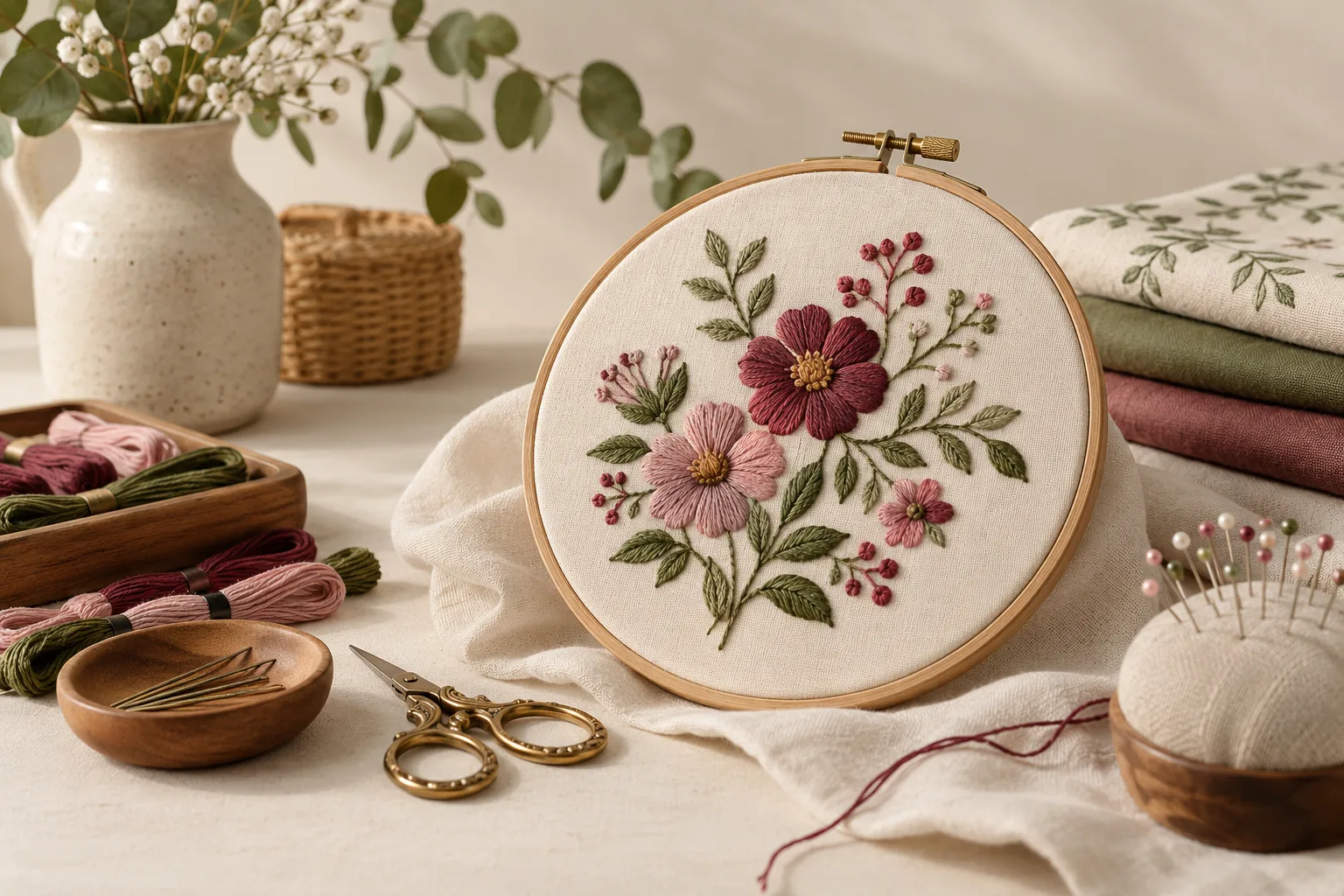
What lead generation means
Lead generation is the combined work of every channel that brings in a new enquiry, whether from search, adverts, referrals or a stall at an exhibition. GullySales runs these channels together and reports the number of enquiries each one produced, not the activity behind it.
Also for embroidery, knitting and haberdashery shops
- CRM for embroidery, knitting and haberdashery shops
- Follow-up systems for embroidery, knitting and haberdashery shops
- SEO for embroidery, knitting and haberdashery shops
- Local SEO for embroidery, knitting and haberdashery shops
- Social media marketing for embroidery, knitting and haberdashery shops
- Content marketing for embroidery, knitting and haberdashery shops
- Buyer personas for embroidery, knitting and haberdashery shops
- WhatsApp marketing for embroidery, knitting and haberdashery shops
Sales and marketing for embroidery, knitting and haberdashery shops, the overview.
Plan the next part of the work
Last updated 21 Nov 2026.
For embroidery, knitting and haberdashery shops
Where it usually goes wrong, and what we would do.
“A boutique owner buys the same lace again”
A boutique that found a lace for one bridal set will want the same lace for the next. The shop that remembers the pattern and sets aside the length wins the standing account; the shop that cannot find it loses the buyer.
“Tailors in a cluster talk to each other”
One tailor in a lane tells the next where the good zips and buttons are. A recorded referral, with a thank-you message, is worth more than a banner.
“Hobbyists arrive through classes and groups”
A woman learning crochet from a neighbour, or a teacher setting up a class, buys wool, hooks and patterns together. Craft groups, school teachers and class organisers are leads to be listed by name.
“Winter wool is a short window”
Wool buyers search when the cold begins and drift away after. A list of last year's wool buyers, messaged at the right time, brings them back before they choose elsewhere.
What we do
What we deliver for embroidery, knitting and haberdashery shops.
The work available for this need. We agree the deliverables and responsibilities for your engagement in writing.
A buyer type list
Tailors, boutiques, bridal workshops, hobbyists, teachers and schools, each with how they look for stock.
Result: You know which buyer deserves the next shelf of stock.
An enquiry record with the item
Each enquiry logged with the buyer, the item, the shade and the quantity.
Result: A repeat order can be matched to the earlier one.
A trade-buyer approach pack
A short catalogue and price sheet with sample photographs for tailors and boutiques.
Result: A boutique has a reason to reply.
Craft group and class contacts
A list of teachers, classes and women's groups near you, with a first message for each.
Result: Hobby buyers hear of the shop through people they trust.
A winter-wool reminder list
Past wool buyers listed with a message ready before the cold sets in.
Result: Last season's buyers are asked first.
How the result is measured
- Relevant enquiries by source
- Duplicate and unsuitable enquiries
- Time to the first response
- Accepted enquiries reaching an agreed next step
Recorded as a baseline before work starts, so every later report has an honest comparison.
What to capture or send
What a haberdashery counter should write down about a buyer who may return.
- Trade or hobby, in one word
- Asked by whoever serves the buyer. A tailor who buys reels by the dozen and a hobbyist who buys one ball of wool need different follow-ups.
- Item and shade bought
- The lace, zari or wool lot, with the shade number or a photograph. It lets you call when the same lot comes in again.
- Cluster or lane where the tailor works
- Noted at the first bill. Tailors in one lane talk to each other, so one regular can lead to the next.
- Class or group the hobbyist belongs to
- Asked once at the counter. Craft groups and classes buy together, and a teacher's list can bring a whole batch.
- Season of the buyer's work
- Wedding season for a bridal boutique, winter for a knitter. Record it so the call comes before the rush, not during it.
- Item asked for and not stocked
- Written the moment it is asked. A short list of misses tells you what to bring in and whom to call when it arrives.
Who it is for
This is written for these embroidery, knitting and haberdashery shops.
- Wholesale haberdashery shops supplying tailors and boutiques
- Zari, lace and trimming merchants for bridal and ethnic wear
- Embroidery thread, beads and sequin suppliers for workshops
- Knitting wool and needle shops for hobbyists and winter-wear makers
- Craft kit sellers for schools and weekend hobbyists
- Button, zip and sewing accessory stores near tailoring clusters
- Machine embroidery supply and design file sellers
- Cross-stitch, crochet and macramé specialist shops
- Shops that also run classes in embroidery, crochet and knitting
Before you decide
When this may not be the right fit.
- You have no one at the counter to write down a name, and a lead sheet would stay empty
- Your stock is held by the wholesaler, and you cannot promise a buyer the item they asked for
Before you decide
Agree the work. Know how to judge it.
Lead generation for embroidery, knitting and haberdashery shops: use these checks to prepare, choose the scope, and review what changes.
Bring the right evidence
Define the organisations or buyers you can serve and the reasons they would consider a conversation. Bring examples of accepted and rejected prospects so the selection rule is visible.
Make the scope clear
Agree the research sources, contact approach, qualification rules, and handover. Clarify which meetings count as accepted and what happens to replies that are not ready to buy.
Check the work in use
Review why a prospect was selected and what was learned from the response. Count held, relevant conversations separately from contacts found, messages sent, or meetings booked.
Know when to change course
If the same objection appears repeatedly, adjust the offer or buyer group before increasing outreach. Respect a request to stop contact and keep the exclusion in the record.
These are discussion points, not a fixed package. GullySales confirms the deliverables, responsibilities, fee, and term in writing after reading your brief and speaking with you.
Before we start
What to have ready before the work starts.
The records, access and decisions this work needs from embroidery, knitting and haberdashery shops. Anything missing is noted in the written scope, with who will supply it.
- The credit notebook for the last season
- This shows which trade buyers return and what they take, so the approach pack is built for real buyers and not for imagined ones. A photographed set of pages is enough, and names may be covered if you prefer. Without it, we start from your memory and the first buyer list will be thinner and slower to correct.
- A price sheet you will stand behind
- The trade pack carries rates and minimum quantities, and a buyer will hold you to every figure. Bring a sheet or a list that you have checked this month, even if handwritten. If your rates move with the market, we mark the sheet as a guide and the pack tells buyers to confirm by call, so nobody is quoted a stale price.
- Names of three classes or groups nearby
- Craft classes and women's groups send hobbyists to a shop that supplies them, but only if somebody has spoken to the organiser. Give us the names of three you know or can approach. When none are known, the plan concentrates on trade buyers first and returns to groups later.
- Phone numbers you may use for chat
- Buyers who have shared a number with the shop in the past can be written to about stock that suits them. Gather the numbers you hold and note how each came to you. Numbers of people who never asked to hear from the shop are left out, and the first messages are limited to people who have dealt with you.
- Your own view of the winter wool window
- Wool sells in a short period, and only you know when your buyers start asking. Tell us roughly when enquiries begin and when they stop. Without that, the reminder list is set to the calendar for your town and corrected from the first season's record.
How it works
How the lead generation work runs
The work itself, in order. How an engagement starts, from your brief to a written scope, is set out on our method page.
- 1
Open the credit notebook and bill book
We start with the notebook where tailors and boutiques run their credit and the bill book where cash sales are written, because these show who truly buys from you and what they buy. You walk us through the names that appear again and again and the items they take. When the step is over we hold a list of buyers grouped as tailor, boutique, hobbyist and teacher, each with the item that brings them back.
- 2
Pick the two buyer types to chase first
From that list you decide which two buyer types the shop wants more of this year, say boutiques that buy lace for a collection and tailors who buy buttons and zips for a lane of customers. We write the choice down with the reason, so later effort is not spread over every kind of buyer at once. The decision belongs to you, and it sets what the rest of the work looks like.
- 3
Build the trade approach pack from your stock
We photograph a handful of shelves, lace rolls and thread boxes and set them beside a plain sheet of item groups, minimum quantities you will set aside and the credit terms you are willing to give. You approve every line on the sheet, because it is a promise you will keep at the counter. The pack can then be sent by chat to a boutique or handed to a tailor.
- 4
Find the classes, groups and lanes
We list the embroidery classes, women's craft groups, school craft teachers and tailoring clusters near the shop, and mark the ones you already supply. You tell us which of these you know personally and which would need an introduction. The result is a contact sheet with a name, a place and a reason to call for each group.
- 5
Record every enquiry with the item named
We set up the enquiry record so each call, chat or walk-in is written with the item, the shade or size and the quantity, not merely a name and a number. Your counter staff are shown how to enter one at the end of a conversation, while the item is still fresh in mind. We test it with three pretend enquiries before it is used.
- 6
Compare enquiries by source with the start
After the pack, the contact sheet and the record have been in use, we read enquiries by source against the figures noted before we began: chat enquiries, calls, walk-ins from classes and repeat orders from trade buyers. You and your senior counter person decide which source gets more of your time and which is dropped.
Where this fits
Three pieces of sales work, in this order.
This work sits inside sales process design, at stage 1, prospecting and lead generation. The audit comes before it, and sales management keeps it running.
Step 1
Sales audit
Find where deals are being lost and what to fix first.
Start here if you cannot say where orders are lost.
Step 2 · you are here
Sales process design
One written way to sell, from first enquiry to repeat order.
Start here if every salesperson sells differently.
Step 3
Sales management
A target, a review routine and someone who owns the number.
Start here if the team has targets and no routine.
FAQ
Questions owners ask before they call.
Not here? More answers, or ask on WhatsApp.
Which buyer should I go after first?
Can I get leads without a website?
Do you promise a number of leads?
Do hobbyists need a different kind of lead from tailors?
Do I have to give credit to win trade buyers?
What if a tailor already buys from a rival shop?
How much does it cost?
How long is the contract?
How soon will we see results?
Who will actually do the work?
More for embroidery, knitting and haberdashery shops
Related work to consider.
Closest to this: leads and follow-up
Also for embroidery, knitting and haberdashery shops
- SEO for embroidery, knitting and haberdashery shops
- Local SEO for embroidery, knitting and haberdashery shops
- Social media marketing for embroidery, knitting and haberdashery shops
- Content marketing for embroidery, knitting and haberdashery shops
- Buyer personas for embroidery, knitting and haberdashery shops
- WhatsApp marketing for embroidery, knitting and haberdashery shops
Or start from the overview: sales and marketing for embroidery, knitting and haberdashery shops.
Your next practical step
Tell us what you are trying to grow, and we will read it before we call.
Eight short steps, mostly taps. Skip anything you would rather answer on the call.