Embroidery, knitting and haberdashery shops · Content marketing
Write the guides a maker reads before choosing a thread, a wool or a trim.
Content marketing for a haberdashery shop is writing the guides that answer what makers ask: which thread, which needle, how much wool. GullySales works on the topics and the plain writing.
Scope, fee, reporting and term are agreed in writing after we have read your brief and spoken to you.
What content marketing means
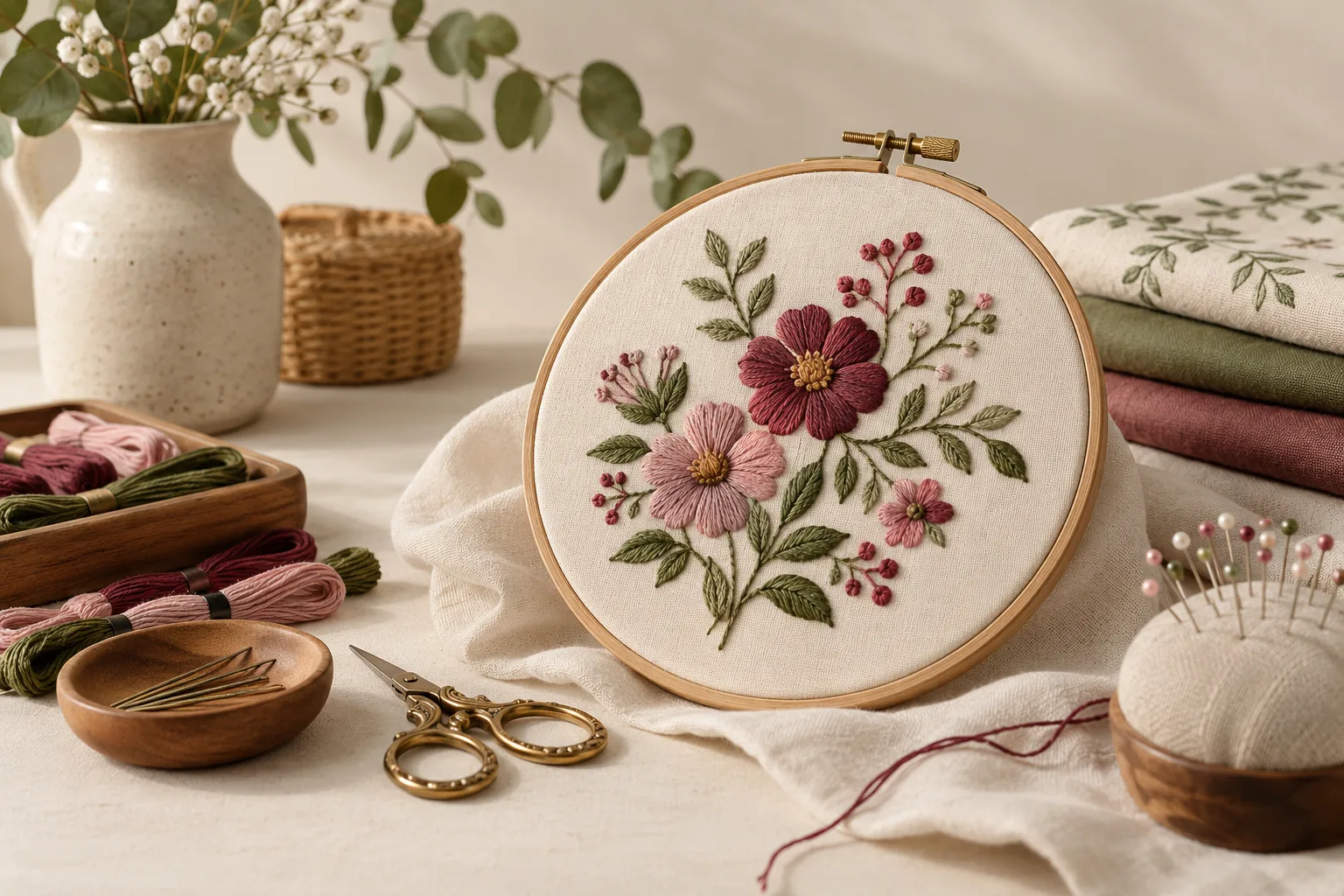
Content marketing is writing articles, guides and pages that answer the questions buyers search before they are ready to enquire. This makes your business visible and trusted before the first call. GullySales plans this content from the first conversation onward, choosing topics that match real search demand rather than guesses.
Also for embroidery, knitting and haberdashery shops
- Social media marketing for embroidery, knitting and haberdashery shops
- Lead generation for embroidery, knitting and haberdashery shops
- SEO for embroidery, knitting and haberdashery shops
- Local SEO for embroidery, knitting and haberdashery shops
- Buyer personas for embroidery, knitting and haberdashery shops
- CRM for embroidery, knitting and haberdashery shops
- Follow-up systems for embroidery, knitting and haberdashery shops
- WhatsApp marketing for embroidery, knitting and haberdashery shops
Sales and marketing for embroidery, knitting and haberdashery shops, the overview.
Last updated 14 Nov 2026.
For embroidery, knitting and haberdashery shops
Where it usually goes wrong, and what we would do.
“A beginner does not know what to buy”
A person starting crochet does not know which hook suits a yarn, or how much wool a blanket needs. A guide matching tools to wool, written plainly, brings that buyer to your shop and sends them home with a complete basket.
“Trade buyers want specifications”
A tailor or boutique buyer wants widths, fibre content and colourfast details before placing an order. A page with these set out in text helps the decision and saves your counter staff from answering the same questions on every call.
“Pattern ideas sell materials”
A project idea, such as a kurti yoke in zardozi or a baby cardigan, sells the whole basket when it lists the thread, trims and needles it needs. The reader leaves with a shopping list and your shop name beside it.
“Care advice builds trust”
How to wash and store zari, silk thread or wool shows that the shop knows the craft. Care advice is read after the sale, so it brings the buyer back when the next project begins.
What we do
What we deliver for embroidery, knitting and haberdashery shops.
The work available for this need. We agree the deliverables and responsibilities for your engagement in writing.
A beginner's guide set
Starting guides for embroidery, crochet and knitting, each listing the tools, threads or yarns to buy first and the mistakes to avoid.
Result: A beginner can build a basket from the guide.
Material and size guides
Hook, needle and thread matching tables written in plain text, with yarn weights and thread counts named as your counter names them.
Result: Wrong purchases and returns fall.
Project idea pages
Project ideas listed with every material needed, so a reader can ask for the whole set at the counter or on chat.
Result: Whole baskets are bought, not single items.
A trade buyer sheet
Specifications for tailors and boutiques: widths, fibres, colour ranges, minimum lengths and how to order.
Result: Trade buyers decide with the facts in hand.
Care notes
Wash, dry and storage tips for zari, silk, cotton and woollens, reviewed by the owner before publishing.
Result: Customers return with their next project.
How the result is measured
- Pages published
- Organic traffic
- Enquiries from content pages
Recorded as a baseline before work starts, so every later report has an honest comparison.
Posts and pieces to plan
What a haberdashery can write for a maker choosing a thread, a wool or a trim.
- Choosing wool for a first sweater
- A guide that names the ply, the needle size and the amount to buy, with the shop's own wools shown as examples and a photograph of a swatch.
- Zari, kasab and metallic threads compared
- A page for boutique buyers saying how each is used and washed, with samples from the shelf photographed beside each other.
- Matching a thread shade to a fabric
- A short guide on daylight, shade cards and asking for a sample before a large order. It builds trust with trade buyers.
- A first embroidery stitch pattern
- A step-by-step page with a photograph at each stage and the materials listed, linking to the items in stock.
- Caring for hand-worked lace and wool
- Washing and storing advice written by the shop's own staff, with the fibre named. Check the label of each fibre before giving a rule.
- What to ask a haberdashery before ordering in bulk
- A trade guide on lot numbers, shade variation and returns, for tailors placing a large order.
Who it is for
This is written for these embroidery, knitting and haberdashery shops.
- Wholesale haberdashery shops supplying tailors and boutiques
- Zari, lace and trimming merchants for bridal and ethnic wear
- Embroidery thread, beads and sequin suppliers for workshops
- Knitting wool and needle shops for hobbyists and winter-wear makers
- Craft kit sellers for schools and weekend hobbyists
- Button, zip and sewing accessory stores near tailoring clusters
- Machine embroidery supply and design file sellers
- Cross-stitch, crochet and macramé specialist shops
- Shops that also run classes in embroidery, crochet and knitting
Before you decide
When this may not be the right fit.
- Nobody in the shop writes, and the pieces would be copied from a supplier's catalogue
- You have no photographs of your own stock to illustrate a guide, and the page would use pictures of other shops' goods
Before you decide
Agree the work. Know how to judge it.
Content marketing for embroidery, knitting and haberdashery shops: use these checks to prepare, choose the scope, and review what changes.
Bring the right evidence
Bring questions from sales calls and examples of objections that delay a decision. Choose a subject expert who can check the substance, and identify evidence that can be published.
Make the scope clear
Agree the reader, buying question, format, and distribution route for each piece. Set the approval process and distinguish new research from rewriting material you already have.
Check the work in use
Ask a colleague to use the draft in a real buyer conversation. It should answer the question, support its claims, and make the next step clear without requiring a sales pitch to explain it.
Know when to change course
If the same unanswered question appears in several articles, improve the strongest page before commissioning another. More words are not a substitute for missing evidence.
These are discussion points, not a fixed package. GullySales confirms the deliverables, responsibilities, fee, and term in writing after reading your brief and speaking with you.
Before we start
What to have ready before the work starts.
The records, access and decisions this work needs from embroidery, knitting and haberdashery shops. Anything missing is noted in the written scope, with who will supply it.
- Questions buyers ask at the counter
- Spend a short while writing down what buyers ask, in their words, or give us permission to read your chats. This list is the plan for the guides. If it is missing, we start from general craft questions and correct after your first read.
- Stock details from supplier labels
- Weights, lengths and needle sizes should come from the packaging, not from memory. Keep a few labels or photographs of them. Without them, the guides avoid figures and stay general.
- Photographs of finished projects
- A sweater, a border or a pouch made from your stock helps a beginner see the use. Staff samples are acceptable. Without photographs, the project pages are thin.
- A sample of trade buyer sheets
- If you already hand tailors a printed rate list or a pack sheet, give us a copy. We turn it into the trade sheet and avoid contradicting it. If none exists, we draft one for you to approve.
- Your care advice for wool and thread
- Experienced staff know how to wash wool and store zari. Ask them to tell us what they say to buyers. Without this, the care notes stay generic and are marked for later review.
How it works
How the content marketing work runs
The work itself, in order. How an engagement starts, from your brief to a written scope, is set out on our method page.
- 1
Note the questions asked at the counter
We begin by sitting at the counter, or reading your chats, to collect the questions buyers ask: which needle for this wool, how much lace for a saree border, which thread for zari work. You tell us which questions are put by beginners and which by trade buyers. We leave with a list of real questions in the words people use.
- 2
Choose the guides that will sell stock
From the questions we pick the guides that lead to a purchase, such as a beginner's list of what to buy for a first crochet, a wool weight chart and a lace measuring guide. You confirm that you stock what each guide recommends. If you do not, the guide is changed or dropped. A guide that recommends an item you rarely stock is held back until the stock exists, so no reader is sent to an empty shelf.
- 3
Draft with you reading each line
We write each guide in plain words and you read it for accuracy on needle sizes, thread weights, quantities and care advice. Any figure that comes from supplier labels is checked against a real label. Nothing goes live until you sign the page.
- 4
Add project ideas and the trade sheet
We add a few project idea pages that show what can be made with items you sell, and a sheet for trade buyers listing sizes, packs and set-aside quantities. Your counter staff check that each project can really be made from the stock. These pages link the reading to the shelf.
- 5
Write care notes and place the guides
We write short care notes for wool, thread and trims, and link every guide to the group page, the chat number and the counter. You approve the way each guide ends, so it points to a real next step in the shop. Each guide also gets a line on whether the item is held at the shop or must be ordered, so the reader knows what to expect when they ask.
- 6
Read which guides brought buyers
We look at which guides are read and which are followed by a chat or a visit, against the figures noted at the start, and you tell us which questions are now asked less at the counter. You decide which guide to improve and which new question to answer.
Where this fits
Three pieces of sales work, in this order.
This work sits inside sales process design, at stage 0, foundation. The audit comes before it, and sales management keeps it running.
Step 1
Sales audit
Find where deals are being lost and what to fix first.
Start here if you cannot say where orders are lost.
Step 2 · you are here
Sales process design
One written way to sell, from first enquiry to repeat order.
Start here if every salesperson sells differently.
Step 3
Sales management
A target, a review routine and someone who owns the number.
Start here if the team has targets and no routine.
FAQ
Questions owners ask before they call.
Not here? More answers, or ask on WhatsApp.
Who writes this?
Do I need a blog?
Can I teach classes online?
Do we need a blog to publish guides?
Who writes the guides, and who checks them?
Can the guides be used in classes?
How much does it cost?
How long is the contract?
How soon will we see results?
Who will actually do the work?
More for embroidery, knitting and haberdashery shops
Related work to consider.
Closest to this: content and social
Also for embroidery, knitting and haberdashery shops
- Lead generation for embroidery, knitting and haberdashery shops
- SEO for embroidery, knitting and haberdashery shops
- Local SEO for embroidery, knitting and haberdashery shops
- Buyer personas for embroidery, knitting and haberdashery shops
- CRM for embroidery, knitting and haberdashery shops
- Follow-up systems for embroidery, knitting and haberdashery shops
Or start from the overview: sales and marketing for embroidery, knitting and haberdashery shops.
Your next practical step
Tell us what you are trying to grow, and we will read it before we call.
Eight short steps, mostly taps. Skip anything you would rather answer on the call.