Smart home equipment stores · Digital marketing
Treat the search, the map, the video and the chat as one road to the demo.
Digital marketing for a smart home store is the combined work of search, maps, video, messaging and advertising that brings a buyer from curiosity to the demo corner. GullySales works on how those parts connect, so that each one has a job and a way to be checked.
Scope, fee, reporting and term are agreed in writing after we have read your brief and spoken to you.
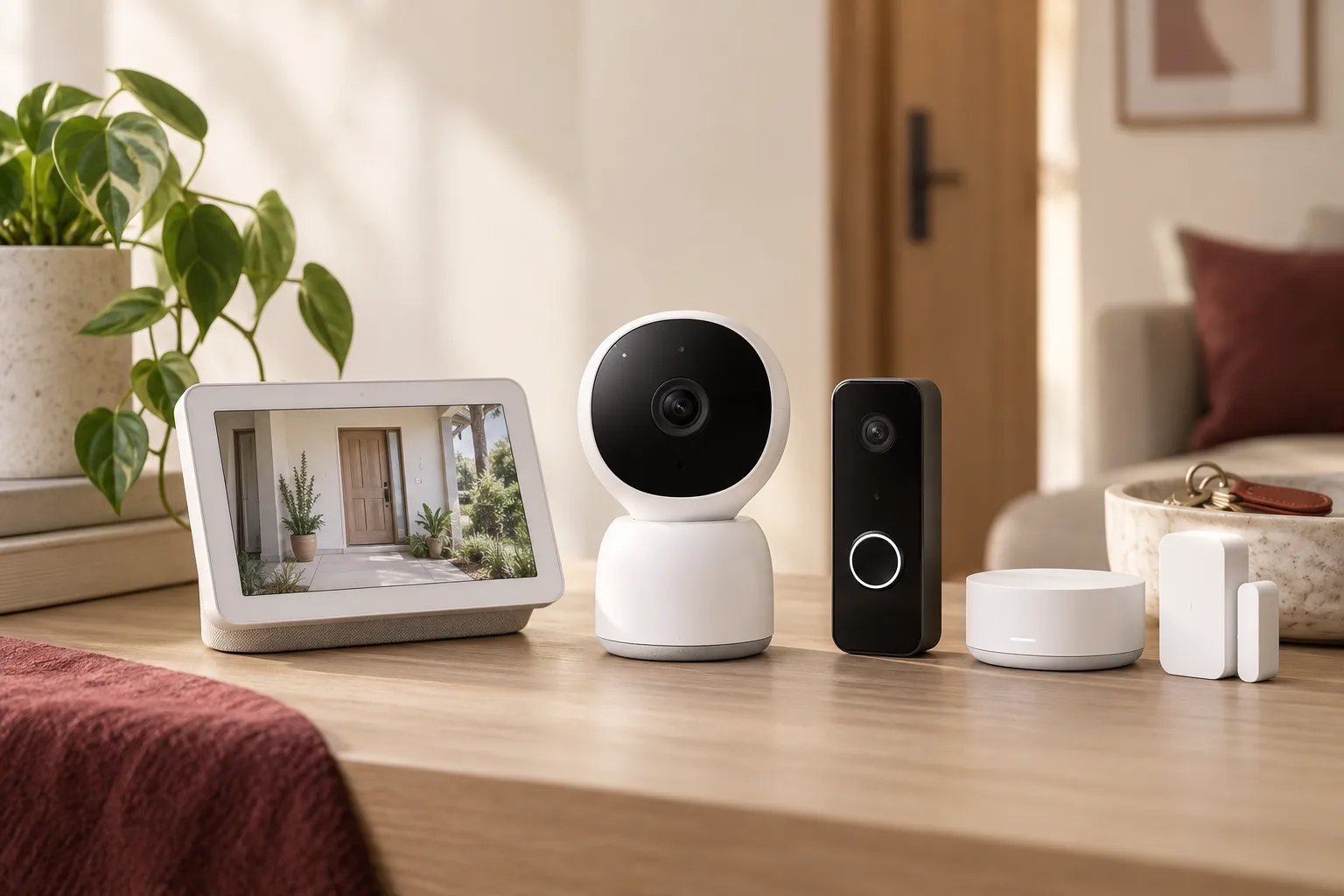
What digital marketing means
Digital marketing is the combined work of search, social media, advertising and website channels running together rather than as separate projects with separate people. GullySales runs these as one connected system so a change in one channel, such as a new offer, is reflected everywhere at once.
Also for smart home equipment stores
Sales and marketing for smart home equipment stores, the overview.
Last updated 14 Nov 2026.
For smart home equipment stores
Where it usually goes wrong, and what we would do.
“Each channel does a different job”
Search catches the buyer with a question. Maps catches the visitor ready to travel. Video shows the room working. Chat answers the doubt. Run as separate projects, they leave gaps in the buyer's path.
“Paid ads suit the add-on buyer, not the builder”
A household adding a lock responds to an ad. A developer choosing a show-flat supplier does not. Spending on the first while the second needs a personal introduction wastes the budget.
“The demo is the conversion point”
Every channel should end at a booked demo or a clear visit plan. A campaign that counts clicks and never counts demos cannot tell you whether it worked.
“Seasons follow the building cycle”
Handovers, festivals and renovation periods move buyer interest. A plan that ignores them spends evenly while demand does not arrive evenly.
What we do
What we deliver for smart home equipment stores.
The work available for this need. We agree the deliverables and responsibilities for your engagement in writing.
A plan giving every channel its role
Search, maps, video, chat and advertising each given a purpose, an owner and a way to be checked.
Result: Each channel has a stated reason to exist.
A tracking set-up from enquiry to demo
Calls, chats and form fills recorded with their source, through to the booked demo.
Result: You can count demos by channel.
A budget split by buyer type
Spend divided between the add-on buyer online and the professional route offline.
Result: Money follows the buyer who buys.
A calendar around the building cycle
Campaigns timed to handovers, festivals and renovation seasons in your area.
Result: Effort rises when demand does.
A review of what brought visits
A look at the record to see which sources brought demos and which brought only messages.
Result: You stop paying for channels that bring no visit.
How the result is measured
- Enquiries across channels
- Cost per enquiry overall
- Channel mix by contribution
Recorded as a baseline before work starts, so every later report has an honest comparison.
Searches your buyers type
Searches that lead a buyer to a smart home store, and the piece that answers each.
- smart home store near me
- A map listing with the demo hours, linked to a page on what a visit involves. It serves the buyer ready to come in.
- alexa compatible switches india
- A compatibility page that tells the truth about what works. It reaches the buyer who is comparing before any visit.
- smart lock demo video
- A short video on the product page showing the lock in a real door. It lets the buyer see before they travel.
- home automation for builders
- A page for builders with the package, the scope and a contact. It reaches the person who chooses a vendor for a show flat.
- smart plug not working
- A support page for the stuck online buyer, with an offer of a setup visit. It turns a frustration into a lead.
- curtain motor installation
- A service page with the track types and the power point needed. It shows the shop installs, not only sells.
Who it is for
This is written for these smart home equipment stores.
- Smart switch and home automation dealers who also install
- Smart lock and video doorbell stores
- Security camera and smart sensor retailers
- Voice assistant, smart speaker and smart plug sellers
- Curtain, blind and motorised shutter specialists
- Home theatre and lighting-control integrators
- Electrical stores that added a smart home counter
- Show-flat and builder package suppliers
Before you decide
When this may not be the right fit.
- You have no demo corner or installer capacity, so any extra search traffic would be lost.
- You plan to run a price war against marketplaces, which a small store cannot win on search.
- No one measures where visits come from, and spend would be a guess.
Before you decide
Agree the work. Know how to judge it.
Digital marketing for smart home stores: use these checks to prepare, choose the scope, and review what changes.
Bring the right evidence
Bring a recent won order and an enquiry that went nowhere. Trace how each buyer found you, what they asked, and who handled the next step. A channel list alone will not explain the difference.
Make the scope clear
Choose one offer and one buyer group first. Agree which part needs attention: being found, getting a useful enquiry, or turning an enquiry into an order. Separate recommendations from the work required to carry them out.
Check the work in use
A useful plan names the first change, its owner, the evidence behind it, and the number that will show whether it worked. Ask what has deliberately been left out and why.
Know when to change course
If your team cannot answer the enquiries it already receives, improve that handover before buying more traffic. If the offer itself is unclear, test it with buyers before adding channels.
These are discussion points, not a fixed package. GullySales confirms the deliverables, responsibilities, fee, and term in writing after reading your brief and speaking with you.
Before we start
What to have ready before the work starts.
The records, access and decisions this work needs from smart home equipment stores. Anything missing is noted in the written scope, with who will supply it.
- Access to every account
- Provide control of the listing, site, ad account and pages in the shop's name. If a former agency holds them, tracking starts late. Include the logins for the listing, the site, the ad account, the social pages and the analytics, and tell us who pays for each. An account in a former agency's name has to be moved, and tracking begins only afterwards.
- A spending limit and an approver
- State the sum for the first test and who approves changes. The plan does not exceed it. State also what you are prepared to spend on professionals, such as materials for builders or a visit schedule, since those are part of the budget split. The plan keeps within the figure you set.
- A demo corner that works
- Everything promised in an ad must be on display. A corner with a dead device wastes a visitor. Walk the corner with us and note anything that does not work on the day, such as a lock without a battery. An ad that sends a visitor to a dead device loses the visitor and the shop's name.
- Last season's order record
- Provide orders and their sources. The reading depends on it. Include which orders came through a builder or designer and which came from search or walk-in, if the records show it. The final reading depends on this split, and a rough one is better than none.
- A person who books demos
- Name who confirms a visit. Ads that bring requests nobody answers are a loss. Name a second person for days when the first is on a site, and the hours the diary is watched. Requests that wait for an answer go elsewhere, and the plan keeps ads off when nobody can take a booking.
How it works
How the digital marketing work runs
The work itself, in order. How an engagement starts, from your brief to a written scope, is set out on our method page.
- 1
Give each channel a single job
We list search, maps, video, WhatsApp and ads and write what each should bring: search a question, maps a visit, video trust, WhatsApp a booking. You say which jobs matter. What exists afterwards is a plan in which no channel is asked to do everything. We keep it to a single page with the channel, its job, the person who looks after it and the number that shows it is working. A channel with nobody to look after it is parked from the start, and the page says so.
- 2
Set up tracking from enquiry to demo
We add a source field to the enquiry sheet and a way to tag calls, form entries and messages, so each demo can be traced to a channel. The counter tries it on test enquiries. Without this no channel can be judged. We test it by sending a call, a form entry and a message from a phone the shop does not know, and checking that each is tagged on the sheet. The counter then does the same without us watching.
- 3
Split the budget by buyer type
We decide with you which spend goes to the add-on buyer who searches, and which effort goes to builders and designers by visit and introduction. You set the limit. Ads are not spent on buyers who arrive through professionals. We list the builders and designers who bring buyers and plan visits and introductions for them, and a small search budget for the household that types a problem. The ads never point to a page that cannot answer the question asked.
- 4
Lay the calendar against the building cycle
We plot the posts, listings and ads against the months when houses are handed over and festivals bring purchases. You approve it. The effort rises before the buying moments and falls after. We mark when plans are handed over, when walls close and when festival shopping begins, according to your own sales record. The calendar tells the counter what is due and the installers what is coming.
- 5
Launch the small tests
We write a few search ads around the problems buyers type and a post series from the demo corner, and watch which bring demo bookings. You approve the wording. A test stops when the limit is reached. We read the search terms that brought clicks and remove the ones that bring brand shoppers who will buy from a marketplace. The ads take the visitor to a page with the demo address and a way to book.
- 6
Sit down and read what brought visits
With you and the counter we read the source field against the counts recorded before the work. You see which channel brought demos and orders, and decide what to continue, change or stop. We look at which channel brought the demos that turned into orders, not only the ones that brought visits, and at the buyers who came by a professional. You decide with the counter where the next effort goes.
Where this fits
Three pieces of sales work, in this order.
This work sits inside sales process design, at stage 0, foundation. The audit comes before it, and sales management keeps it running.
Step 1
Sales audit
Find where deals are being lost and what to fix first.
Start here if you cannot say where orders are lost.
Step 2 · you are here
Sales process design
One written way to sell, from first enquiry to repeat order.
Start here if every salesperson sells differently.
Step 3
Sales management
A target, a review routine and someone who owns the number.
Start here if the team has targets and no routine.
FAQ
Questions owners ask before they call.
Not here? More answers, or ask on WhatsApp.
Where should a small store start?
Can you promise leads?
What should a small store skip?
How do we tell what brought a visit?
Is paid advertising useful for a smart home store?
What if our season is slow?
How much does it cost?
How long is the contract?
How soon will we see results?
Who will actually do the work?
More for smart home equipment stores
Related work to consider.
Closest to this: strategy and research
Also for smart home equipment stores
Or start from the overview: sales and marketing for smart home equipment stores.
Your next practical step
Tell us what you are trying to grow, and we will read it before we call.
Eight short steps, mostly taps. Skip anything you would rather answer on the call.