Spas · Buyer persona
Write differently for the tourist booking one massage and the regular buying a monthly package.
A buyer persona for a spa describes the different customers walking through the door, from a tourist wanting a one-off Swedish massage to a local regular considering a monthly package. It exists so your pricing and messaging speak to each correctly. GullySales builds these personas from your actual booking data, not assumptions about who a spa customer is.
Scope, fee, reporting and term are agreed in writing after we have read your brief and spoken to you.
What buyer persona means
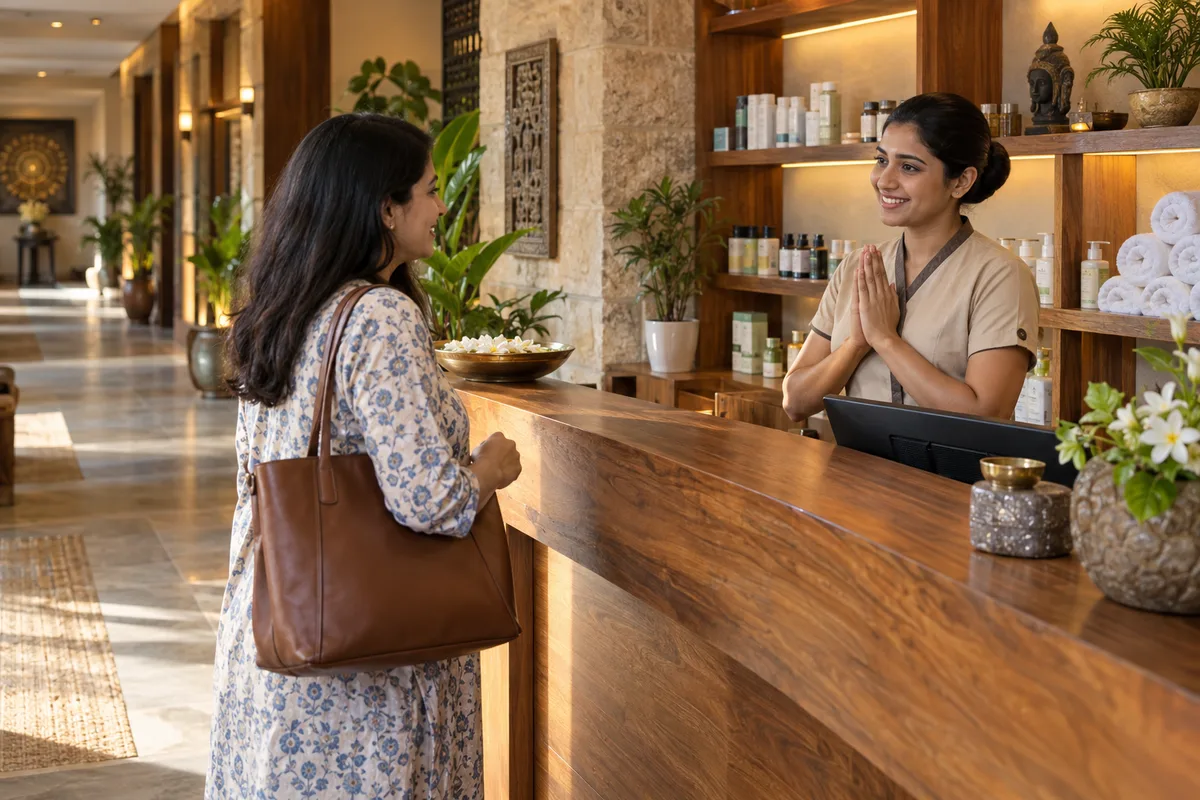
A buyer persona is a plain description of the kind of customer who actually buys from you. It includes what they search, what worries them and who else they ask before deciding. GullySales builds this from real enquiries and past sales rather than a generic template, then uses it to write every page and advert.
Last updated 5 Oct 2026.
For spas
Where it usually goes wrong, and what we would do.
“The one-time visitor and the package buyer want different information”
A tourist wants price, duration and availability today. A local considering a monthly membership wants to know which therapist they will get, and whether the package can be paused while travelling.
“The corporate booker is a persona of its own”
An HR manager arranging chair massages for staff cares about invoicing and a fixed monthly cost, a completely different concern from a couple booking a romantic spa evening.
“Hygiene anxiety affects the first-timer persona most”
A customer who has never visited your spa specifically weighs cleanliness and therapist professionalism before price, and content aimed at this persona needs to answer that concern first.
What we do
What we deliver for spas.
The work available for this need. We agree the deliverables and responsibilities for your engagement in writing.
Persona for the one-time or tourist visitor
A written profile of what this customer wants to know before booking, such as price, duration and today's availability.
Result: Content aimed at this customer answers their actual question first.
Persona for the package-considering regular
A profile covering what a local customer weighs before a monthly package, including therapist choice and pausing terms.
Result: The package pitch speaks to what this customer is actually deciding.
Persona for the corporate or HR booker
A profile of what an HR manager needs, such as invoicing terms and a fixed monthly cost, built from real enquiries.
Result: Corporate outreach is written for the person actually approving the contract.
First-timer hygiene concern documented and answered
The specific hygiene questions a nervous first-time visitor asks, matched to a plain, confident answer for each.
Result: A hesitant customer's biggest worry is answered before they call.
Persona summary shared with front desk staff
A short, plain document given to reception and therapists on how each persona should be greeted and spoken to.
Result: Staff recognise which kind of customer they are talking to.
How the result is measured
- Enquiry match to persona
- Conversion rate by persona
- Content aligned to persona
Recorded as a baseline before work starts, so every later report has an honest comparison.
A persona card for this guest
Here is a typical card for the person buying a spa treatment as a gift.
An example, not a fact about your guests. Check each line against your voucher sales and booking notes, and change what does not match.
- Who they are
- Typical: a son, husband or friend buying a massage or a package as a gift for a birthday or anniversary. Check against vouchers sold and bookings made under a different name.
- What starts the search
- Typical: an occasion a few days away and no idea what to give. Note the date of the occasion when the voucher is bought.
- What worries them
- Typical: the recipient being embarrassed by the staff or the room, and a voucher that expires too soon. Ask what the front desk is asked about vouchers.
- What they compare you with
- Typical: a restaurant voucher, a hotel spa and a piece of jewellery. Ask the buyer what else they considered.
- Who else decides
- Typical: the recipient who must choose the slot and the therapist's gender, and an assistant who books. Offer a voucher the recipient can use on any slot.
- What makes them say yes
- Typical: a voucher sent on WhatsApp with a picture of the room, a clear list of treatments and a name to call. Check which vouchers were redeemed and rebooked.
Who it is for
This is written for these spas.
- Day spas
- Ayurveda and wellness centres
- Salon-spa combo outlets
- Medi-spas and skin clinics with spa services
- Massage-only therapy centres
- Resort and hotel spas
- Corporate and mobile wellness services
Not for
It is not the right fit if.
- You have never asked a guest why they booked, so a card would be your guess written down.
- Nearly all your guests are regulars from one office or society, and one card would cover them.
- The front desk will not use the cards in a first reply, so they would sit in a folder.
Before you decide
Agree the work. Know how to judge it.
Buyer persona development for spas: use these checks to prepare, choose the scope, and review what changes.
Bring the right evidence
Write the decision the research must support, such as entering a market or choosing a buyer group. Separate what you know from sales records from what the team currently assumes.
Make the scope clear
Agree which buyers to speak to, which sources to review, and what access you can provide. Include lost enquiries and people who chose another supplier, where they are willing to take part.
Check the work in use
Look for source dates, sample limitations, and evidence that disagrees with the preferred answer. A recommendation should show how it follows from the findings.
Know when to change course
Do not treat a few positive conversations as proof of demand. Test the proposed offer with an actual buying decision before committing to a wider launch.
These are discussion points, not a fixed package. GullySales confirms the deliverables, responsibilities, fee, and term in writing after reading your brief and speaking with you.
How it works
How the buyer persona work runs
The work itself, in order. How an engagement starts, from your brief to a written scope, is set out on our method page.
- 1
Audience decision and scope approval
You send the requirements brief, then we discuss the decision these personas must support. The written scope identifies the audience groups and agreed outputs before work starts.
- 2
Record access and interview selection
Your team shares relevant purchase records and agrees which customers to approach. Customers agree before contact, and we identify gaps such as missing lost-deal notes.
- 3
Interview findings and evidence check
We ask buyers about their last purchase, including what happened before the enquiry and who else was involved. Staff conversations add objections and questions, with differences between accounts kept visible.
- 4
Persona review and corrections
Draft profiles go to the people who handle enquiries and close orders. We check disputed points against the available evidence rather than treating internal agreement as proof.
- 5
Application priorities and handover
You approve the profiles and decide which existing assets need attention first. The persona documents and application map pass to your marketing and sales owners, with implementation responsibilities recorded.
Where this fits
Three pieces of sales work, in this order.
This work sits inside sales process design, at stage 0, foundation. The audit comes before it, and sales management keeps it running.
Step 1
Sales audit
Find where deals are being lost and what to fix first.
Start here if you cannot say where orders are lost.
Step 2 · you are here
Sales process design
One written way to sell, from first enquiry to repeat order.
Start here if every salesperson sells differently.
Step 3
Sales management
A target, a review routine and someone who owns the number.
Start here if the team has targets and no routine.
FAQ
Questions owners ask before they call.
Not here? More answers, or ask on WhatsApp.
How many personas does a spa actually need?
Does this change how staff greet a new customer?
How do we check our persona against gift buyers who never visit?
Can we use the card to decide therapist rosters?
How much does it cost?
How long is the contract?
How soon will we see results?
Who will actually do the work?
What do you need from us?
What if we are not happy with the work?
From the blog
Further reading for spas.
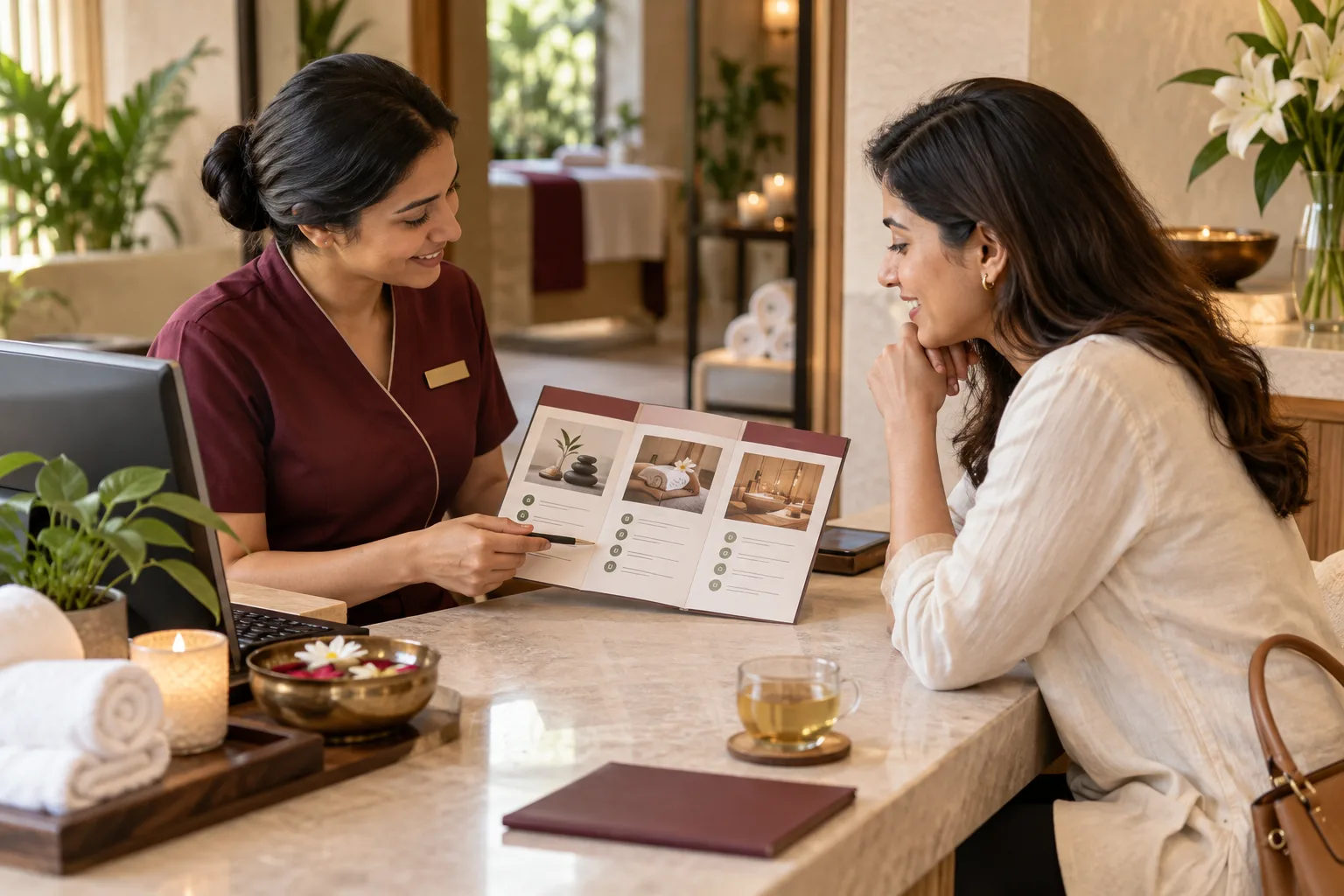 6 min read · 19 Aug 2026How to sell spa membership packages that customers renewBuild spa membership packages around how often customers already visit, with a saving they can see. Offer them after a session; follow up before renewal.
 7 min read · 3 Jun 2025How to reactivate dormant customersDefine dormant against your own purchase interval, then call your highest-value lapsed customers to ask why they stopped before offering any discount.
More for spas
Related work to consider.
Closest to this: strategy and research
Also for spas
Or start from the overview: sales and marketing for spas.
Your next practical step
Tell us what you are trying to grow, and we will read it before we call.
Eight short steps, mostly taps. Skip anything you would rather answer on the call.