Tattoo studios · Social media
Post the work, the artist and the healed result so a follower becomes a booking.
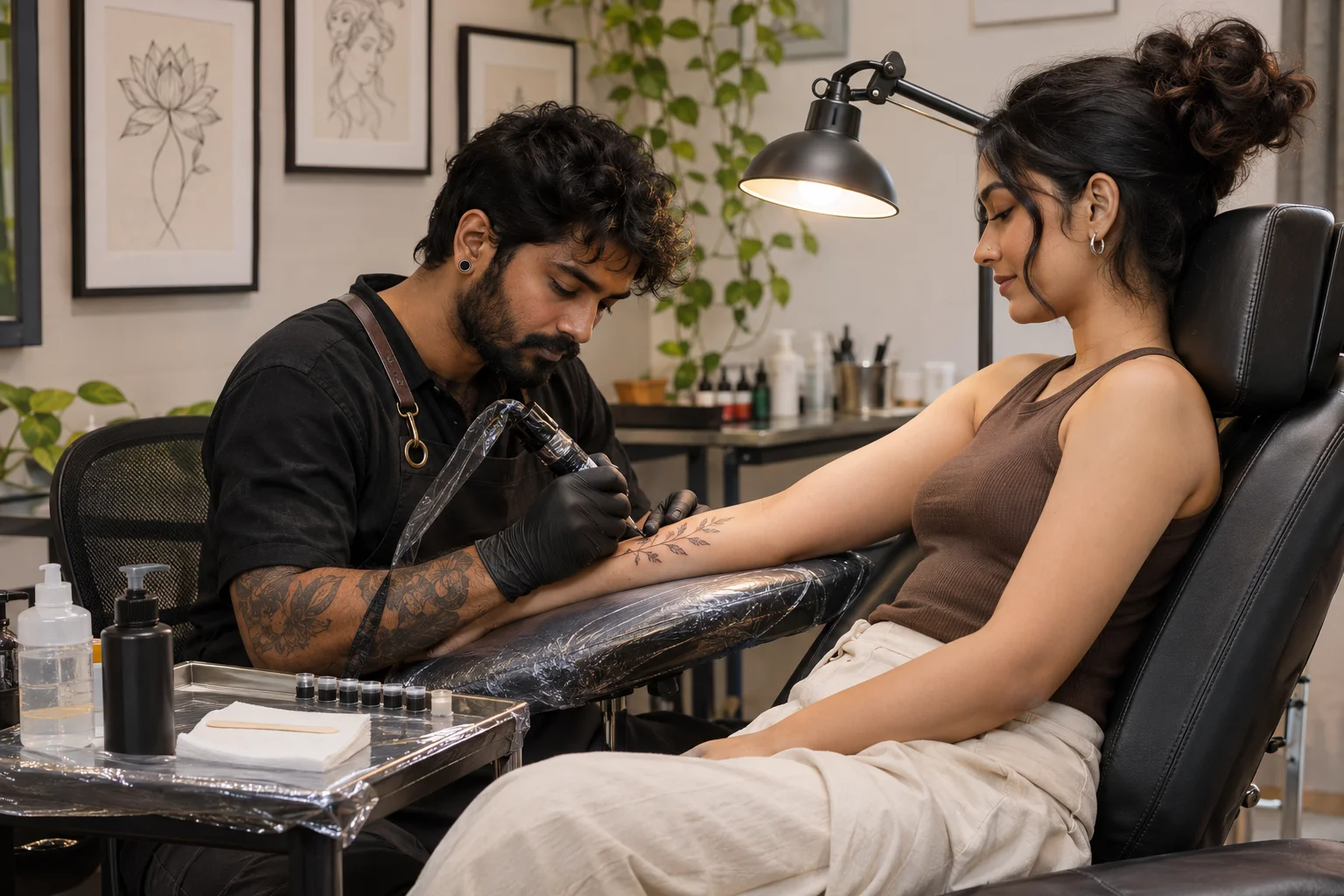
Social media marketing for a tattoo studio is the use of Instagram and short video to show each artist's style, the studio's hygiene and the healed result. GullySales works on what to post, how artist and studio accounts share the load, and where each post sends a viewer.
Scope, fee, reporting and term are agreed in writing after we have read your brief and spoken to you.
What social media means
Social media is the ongoing posting your business does on platforms such as Instagram, Facebook and LinkedIn to stay visible to customers and prospects between purchases. GullySales plans a posting calendar, writes captions and designs the images so the page looks active and answers what a visitor would ask.
Last updated 14 Nov 2026.
For tattoo studios
Where it usually goes wrong, and what we would do.
“Fresh photographs flatter and healed ones convince”
A tattoo photographed minutes after the session is sharp and a little red. The buyer who knows tattoos wants to see it healed. A post pairing fresh and healed work of one piece earns more trust than a feed of new work alone.
“The feed shows tattoos and hides the person who will do yours”
Followers choose an artist, then the studio. If the feed is a mix of work without names, a viewer cannot tell whose style they like. Tagging the artist and naming the style on each post helps them choose.
“Reels attract views and few consults”
A satisfying time-lapse draws viewers from anywhere, a share of them outside your city and uninterested in a booking. Posts need a line that names the city, the style and how to book, or the views never reach the diary.
“A post gives no answer to the safety question”
People who are nervous watch for signs of care: new needles opened, gloves changed, stations wiped. A short video of that routine does more for a hesitant viewer than another design shot.
What we do
What we deliver for tattoo studios.
The work available for this need. We agree the deliverables and responsibilities for your engagement in writing.
A content plan by artist and style
A set of post types for each artist: fresh work, healed work, flash and process, scheduled so no style goes silent.
Result: Every artist has a visible run of work.
Fresh and healed pairs
A repeatable post showing the same piece at the session and when healed, with the client's consent noted.
Result: Followers see how the line settles.
A hygiene clip for the profile
A short video of setting up a station with new needles, gloves and wipes, kept as a pinned post.
Result: A hesitant viewer sees the routine before asking.
A shared tag and booking link
One studio tag and one booking link used by every artist account and post.
Result: Enquiries from any artist's post reach the studio.
A reply set for comments and messages
Short, ready replies for price questions, placement questions and requests for tiny designs.
Result: The inbox is answered in the studio's voice.
How the result is measured
- Posts published
- Engagement rate
- Enquiries from social profiles
Recorded as a baseline before work starts, so every later report has an honest comparison.
Posts and pieces to plan
Posts a tattoo follower needs to see before booking a consult.
- Fresh and healed pair
- One carousel per piece, with the fresh photo first and the healed photo after the skin settles. Ask the client's consent and tag the artist who did it.
- One artist, one style, one reel
- A short reel of the artist drawing a design and applying the stencil. It shows the person behind the work, which a feed of finished photos hides.
- A station set-up clip
- A clip showing new needles opened, gloves changed and the station wiped. It answers the hygiene question without a caption having to claim it.
- Meet the artist
- A post with the artist's styles, what they do not take on and how to send a brief. It routes the right buyer to the right chair.
- A cover-up in progress
- A before, during and after story with the artist explaining the choices. Only post with the client's agreement to show their skin.
- Guest artist announcement
- A post naming the visiting artist, their style and the booking window. Link the studio's booking form, not the guest's direct messages.
Who it is for
This is written for these tattoo studios.
- Custom tattoo studios with several resident artists
- Single-artist private studios
- Fine line and minimal tattoo specialists
- Realism and portrait artists
- Cover-up and scar-camouflage specialists
- Traditional, tribal and Japanese style studios
- Studios that also offer piercing
- Tattoo removal and fading clinics
- Convention and guest-artist organisers
Before you decide
When this may not be the right fit.
- No client has agreed to show their tattoo, and a feed built on borrowed photographs would break trust the studio needs.
- The artists do not want to be filmed, so the posts would show only finished work and miss the person a buyer wants to meet.
- No one can answer comments and messages from the feed, and the posts would collect questions that stay unanswered.
Before you decide
Agree the work. Know how to judge it.
Social media marketing for tattoo studios: use these checks to prepare, choose the scope, and review what changes.
Bring the right evidence
Review the posts that produced useful conversations, not only the ones with the most views. Gather buyer questions and decide which team member can contribute credible material.
Make the scope clear
Choose the audience and channel before setting a posting volume. Agree who supplies material, approves posts, and handles messages, including complaints or questions the agency cannot answer.
Check the work in use
Follow a post through to the profile, website, and response. A useful report explains the quality of conversations and enquiries, alongside reach and engagement.
Know when to change course
If publishing takes time away from unanswered buyer messages, fix the response routine first. Do not expand to another channel without a clear reason for being there.
These are discussion points, not a fixed package. GullySales confirms the deliverables, responsibilities, fee, and term in writing after reading your brief and speaking with you.
Before we start
What to have ready before the work starts.
The records, access and decisions this work needs from tattoo studios. Anything missing is noted in the written scope, with who will supply it.
- Admin access to the studio's Instagram
- We cannot set the booking link, the tag or the highlights without admin rights. A role on the business account is enough and no password is shared. If the account is a personal one, we explain switching it to a business profile first, which only the owner can approve.
- Consent for each client photograph
- Every pair of pictures needs the client's agreement to share, ideally written in the booking message. Gather what exists before we start. Pieces without consent are held back, and the plan then leans on artwork, flash and studio photographs until more consented pictures arrive.
- Your artists' available hours for filming
- Content needs artists to be present for a clip or two. Name which artist can spare a little time at the station and who will be the face of the hygiene clip. If nobody can, the plan keeps to photographs, which is slower to build trust but still workable.
- A reply set drawn from real questions
- Bring the questions clients actually ask in messages: pain, price, ageing of the line, covering a scar. Screenshots are fine. Without them our reply set would be generic, and a generic answer to a nervous first-timer does more harm than a short, honest one from the artist.
How it works
How the social media work runs
The work itself, in order. How an engagement starts, from your brief to a written scope, is set out on our method page.
- 1
Agree which accounts speak for the studio
We list every account that shows your work: the studio profile, each artist's own, and any shared WhatsApp status. Then you decide which ones carry the booking link and which stay personal. We ask for admin access to the studio account only, since an artist's own account stays theirs, and we note who may post, reply and tag.
- 2
Collect the fresh and healed pairs
We ask each artist for pieces where a fresh photo and a healed photo of the same work exist, with the client's consent to share. Pieces with only a fresh image wait. You supply the folder or camera roll, and we sort the pairs by artist and style so the content plan is built from what already exists.
- 3
Film the hygiene routine with the team
We plan a short clip with whoever sets up the station: opening a new needle, wiping and covering surfaces, changing gloves, disposing of waste. No client is on camera unless the person agrees. You check that the clip shows your real practice and not an ideal one, because a visitor who walks in will compare the two.
- 4
Approve the calendar by artist and style
We bring a calendar that gives each artist a place, rotating styles, healed pairs, hygiene, aftercare and a plain note about who is taking consults. You cross out anything that does not suit the studio. The approved calendar tells the artists what to photograph in the coming sittings, so content is gathered while the work is done.
- 5
Publish and answer comments from the reply set
We schedule the approved posts with the shared tag and booking link, and give the person who monitors comments a reply set for common questions about pain, price and healing. Questions that need an artist go to the artist. After enough posts, we read which ones sent people to the form and which only gathered views.
Where this fits
Three pieces of sales work, in this order.
This work sits inside sales process design, at stage 0, foundation. The audit comes before it, and sales management keeps it running.
Step 1
Sales audit
Find where deals are being lost and what to fix first.
Start here if you cannot say where orders are lost.
Step 2 · you are here
Sales process design
One written way to sell, from first enquiry to repeat order.
Start here if every salesperson sells differently.
Step 3
Sales management
A target, a review routine and someone who owns the number.
Start here if the team has targets and no routine.
FAQ
Questions owners ask before they call.
Not here? More answers, or ask on WhatsApp.
Should each artist have a personal account?
Can we run ads on Instagram for tattoos?
How do we use a client's photograph?
How do we post tattoos on a platform that restricts them?
Who should reply to comments, the artist or the desk?
Should the studio post client reactions or story reposts?
How much does it cost?
How long is the contract?
How soon will we see results?
Who will actually do the work?
More for tattoo studios
Related work to consider.
Closest to this: content and social
Also for tattoo studios
Or start from the overview: sales and marketing for tattoo studios.
Your next practical step
Tell us what you are trying to grow, and we will read it before we call.
Eight short steps, mostly taps. Skip anything you would rather answer on the call.