Notes for owners · Digital marketing
Call-generation ads: when a phone call is the only conversion you want
Four tests that tell you whether call-only ads fit your trade, how to count an answered call as the result, and what to do when the phone rings and nobody picks up.
The GullySales team · Updated 17 Oct 2026 · 5 min read
On this page
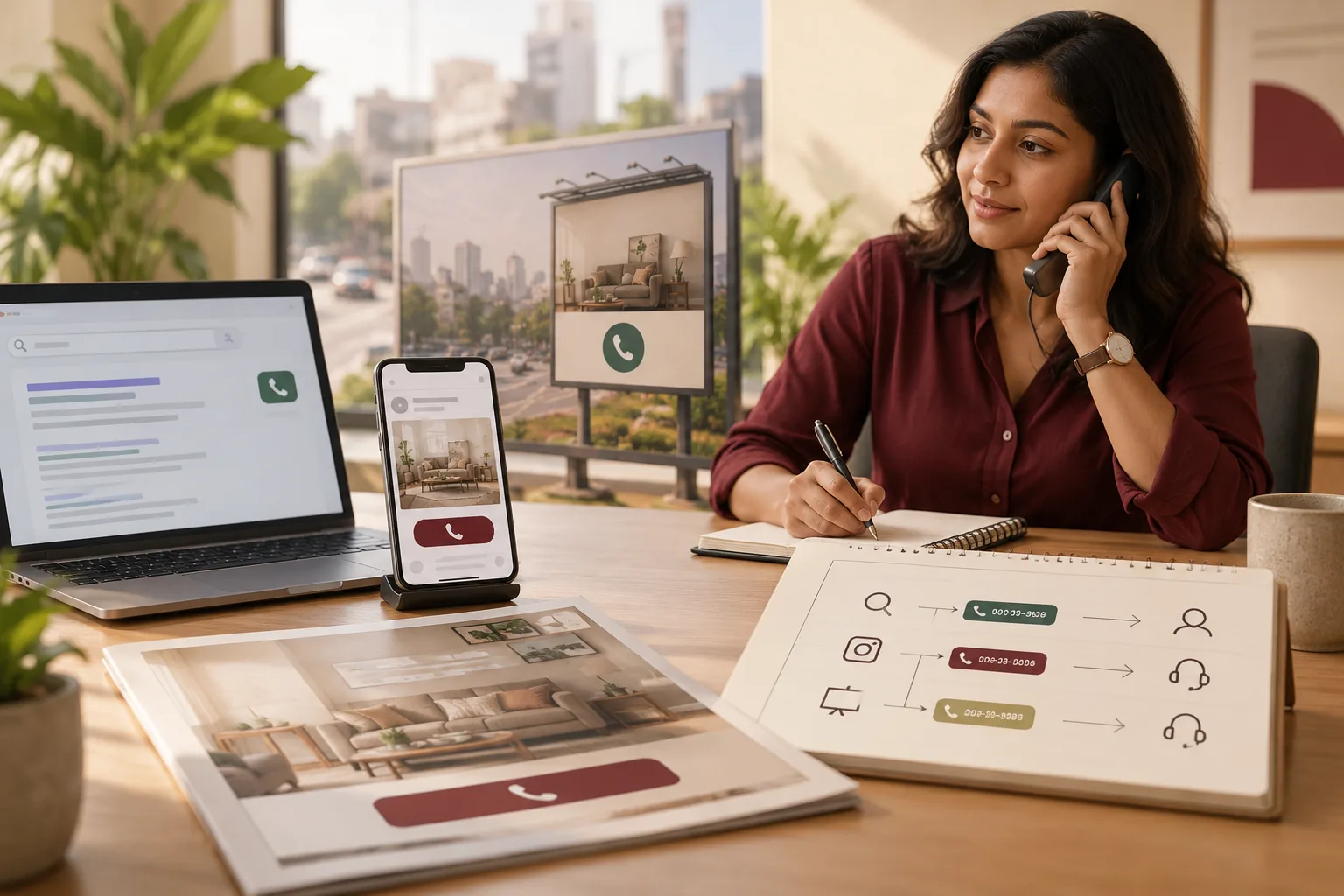
Call-generation ads put a phone number, not a web page, at the end of the click. They suit trades where the buyer wants an answer in minutes and the price depends on a short conversation: a tow, a burst pipe, a lock that will not open, an urgent repair. They fail when the buyer needs to see something first, or when nobody is free to pick up. Whether to run them comes down to four tests.
The four tests
1. Does the price depend on a question you must ask? If you cannot quote without knowing the fitting, the floor or the distance, the call is the quote. A page with a form delays that conversation by hours. If you can quote from a rate card, a page does the job.
2. Does the buyer need to look before they call? A person choosing a wedding photographer wants a portfolio first. A person whose water tank is overflowing wants a voice. If the buyer must see, send them to a page; the call comes after.
3. Can a person answer every call during the hours the ad runs? This is the test that is easiest to fail. Count the phones, the people, and the hours. If a tapped ad rings out, you paid for a click that went to your competitor's next listing.
4. Do you know what a call is worth? Count your last twenty answered calls. How many became a visit or an order? If you cannot say, run a small test before committing a budget.
Pass all four and call ads are worth a trial. Fail the first or third and fix those before spending a rupee.
What counts as the result
A "conversion" in the ad account usually means a call that connected for a set number of seconds. That is a measure of the phone, not of your business. Use it only as a first filter.
Your own count is stricter. Keep a call sheet with these columns:
| Column | What goes in |
|---|---|
| Time and number | From the call log |
| Answered by | Name, or "missed" |
| Outcome | Enquiry, price shopper, wrong number, job seeker, existing customer |
| Next step | Visit booked, quote sent, none |
| Order | Yes or no, filled in later |
After a trial, the figure that matters is cost per answered enquiry, then cost per order. If you need a number per campaign, our note on call tracking for advertising covers setting that up, including the privacy side.
Where the ad should show, and where not
Call ads work on phones, when a buyer taps. Check which call formats the platform offers at the time. Show them for searches that sound like a need: "plumber near me for leaking pipe", not "how to fix a tap yourself". Keep a list of searches you do not want and add them as exclusions as you find them. Searches about jobs, training and do-it-yourself bring calls you do not want. Exclude them.
Limit the schedule to staffed hours and tell the person answering which ad the call came from, so the first sentence can match the promise in the ad. A caller who tapped "pipe leak repair, Coimbatore" and hears "Good morning, Sri Murugan Enterprises" is briefly unsure they have the right number.
For example: a leak-repair plumber in Coimbatore
This case is invented. A firm repairs leaking pipes and overhead tanks for flats and houses across Coimbatore. Three people share two phones. The owner, Murugan, runs ads that link to a page with a long quote form. Some people fill it in and then ring a competitor whose number they have already tapped.
Murugan switches to call-only ads for searches about leaks and bursts, from 7 am to 8 pm. Calls rise, but several ring out because both phones are with fitters under a sink or on a roof. That was the mistake: the ads were set to match the budget and not the phones.
Murugan sets a rota instead. One person stays near the office phone until 2 pm, and the second phone goes to the senior fitter afterwards. The ad schedule now stops when the rota does. Missed calls go in a log and are returned at once, since a leaking flat will not wait. Murugan now watches visits booked, not calls received. Calls fall when the schedule shortens, and Murugan accepts that, because the calls that remain get answered.
What to say in the first ten seconds
Paid calls are won or lost on the greeting. The caller has just tapped an ad and is deciding whether to stay on the line. Answer with the business name and one question that moves the job along. For example: "Sri Murugan Plumbing, is the water still running, and which area are you in?" That proves you are the firm they saw, and it starts the job.
Keep a printed card by each phone with the greeting and the three questions you always need. Here they are the area, the type of fitting, and whether the leak can be stopped at the main valve. A new person on the phone then sounds like the old one, and the call sheet gets filled in while the caller is still talking.
When not to use call ads
Skip them if your buyers research for weeks, such as machine purchasers comparing three suppliers by email. Skip them if you sell a product that needs images or specifications. Skip them for a sensitive enquiry, like a medical or legal worry, where a person might prefer to write first; rules for those trades differ by council and platform, so take advice.
Also skip them if your phone is the owner's personal number and the owner is in meetings all day. Fix the answering before you pay for calls.
Run a two-week trial
Choose one service, one town and a daily budget you can lose. Staff the phone for the ad hours. Keep the call sheet from day one. At the end, read the outcome column before you read the platform report. Phone-led campaigns are the work of call-generation advertising, and the marketing hub shows where it sits beside the rest. If you are unsure whether your trade fits, tell us what you need.
Related services