Auto parts and accessories dealers · Follow up systems
Make sure a quote asked for on Monday is not forgotten by Thursday.
A follow-up system for an auto parts dealer is a routine that makes sure a price request, a fitting enquiry or a quotation gets a second contact. GullySales writes the routine, the reminder wording and the ownership so that nothing sits unanswered at a busy counter.
Scope, fee, reporting and term are agreed in writing after we have read your brief and spoken to you.
What follow up systems means
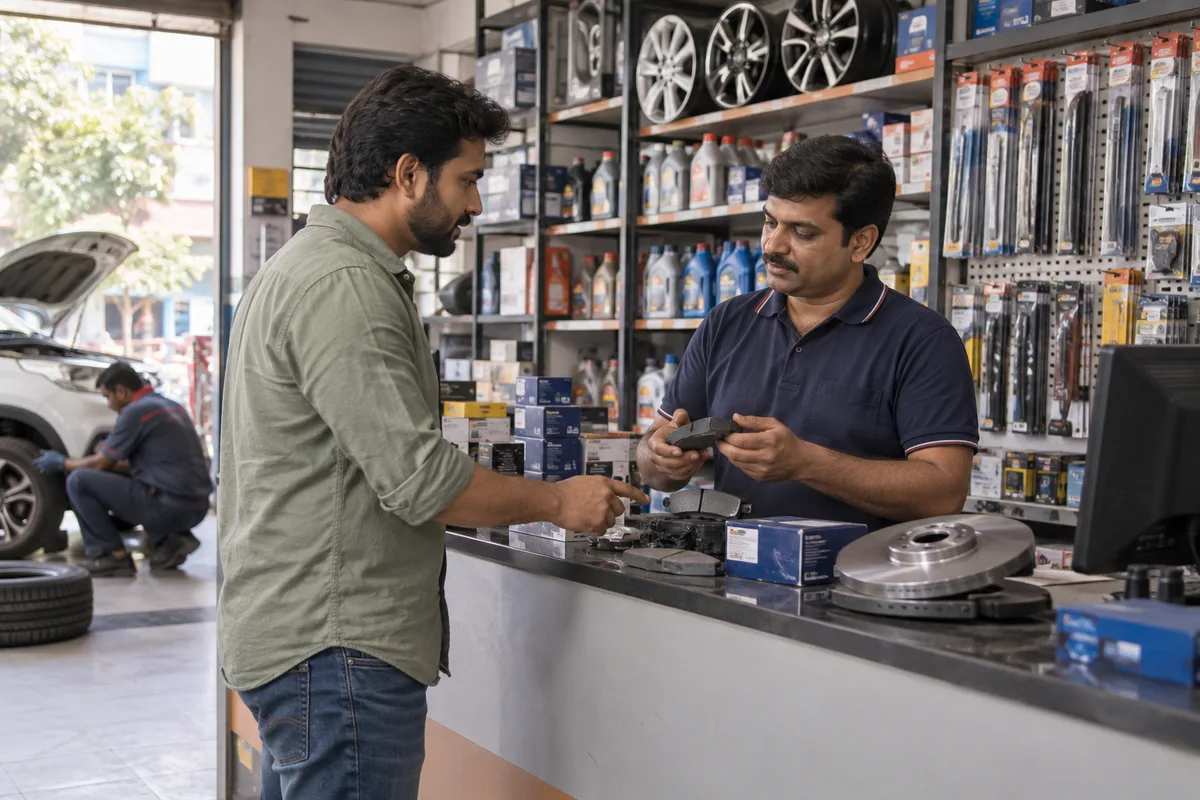
A follow-up system is the set routine for calling, messaging or emailing an enquiry more than once, since most buyers do not decide on the first conversation. GullySales sets the number and timing of follow-ups so an undecided buyer keeps hearing from you until they decide either way.
Also for auto parts and accessories dealers
- Lead generation for auto parts and accessories dealers
- CRM for auto parts dealers
- SEO for auto parts and accessories dealers
- PPC ads for auto parts and accessories dealers
- Digital marketing for auto parts and accessories dealers
- Reputation management for auto parts and accessories dealers
- Branding and identity for auto parts and accessories dealers
- Social media marketing for auto parts and accessories dealers
Sales and marketing for auto parts and accessories dealers, the overview.
Last updated 5 Oct 2026.
For auto parts and accessories dealers
Where it usually goes wrong, and what we would do.
“A price request is not an order”
A mechanic asks for a rate and the dealer replies once. The mechanic then asks two other counters and decides on the evening. If nobody asks whether the part is still needed, the order goes to whoever did.
“Fitment enquiries die in the evening rush”
A customer who asks about alloy wheels or a dashcam for a specific car needs to see it and check the fit. When the staff are busy at closing time, the enquiry waits and the buyer visits another shop.
“The service reminder is the cheapest sale”
A tyre rotation, a battery check or a wiper change is due on a date the shop already knows. A short reminder to the right customer brings a repeat visit that no advertisement is needed for.
“Fleet quotes need a date to chase”
A fleet buys after an approval from someone who is not at the counter. A quote with no agreed next date sits in a manager's inbox. Setting a date to ask is what keeps the quote alive.
What we do
What we deliver for auto parts and accessories dealers.
Every deliverable, what it covers for you, and the result it is there to produce. Nothing here is an extra.
Enquiry log with an owner
A simple list where each open price request or fitment enquiry has a name beside it and a next contact date.
Result: Every open enquiry has a person responsible for it.
Follow-up message set
Short WhatsApp messages for a pending quote, a missed fitting slot, a delivered order and a lapsed garage account.
Result: Staff send a polite second message without writing from scratch.
Service reminder list
Reminders built from fitting dates for tyres, batteries, wipers and alignment, sent to the retail customers who bought them.
Result: Past buyers hear from you when the next service falls due.
Garage lapse alert
A routine that flags any regular garage whose orders have stopped, with a call script for the owner or counter head.
Result: A quiet account gets a conversation before it moves away.
End-of-day review
A short check of the open list at closing, so nothing carries over without a decision.
Result: The next morning starts with a clear list of calls.
How the result is measured
- Follow-up completion rate
- Average number of follow-ups before close
- Enquiries closed after repeat follow-up
Recorded as a baseline before work starts, so every later report has an honest comparison.
What to capture or send
Send the message that stops a quote asked for on Monday from dying by Thursday.
- Price asked, no order
- A message to the mechanic or owner restating the part, brand and price, and asking whether to hold it. The enquiry is not an order until someone says yes.
- Fitment enquiry in the evening rush
- The counter notes the model and the part and replies when the rush ends with stock and fitting. Write it down at once, because a rush wipes memory.
- Order delivered to the garage
- A message confirming the delivery and bill, and asking if the part fitted. It catches a wrong part before the garage blames the dealer.
- Service reminder to a car owner
- To owners who bought a battery, tyres or filters and agreed to hear from you. Name the item and offer to check it, without a discount.
- Fleet quote waiting
- A message to the fleet desk with the quote date and a question about the decision. A fleet quote needs a date to chase.
Who it is for
This is written for these auto parts and accessories dealers.
- Multi-brand spare parts dealers serving garages
- Authorised parts distributors for a vehicle manufacturer
- Two-wheeler spare parts shops
- Tyre dealers and tyre showrooms for major brands
- Tyre, alignment and wheel care centres
- Car accessories and fitment shops
- Commercial vehicle parts and tyre suppliers
- Battery, lubricant and filter dealers
- Online-first auto parts sellers
Not for
It is not the right fit if.
- No one is assigned to follow up quotes, so the messages would be sent once and forgotten.
- The counter does not note who asked for a price, so there would be no one to follow up.
- You are out of stock on the parts quoted, and a reminder would revive an order you cannot supply.
How it works
How the follow up systems work runs
The work itself, in order. How an engagement starts, from your brief to a written scope, is set out on our method page.
- 1
Measure today's reply time
From your recent enquiries, we set the time each arrived against its first reply, using the call log, chats, form entries and portal panel. We also count the follow-ups each one got.
- 2
Agree targets and the sequence
We set reply targets and the follow-up sequence with your team, based on its real hours and workload.
- 3
Write the templates and first-call questions
The first reply, the quote follow-up and the last attempt are written in your voice and loaded as quick replies. The first-call questions are agreed with your best salesperson.
- 4
Set ownership, tasks and alerts
Named owners, cover for leave and CRM or sheet tasks go live. App alerts, such as IndiaMART's, are switched on for the right phones.
- 5
Track and adjust
Reply time and follow-up completion are reported against the baseline, and the routine is changed where it is not kept. How often you are reported to is agreed in writing.
Where this fits
Three pieces of sales work, in this order.
This work sits inside sales process design, at stage 2, qualification. The audit comes before it, and sales management keeps it running.
Step 1
Sales audit
Find where deals are being lost and what to fix first.
Start here if you cannot say where orders are lost.
Step 2 · you are here
Sales process design
One written way to sell, from first enquiry to repeat order.
Start here if every salesperson sells differently.
Step 3
Sales management
A target, a review routine and someone who owns the number.
Start here if the team has targets and no routine.
FAQ
Questions owners ask before they call.
Not here? More answers, or ask on WhatsApp.
How many times should we follow up on a quote?
Will reminders annoy our customers?
Who should own the follow-ups at the counter?
Who should own the follow-ups at the counter?
How much does it cost?
How long is the contract?
How soon will we see results?
Who will actually do the work?
What do you need from us?
What if we are not happy with the work?
From the blog
Further reading for auto parts and accessories dealers.
 6 min read · 6 Oct 2026How buyers choose a showroom, workshop or parts counterCar, bike, repair and parts buyers send one enquiry to several sellers and pick the first clear answer. This post lists what each buyer checks, and where a dealer or workshop quietly loses them.
- 6 min read · 1 Oct 2026Serving the workshop trade and the walk-in buyer at the same parts counterHow an auto parts shop can run two lanes at one counter: an account lane for garages that buy on speed and credit, and a retail lane for walk-in owners who buy on price and advice.
 8 min read · 21 Sept 2026How to advertise to dealersA dealer is buying an investment, not a product. The advertisement has to answer margin, credit, stock rotation and territory, or the enquiries will all be from people with no shop.
More for auto parts and accessories dealers
Everything else we would do for you.
Closest to this: leads and follow-up
Also for auto parts and accessories dealers
- SEO for auto parts and accessories dealers
- PPC ads for auto parts and accessories dealers
- Digital marketing for auto parts and accessories dealers
- Reputation management for auto parts and accessories dealers
- Branding and identity for auto parts and accessories dealers
- Social media marketing for auto parts and accessories dealers
Or start from the overview: sales and marketing for auto parts and accessories dealers.
Your next practical step
Tell us what you are trying to grow, and we will read it before we call.
Eight short steps, mostly taps. Skip anything you would rather answer on the call.