Auto parts and accessories dealers · Social media
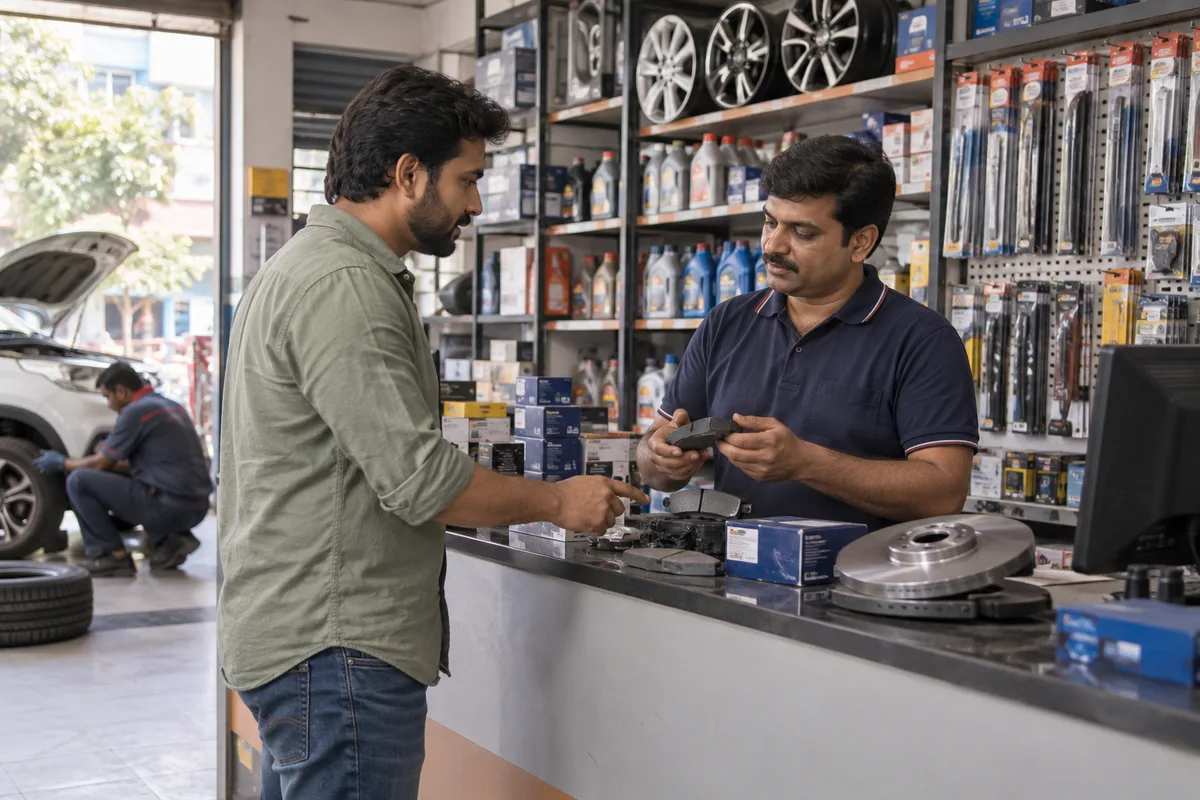
Show the alloys and the dashcam on the same model the buyer drives.
Accessories are bought by eye, which makes short videos of real fitments the most useful thing a shop can post. GullySales builds a filming routine around jobs you already do, keeps the garage trade on WhatsApp broadcasts instead of public posts, and sets what should never go online.
Scope, fee, reporting and term are agreed in writing after we have read your brief and spoken to you.
What social media means
Social media is the ongoing posting your business does on platforms such as Instagram, Facebook and LinkedIn to stay visible to customers and prospects between purchases. GullySales plans a posting calendar, writes captions and designs the images so the page looks active and answers what a visitor would ask.
Also for auto parts and accessories dealers
- Content marketing for auto parts and accessories dealers
- SEO for auto parts and accessories dealers
- PPC ads for auto parts and accessories dealers
- Lead generation for auto parts and accessories dealers
- Digital marketing for auto parts and accessories dealers
- Reputation management for auto parts and accessories dealers
- Branding and identity for auto parts and accessories dealers
- Email marketing for auto parts and accessories dealers
Sales and marketing for auto parts and accessories dealers, the overview.
Last updated 5 Oct 2026.
For auto parts and accessories dealers
Where it usually goes wrong, and what we would do.
“A buyer wants to see it on their own model”
Alloys on a Creta tell a Creta owner what a catalogue picture never will, and your fitting bay produces one of those every week.
“Garages are not on Instagram, they are in groups”
Stock arrivals and rate changes belong in a broadcast list of your trade customers, not in a public post.
“A posted trade rate reaches your competitor first”
Public price lists get screenshotted and used against you at the next counter, so trade rates stay in chats with known buyers.
What we do
What we deliver for auto parts and accessories dealers.
Every deliverable, what it covers for you, and the result it is there to produce. Nothing here is an extra.
A fitment filming routine at the bay
A rule for capturing a short before-and-after clip of accessory jobs, naming the model and the fitting time, with the customer's permission asked at billing.
Result: New posts come from work you were doing anyway.
Posts organised by model, not by product
Captions and titles naming the car, the variant and the part fitted, so an owner searching that model finds the clip.
Result: The people who see it drive the car you fitted.
A broadcast list for garage and fleet customers
An opt-in WhatsApp list of your trade buyers for new stock, rate circulars and delivery changes, kept separate from retail customers.
Result: Trade news reaches trade, and only trade.
A short list of what never gets posted
Trade rates, credit terms, customer vehicle numbers and the inside of a customer's car, written down so nobody has to judge it while filming.
Result: No post costs you a customer or an account.
Seasonal posts placed a fortnight early
Tyre tread checks before the rains and accessory ideas before the festival buying starts, prepared ahead so they go out during the busy week.
Result: You are visible while people are deciding.
How the result is measured
- Posts published
- Engagement rate
- Enquiries from social profiles
Recorded as a baseline before work starts, so every later report has an honest comparison.
Platform for this buyer
Where mechanics and car owners look for a part, and what a dealer should post there.
- WhatsApp broadcast list for garages
- Send new stock, a part that was short and has returned, and trade price circulars to this list only. The action wanted is a reply with the part number and quantity. Keep retail customers on a separate list.
- Instagram reels and Shorts of fitments
- Film a seat cover, floor mat or lamp going onto a named model and variant. Put the model in the caption so the owner of that car finds it. The action is to message the model and variant.
- Facebook groups for car and bike owners
- Answer what-fits-my-car questions in groups for the models you stock, within each group's rules. Offer the shop only when asked. The action is a message with the registration year and variant.
- Google Business Profile posts for tyres
- Post tyre sizes and brands in stock, and whether alignment and balancing are done on site. The action wanted is a call with the tyre size ready.
- What not to post
- Trade rates, a garage's credit position, a customer's vehicle number or interior, or the word genuine on a part your invoice trail cannot support. A wrong fitment claim reaches a buyer who then returns it.
Who it is for
This is written for these auto parts and accessories dealers.
- Multi-brand spare parts dealers serving garages
- Authorised parts distributors for a vehicle manufacturer
- Two-wheeler spare parts shops
- Tyre dealers and tyre showrooms for major brands
- Tyre, alignment and wheel care centres
- Car accessories and fitment shops
- Commercial vehicle parts and tyre suppliers
- Battery, lubricant and filter dealers
- Online-first auto parts sellers
Not for
It is not the right fit if.
- The dealer has no clear photographs of the alloys and accessories fitted on a real model, so posts would show catalogue pictures that every counter already uses.
- No one will answer a comment asking for a price, so each post would leave a driver with a question and no reply.
How it works
How the social media work runs
The work itself, in order. How an engagement starts, from your brief to a written scope, is set out on our method page.
- 1
Confirm audience, platforms and access
We note which platforms your buyers use and check that the pages sit under your own business accounts, with you as owner and us as added roles.
- 2
Review the current presence
We read the existing pages, the posts that drew replies and the gaps in posting.
- 3
Build the calendar
Themes, formats and dates are set out for your approval, with space for offers and news.
- 4
Create, approve and publish
Posts are made, approved by you and scheduled. Replies to the public are handled in your voice.
- 5
Record enquiries and adjust
Enquiries are logged against the post or platform where they began, and the mix changes to follow what brings them.
Where this fits
Three pieces of sales work, in this order.
This work sits inside sales process design, at stage 0, foundation. The audit comes before it, and sales management keeps it running.
Step 1
Sales audit
Find where deals are being lost and what to fix first.
Start here if you cannot say where orders are lost.
Step 2 · you are here
Sales process design
One written way to sell, from first enquiry to repeat order.
Start here if every salesperson sells differently.
Step 3
Sales management
A target, a review routine and someone who owns the number.
Start here if the team has targets and no routine.
FAQ
Questions owners ask before they call.
Not here? More answers, or ask on WhatsApp.
Should we pay to boost these videos?
Can we film a customer's car?
How do we stop a posted part from selling out before the buyer arrives?
Should we tag and thank the garages that buy from us?
How much does it cost?
How long is the contract?
How soon will we see results?
Who will actually do the work?
What do you need from us?
From the blog
Further reading for auto parts and accessories dealers.
 6 min read · 6 Oct 2026How buyers choose a showroom, workshop or parts counterCar, bike, repair and parts buyers send one enquiry to several sellers and pick the first clear answer. This post lists what each buyer checks, and where a dealer or workshop quietly loses them.
- 6 min read · 1 Oct 2026Serving the workshop trade and the walk-in buyer at the same parts counterHow an auto parts shop can run two lanes at one counter: an account lane for garages that buy on speed and credit, and a retail lane for walk-in owners who buy on price and advice.
 8 min read · 21 Sept 2026How to advertise to dealersA dealer is buying an investment, not a product. The advertisement has to answer margin, credit, stock rotation and territory, or the enquiries will all be from people with no shop.
More for auto parts and accessories dealers
Everything else we would do for you.
Closest to this: content and social
Also for auto parts and accessories dealers
- SEO for auto parts and accessories dealers
- PPC ads for auto parts and accessories dealers
- Lead generation for auto parts and accessories dealers
- Digital marketing for auto parts and accessories dealers
- Reputation management for auto parts and accessories dealers
- Branding and identity for auto parts and accessories dealers
Or start from the overview: sales and marketing for auto parts and accessories dealers.
Your next practical step
Tell us what you are trying to grow, and we will read it before we call.
Eight short steps, mostly taps. Skip anything you would rather answer on the call.