Auto repair shops · Lead generation
Get found by the driver searching right now, not just the one who already knows you.
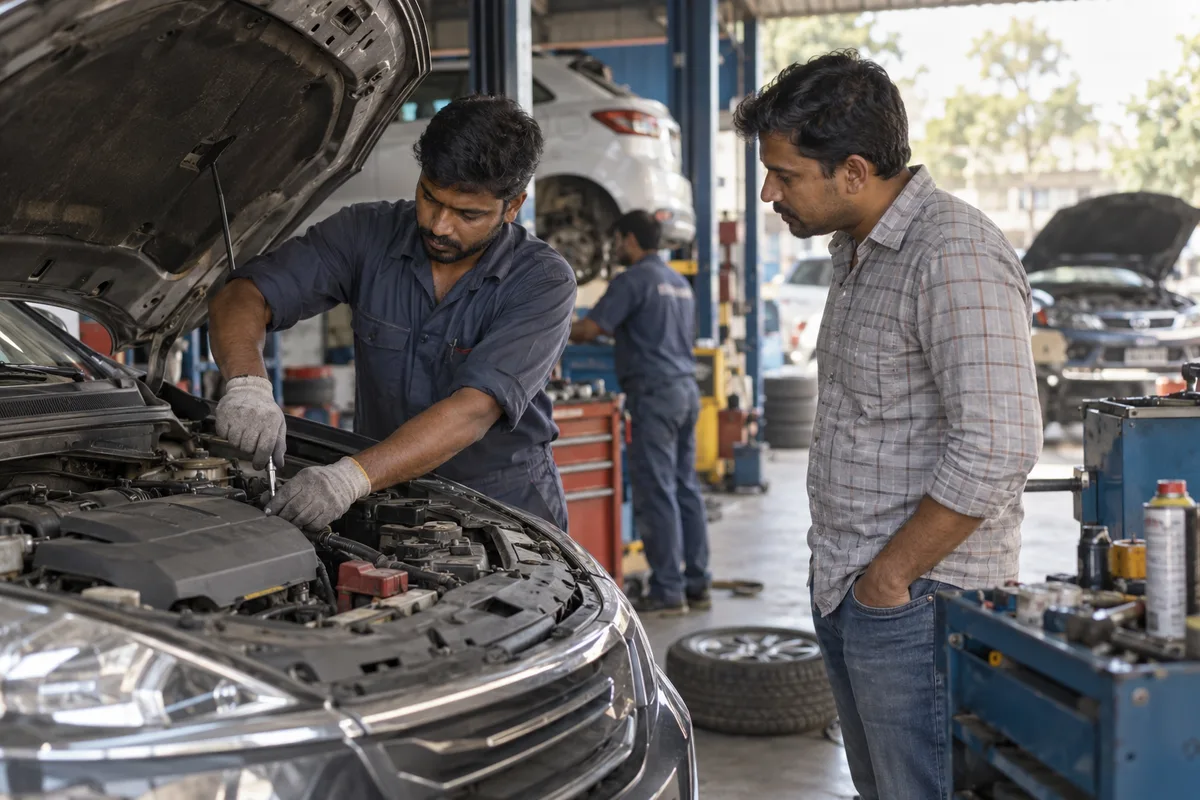
Lead generation for an auto repair shop means being visible in local search and to referral sources such as insurance agents and used-car dealers. New customers can then find you at the exact moment they need a garage. GullySales builds this around your specific services and locality.
Scope, fee, reporting and term are agreed in writing after we have read your brief and spoken to you.
What lead generation means
Lead generation is the combined work of every channel that brings in a new enquiry, whether from search, adverts, referrals or a stall at an exhibition. GullySales runs these channels together and reports the number of enquiries each one produced, not the activity behind it.
Last updated 5 Oct 2026.
For auto repair shops
Where it usually goes wrong, and what we would do.
“Insurance agents and used-car dealers are an overlooked referral source”
An insurance agent handling a claim or a dealer selling a used car both regularly need a trusted garage to recommend. A direct relationship with a few of them brings steady referrals.
“Local search brings in the urgent, high-intent customer”
A search for a specific service and locality, such as brake repair near a particular area, reaches a customer who is ready to book, not just browsing.
“Fleet leads need direct outreach, not just search visibility”
A business with several vehicles is unlikely to find you through a casual search, and is better reached through a direct approach offering a standing service agreement.
What we do
What we deliver for auto repair shops.
Every deliverable, what it covers for you, and the result it is there to produce. Nothing here is an extra.
Insurance agent and dealer outreach list
A short list of local insurance agents and used-car dealers approached directly for a steady referral relationship.
Result: The garage gets a repeat referral source instead of one-off word of mouth.
Locality and service search pages
Pages built for a specific service and locality, such as brake repair near a named area, reaching a driver ready to book.
Result: Urgent, ready-to-book searches find the garage instead of a competitor.
Fleet outreach pitch and agreement offer
A direct approach and standing service agreement offer for local businesses running several vehicles.
Result: Fleet accounts get approached instead of waiting to stumble on the garage.
Referral tracking by source
A record showing whether each new enquiry came from an insurance agent, a dealer, search or an existing customer.
Result: You know which referral relationship is actually worth nurturing.
High-value service campaign focus
Marketing effort weighted toward services with real local search volume, such as denting and painting.
Result: Effort goes toward the services most likely to bring in a booking.
How the result is measured
- Enquiries generated
- Cost per enquiry
- Enquiries by source
Recorded as a baseline before work starts, so every later report has an honest comparison.
Where enquiries come from
The places a service booking reaches a garage, and what to record at each.
- A call from the Google Maps listing
- Ask the vehicle, the problem and when they can bring it. Write 'Maps' as the source and check that your listing shows today's working hours.
- A WhatsApp message with a photo or video of the fault
- Record the vehicle and the fault, and ask for the registration number. Reply with an inspection slot and the check charge, not a final estimate.
- A walk-in on the road outside
- Write down the vehicle, the work and a phone number even for a small job. Offer a reminder for the next service date before they leave.
- A referral from an insurance agent or used-car dealer
- Note who sent the car and what work was involved. Thank the agent after the job and tell them when the car is ready.
- A fleet or company contact
- Record the company, vehicle count and the person who approves repairs. Offer one contact person in the garage who handles that account.
- A returning customer's call
- Pull up the earlier job card before replying, and tell them what was done last time. Record whether the visit was due for a service or for a fault.
Who it is for
This is written for these auto repair shops.
- Multi-brand service garages
- Authorised brand service centres
- Denting and painting specialists
- Two-wheeler service centres
- Fleet and commercial vehicle service providers
- Insurance-claim repair specialists
Not for
It is not the right fit if.
- Calls to the garage go unanswered while the mechanics are under cars, so more searches would produce more missed calls.
- The garage has not decided which jobs it wants more of, so every enquiry would be treated the same and the profitable ones would be lost among small repairs.
How it works
How the lead generation work runs
The work itself, in order. How an engagement starts, from your brief to a written scope, is set out on our method page.
- 1
Understand your capacity
We ask how many enquiries your team can answer well, who answers after hours, and what a good enquiry looks like. Without this, the system fills a funnel nobody is watching.
- 2
Audit current sources
We read your call log, WhatsApp chats, enquiry sheet and platform dashboards. The baseline is recorded: enquiries by source, reply time, conversion and cost per order.
- 3
Strategise the channel mix
Search and maps are chosen for people ready to buy, ads for people who are not yet looking, and content and referrals for trust.
- 4
Implement capture and follow-up
Pages, forms, tags, the lead record and the first-reply message are built and tested end to end. We submit test enquiries ourselves before any media money is spent.
- 5
Measure and optimise
Enquiries are traced to source and judged by what became orders, not by volume alone. Channels that fill the sheet with poor enquiries are cut back. How often you are reported to is agreed in writing.
Where this fits
Three pieces of sales work, in this order.
This work sits inside sales process design, at stage 1, prospecting and lead generation. The audit comes before it, and sales management keeps it running.
Step 1
Sales audit
Find where deals are being lost and what to fix first.
Start here if you cannot say where orders are lost.
Step 2 · you are here
Sales process design
One written way to sell, from first enquiry to repeat order.
Start here if every salesperson sells differently.
Step 3
Sales management
A target, a review routine and someone who owns the number.
Start here if the team has targets and no routine.
FAQ
Questions owners ask before they call.
Not here? More answers, or ask on WhatsApp.
How do we build referral relationships?
Is paid advertising worth it for a local garage?
How do we know which source brought a customer in?
A customer rang and the car never came. Should we call again?
How much does it cost?
How long is the contract?
How soon will we see results?
Who will actually do the work?
What do you need from us?
What if we are not happy with the work?
From the blog
Further reading for auto repair shops.
 5 min read · 11 Oct 2026Using due dates to bring vehicle owners back: service, insurance and pollution checksHow a workshop or dealer can record each vehicle's next service, insurance and pollution-check dates, then call owners with a real reason instead of a generic offer.
 6 min read · 6 Oct 2026How buyers choose a showroom, workshop or parts counterCar, bike, repair and parts buyers send one enquiry to several sellers and pick the first clear answer. This post lists what each buyer checks, and where a dealer or workshop quietly loses them.
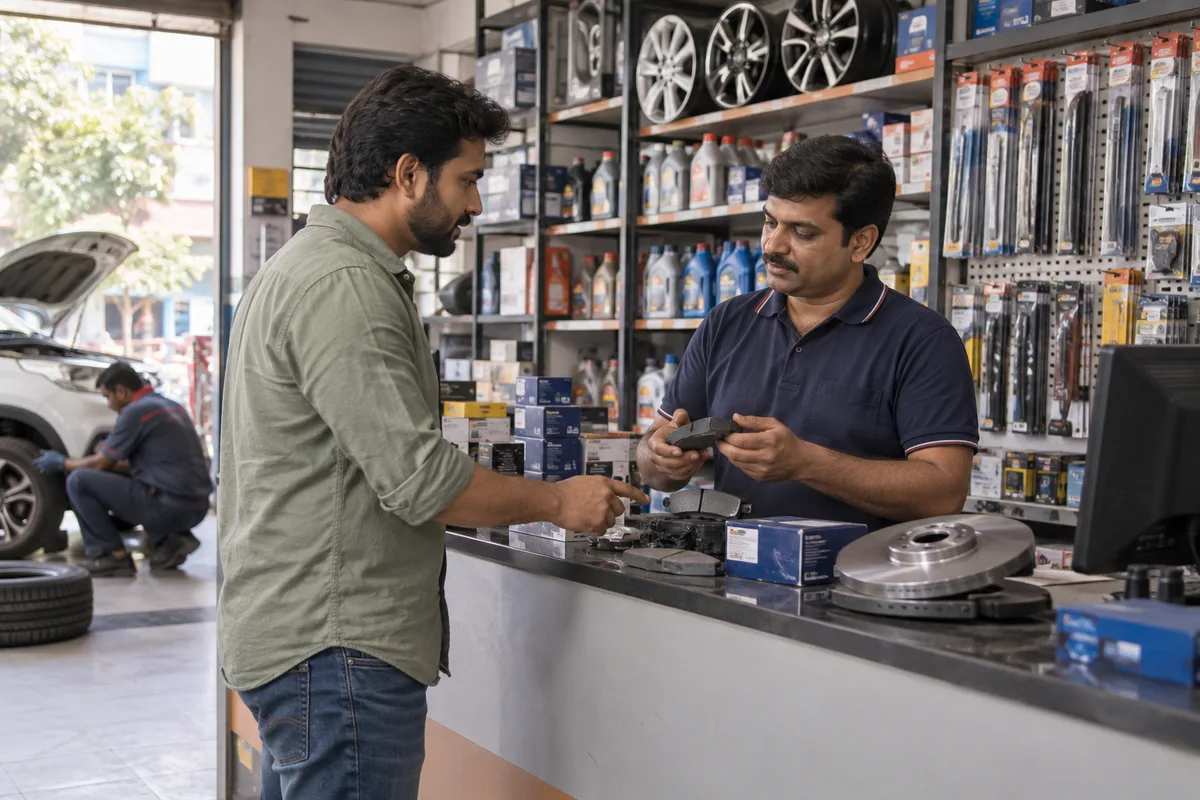 6 min read · 1 Oct 2026Serving the workshop trade and the walk-in buyer at the same parts counterHow an auto parts shop can run two lanes at one counter: an account lane for garages that buy on speed and credit, and a retail lane for walk-in owners who buy on price and advice.
More for auto repair shops
Everything else we would do for you.
Closest to this: leads and follow-up
Also for auto repair shops
Or start from the overview: sales and marketing for auto repair shops.
Your next practical step
Tell us what you are trying to grow, and we will read it before we call.
Eight short steps, mostly taps. Skip anything you would rather answer on the call.