Car dealers · Social media
Delivery photographs are the content this trade never runs out of.
A dealership's social accounts live on deliveries, walkarounds and launch days, all of it inside the manufacturer's rules on model images and claims. GullySales sets the routine, takes consent for customer photographs, and gives each salesperson something worth putting on their own status.
Scope, fee, reporting and term are agreed in writing after we have read your brief and spoken to you.

What social media means
Social media is the ongoing posting your business does on platforms such as Instagram, Facebook and LinkedIn to stay visible to customers and prospects between purchases. GullySales plans a posting calendar, writes captions and designs the images so the page looks active and answers what a visitor would ask.
Last updated 5 Oct 2026.
For car dealers
Where it usually goes wrong, and what we would do.
“The salesperson's own status reaches the buyers”
A consultant with four hundred contacts and a photograph of this morning's delivery does more than the showroom page. Give them the picture and the line to use with it.
“Consent for a delivery photograph takes ten seconds”
Families are pleased to be photographed with the car and much less pleased to find it posted without being asked. Ask on the day, note it down, and the library builds itself.
“Walkarounds answer what the review videos leave out”
National reviewers cover the drive. Buyers still want to see boot space with a pram in it, the third row for a tall passenger, and whether a variant has the feature they saw.
“The brand decides what a model image may say”
Prices, schemes, colours and comparisons in a post fall under the dealer advertising rules. Check before posting, not after a call from the regional office.
What we do
What we deliver for car dealers.
Every deliverable, what it covers for you, and the result it is there to produce. Nothing here is an extra.
A routine anybody can keep
One delivery post, one walkaround and one workshop or offer post each week, planned a fortnight ahead.
Result: The page stays alive without a crew being hired.
Consent taken on delivery day
A short written permission for photographs and video, taken with the paperwork and filed with the delivery record.
Result: The photo library grows without complaints.
Variant walkarounds shot in your showroom
Boot space, the third row, the differences between variants and the accessory packs, filmed on a phone with a consultant talking.
Result: Buyers get the answers the reviewers skip.
Material prepared for consultants' status
The picture, the line and the number to use, sent to every salesperson on the same morning.
Result: Each consultant's contacts hear from your showroom.
Posts checked against the dealer rules
Model images, scheme wording, finance claims and comparisons read against the current manufacturer guidelines before publishing.
Result: Nothing has to be taken down later.
Social enquiries treated as leads
Messages and comments routed into the lead system with a source, and worked in the same minutes as a portal lead.
Result: Social enquiries get called instead of collected.
How the result is measured
- Posts published
- Engagement rate
- Enquiries from social profiles
Recorded as a baseline before work starts, so every later report has an honest comparison.
Platform for this buyer
Where a car buyer looks before walking into a showroom, and what to post there.
- Instagram reels of deliveries and walkarounds
- Show a delivery moment, with the family's consent, and a consultant walking round a variant. Name the model and variant in the caption. The action is to message a request for a test drive.
- YouTube, for the which-variant question
- Have a consultant compare two variants for a family, in the local language. Quote only the manufacturer's stated figures and name the source. The action is to send the budget and the variant on WhatsApp.
- WhatsApp for loan and exchange follow-up
- Send a plain list of documents for a car loan and for exchange valuation to buyers who have enquired. The action is to book the valuation visit or send the documents.
- Google Business Profile posts for the showroom
- Post new arrivals on the floor, test-drive cars available, delivery bay photographs and timings. The action is a call or a request for directions. Keep the workshop on its own profile.
- LinkedIn, for fleet and electric buyers
- Show an electric car handover to a company or a fleet order, with the buyer's permission. The action wanted is a message to the sales head for fleet and corporate buying.
- What not to post
- On-road prices or scheme wording that the manufacturer has not approved, a customer's registration number, a comparison with another brand's car, or a delivery with a child's face and no consent.
Who it is for
This is written for these car dealers.
- Authorised new car dealerships for mass-market brands
- Premium and luxury car dealerships
- Electric vehicle dealers and experience centres
- Multi-brand pre-owned car dealers
- Manufacturer-certified used car outlets
- Commercial vehicle and taxi fleet dealers
- Dealer groups with several showrooms and workshops
- Rural and semi-urban dealer outlets
Not for
It is not the right fit if.
- You have no consent wording for delivery photographs, so your best content cannot be posted.
- No one answers comments and messages on the same day, and a social enquiry unanswered is a lost lead.
- You plan to post offers that the brand has not approved, which the dealer rules do not allow.
How it works
How the social media work runs
The work itself, in order. How an engagement starts, from your brief to a written scope, is set out on our method page.
- 1
Confirm audience, platforms and access
We note which platforms your buyers use and check that the pages sit under your own business accounts, with you as owner and us as added roles.
- 2
Review the current presence
We read the existing pages, the posts that drew replies and the gaps in posting.
- 3
Build the calendar
Themes, formats and dates are set out for your approval, with space for offers and news.
- 4
Create, approve and publish
Posts are made, approved by you and scheduled. Replies to the public are handled in your voice.
- 5
Record enquiries and adjust
Enquiries are logged against the post or platform where they began, and the mix changes to follow what brings them.
Where this fits
Three pieces of sales work, in this order.
This work sits inside sales process design, at stage 0, foundation. The audit comes before it, and sales management keeps it running.
Step 1
Sales audit
Find where deals are being lost and what to fix first.
Start here if you cannot say where orders are lost.
Step 2 · you are here
Sales process design
One written way to sell, from first enquiry to repeat order.
Start here if every salesperson sells differently.
Step 3
Sales management
A target, a review routine and someone who owns the number.
Start here if the team has targets and no routine.
FAQ
Questions owners ask before they call.
Not here? More answers, or ask on WhatsApp.
Can we post prices and offers?
Should each salesperson run their own page?
Should a used-car dealer show the registration number and kilometres?
Who answers a comment about our service workshop on a sales post?
How long is the contract?
How soon will we see results?
Who will actually do the work?
What do you need from us?
What if we are not happy with the work?
From the blog
Further reading for car dealers.
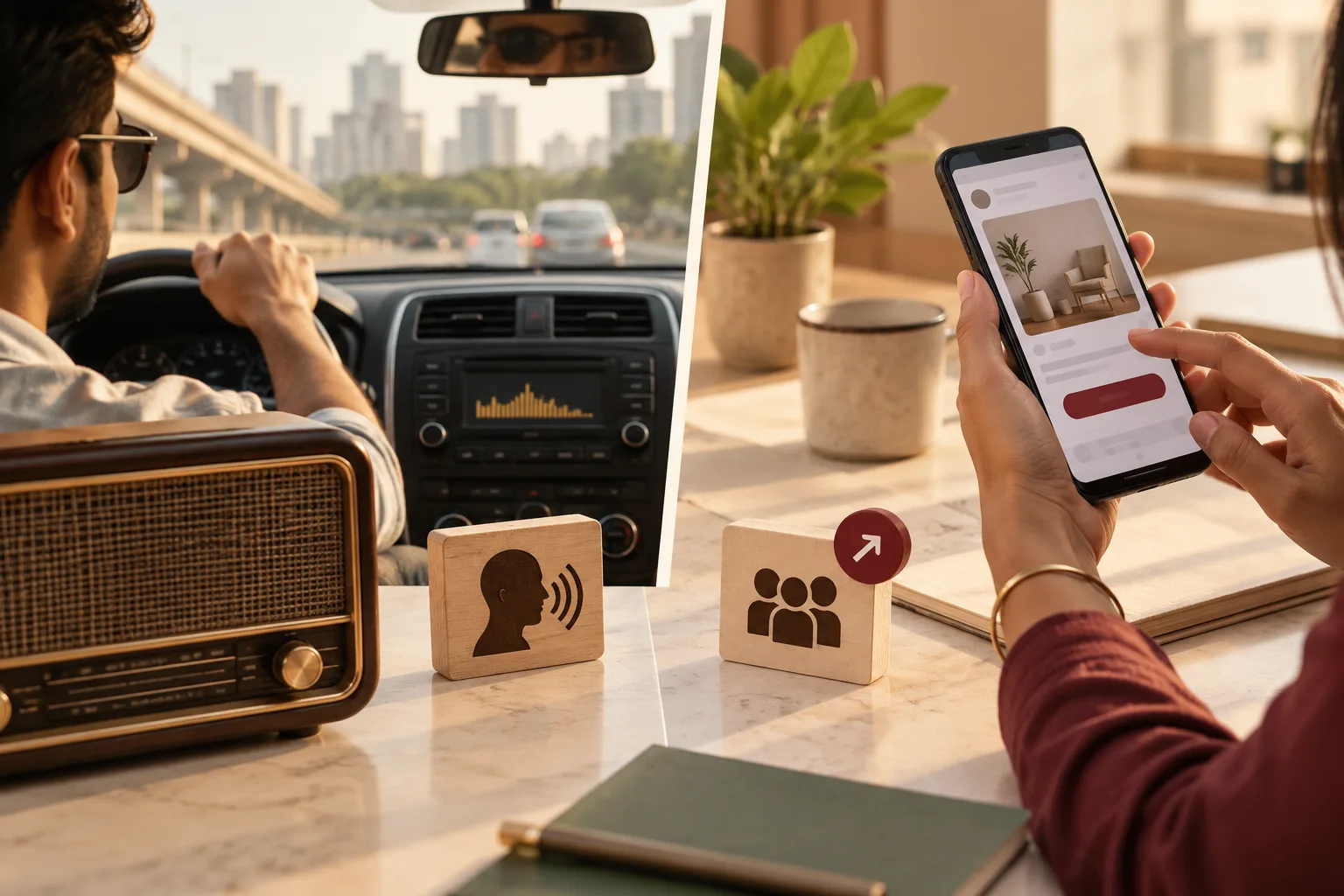 6 min read · 21 Sept 2026Radio advertising vs social media advertising: where should your money go?Radio reaches a driver who cannot click. Social reaches a thumb that can. One buys a name people remember, the other buys the enquiry itself.
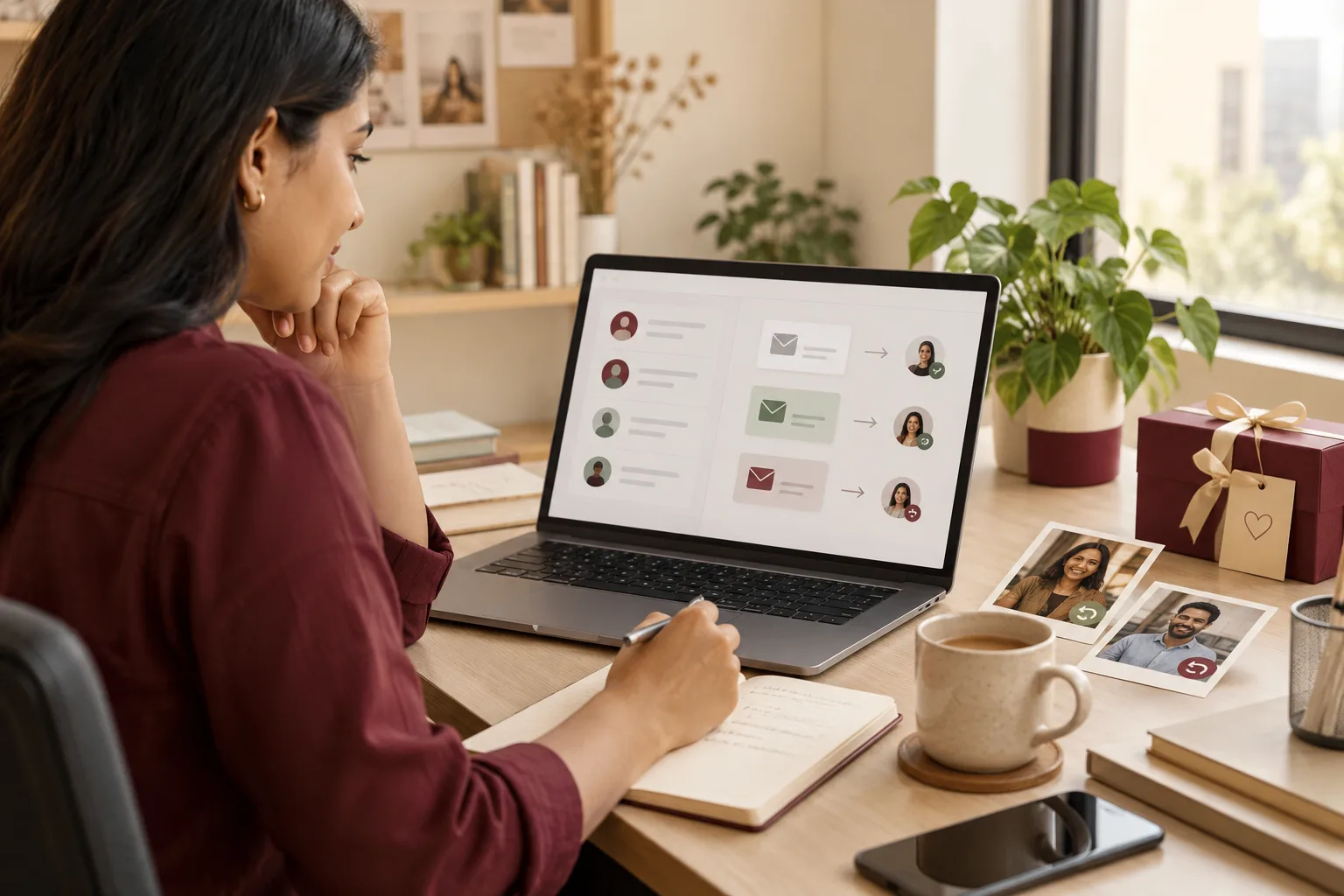 5 min read · 11 Oct 2026Using due dates to bring vehicle owners back: service, insurance and pollution checksHow a workshop or dealer can record each vehicle's next service, insurance and pollution-check dates, then call owners with a real reason instead of a generic offer.
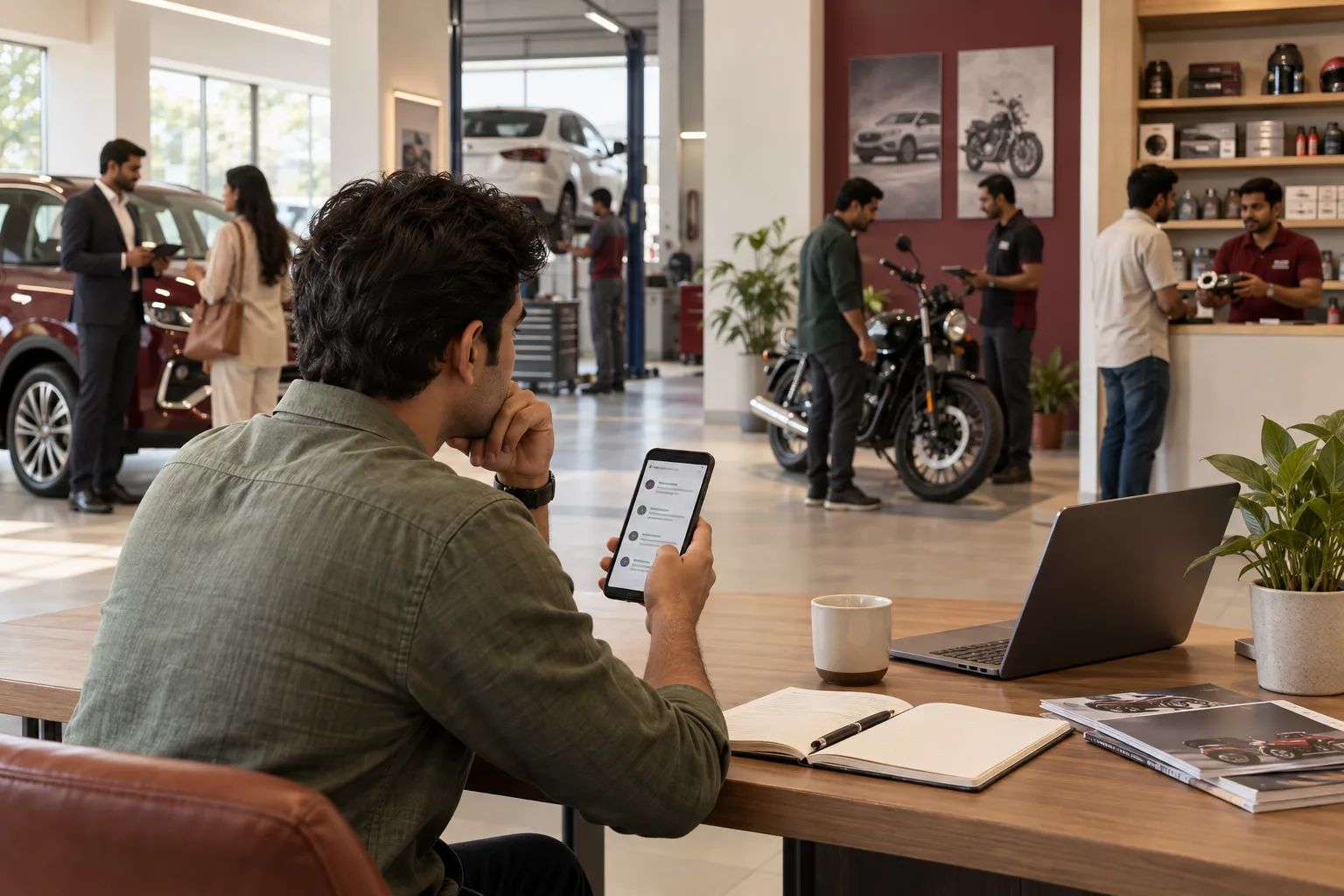 6 min read · 6 Oct 2026How buyers choose a showroom, workshop or parts counterCar, bike, repair and parts buyers send one enquiry to several sellers and pick the first clear answer. This post lists what each buyer checks, and where a dealer or workshop quietly loses them.
More for car dealers
Everything else we would do for you.
Closest to this: content and social
Also for car dealers
Or start from the overview: sales and marketing for car dealers.
Your next practical step
Tell us what you are trying to grow, and we will read it before we call.
Eight short steps, mostly taps. Skip anything you would rather answer on the call.