Veterinary clinics · Customer retention and reactivation campaigns
Bring back the pet owners whose animal is overdue and nobody has called.
For a veterinary clinic, retention and reactivation means contacting pet owners whose animal has slipped past a booster, a check-up or a follow-up, with a reason that fits their situation. GullySales works from your patient records to find who is overdue, prepares messages for each group and gives the front desk a call list.
Scope, fee, reporting and term are agreed in writing after we have read your brief and spoken to you.
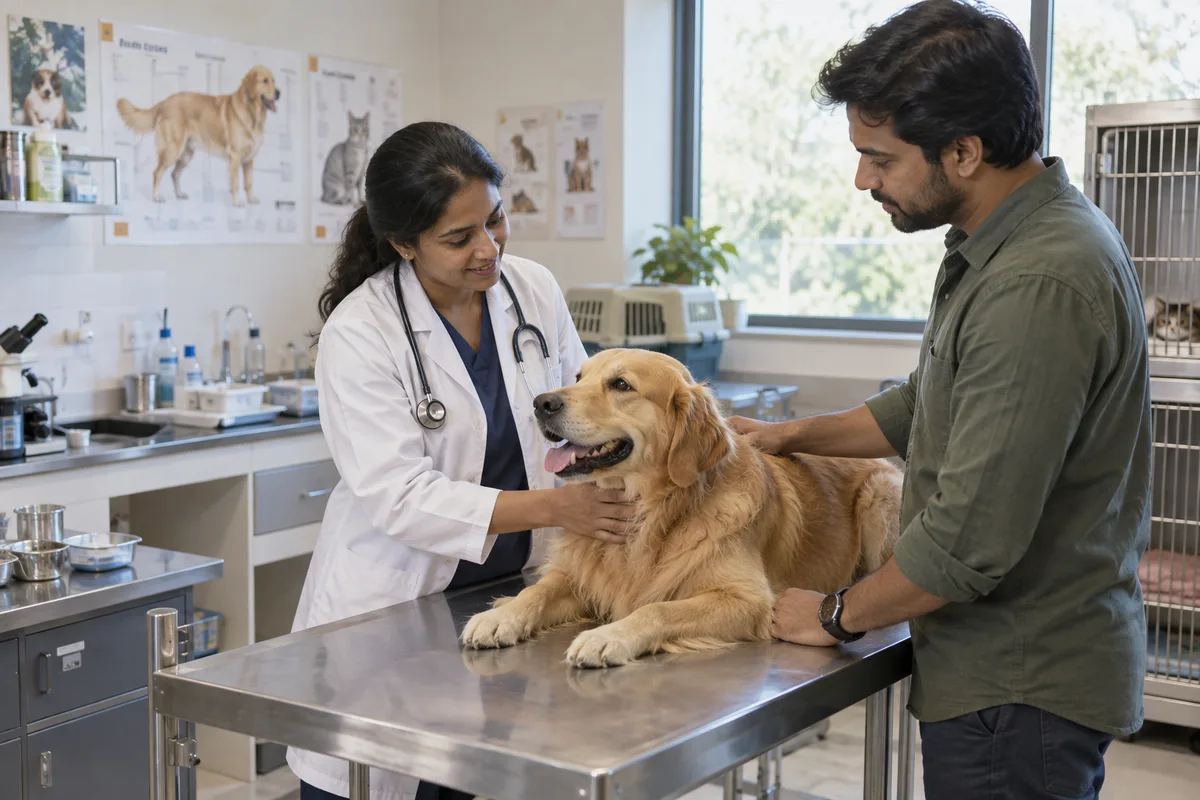
What customer retention and reactivation campaigns means
Customer retention and reactivation campaigns are planned outreach to customers whose buying has slowed or stopped, based on their purchase history and reasons for leaving. GullySales identifies who to contact, prepares messages for each group, and gives your sales team the customer history needed to follow up, with results traced to repeat orders or bookings.
Also for veterinary clinics
- Customer retention for veterinary clinics
- Referral marketing for veterinary clinics
- Customer referral programmes for veterinary clinics
- Apartment advertising for veterinary clinics
- Branding for veterinary clinics
- Buyer journey for veterinary clinics
- Buyer personas for veterinary clinics
- Content marketing for veterinary clinics
Sales and marketing for veterinary clinics, the overview.
Last updated 14 Nov 2026. Rules for this trade differ by state and professional body, and they change. We describe restrictions in general terms, so check the current position with your own council or adviser before you publish anything.
For veterinary clinics
Where it usually goes wrong, and what we would do.
“A patient record shows the gap, not the reason”
The register says a dog last came in for a vaccination, but it does not say why the next visit never happened. The owner may have moved house, found a closer clinic, disliked the wait, or felt the last estimate was too high. A single reminder sent to everyone treats these as one problem. For a clinic, the useful first step is a short, polite question to a sample of lapsed owners, so the message later sent matches what actually changed.
“Loss in a vet clinic is sometimes a bereavement”
Some owners stop coming because the animal has died. A cheerful booster reminder arriving after that is worse than silence, and it can end a relationship that might have continued with another pet. A clinic has to keep an exclusion record that the vet and front desk both update, covering deceased patients, rehomed animals and owners who asked not to be contacted. Without it, a reactivation list becomes a source of complaints rather than repeat visits.
“Different animals fall quiet for different reasons”
A puppy that finished its first vaccination series, an adult dog due a yearly booster, a cat on a long treatment plan and a senior animal needing regular check-ups are four different conversations. Lumping them together means a reminder about a puppy schedule reaches the owner of an elderly cat. The clinic's own visit types are the right way to group owners, and each group needs wording that reflects where that animal is in its care.
“The follow-up lands with nobody”
An owner replies to a reminder on WhatsApp asking about a slot, and the message sits on a phone that the front desk does not check during a busy surgery morning. The reply is the moment of interest, and it cannot be allowed to wait. A named person at the clinic needs to own every reply, with a way to record whether it became a booking, a polite decline or a request to stop contact.
What we do
What we deliver for veterinary clinics.
The work available for this need. We agree the deliverables and responsibilities for your engagement in writing.
Overdue and lapsed patient lists
A working list built from your practice software, appointment book or vaccination cards, grouped by visit type and by how long the usual gap has been exceeded. The vet reviews who belongs on it, because a gap that is normal for an exotic pet may be a warning sign for a puppy.
Result: You can match any name on the list to a record showing the last visit and the visit that is due.
Contact permission and exclusion record
A record of which owners have agreed to hear from the clinic and by which channel, plus deceased, rehomed and do-not-contact patients. You decide the channel for each group, and unclear cases are held back until the clinic confirms them. Messaging rules differ by place, so your own adviser confirms what applies.
Result: Every owner on an outreach list has a recorded channel, and every excluded patient is listed with the reason.
Reasons-for-leaving notes
Notes from a small number of courteous calls or messages asking lapsed owners what changed, such as a move, a wait, a cost conversation or a closer clinic. The vet reads the actual answers before the campaign is set, so wording is built on what owners said and not on what the clinic assumes.
Result: Each reason named in the campaign plan points back to replies you have read.
Messages for each owner group
Drafts for WhatsApp, text or email and short call prompts for the front desk, one set for each agreed group, such as puppy schedule, adult booster, senior check-up and post-treatment follow-up. The vet approves wording, and no message makes a clinical claim or promises an outcome for the animal.
Result: You can read the message sent to each group and see which patient condition it was based on.
Reason-to-return plan
A written, specific reason for each group to come back, such as an available appointment time, a reminder that a due vaccination protects against named diseases in general terms, or a corrected process after a past complaint. Any offer is checked by the clinic for whether it can honour it. Advertising rules differ by profession and place, so your council or adviser decides the wording.
Result: Every reason to return is written down with the person who confirmed the clinic can deliver it.
Reply and booking record
A shared record that links each reply to the owner group, the person who handled it and the outcome, whether booked, declined or asked to stop. It is compared with the appointment book afterwards, so a return is counted only when a visit appears there.
Result: A reported return can be found as a visit in your appointment records, not only as a message that was opened.
How the result is measured
- Customers reached and replies by campaign group, separate from clicks
- Reply time for customers requesting a sales conversation
- Qualified repeat-purchase opportunities with a recorded requirement
Recorded as a baseline before work starts, so every later report has an honest comparison.
Who it is for
This is written for these veterinary clinics.
- Small animal clinics
- Multi-vet veterinary hospitals
- Mobile and home-visit vet services
- Exotic and avian veterinary practices
- Farm and large animal veterinary services
- Pet grooming and wellness clinics with vet services
- 24-hour emergency veterinary hospitals
- Veterinary diagnostic and referral centres
Before you decide
Agree the work. Know how to judge it.
Customer retention and reactivation campaigns for veterinary clinics: use these checks to prepare, choose the scope, and review what changes.
Bring the right evidence
Review repeat orders, inactive customers, and reasons for leaving. Separate a normal buying interval from a customer who stopped because of an unresolved problem.
Make the scope clear
Choose the customer group and the reason to contact them. Agree how complaints, renewal decisions, and additional offers are handled, including when a sales message is inappropriate.
Check the work in use
Track the response through to a retained or repeat order, with discounts and service costs visible. Record why the customer returned rather than crediting every repeat purchase to the campaign.
Know when to change course
If customers leave because delivery is unreliable, fix that before offering a loyalty reward. Repeated promotions can hide the cause without improving the experience.
These are discussion points, not a fixed package. GullySales confirms the deliverables, responsibilities, fee, and term in writing after reading your brief and speaking with you.
Before we start
What to have ready before the work starts.
The records, access and decisions this work needs from veterinary clinics. Anything missing is noted in the written scope, with who will supply it.
- Patient and visit records
- We need a list of animals, owners, last visit dates and visit types, from your software or a paper register. Without visit types we cannot separate a puppy schedule from a senior check-up, and the list becomes a single generic reminder that fits nobody.
- Owner contact permissions
- Tell us what the clinic knows about consent to receive WhatsApp, text, email or calls, and where that is recorded. If nothing is written down, we hold back messaging for that group until the clinic decides how to ask, and your adviser confirms the rule.
- Deceased and do-not-contact list
- The vet or practice manager marks animals that have died, been rehomed or belong to owners who asked to stop. Missing this list is the gap that does the worst harm, because a reminder to a bereaved owner cannot be taken back once it is read.
- Normal gaps for each visit
- A short note from the vet on how long a gap is normal for each type of visit and which animals are exceptions. Without it, we would call a healthy exotic patient overdue or miss a puppy whose schedule has genuinely slipped.
- A named person for replies
- Choose who at the clinic reads replies and rings back, and who covers when that person is in surgery or on leave. If nobody is named, replies pile up in a phone nobody checks, and interested owners go to another clinic.
How it works
How the customer retention and reactivation campaigns work runs
The work itself, in order. How an engagement starts, from your brief to a written scope, is set out on our method page.
- 1
Agree what overdue means here
You tell us how your clinic defines overdue for each visit type, such as the usual booster gap for an adult dog or the follow-up point after a procedure. We write it down with exceptions for exotic animals and long treatment plans, so the list reflects your clinical judgement.
- 2
Pull the records into one list
You give us a read-only export or copies from your practice software, appointment book or paper cards. We combine them, flag missing phone numbers, duplicate owners and animals with no recorded visit, and send the gaps back to you before anyone is contacted.
- 3
Remove who should never be contacted
The vet and the front desk go through the list together and mark deceased patients, rehomed animals, owners who asked to stop, and any case the clinic wants handled personally. We record each exclusion and the reason, and nothing is sent until you sign off the cleaned list.
- 4
Ask a sample why they left
A small group of lapsed owners is asked, politely and without selling, what changed. We read the replies with you, separate reasons the clinic can act on from those it cannot, and record any complaint that needs a private conversation from the vet before an invitation goes out.
- 5
Write and approve the messages
We draft a message for each owner group and a call prompt for the front desk, using the real reasons collected. You and the vet edit them, the clinic confirms every offer or available slot can be honoured, and your own council or adviser checks wording where the profession's rules require it.
- 6
Send, own the replies, read the result
Messages go out in the groups you approved, and each reply goes to a named person at the clinic. After the outreach, we compare recorded returns with your appointment book and with the starting count of overdue animals taken before the work began, then tell you plainly what moved and what did not.
Where this fits
Three pieces of sales work, in this order.
This work sits inside sales process design, at stage 7, after the sale. The audit comes before it, and sales management keeps it running.
Step 1
Sales audit
Find where deals are being lost and what to fix first.
Start here if you cannot say where orders are lost.
Step 2 · you are here
Sales process design
One written way to sell, from first enquiry to repeat order.
Start here if every salesperson sells differently.
Step 3
Sales management
A target, a review routine and someone who owns the number.
Start here if the team has targets and no routine.
FAQ
Questions owners ask before they call.
Not here? More answers, or ask on WhatsApp.
How do we know which pet owners have really stopped coming?
Will you message owners whose pet has died?
Do we have to offer a discount to win owners back?
Can the campaign say a vaccination will keep the animal healthy?
What happens when an owner replies asking about a diagnosis?
How will we know the campaign worked?
How much does it cost?
How long is the contract?
How soon will we see results?
Who will actually do the work?
From the blog
Further reading for veterinary clinics.
 8 min read · 19 Aug 2026The pet parent journey: from the first search to regular visitsThe pet parent journey runs from the first anxious search to years of repeat visits. Here are the stages, and where Indian clinics lose owners.
 7 min read · 20 May 2026Loyalty programmes for pet clinics: the ones owners actually useA pet clinic loyalty programme is not a points card. It is a wellness plan paid up front, reminders for care already due, and one small benefit.
 6 min read · 26 Aug 2026Pet grooming marketing: how to get grooming and boarding customersPet grooming marketing runs on Maps, reviews, photographs and fast replies, while boarding is won on trust. Fill both and plan for each.
More for veterinary clinics
Related work to consider.
Closest to this: customers after the sale
Also for veterinary clinics
Or start from the overview: sales and marketing for veterinary clinics.
Your next practical step
Tell us what you are trying to grow, and we will read it before we call.
Eight short steps, mostly taps. Skip anything you would rather answer on the call.