Veterinary clinics · Sales management
See which recommended treatments owners never booked.
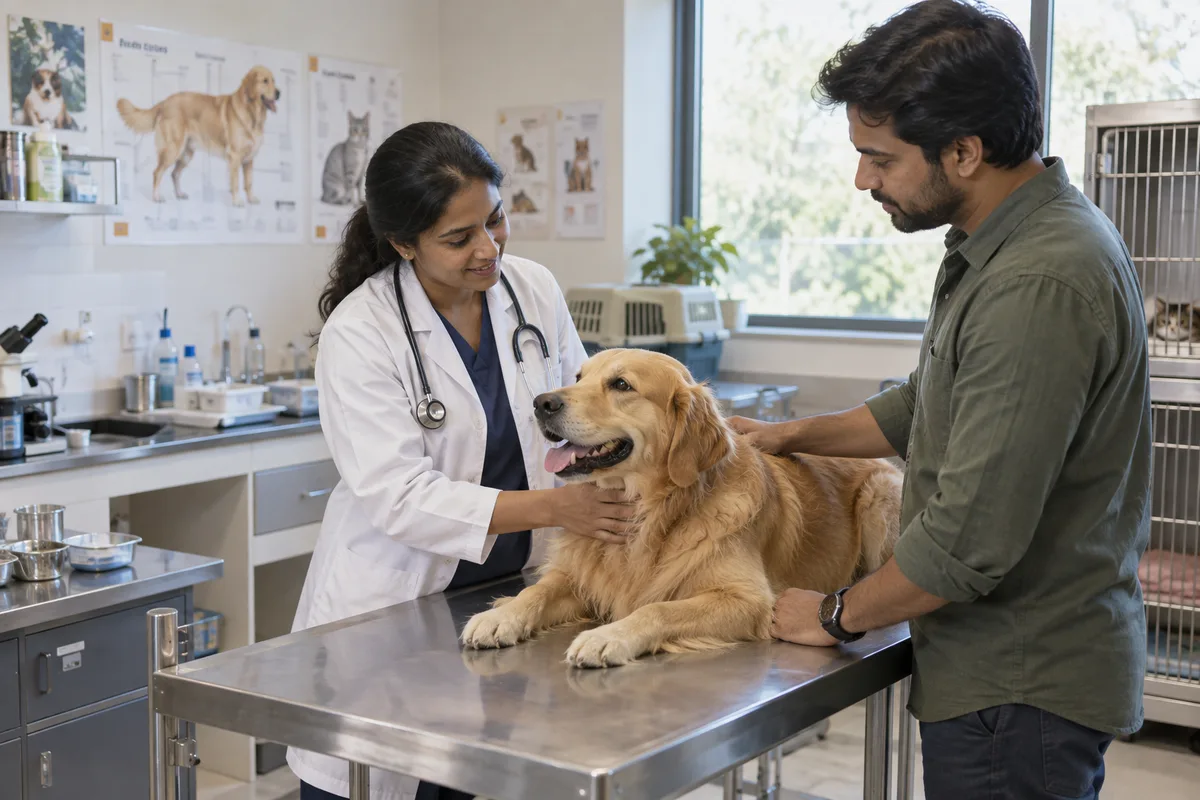
Sales management for a veterinary clinic means tracking recommended treatments, follow-up appointments and enquiries in one place so nothing is forgotten between a vet's recommendation and a booked procedure. GullySales builds this record with your vets and goes through the pending list with them.
Scope, fee, reporting and term are agreed in writing after we have read your brief and spoken to you.
What sales management means
Sales management is the ongoing work of reviewing a sales team's pipeline, calls and targets, and stepping in on deals that are stuck. GullySales sets the review rhythm and the reports a sales manager needs to run this without relying on gut feel.
Also for veterinary clinics
- Sales enablement for veterinary clinics
- Sales process for veterinary clinics
- Sales training for veterinary clinics
- Apartment advertising for veterinary clinics
- Branding for veterinary clinics
- Buyer journey for veterinary clinics
- Buyer personas for veterinary clinics
- Content marketing for veterinary clinics
Sales and marketing for veterinary clinics, the overview.
Last updated 8 Nov 2026. Rules for this trade differ by state and professional body, and they change. We describe restrictions in general terms, so check the current position with your own council or adviser before you publish anything.
For veterinary clinics
Where it usually goes wrong, and what we would do.
“A recommended surgery an owner is thinking over needs follow-up”
An owner told to think about a procedure and never followed up often simply forgets, not necessarily declines, and a scheduled check-in recovers some of these.
“Multi-vet clinics need visibility across all vets, not just one”
When each vet tracks their own recommendations informally, the clinic cannot see the full picture of pending treatments across the practice.
“Enquiries about a specific service need their own view”
Tracking enquiries about a newer service, such as dental care, separately shows the clinic whether it is worth promoting further.
What we do
What we deliver for veterinary clinics.
Every deliverable, what it covers for you, and the result it is there to produce. Nothing here is an extra.
A tracking record for recommended treatments
A record in the CRM of every treatment a vet recommends, so a procedure an owner is thinking over is not simply forgotten by the clinic.
Result: A recommendation the owner was still considering does not quietly disappear.
One shared view of pending treatments across vets
A single record combining recommendations from every vet in the practice, replacing informal, individual tracking that hides the full picture.
Result: The clinic sees every pending treatment, not only the ones one vet remembers.
A separate view for a specific service's enquiries
Enquiries about a newer service, such as dental care, tracked apart from general enquiries so the clinic can judge whether it is worth promoting further.
Result: You can see clearly whether a newer service is gaining interest.
A scheduled check-in for undecided treatment plans
A follow-up call built into the process for an owner told to think over a procedure, recovering some who simply forgot rather than declined.
Result: An owner who meant to book is given a chance to remember.
A sales management report across vets and services
A summary of recommended, pending and completed treatments across the practice, compared against the baseline.
Result: You can see the full, real pattern of pending treatments.
How the result is measured
- Target achievement
- Pipeline coverage
- Stuck deals resolved
Recorded as a baseline before work starts, so every later report has an honest comparison.
What the clinic manager reviews
Read these six things in the clinic software before the vets' meeting.
- Recommended procedures not booked
- List dental scaling, spaying, neutering and surgeries a vet advised that the owner has not booked. The vet who advised should decide whether the desk calls and what to say.
- Vaccinations and deworming due
- Pull pets due for an anti-rabies booster, DHPPi or deworming from the vaccination records. When reminders were not sent, give the list to one named person at the desk.
- Calls missed in the morning rush
- Check the missed call list for the clinic's busy morning hours. Call back worried owners first, and put another person on the phone during those hours if misses keep happening.
- WhatsApp advice asked without a visit
- Read WhatsApp chats where owners asked about a rash or a medicine. Reply with a consultation slot instead of a diagnosis, and log the request as an enquiry.
- Lab results not yet discussed
- Check blood tests and X-rays ordered where the owner has not come back to discuss the result. A call here is clinical care, so the treating vet decides the next step.
- Enquiries for newer services
- Count enquiries for services such as grooming, boarding or pet dental care, and how many booked. Read these before spending more on promoting them.
Who it is for
This is written for these veterinary clinics.
- Small animal clinics
- Multi-vet veterinary hospitals
- Mobile and home-visit vet services
- Exotic and avian veterinary practices
- Farm and large animal veterinary services
- Pet grooming and wellness clinics with vet services
- 24-hour emergency veterinary hospitals
- Veterinary diagnostic and referral centres
Not for
It is not the right fit if.
- No list of recommended treatments exists, on paper or in software, so a review has nothing to read.
- The vets treat targets as pressure to sell treatment, and a pipeline view should wait until that is settled with them.
How it works
How the sales management work runs
The work itself, in order. How an engagement starts, from your brief to a written scope, is set out on our method page.
- 1
Look at what exists
We ask for the last few weeks of calendars, pipeline records and review notes, and find where the routine breaks.
- 2
Write the routine down
Slots, agendas, attendees and the records each meeting uses are agreed in writing before the first one.
- 3
Clean the pipeline first
Stage definitions are fixed and stale deals removed, so the first review is about real deals.
- 4
Run or coach
We lead the meetings, or sit in while your manager leads and give feedback afterwards.
- 5
Deal with problems as they appear
A slipping number is discussed at the next one-on-one with notes, not stored up for an appraisal.
- 6
Hand over
Your manager or owner takes the routine, with the templates and records, and we step back.
Where this fits
Three pieces of sales work, in this order.
This work sits inside sales management. A target, a review routine and someone who owns the number.
Step 1
Sales audit
Find where deals are being lost and what to fix first.
Start here if you cannot say where orders are lost.
Step 2
Sales process design
One written way to sell, from first enquiry to repeat order.
Start here if every salesperson sells differently.
Step 3 · you are here
Sales management
A target, a review routine and someone who owns the number.
Start here if the team has targets and no routine.
FAQ
Questions owners ask before they call.
Not here? More answers, or ask on WhatsApp.
What tool does a small clinic need for this?
How often should this be reviewed?
Should every vet attend the pending treatments review?
How do I set targets for vets without it feeling like selling treatment?
How long is the contract?
How soon will we see results?
Who will actually do the work?
What do you need from us?
What if we are not happy with the work?
From the blog
Further reading for veterinary clinics.
 6 min read · 26 Aug 2026Pet grooming marketing: how to get grooming and boarding customersPet grooming marketing works on Maps, reviews, before and after photographs and fast replies. Boarding is won on trust. Here is how to fill both, and what a plan should cover.
 8 min read · 19 Aug 2026The pet parent journey: from the first search to regular visitsThe pet parent journey runs from the first anxious search to years of repeat visits. Here are the stages, and where Indian clinics lose owners.
 7 min read · 20 May 2026Loyalty programmes for pet clinics: the ones owners actually useA loyalty programme for a pet clinic is not a points card. It is a wellness plan paid up front, reminders for care that is already due, and one small standing benefit a regular notices.
More for veterinary clinics
Everything else we would do for you.
Closest to this: sales craft
Also for veterinary clinics
Or start from the overview: sales and marketing for veterinary clinics.
Your next practical step
Tell us what you are trying to grow, and we will read it before we call.
Eight short steps, mostly taps. Skip anything you would rather answer on the call.