Amusement parks and family entertainment centres · Follow up systems
Answer the group enquiry, then keep answering until it is booked or closed.
A follow-up system for an amusement park or family entertainment centre is the set of replies, reminders and check-ins that move a group or party enquiry to a booking. GullySales builds the steps so the desk does not rely on memory in a busy week.
Scope, fee, reporting and term are agreed in writing after we have read your brief and spoken to you.
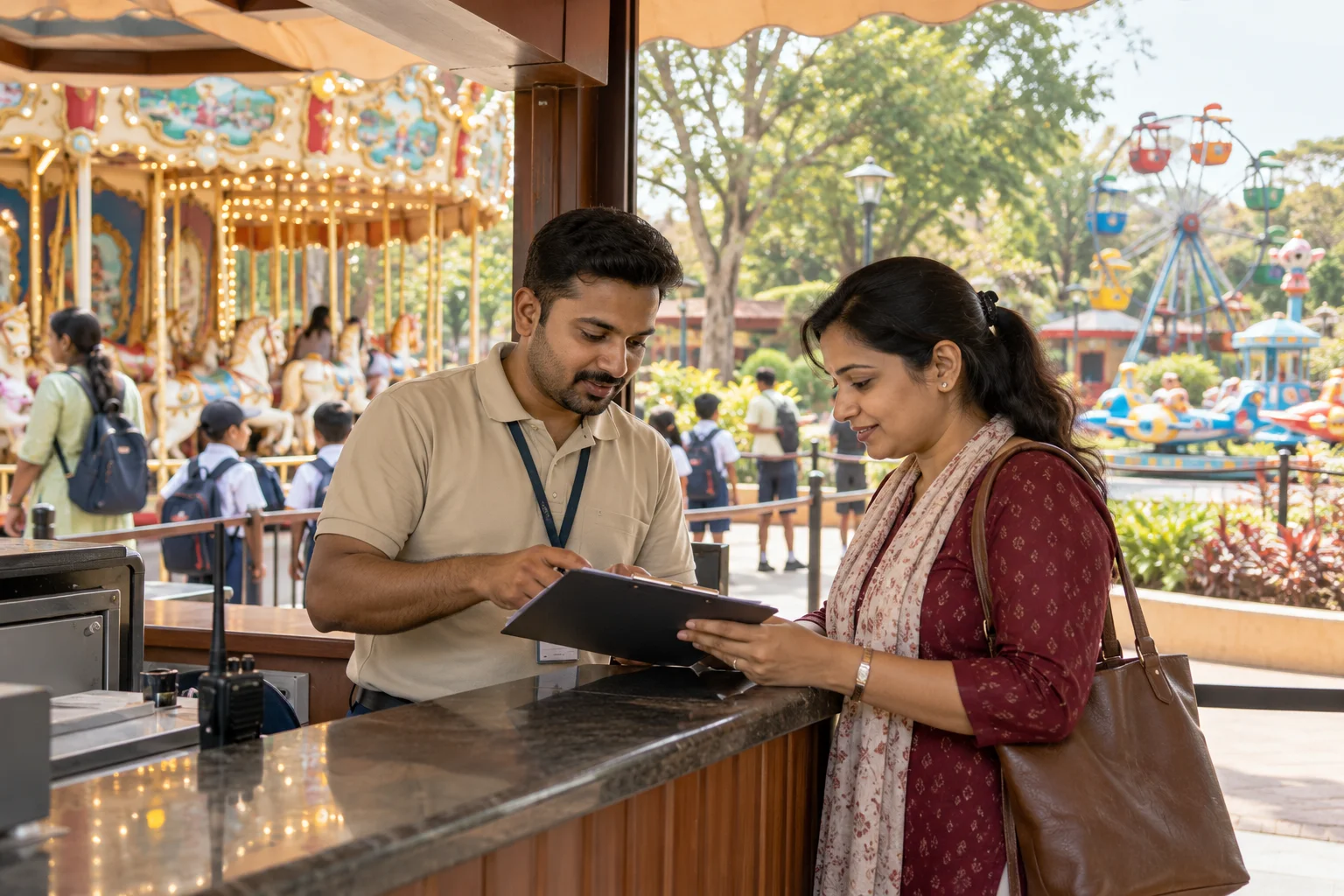
What follow up systems means
A follow-up system is the set routine for calling, messaging or emailing an enquiry more than once, since most buyers do not decide on the first conversation. GullySales sets the number and timing of follow-ups so an undecided buyer keeps hearing from you until they decide either way.
Also for amusement parks and family entertainment centres
- Lead generation for amusement parks and family entertainment centres
- CRM for amusement parks and family entertainment centres
- SEO for amusement parks and family entertainment centres
- Local SEO for amusement parks and family entertainment centres
- Social media marketing for amusement parks and family entertainment centres
- Content marketing for amusement parks and family entertainment centres
- Buyer personas for amusement parks and family entertainment centres
- WhatsApp marketing for amusement parks and family entertainment centres
Sales and marketing for amusement parks and family entertainment centres, the overview.
Last updated 22 Oct 2026.
For amusement parks and family entertainment centres
Where it usually goes wrong, and what we would do.
“The first reply sets the tone”
A teacher who gets a brochure, a rate and a named contact is already comparing you favourably. A teacher who gets a one-word answer is looking elsewhere.
“The decision-maker is someone else”
The coordinator asks, a committee approves. A follow-up should help the coordinator take the offer to the committee, with a summary they can forward.
“After the visit is the second sale”
A thank-you note to the organiser, a request for feedback and a mention of the next season open the next booking. Without it, each visit is a one-off.
“Weather and delays need proactive messages”
Booked groups should hear about closures and changes from you before they travel. A message prepared in advance for rain or maintenance saves complaints.
What we do
What we deliver for amusement parks and family entertainment centres.
Every deliverable, what it covers for you, and the result it is there to produce. Nothing here is an extra.
Enquiry reply template set
Replies for school, corporate, society and birthday enquiries, with fields for date, headcount and package.
Result: Every enquiry gets a complete first reply.
Follow-up schedule by stage
A set of messages for quote sent, no reply, confirmed and after the visit.
Result: The desk knows what to send at each stage.
Organiser summary sheet
A one-page summary of the offer that a coordinator can forward to a committee.
Result: The offer travels to the people who approve it.
Disruption messages
Prepared notices for closures, weather and changes, ready to send to booked groups.
Result: Booked groups hear before they arrive.
After-visit routine
A thank-you and feedback request sent to the organiser, with a link to book the next visit.
Result: Each visit leads to a conversation about the next.
How the result is measured
- Follow-up completion rate
- Average number of follow-ups before close
- Enquiries closed after repeat follow-up
Recorded as a baseline before work starts, so every later report has an honest comparison.
Who it is for
This is written for these amusement parks and family entertainment centres.
- Theme parks and water parks on the outskirts of large cities
- Mall-based family entertainment centres with games and soft play
- Trampoline, adventure and kids activity parks
- Amusement parks attached to resorts and farmhouses
- Fairs, exhibitions and seasonal carnival grounds
- Snow-themed and indoor attraction parks
- School and college picnic organisers
- Corporate outing and employee family-day planners
- Residents' associations and apartment societies planning group trips
- Birthday and kitty party hosts
How it works
How the follow up systems work runs
The work itself, in order. How an engagement starts, from your brief to a written scope, is set out on our method page.
- 1
Measure today's reply time
From last month's enquiries, we measure how long each waited for a first reply and how many follow-ups it got.
- 2
Agree targets and the sequence
We set reply targets and the follow-up sequence with your team, based on its real hours and workload.
- 3
Set up templates, tasks and ownership
Templates, first-call questions, CRM tasks and named owners go live, with cover for leave and weekends.
- 4
Track and adjust every month
Reply time and follow-up completion are reported against the baseline, and the routine is changed where it is not kept.
Where this fits
Three pieces of sales work, in this order.
This work sits inside sales process design, at stage 2, qualification. The audit comes before it, and sales management keeps it running.
Step 1
Sales audit
Find where deals are being lost and what to fix first.
Start here if you cannot say where orders are lost.
Step 2 · you are here
Sales process design
One written way to sell, from first enquiry to repeat order.
Start here if every salesperson sells differently.
Step 3
Sales management
A target, a review routine and someone who owns the number.
Start here if the team has targets and no routine.
FAQ
Questions owners ask before they call.
Not here? More answers, or ask on WhatsApp.
How persistent should we be?
Should messages be on WhatsApp or email?
What do we say about refunds?
How much does it cost?
How long is the contract?
How soon will we see results?
Who will actually do the work?
What do you need from us?
More for amusement parks and family entertainment centres
Everything else we would do for you.
Closest to this: leads and follow-up
Also for amusement parks and family entertainment centres
- SEO for amusement parks and family entertainment centres
- Local SEO for amusement parks and family entertainment centres
- Social media marketing for amusement parks and family entertainment centres
- Content marketing for amusement parks and family entertainment centres
- Buyer personas for amusement parks and family entertainment centres
- WhatsApp marketing for amusement parks and family entertainment centres
Or start from the overview: sales and marketing for amusement parks and family entertainment centres.
Your next practical step
Tell us what you are trying to grow, and we will read it before we call.
Eight short steps, mostly taps. Skip anything you would rather answer on the call.