Amusement parks and family entertainment centres · Lead generation
Bring in the school trips, office outings and party hosts that fill a quiet weekday.
Lead generation for an amusement park or family entertainment centre means finding the organisers who book a block of tickets at once, such as teachers, HR teams and society committees, as well as the parents who book for a birthday. GullySales builds the group page, the outreach lists and the enquiry log that make those bookings reachable.
Scope, fee, reporting and term are agreed in writing after we have read your brief and spoken to you.
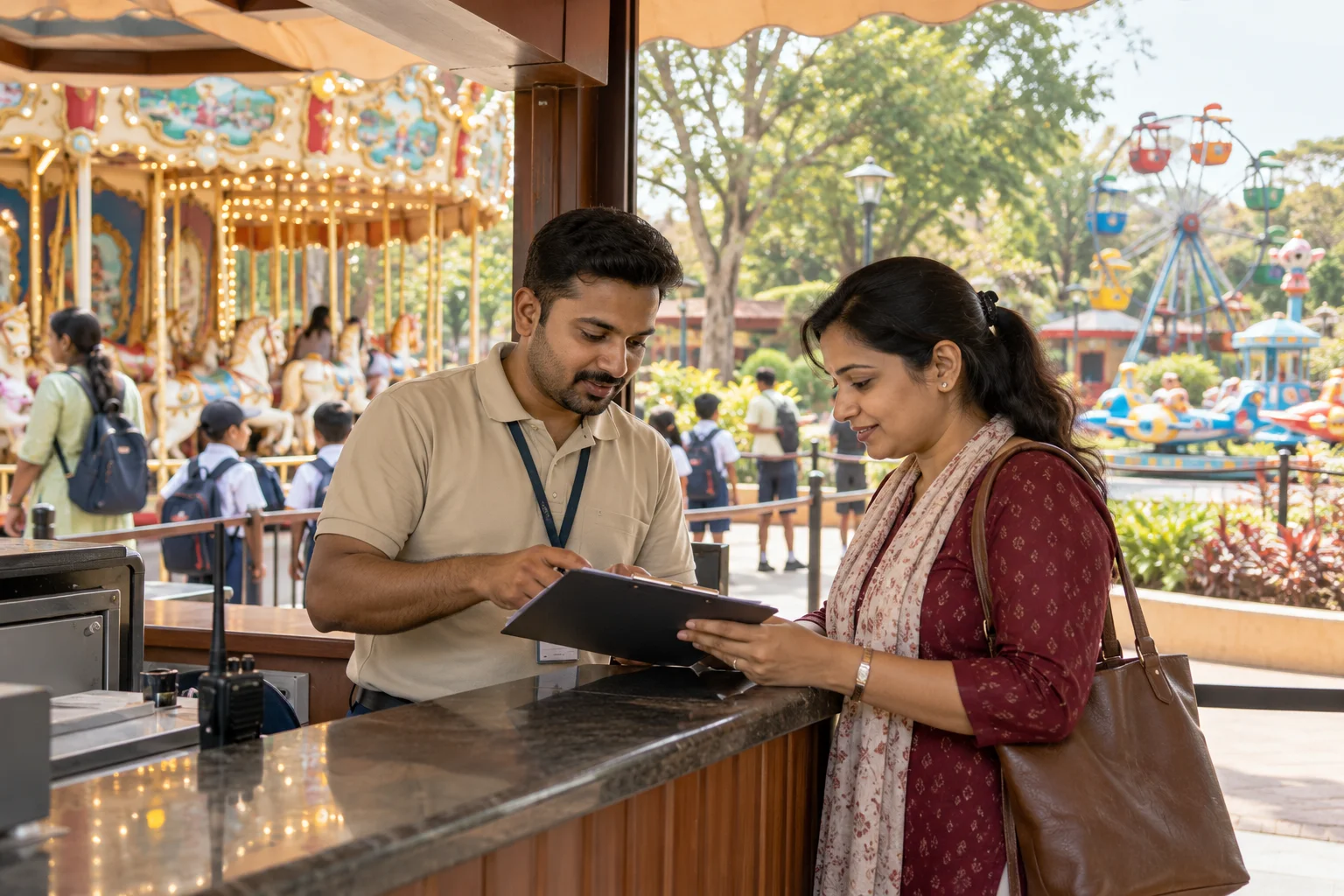
What lead generation means
Lead generation is the combined work of every channel that brings in a new enquiry, whether from search, adverts, referrals or a stall at an exhibition. GullySales runs these channels together and reports the number of enquiries each one produced, not the activity behind it.
Also for amusement parks and family entertainment centres
- CRM for amusement parks and family entertainment centres
- Follow-up systems for amusement parks and family entertainment centres
- SEO for amusement parks and family entertainment centres
- Local SEO for amusement parks and family entertainment centres
- Social media marketing for amusement parks and family entertainment centres
- Content marketing for amusement parks and family entertainment centres
- Buyer personas for amusement parks and family entertainment centres
- WhatsApp marketing for amusement parks and family entertainment centres
Sales and marketing for amusement parks and family entertainment centres, the overview.
Last updated 22 Oct 2026.
For amusement parks and family entertainment centres
Where it usually goes wrong, and what we would do.
“Group buyers are a different audience from walk-in families”
A teacher planning a picnic and an HR executive planning a family day need a rate card, a safety note and a contact who replies. They do not scroll an ad. They search, ask a colleague, or get a call from someone who knew to ring.
“Weekday demand sits in institutions”
Schools, colleges, offices and housing societies have weekdays free in a way families do not. Someone has to own the list of these institutions, the first call and the follow-up, or the weekday stays empty.
“Birthday enquiries arrive in bursts around holidays”
Parents look for party venues close to the date, and the first venue that replies with a package and a menu wins. A late reply sends the host to the next park.
“Aggregator listings bring tickets, not groups”
A listing site sells single tickets well. A group booking needs a person to talk to. If the park's own page does not make that route clear, group enquiries go elsewhere.
What we do
What we deliver for amusement parks and family entertainment centres.
Every deliverable, what it covers for you, and the result it is there to produce. Nothing here is an extra.
A group-booking page and enquiry form
A page for schools, offices and societies with what is included, the details you need and a form that asks for date, headcount and age group.
Result: An organiser can ask for a group rate in one step.
Institution outreach list
A named list of schools, colleges, companies and societies in your catchment, with the right person and a short introduction.
Result: Outreach goes to named people, not a general inbox.
Birthday and party package page
The party room, what is included and how to book, written for the parent who is comparing venues.
Result: Parents find what they need to choose without a call.
Enquiry log with source
Every enquiry recorded with where it came from and what happened next.
Result: The owner sees which routes produce bookings.
Seasonal outreach calendar
A plan that times outreach to school terms, exam breaks and festival periods.
Result: Effort is placed ahead of each booking season.
How the result is measured
- Enquiries generated
- Cost per enquiry
- Enquiries by source
Recorded as a baseline before work starts, so every later report has an honest comparison.
Who it is for
This is written for these amusement parks and family entertainment centres.
- Theme parks and water parks on the outskirts of large cities
- Mall-based family entertainment centres with games and soft play
- Trampoline, adventure and kids activity parks
- Amusement parks attached to resorts and farmhouses
- Fairs, exhibitions and seasonal carnival grounds
- Snow-themed and indoor attraction parks
- School and college picnic organisers
- Corporate outing and employee family-day planners
- Residents' associations and apartment societies planning group trips
- Birthday and kitty party hosts
How it works
How the lead generation work runs
The work itself, in order. How an engagement starts, from your brief to a written scope, is set out on our method page.
- 1
Understand your capacity
We agree how many enquiries your sales team can actually handle well, so the system is not built to overwhelm it.
- 2
Audit current sources
We check what already brings in enquiries today, even informally, before adding anything new.
- 3
Strategise the channel mix
Content, search and paid channels are chosen based on where your buyers already look.
- 4
Implement capture and follow-up
Pages, forms and a follow-up process are built and connected end to end.
- 5
Measure and optimise
We track enquiry volume and quality and adjust the channel mix to match.
Where this fits
Three pieces of sales work, in this order.
This work sits inside sales process design, at stage 1, prospecting and lead generation. The audit comes before it, and sales management keeps it running.
Step 1
Sales audit
Find where deals are being lost and what to fix first.
Start here if you cannot say where orders are lost.
Step 2 · you are here
Sales process design
One written way to sell, from first enquiry to repeat order.
Start here if every salesperson sells differently.
Step 3
Sales management
A target, a review routine and someone who owns the number.
Start here if the team has targets and no routine.
FAQ
Questions owners ask before they call.
Not here? More answers, or ask on WhatsApp.
Where do we find the right contact at a school or company?
Should we offer a discount to groups?
Can lead generation fix a bad weather week?
How much does it cost?
How long is the contract?
How soon will we see results?
Who will actually do the work?
What do you need from us?
What if we are not happy with the work?
More for amusement parks and family entertainment centres
Everything else we would do for you.
Closest to this: leads and follow-up
Also for amusement parks and family entertainment centres
- SEO for amusement parks and family entertainment centres
- Local SEO for amusement parks and family entertainment centres
- Social media marketing for amusement parks and family entertainment centres
- Content marketing for amusement parks and family entertainment centres
- Buyer personas for amusement parks and family entertainment centres
- WhatsApp marketing for amusement parks and family entertainment centres
Or start from the overview: sales and marketing for amusement parks and family entertainment centres.
Your next practical step
Tell us what you are trying to grow, and we will read it before we call.
Eight short steps, mostly taps. Skip anything you would rather answer on the call.