Bars, pubs and microbreweries · Search engine optimisation
Appear for the searches that choose a venue: live music, terrace, big screen, group table.
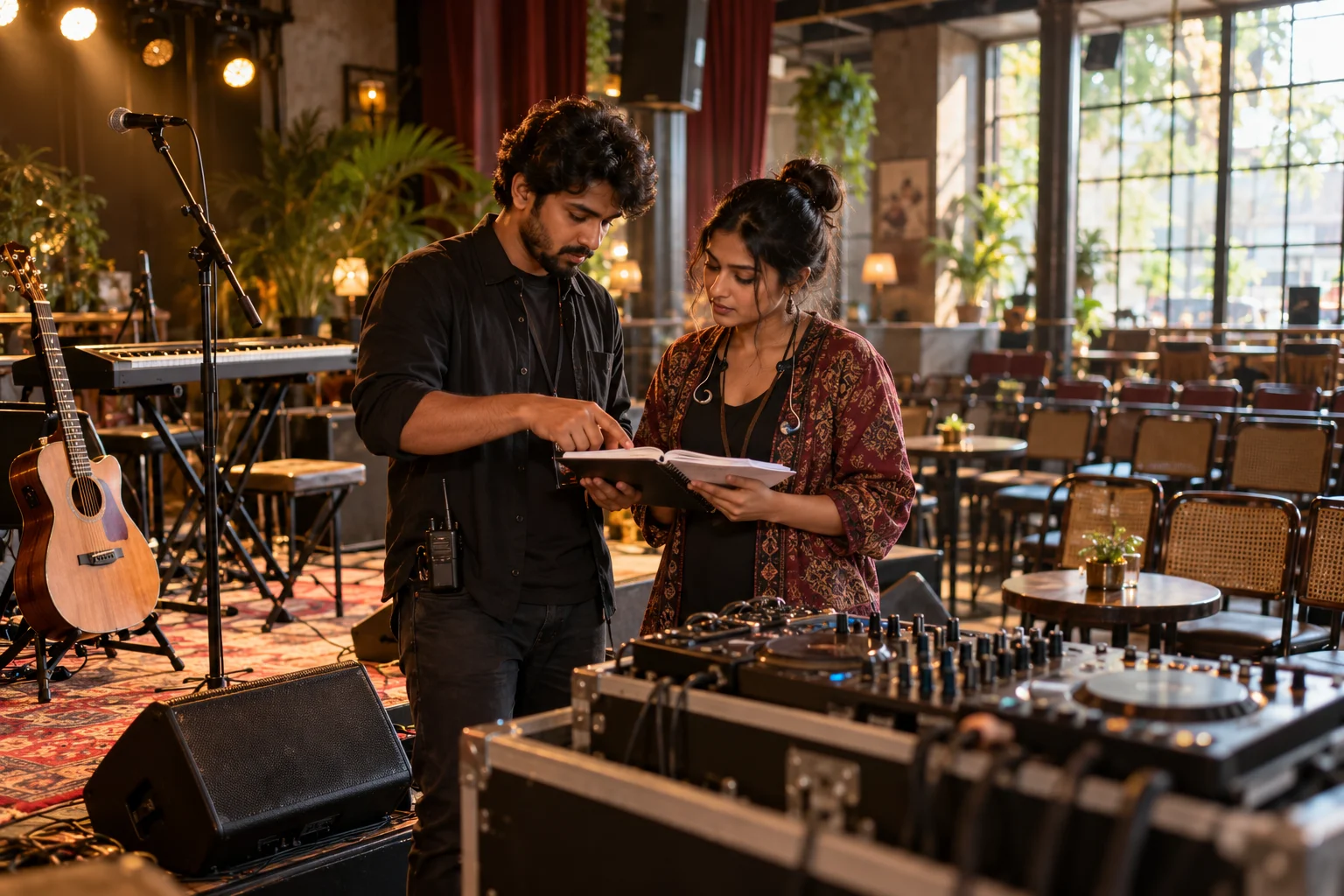
SEO for a bar, pub or microbrewery shapes your website so people searching for a place to meet, watch a match or hear a band find your venue. GullySales works on page structure, wording and the practical details, and keeps alcohol brands and prices out of the text because rules differ by state.
Scope, fee, reporting and term are agreed in writing after we have read your brief and spoken to you.
What search engine optimisation means
Search engine optimisation (SEO) is the work of getting your website to appear when a buyer searches Google for what you sell. GullySales builds pages around real search terms, fixes technical issues that block ranking, and tracks which searches actually bring enquiries.
Also for bars, pubs and microbreweries
- Local SEO for bars, pubs and microbreweries
- Website for bars, pubs and microbreweries
- Lead generation for bars, pubs and microbreweries
- Social media marketing for bars, pubs and microbreweries
- Content marketing for bars, pubs and microbreweries
- Buyer personas for bars, pubs and microbreweries
- CRM for bars, pubs and microbreweries
- Follow-up systems for bars, pubs and microbreweries
Sales and marketing for bars, pubs and microbreweries, the overview.
Last updated 22 Oct 2026.
For bars, pubs and microbreweries
Where it usually goes wrong, and what we would do.
“People search for the occasion, not the venue type”
A group looks for a place for a birthday, a match or a farewell. Pages that describe your room for each occasion match those searches better than a single home page.
“The menu in a picture cannot be read”
A food menu uploaded as an image is invisible to search and awkward on a phone. Write the food list as text, with vegetarian and Jain options marked.
“Rules vary and the page should respect them”
Some states restrict what a venue may say about alcohol online. Write about seating, food, music and bookings, and take your adviser's view on anything near the drink.
What we do
What we deliver for bars, pubs and microbreweries.
Every deliverable, what it covers for you, and the result it is there to produce. Nothing here is an extra.
Occasion pages
Pages for birthdays, office evenings, match nights and live music, each describing the room and the booking steps.
Result: A searcher lands on the page that fits the plan.
Food menu in text
The kitchen's dishes written as text with dietary marks and the kitchen's closing time.
Result: Groups with mixed diets find a reason to book.
Event listings with dates
A page for each recurring event, kept current and marked as past when it ends.
Result: Searches for events match live pages.
Licence and entry policy page
A page stating that the licence is displayed at the premises and setting out entry rules in plain words.
Result: Guests know the rules before arriving.
Technical check
Page speed, mobile layout and structured data for address and opening hours reviewed.
Result: The site opens well on a phone in a taxi.
How the result is measured
- Ranking positions
- Organic traffic
- Enquiries from organic search
Recorded as a baseline before work starts, so every later report has an honest comparison.
Who it is for
This is written for these bars, pubs and microbreweries.
- Microbreweries and brewpubs with their own brewing floor
- Sports bars with screens for cricket and football
- Rooftop lounges and terrace bars
- Gastropubs where food carries the evening
- Live music venues and open-mic pubs
- Hotel bars and restaurants with a licensed bar
- Standalone neighbourhood pubs
- Club and lounge venues for private parties
How it works
How the search engine optimisation work runs
The work itself, in order. How an engagement starts, from your brief to a written scope, is set out on our method page.
- 1
Audit and baseline
We record where the site stands today: positions, traffic, technical faults and the enquiries search currently produces. Nothing starts until this number is written down.
- 2
Decide what to rank for
We map the searches your buyers use, in your words and theirs, and pick the ones worth the effort for your margin and your capacity.
- 3
Fix the foundations
Technical faults first, because the cheapest gains are usually there. Then the Business Profile and directory consistency.
- 4
Build the pages
A page for each thing you do, written to answer the question it is searched for, with a clear next step at the end.
- 5
Publish and earn mentions
Content goes out on the calendar. Links and mentions are earned from real relationships, not bought.
- 6
Measure, report, adjust
At the interval agreed at the start we report what moved and what did not, and change the plan when the numbers say so.
Where this fits
Three pieces of sales work, in this order.
This work sits inside sales process design, at stage 1, prospecting and lead generation. The audit comes before it, and sales management keeps it running.
Step 1
Sales audit
Find where deals are being lost and what to fix first.
Start here if you cannot say where orders are lost.
Step 2 · you are here
Sales process design
One written way to sell, from first enquiry to repeat order.
Start here if every salesperson sells differently.
Step 3
Sales management
A target, a review routine and someone who owns the number.
Start here if the team has targets and no routine.
FAQ
Questions owners ask before they call.
Not here? More answers, or ask on WhatsApp.
Can the site mention the types of drinks served?
Is a blog useful for a pub?
Can you promise us a place on the first page?
How much does it cost?
How long is the contract?
How soon will we see results?
Who will actually do the work?
What do you need from us?
What if we are not happy with the work?
More for bars, pubs and microbreweries
Everything else we would do for you.
Closest to this: search and visibility
Also for bars, pubs and microbreweries
Or start from the overview: sales and marketing for bars, pubs and microbreweries.
Your next practical step
Tell us what you are trying to grow, and we will read it before we call.
Eight short steps, mostly taps. Skip anything you would rather answer on the call.