Bars, pubs and microbreweries · Buyer persona
Know who books the table, who comes along and what each person wants.
A buyer persona for a bar, pub or microbrewery describes the people who book and visit: the office coordinator, the birthday host, the match-day regular. GullySales builds them from your bookings and conversations so that pages and replies speak to a recognisable guest.
Scope, fee, reporting and term are agreed in writing after we have read your brief and spoken to you.
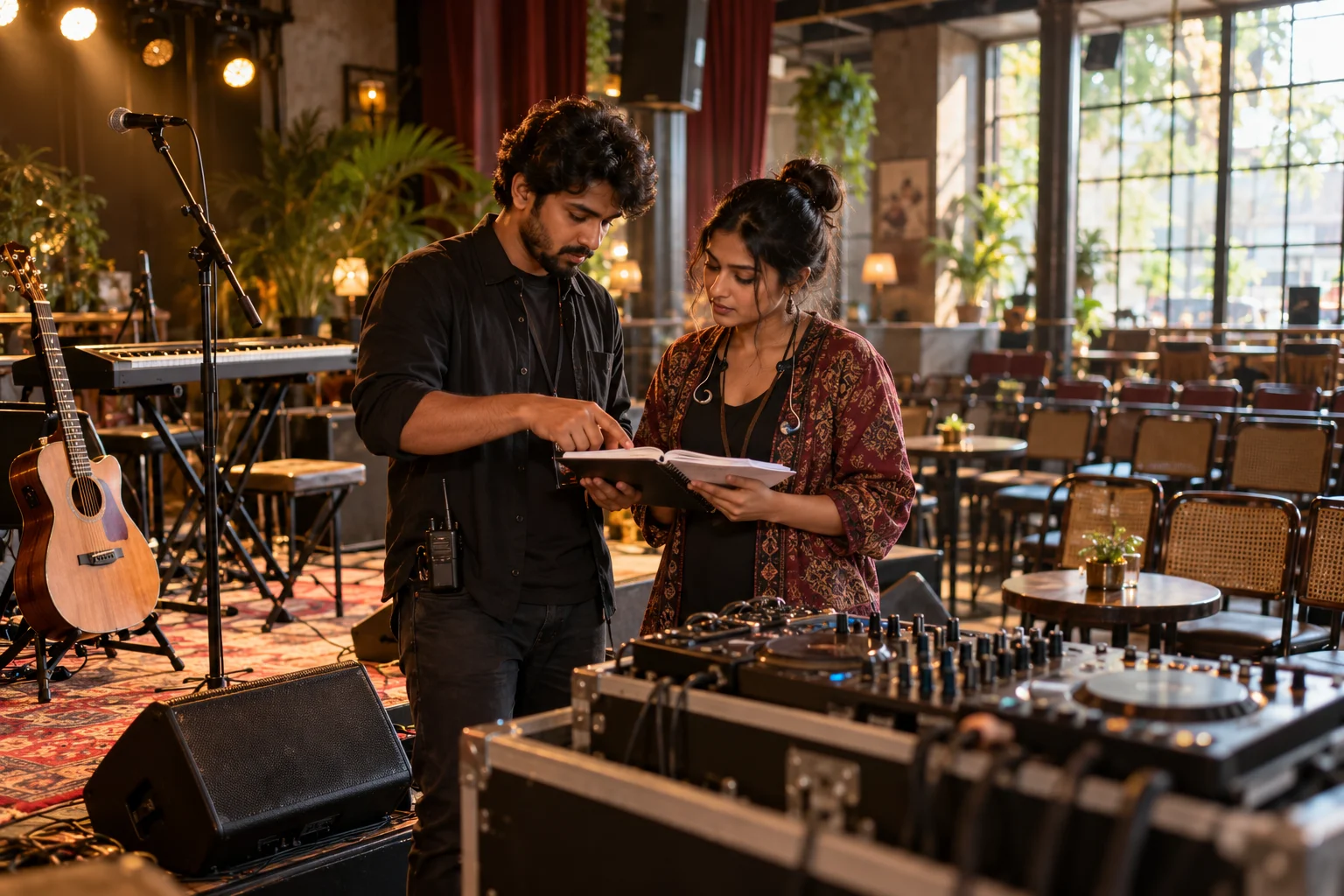
What buyer persona means
A buyer persona is a plain description of the kind of customer who actually buys from you. It includes what they search, what worries them and who else they ask before deciding. GullySales builds this from real enquiries and past sales rather than a generic template, then uses it to write every page and advert.
Also for bars, pubs and microbreweries
- Digital marketing for bars, pubs and microbreweries
- Lead generation for bars, pubs and microbreweries
- SEO for bars, pubs and microbreweries
- Local SEO for bars, pubs and microbreweries
- Social media marketing for bars, pubs and microbreweries
- Content marketing for bars, pubs and microbreweries
- CRM for bars, pubs and microbreweries
- Follow-up systems for bars, pubs and microbreweries
Sales and marketing for bars, pubs and microbreweries, the overview.
Last updated 22 Oct 2026.
For bars, pubs and microbreweries
Where it usually goes wrong, and what we would do.
“The booker and the guest are different people”
The person who reserves wants clarity on price and timing, while the guests want music and food. Your message to the booker should answer the booker.
“Regulars follow the programme”
A regular comes for the quiz night or the band. They ask about the schedule, so a clear diary keeps them informed.
“The cautious guest checks safety first”
Some guests will not book until they know about lighting, staff and the way home. Treat these as ordinary questions, not objections.
“Families and daytime visitors form a separate group”
A weekend lunch with children at a brewpub is a different visit from a Friday night. If your venue allows it, say what hours and areas suit them.
What we do
What we deliver for bars, pubs and microbreweries.
Every deliverable, what it covers for you, and the result it is there to produce. Nothing here is an extra.
Persona sheets from bookings
Short descriptions of the coordinators, hosts and regulars who book, drawn from your records.
Result: Your team writes for real guests.
Question list for each persona
What each persona asks before booking, in their own words.
Result: Replies begin with the actual concern.
Message openers
Distinct opening lines for corporate coordinators, party hosts and regulars.
Result: The reply fits the reader.
Table and area guide by persona
A note on which area and set-up suits each persona.
Result: Staff seat guests where they will be happiest.
Review after each season
A look at which personas booked, which stopped and what they said.
Result: Next season's plan reflects who actually came.
How the result is measured
- Enquiry match to persona
- Conversion rate by persona
- Content aligned to persona
Recorded as a baseline before work starts, so every later report has an honest comparison.
Who it is for
This is written for these bars, pubs and microbreweries.
- Microbreweries and brewpubs with their own brewing floor
- Sports bars with screens for cricket and football
- Rooftop lounges and terrace bars
- Gastropubs where food carries the evening
- Live music venues and open-mic pubs
- Hotel bars and restaurants with a licensed bar
- Standalone neighbourhood pubs
- Club and lounge venues for private parties
How it works
How the buyer persona work runs
The work itself, in order. How an engagement starts, from your brief to a written scope, is set out on our method page.
- 1
Understand the current view
We start with how your team currently describes the customer, since the gap between belief and reality is often the finding itself.
- 2
Audit past enquiries and sales
We look at recent enquiries and closed deals to see who actually bought, not who was assumed to buy.
- 3
Interview customers and staff
Short, structured conversations surface the real language, worries and triggers behind a purchase.
- 4
Build the personas
Findings are written into short, usable persona documents rather than a long report.
- 5
Apply to your marketing
We show exactly where each persona should change a page, an ad or a script you already have.
Where this fits
Three pieces of sales work, in this order.
This work sits inside sales process design, at stage 0, foundation. The audit comes before it, and sales management keeps it running.
Step 1
Sales audit
Find where deals are being lost and what to fix first.
Start here if you cannot say where orders are lost.
Step 2 · you are here
Sales process design
One written way to sell, from first enquiry to repeat order.
Start here if every salesperson sells differently.
Step 3
Sales management
A target, a review routine and someone who owns the number.
Start here if the team has targets and no routine.
FAQ
Questions owners ask before they call.
Not here? More answers, or ask on WhatsApp.
How do we build personas without a survey?
Should personas mention age or income?
Can personas help with our weekday problem?
How much does it cost?
How long is the contract?
How soon will we see results?
Who will actually do the work?
What do you need from us?
What if we are not happy with the work?
More for bars, pubs and microbreweries
Everything else we would do for you.
Closest to this: strategy and research
Also for bars, pubs and microbreweries
Or start from the overview: sales and marketing for bars, pubs and microbreweries.
Your next practical step
Tell us what you are trying to grow, and we will read it before we call.
Eight short steps, mostly taps. Skip anything you would rather answer on the call.