Vacation rental properties · Website
Give past guests a page of your own to book the villa without the app.
A website for a vacation rental is the home's own page, carrying the rooms, the rates, the house rules and a way to pay an advance or write on WhatsApp. GullySales works on building it for a phone, in the order a lead booker reads.
Scope, fee, reporting and term are agreed in writing after we have read your brief and spoken to you.
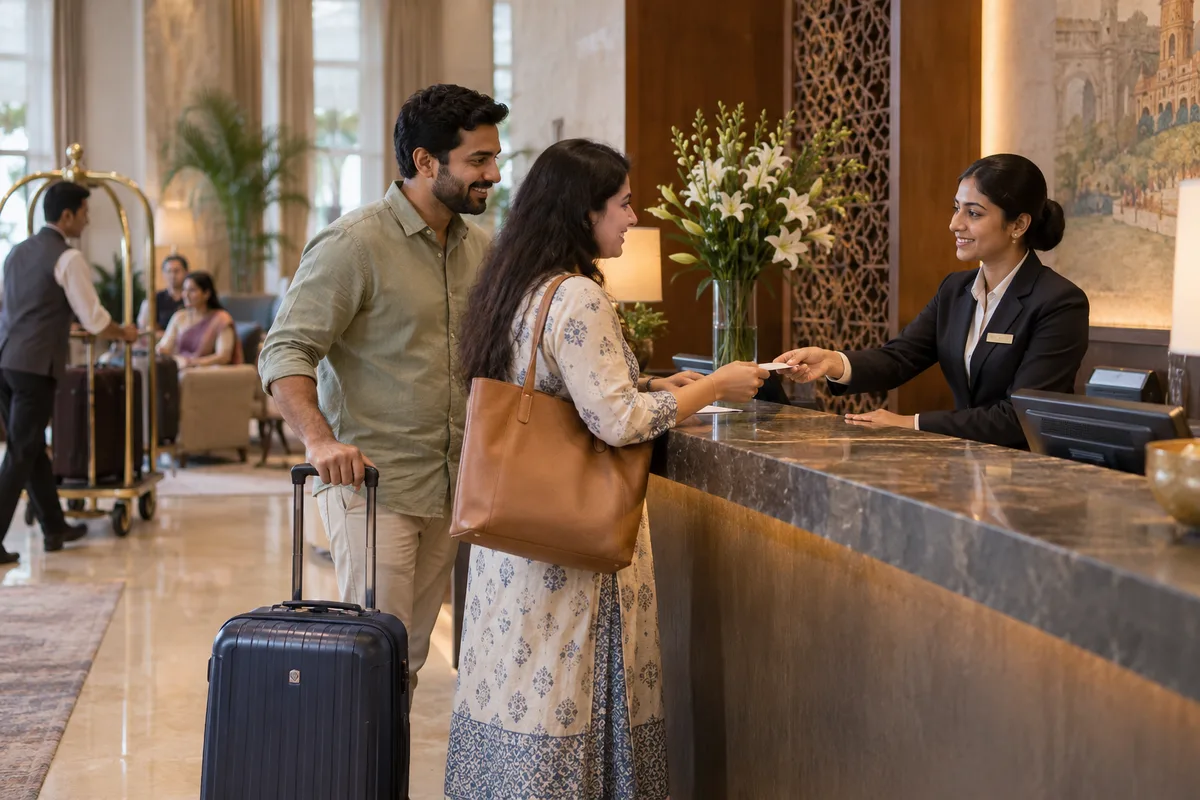
What website means
A website is the page a customer lands on after searching, clicking an advert or scanning a code, and it decides whether they call or leave. GullySales builds and maintains sites that load quickly, explain the offer plainly and make the enquiry form or phone number easy to find.
Also for vacation rental properties
Sales and marketing for vacation rental properties, the overview.
Last updated 18 Oct 2026.
For vacation rental properties
Where it usually goes wrong, and what we would do.
“The guest opens it on a phone, in the chat”
The link arrives in a group chat and is opened on a handset with a thin signal. A heavy page with slow photographs is closed before it loads. The first screen needs the home, the capacity and the booking button.
“A site that copies the app listing adds nothing”
If the page repeats what the app says, a guest has no reason to leave the app. The site earns its place with things the app limits: the rate by season, the plain house rules and a direct line to the host.
“The rules must come before the payment”
A group that learns the music rule after paying feels cheated and writes about it. Putting the rules, the capacity and the refund terms on the page, ahead of the button, prevents the argument.
“Payment is a trust step”
Asking a stranger to send an advance to a personal account feels risky. A clear payment method, a written confirmation and a business name on the page make it feel safe. Check the payment provider's current rules before choosing a method.
What we do
What we deliver for vacation rental properties.
Every deliverable, what it covers for you, and the result it is there to produce. Nothing here is an extra.
A mobile-first home page
The home, its capacity, its best photographs and a booking button on the first screen, tested on a modest phone.
Result: A guest sees the essentials without scrolling.
Room and rate pages
Each room, the whole-house rate, the weekday and long-stay rates and the extra-guest charge shown plainly by season.
Result: The rate for the date is visible.
A house-rules and policy page
Music, guests, pets, smoking, outside caterers, damage and refunds set out in ordinary words.
Result: The group reads the rules before paying.
An enquiry and advance route
A form, a WhatsApp button and a payment method, each leading to a named person who replies.
Result: A guest can book without installing an app.
Pages for each guest type
Separate pages for birthday weekends, workations and company outings, linked from the home page.
Result: Each buyer type finds a page made for it.
A calendar and availability note
An availability view, kept in line with the master calendar, or a clear instruction to ask on WhatsApp.
Result: Guests do not ask about dates that are taken.
How the result is measured
- Page load time
- Bounce rate
- Enquiries from the website
Recorded as a baseline before work starts, so every later report has an honest comparison.
Who it is for
This is written for these vacation rental properties.
- Private pool villas near big cities
- Hill-station cottages rented as a whole
- Beach houses on the Konkan coast and in Goa
- Serviced holiday apartments in tourist towns
- Farmhouses and bungalows let for weekends
- Houseboats and cottage clusters on a lake or backwater
- Homes owned by NRIs and let through a manager
- Multi-property operators with five or more homes
How it works
How the website work runs
The work itself, in order. How an engagement starts, from your brief to a written scope, is set out on our method page.
- 1
Confirm structure and content
We agree the site's pages and content needs before design begins, drawing on website strategy where it exists.
- 2
Design the site
Every page is designed against your brand identity and checked for how it should convert a visitor.
- 3
Build and test
The site is developed and tested across devices and browsers before anything goes live.
- 4
Load real content
Actual copy, images and information about your business replace placeholder content before launch.
- 5
Launch and hand over access
The site goes live with domain, hosting and content management access clearly handed to you.
Where this fits
Three pieces of sales work, in this order.
This work sits inside sales process design, at stage 1, prospecting and lead generation. The audit comes before it, and sales management keeps it running.
Step 1
Sales audit
Find where deals are being lost and what to fix first.
Start here if you cannot say where orders are lost.
Step 2 · you are here
Sales process design
One written way to sell, from first enquiry to repeat order.
Start here if every salesperson sells differently.
Step 3
Sales management
A target, a review routine and someone who owns the number.
Start here if the team has targets and no routine.
FAQ
Questions owners ask before they call.
Not here? More answers, or ask on WhatsApp.
Do we need a booking engine on the site?
Will the site take bookings away from the apps?
Who updates the site?
How much does it cost?
How long is the contract?
How soon will we see results?
Who will actually do the work?
What do you need from us?
What if we are not happy with the work?
More for vacation rental properties
Everything else we would do for you.
Closest to this: search and visibility
Also for vacation rental properties
Or start from the overview: sales and marketing for vacation rental properties.
Your next practical step
Tell us what you are trying to grow, and we will read it before we call.
Eight short steps, mostly taps. Skip anything you would rather answer on the call.