Cafes and coffee shops · Website
Build a page that answers the catering question before the phone rings.
A website for a cafe needs to show the menu, the seating, a way to enquire about catering or a booking, and a link to the delivery apps. That is what a searcher actually wants before they call. GullySales builds and keeps this current.
Scope, fee, reporting and term are agreed in writing after we have read your brief and spoken to you.
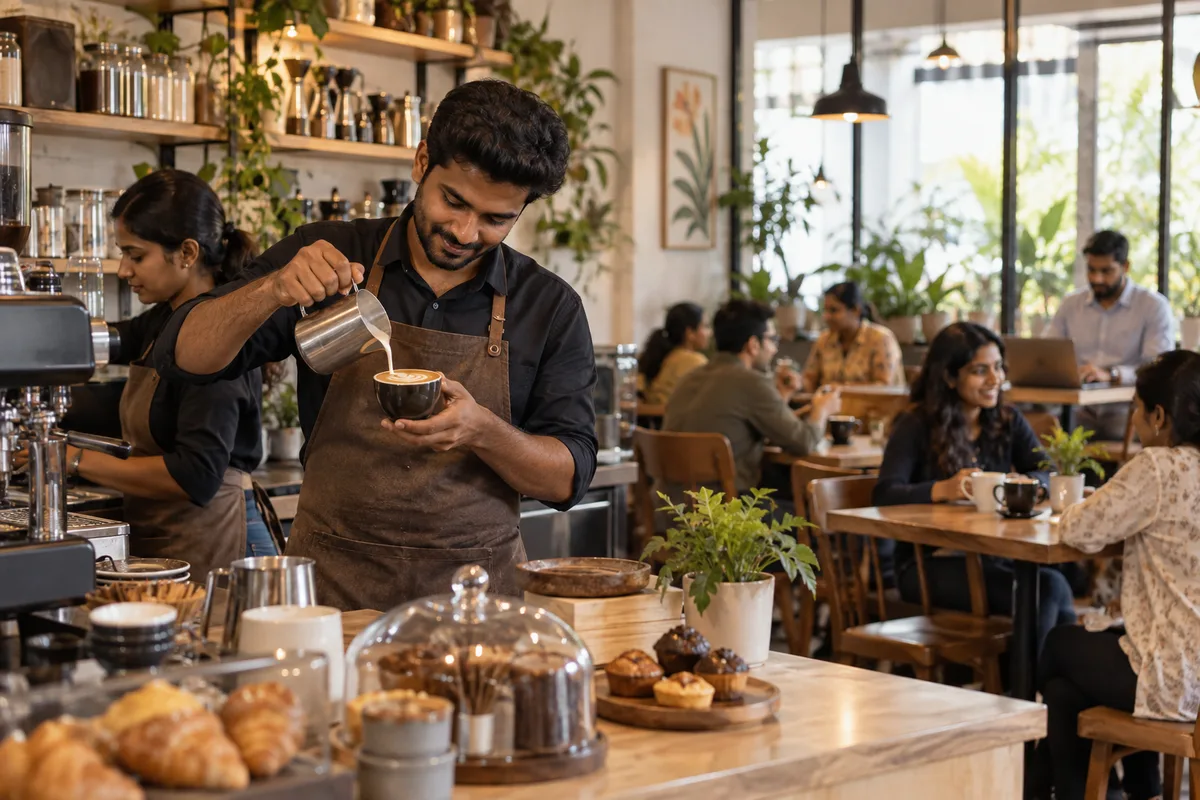
What website means
A website is the page a customer lands on after searching, clicking an advert or scanning a code, and it decides whether they call or leave. GullySales builds and maintains sites that load quickly, explain the offer plainly and make the enquiry form or phone number easy to find.
Also for cafes and coffee shops
- SEO for cafes and coffee shops
- Branding for cafes and coffee shops
- Buyer journey for cafes and coffee shops
- Buyer personas for cafes and coffee shops
- Content marketing for cafes and coffee shops
- Digital marketing for cafes and coffee shops
- Email marketing for cafes and coffee shops
- Influencer marketing for cafes and coffee shops
Sales and marketing for cafes and coffee shops, the overview.
Last updated 5 Oct 2026. Rules for this trade differ by state and professional body, and they change. We describe restrictions in general terms, so check the current position with your own council or adviser before you publish anything.
For cafes and coffee shops
Where it usually goes wrong, and what we would do.
“The menu has to be readable, not a photograph of a printed card”
A blurry photo of the physical menu frustrates a searcher checking prices or dietary options on their phone before deciding to visit.
“A catering page pays for the whole website”
A single well-written page answering quantity, delivery and pricing questions for catering can bring in enquiries worth more than the rest of the site combined.
“Delivery app links belong on the homepage”
A visitor deciding between ordering in or walking down should find the Swiggy and Zomato links immediately, not after searching for them.
What we do
What we deliver for cafes and coffee shops.
Every deliverable, what it covers for you, and the result it is there to produce. Nothing here is an extra.
A readable digital menu
The full menu built as real text on the site, with prices and dietary notes, not a photo of the printed card.
Result: A visitor checks prices and options on their phone without squinting.
Catering and events page
A page answering quantity, pricing and delivery questions for group and office orders.
Result: A catering enquiry arrives with the details already answered.
Delivery app links on the homepage
Visible Swiggy and Zomato links placed on the homepage, not buried in a footer.
Result: A visitor deciding between ordering in or visiting finds the right link at once.
A simple booking or enquiry form
A form or WhatsApp link for table and group bookings, built to work on a phone screen.
Result: A visitor can ask about a booking without picking up the phone.
An update routine for menu and hours
A simple process for updating the menu, prices and hours on the site whenever they change.
Result: A visitor never arrives to find the website was wrong.
How the result is measured
- Page load time
- Bounce rate
- Enquiries from the website
Recorded as a baseline before work starts, so every later report has an honest comparison.
What the page must show
What a cafe's website must show before someone walks in.
- The menu as text, with prices and veg marks
- Type the menu out with prices, veg and non-veg marks and notes on milk alternatives and gluten. A photograph of the printed card is hard to read on a phone and cannot be searched.
- Seating, Wi-Fi and power sockets
- Say how many people the cafe seats, whether there are tables with sockets, if the Wi-Fi is free and any rule on laptop hours. The work-from-cafe crowd decides on exactly these points.
- Opening hours, including the odd days
- Give the hours for each day, the festival closures and the last order time. Make them match the Google Business Profile, since a visitor who finds a closed shutter does not return.
- How to find the door
- Add a map pin, the nearest landmark, which floor or lane the entrance is on, and where to park. Many cafes sit behind a gate or on an upper floor that a first-time visitor cannot see from the road.
- Group, birthday and catering enquiries
- State the smallest group you take, whether a table can be held, what advance is needed and whether outside cakes are allowed. Give a form or WhatsApp link that asks for date, headcount and budget.
- Photographs of the room in daylight and in the evening
- Show the actual seating, the counter and the quiet corners. A guest picking a place to work or meet wants to see the light and the crowd, not only the coffee.
Who it is for
This is written for these cafes and coffee shops.
- Independent single-outlet cafes
- Specialty coffee roasters with a cafe
- Cafes inside co-working spaces
- Bakery cafes
- Cafe chains opening new outlets
- Cloud kitchen and delivery-only cafes
- Cafes attached to bookstores or art spaces
- Late-night and student-area cafes
Not for
It is not the right fit if.
- You want a guaranteed Google ranking or a guaranteed number of leads. Nobody honest can promise either.
- You need enquiries by next week and have nobody to answer them.
- You want posts and reach reported, not enquiries and orders.
How it works
From your first message to the first report.
No open-ended retainer. Every step gives you something in writing.
First
Your brief
You tell us what you need in a few short steps: your business, what you want, where enquiries come from and how they are handled.
After the brief
A conversation and a written scope
We read it, then talk with whoever handles your enquiries. If you want our help, the scope, the fee and the reporting come in writing, and nothing starts before you have read them.
Before work starts
Baseline recorded
Enquiries by source, reply time, conversion and cost per order, written down so every later report has an honest comparison.
After the baseline
The first fix goes live
The fix we agreed to start with is put in place and measured against the baseline, whether that is reply time, a follow-up sequence, the page buyers land on or the handover between marketing and sales.
As agreed
Report against the baseline
What moved, what did not, and what changes next, in plain words. How often you get it is set in writing before work starts.
At renewal
Renew on the numbers
The term ends and you decide whether to continue from the results. The length is agreed in writing before anything starts.
How the website work runs
- 1
Confirm structure and content
We agree the site's pages and content needs before design begins, drawing on website strategy where it exists.
- 2
Design the site
Every page is designed against your brand identity and checked for how it should convert a visitor.
- 3
Build and test
The site is developed and tested across devices and browsers before anything goes live.
- 4
Load real content
Actual copy, images and information about your business replace placeholder content before launch.
- 5
Launch and hand over access
The site goes live with domain, hosting and content management access clearly handed to you.
Why us
Why owners pick GullySales over an agency.
Marketing and sales, as one job
Most agencies stop at the enquiry. We also fix what happens after it: the reply, the follow-up, the quote and the CRM.
The person on the first call does the work
No account managers in between. You are never handed to someone you have not met.
A baseline before anything starts
Your numbers are written down on day one, so every later report compares against something honest.
The fee in writing, split three ways
Our time, your media spend and production on separate lines. You always see what goes to us.
No guarantees we cannot keep
The term is agreed in writing and never a default twelve months. We never promise a ranking or a lead count, because nobody controls those.
One office, and we say so
Nagarbhavi, Bengaluru. We work across India by call and WhatsApp and travel when a session needs to be in person.
#257, 3rd floor, Sri Nanjundeshwara Complex, Nagarbhavi 8th Block, Outer Ring Road. How we work.
Your brief
Tell us what you need, and we will read it before we call.
Eight short steps about your business, what you want and who decides. Most questions are a tap, and you can skip any you would rather answer on the call.
FAQ
Questions owners ask before they call.
Not here? More answers, or ask on WhatsApp.
Does a small cafe need a website at all?
How often does it need updating?
Should the website menu match the delivery app prices?
How do we show a menu that changes with the season?
How soon would we see more customers?
Do we need to advertise?
How long is the contract?
Who will actually do the work?
What do you need from us?
What if we are not happy with the work?
From the blog
Further reading for cafes and coffee shops.
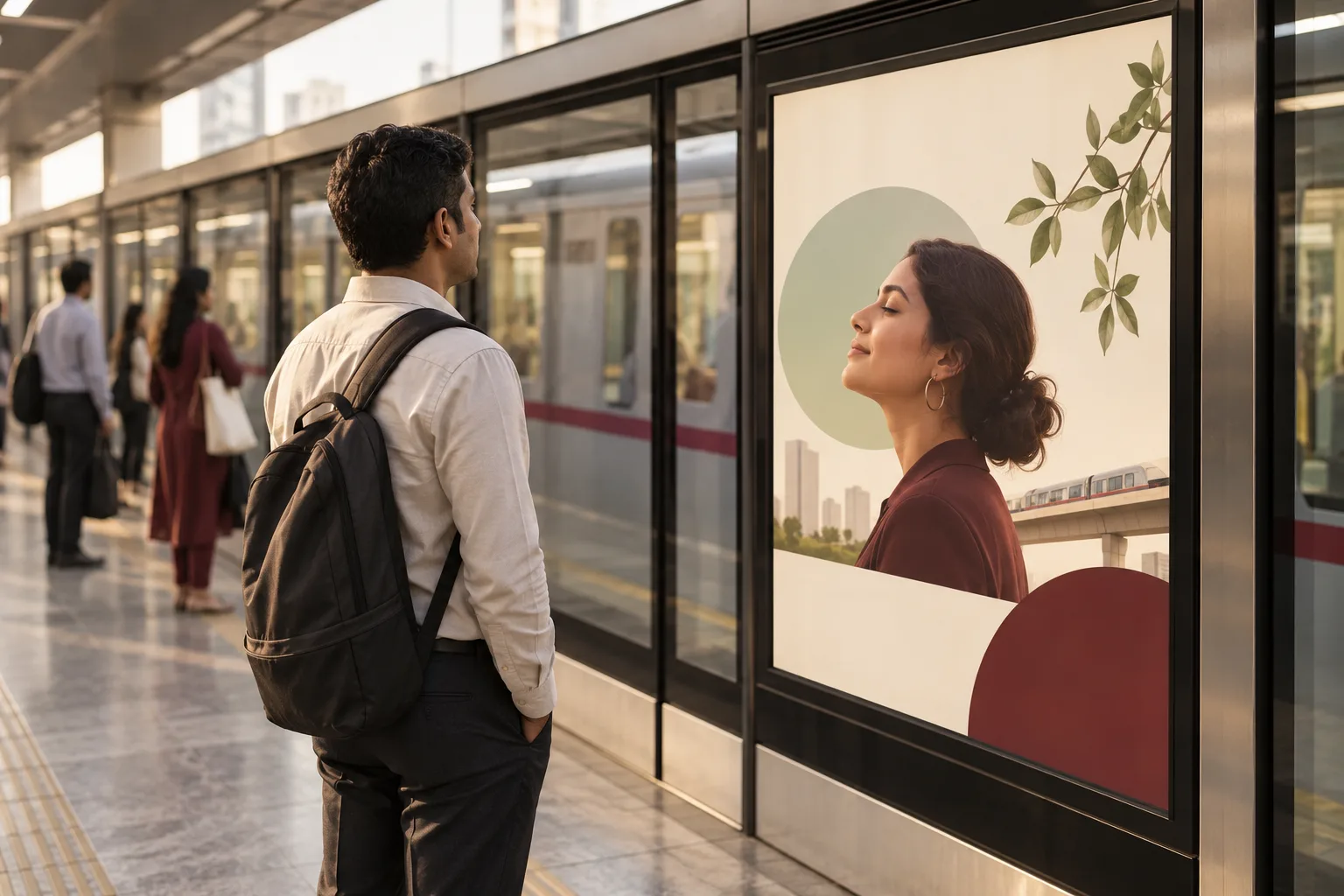 7 min read · 21 Sept 2026How to design metro and transit advertisingA commuter stands still in front of a platform panel for four minutes and passes the same one twice a day for a month. Design for the sixth viewing.
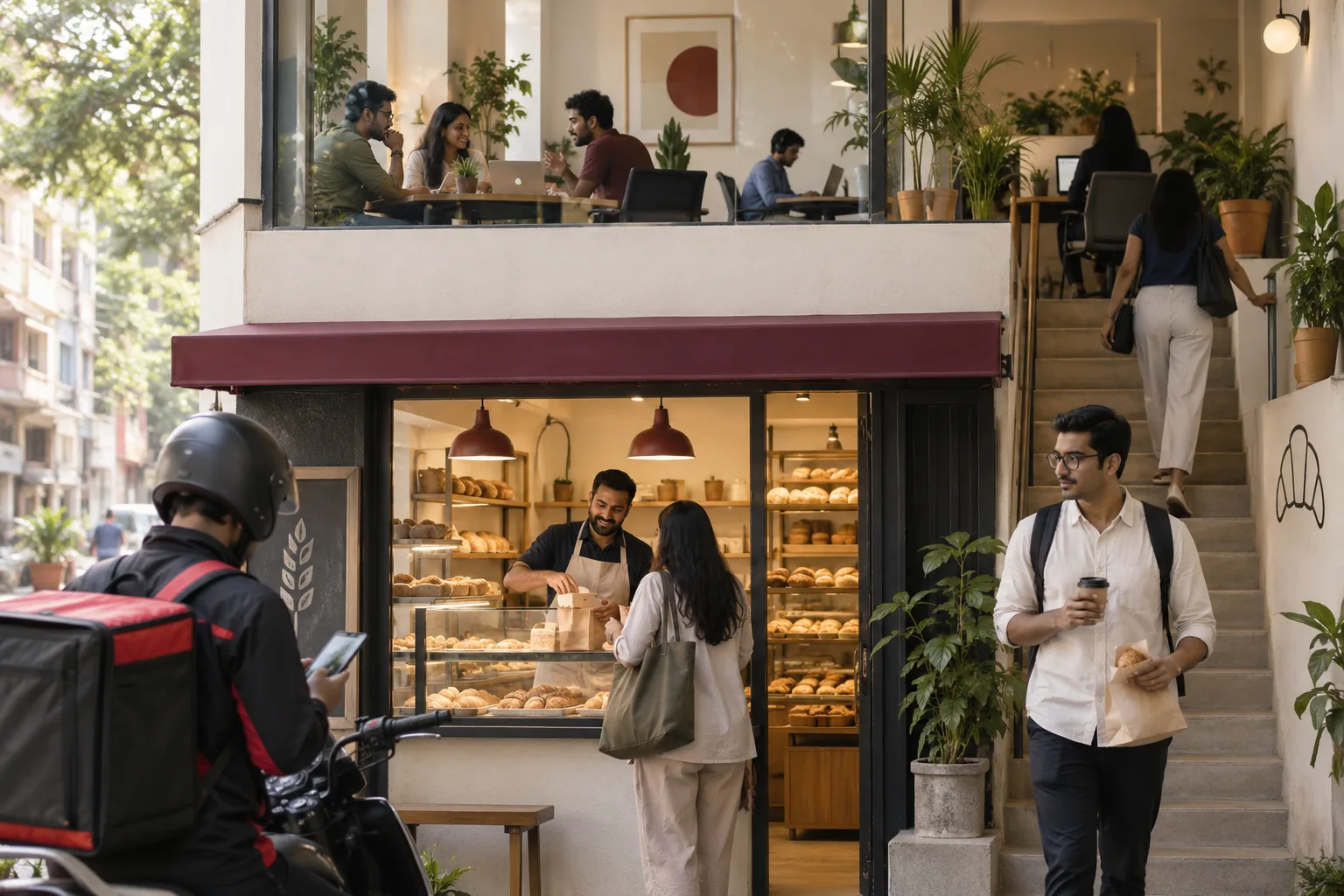 7 min read · 21 Sept 2026How to advertise to startup employeesThere is no tech park to buy. A forty person company sits above a bakery, so the audience is the neighbourhood, the delivery app and the coworking floor.
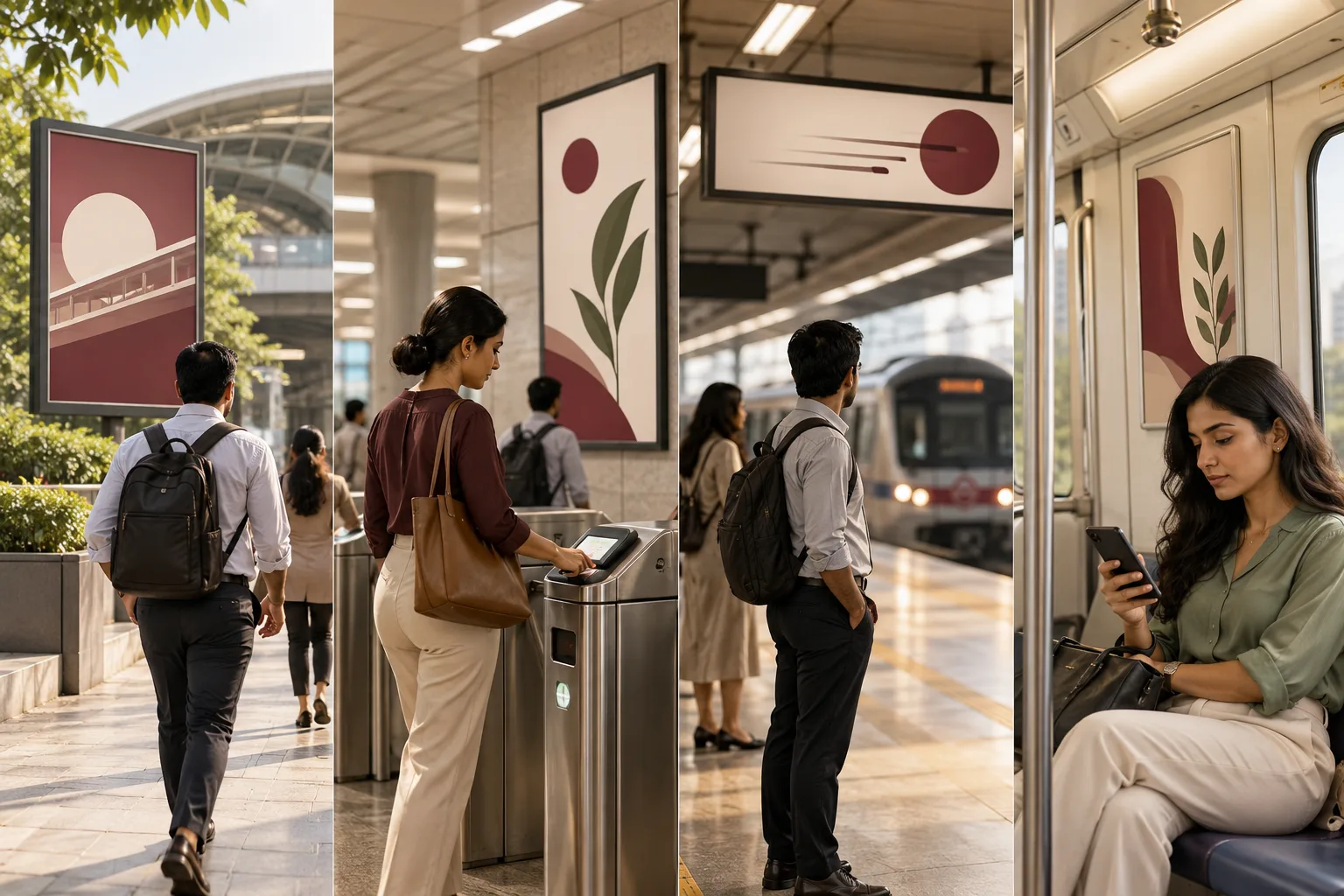 7 min read · 21 Sept 2026How to advertise to metro commutersA commuter is a mode, not a person. The journey has four still moments and each one takes different creative, which is why one design across a station never performs.
More for cafes and coffee shops
Everything else we would do for you.
Closest to this: search and visibility
Also for cafes and coffee shops
- Branding for cafes and coffee shops
- Buyer journey for cafes and coffee shops
- Buyer personas for cafes and coffee shops
- Content marketing for cafes and coffee shops
- Digital marketing for cafes and coffee shops
- Email marketing for cafes and coffee shops
- Influencer marketing for cafes and coffee shops
- Lead generation for cafes and coffee shops
- Loyalty programmes for cafes and coffee shops
- PPC ads for cafes and coffee shops
- Public relations for cafes and coffee shops
- Reputation management for cafes and coffee shops
- Sales enablement tools for cafes and coffee shops
- Sales management for cafes and coffee shops
- Sales process for cafes and coffee shops
- Sales training for cafes and coffee shops
- Social media for cafes and coffee shops
- Video marketing for cafes and coffee shops
- Follow-up systems for cafes and coffee shops
- CRM for cafes and coffee shops
- Review generation for cafes and coffee shops
- Customer retention for cafes and coffee shops
- Referral marketing for cafes and coffee shops
- WhatsApp marketing for cafes and coffee shops
Or start from the overview: sales and marketing for cafes and coffee shops.
Your next practical step
Tell us what you are trying to grow, and we will read it before we call.
Eight short steps, mostly taps. Skip anything you would rather answer on the call.