Cafes and coffee shops · Public relations
Get the local food writer in before the queue does.
Public relations for a cafe means getting a local food writer, a city guide or a food page to feature the cafe. This usually happens around an opening, a new menu or a seasonal drink. GullySales pitches this and turns the coverage into content the cafe can reuse.
Scope, fee, reporting and term are agreed in writing after we have read your brief and spoken to you.
What public relations means
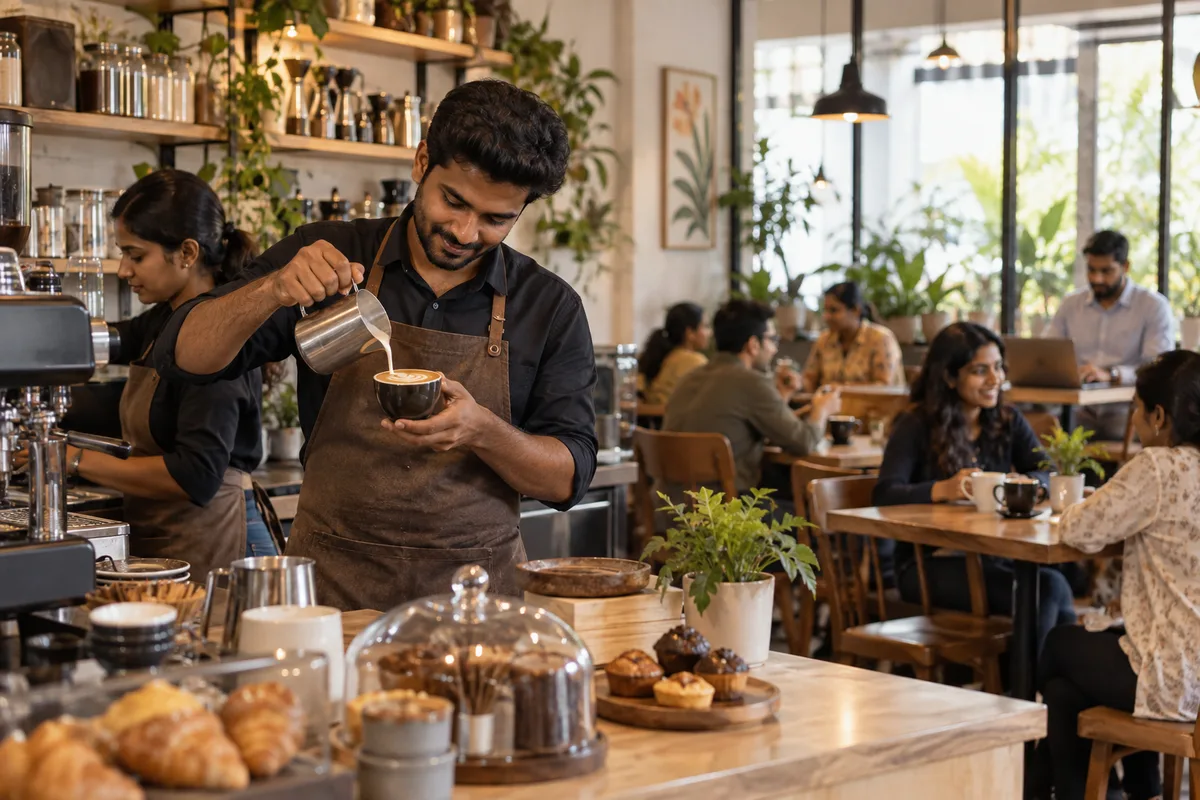
Public relations is getting your business covered by journalists, trade publications or local news, which carries more trust than an advert because a third party is saying it. GullySales pitches your story to the right publications and prepares your team for interviews when coverage is offered.
Also for cafes and coffee shops
- Reputation management for cafes and coffee shops
- Review generation for cafes and coffee shops
- Branding for cafes and coffee shops
- Buyer journey for cafes and coffee shops
- Buyer personas for cafes and coffee shops
- Content marketing for cafes and coffee shops
- Digital marketing for cafes and coffee shops
- Email marketing for cafes and coffee shops
Sales and marketing for cafes and coffee shops, the overview.
Last updated 5 Oct 2026. Rules for this trade differ by state and professional body, and they change. We describe restrictions in general terms, so check the current position with your own council or adviser before you publish anything.
For cafes and coffee shops
Where it usually goes wrong, and what we would do.
“A launch week pitch needs to go out early”
Food writers plan city guides weeks ahead, so a new cafe's opening needs a pitch sent before the doors open, not after.
“A specific dish pitches better than a general story”
A pitch built around one distinctive item, for example a filter coffee variant or a seasonal bake, gets picked up more than a request to cover the cafe generally.
“Local coverage beats a national mention for footfall”
A feature in a city food guide read by people nearby brings more walk-ins than a broader mention with no local relevance.
What we do
What we deliver for cafes and coffee shops.
Every deliverable, what it covers for you, and the result it is there to produce. Nothing here is an extra.
Launch-week media pitch
A pitch sent to local food writers and city guides ahead of a new cafe's opening, timed before the doors open.
Result: The cafe is ready to be found in a city guide from opening week.
Single-dish press pitch
A pitch built around one distinctive drink or dish, with photographs, sent to relevant food pages.
Result: A specific item gets picked up instead of a vague mention request.
Local food writer contact list
A working list of city food writers and pages relevant to your neighbourhood, kept current.
Result: Future pitches reach people already likely to cover the cafe.
A reuse pack for any coverage
The resulting article or mention turned into a social post, a printed clipping for the counter, or a website line.
Result: One piece of coverage keeps working after the story runs.
How the result is measured
- Coverage secured
- Publication reach
- Enquiries after coverage
Recorded as a baseline before work starts, so every later report has an honest comparison.
What is worth telling the press
What a food writer or city guide can use from a cafe.
- Opening week details
- Send the opening date, address and a menu photograph before the doors open. Offer a seat for a tasting rather than asking for a review.
- One dish with a reason behind it
- Pick a dish with a real story, such as a filter coffee from a named estate or a ragi brownie your baker developed. A writer can picture one dish, while a long menu is a blur.
- A seasonal drink pitched on time
- Pitch the mango cold brew or the monsoon masala chai as the season starts, not after it ends. City guides plan their lists ahead.
- A first in your neighbourhood
- A visible roasting room, a pet-friendly patio or a board-game corner can be a feature on its own. Say what a visitor can see or do there.
- Where the beans come from
- If your beans come from a named estate and roaster, put both on a fact sheet. Say so only if you can show the purchase invoice.
- A folder of photographs
- Keep clear photographs of the food, the counter and the owner, with the hours, the address and the Maps link. A writer will not chase you for them.
Who it is for
This is written for these cafes and coffee shops.
- Independent single-outlet cafes
- Specialty coffee roasters with a cafe
- Cafes inside co-working spaces
- Bakery cafes
- Cafe chains opening new outlets
- Cloud kitchen and delivery-only cafes
- Cafes attached to bookstores or art spaces
- Late-night and student-area cafes
Not for
It is not the right fit if.
- You want a guaranteed Google ranking or a guaranteed number of leads. Nobody honest can promise either.
- You need enquiries by next week and have nobody to answer them.
- You want posts and reach reported, not enquiries and orders.
How it works
From your first message to the first report.
No open-ended retainer. Every step gives you something in writing.
First
Your brief
You tell us what you need in a few short steps: your business, what you want, where enquiries come from and how they are handled.
After the brief
A conversation and a written scope
We read it, then talk with whoever handles your enquiries. If you want our help, the scope, the fee and the reporting come in writing, and nothing starts before you have read them.
Before work starts
Baseline recorded
Enquiries by source, reply time, conversion and cost per order, written down so every later report has an honest comparison.
After the baseline
The first fix goes live
The fix we agreed to start with is put in place and measured against the baseline, whether that is reply time, a follow-up sequence, the page buyers land on or the handover between marketing and sales.
As agreed
Report against the baseline
What moved, what did not, and what changes next, in plain words. How often you get it is set in writing before work starts.
At renewal
Renew on the numbers
The term ends and you decide whether to continue from the results. The length is agreed in writing before anything starts.
How the public relations work runs
- 1
Understand what is newsworthy
We identify genuine stories in your business, since manufactured news rarely earns real coverage.
- 2
Audit relevant press
We research which journalists and publications actually cover your industry or locality.
- 3
Prepare the pitch
A release or pitch is written specifically for the target publication, not sent as a mass broadcast.
- 4
Approach and follow up
Journalists are approached directly, with a reasonable follow-up rather than a single unanswered email.
- 5
Measure and prepare ahead
Coverage is tracked, and a communications plan is kept ready for any significant matter that may need a public response.
Why us
Why owners pick GullySales over an agency.
Marketing and sales, as one job
Most agencies stop at the enquiry. We also fix what happens after it: the reply, the follow-up, the quote and the CRM.
The person on the first call does the work
No account managers in between. You are never handed to someone you have not met.
A baseline before anything starts
Your numbers are written down on day one, so every later report compares against something honest.
The fee in writing, split three ways
Our time, your media spend and production on separate lines. You always see what goes to us.
No guarantees we cannot keep
The term is agreed in writing and never a default twelve months. We never promise a ranking or a lead count, because nobody controls those.
One office, and we say so
Nagarbhavi, Bengaluru. We work across India by call and WhatsApp and travel when a session needs to be in person.
#257, 3rd floor, Sri Nanjundeshwara Complex, Nagarbhavi 8th Block, Outer Ring Road. How we work.
Your brief
Tell us what you need, and we will read it before we call.
Eight short steps about your business, what you want and who decides. Most questions are a tap, and you can skip any you would rather answer on the call.
FAQ
Questions owners ask before they call.
Not here? More answers, or ask on WhatsApp.
Do we need a formal press release?
How do we measure if it worked?
A food blogger asks for a free meal in return for a post. Is that paid coverage?
The paper printed the wrong opening hours. How do we get it fixed?
How soon would we see more customers?
Do we need to advertise?
How much does it cost?
How long is the contract?
Who will actually do the work?
What do you need from us?
From the blog
Further reading for cafes and coffee shops.
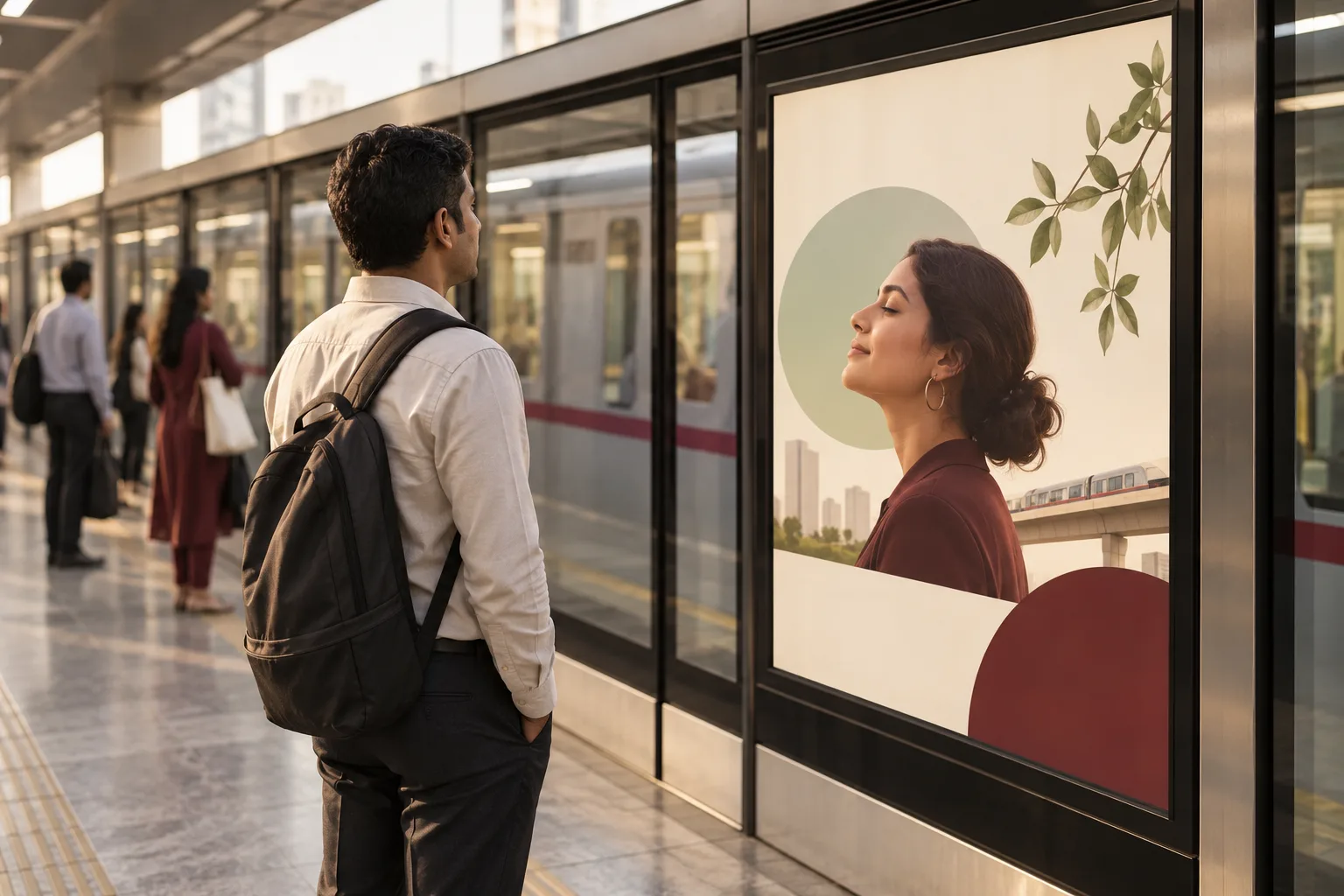 7 min read · 21 Sept 2026How to design metro and transit advertisingA commuter stands still in front of a platform panel for four minutes and passes the same one twice a day for a month. Design for the sixth viewing.
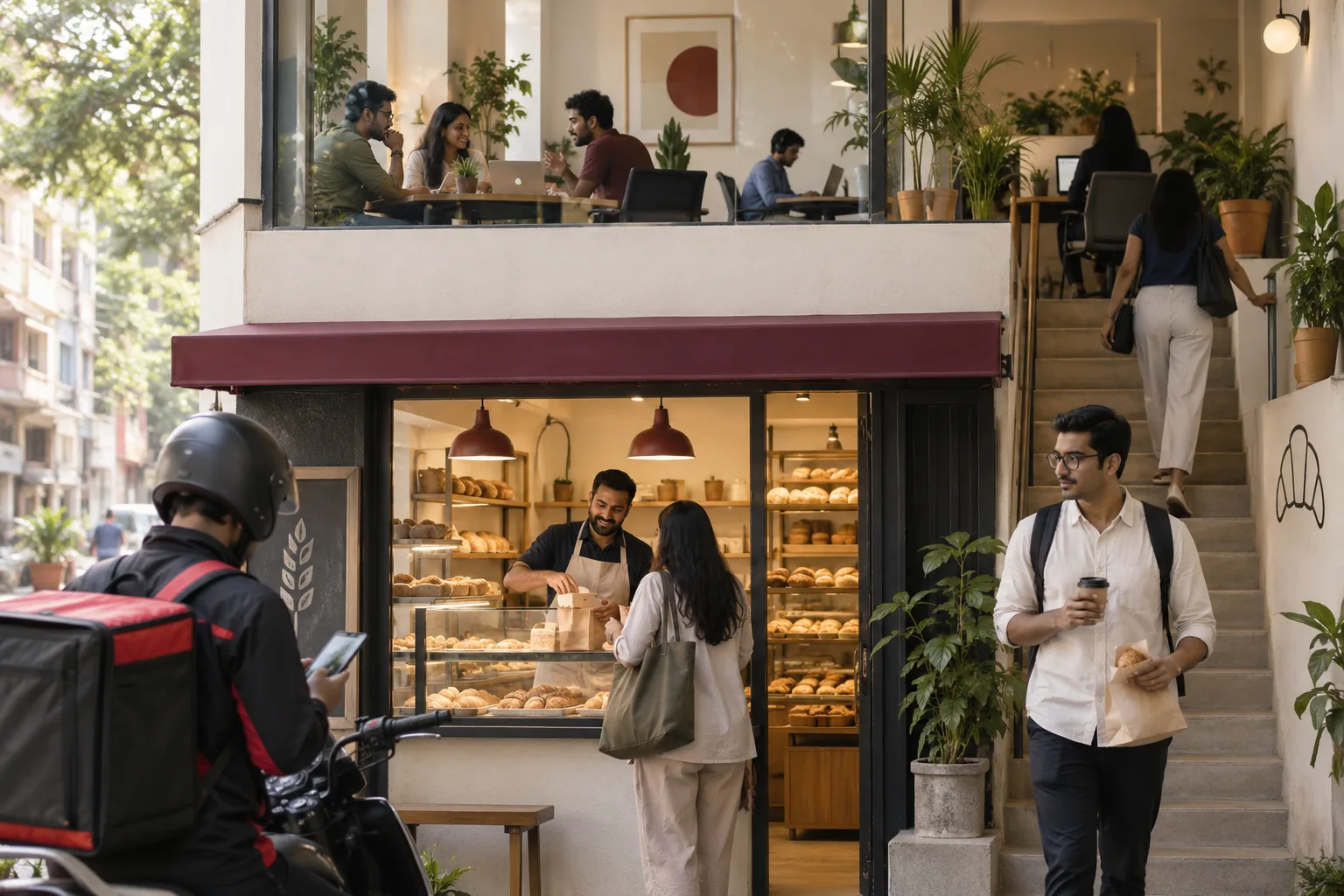 7 min read · 21 Sept 2026How to advertise to startup employeesThere is no tech park to buy. A forty person company sits above a bakery, so the audience is the neighbourhood, the delivery app and the coworking floor.
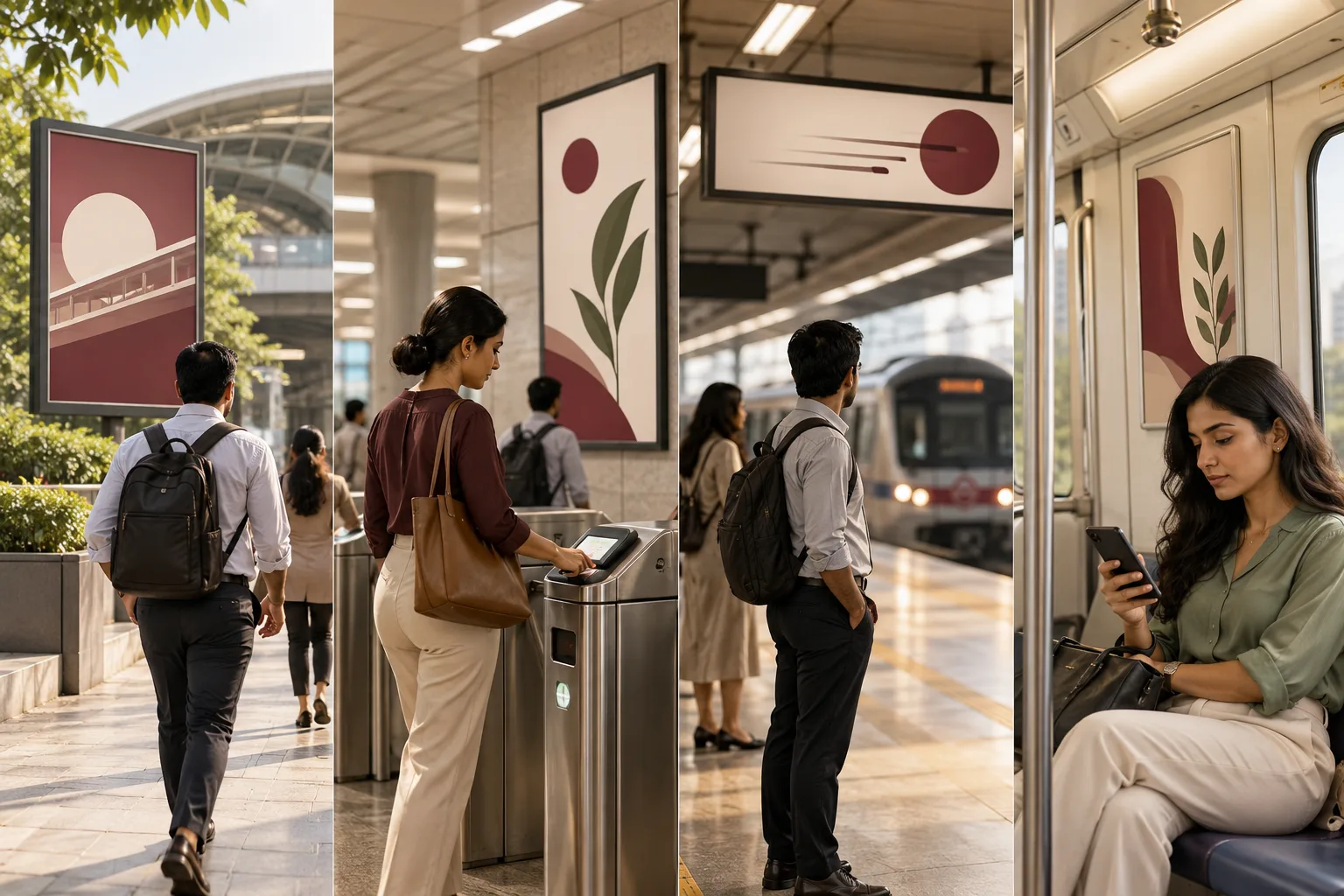 7 min read · 21 Sept 2026How to advertise to metro commutersA commuter is a mode, not a person. The journey has four still moments and each one takes different creative, which is why one design across a station never performs.
More for cafes and coffee shops
Everything else we would do for you.
Closest to this: reputation
Also for cafes and coffee shops
- Branding for cafes and coffee shops
- Buyer journey for cafes and coffee shops
- Buyer personas for cafes and coffee shops
- Content marketing for cafes and coffee shops
- Digital marketing for cafes and coffee shops
- Email marketing for cafes and coffee shops
- Influencer marketing for cafes and coffee shops
- Lead generation for cafes and coffee shops
- Loyalty programmes for cafes and coffee shops
- PPC ads for cafes and coffee shops
- Sales enablement tools for cafes and coffee shops
- Sales management for cafes and coffee shops
- Sales process for cafes and coffee shops
- Sales training for cafes and coffee shops
- SEO for cafes and coffee shops
- Social media for cafes and coffee shops
- Video marketing for cafes and coffee shops
- Website for cafes and coffee shops
- Follow-up systems for cafes and coffee shops
- CRM for cafes and coffee shops
- Customer retention for cafes and coffee shops
- Referral marketing for cafes and coffee shops
- WhatsApp marketing for cafes and coffee shops
Or start from the overview: sales and marketing for cafes and coffee shops.
Your next practical step
Tell us what you are trying to grow, and we will read it before we call.
Eight short steps, mostly taps. Skip anything you would rather answer on the call.