Cafes and coffee shops · Sales management
See which bookings and catering enquiries are going cold this week.
Sales management for a cafe means tracking bookings, catering enquiries and corporate orders in one place so nothing is forgotten between a WhatsApp message and a confirmed date. GullySales sets up this tracking and reviews it with you regularly.
Scope, fee, reporting and term are agreed in writing after we have read your brief and spoken to you.
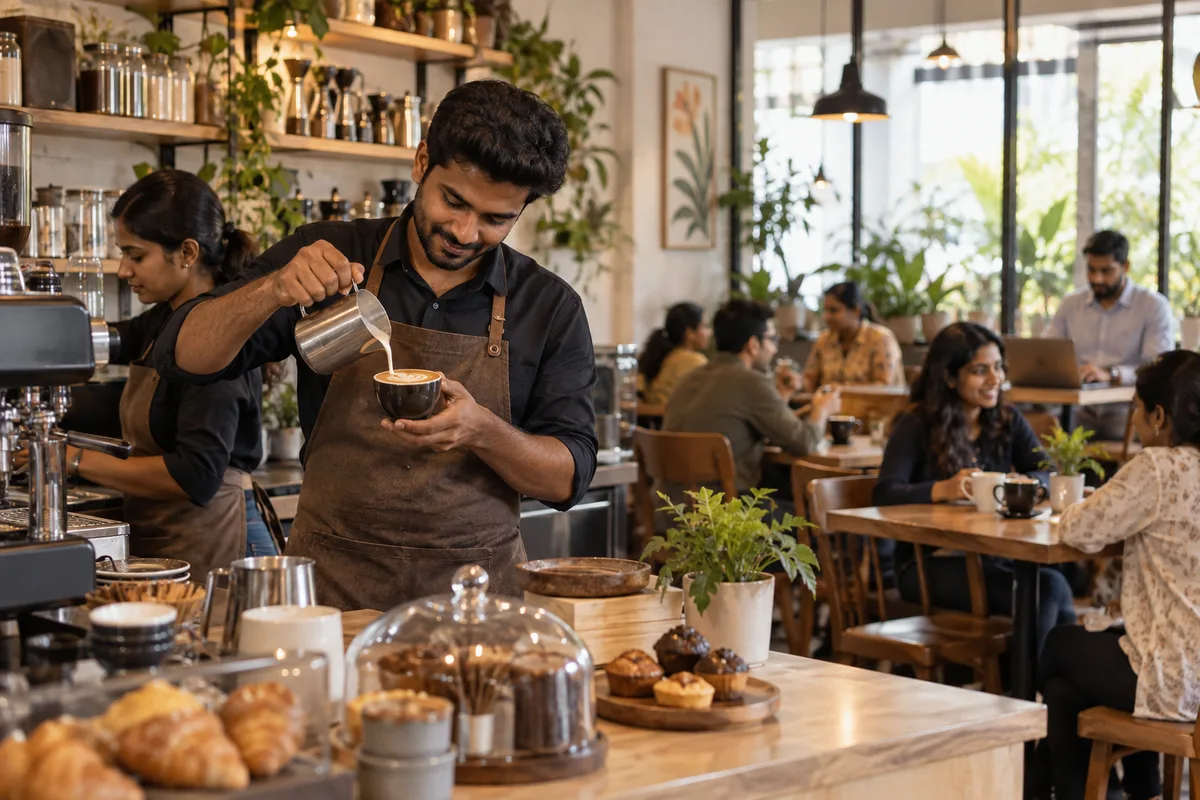
What sales management means
Sales management is the ongoing work of reviewing a sales team's pipeline, calls and targets, and stepping in on deals that are stuck. GullySales sets the review rhythm and the reports a sales manager needs to run this without relying on gut feel.
Also for cafes and coffee shops
- Sales enablement tools for cafes and coffee shops
- Sales process for cafes and coffee shops
- Sales training for cafes and coffee shops
- Branding for cafes and coffee shops
- Buyer journey for cafes and coffee shops
- Buyer personas for cafes and coffee shops
- Content marketing for cafes and coffee shops
- Digital marketing for cafes and coffee shops
Sales and marketing for cafes and coffee shops, the overview.
Last updated 8 Nov 2026. Rules for this trade differ by state and professional body, and they change. We describe restrictions in general terms, so check the current position with your own council or adviser before you publish anything.
For cafes and coffee shops
Where it usually goes wrong, and what we would do.
“A catering enquiry in a personal phone is a lost enquiry”
When bookings and catering requests live across different staff members' phones, nobody can see which ones went cold without a follow-up.
“Weekend bookings need visibility days in advance”
Tracking confirmed and pending bookings for the coming weekend lets the cafe chase the pending ones before the slot fills with a walk-in instead.
“Corporate accounts deserve their own view”
An office that orders coffee for meetings regularly should be tracked as a repeat account, not treated as a one-off enquiry each time.
What we do
What we deliver for cafes and coffee shops.
Every deliverable, what it covers for you, and the result it is there to produce. Nothing here is an extra.
Shared booking and enquiry tracker
One record for bookings, catering requests and corporate orders, visible to whoever answers the phone or WhatsApp.
Result: No enquiry is lost because it lived only in one person's phone.
Weekend booking visibility review
A check of confirmed and pending bookings for the coming weekend, flagging which need a follow-up call.
Result: A pending booking gets chased before the slot fills with a walk-in instead.
A separate corporate account list
A view of offices or clients who order regularly, tracked apart from one-off enquiries.
Result: A repeat account gets the attention that keeps it coming back.
A regular tracker review session
A recurring check-in on the tracker, agreed with you, so cold enquiries are caught early.
Result: You see which enquiries are stalling before the customer decides elsewhere.
How the result is measured
- Target achievement
- Pipeline coverage
- Stuck deals resolved
Recorded as a baseline before work starts, so every later report has an honest comparison.
What the cafe manager reviews
Look at these five things in the booking tracker before the weekend rota is set.
- Party and group table requests in the DMs
- Scroll the Instagram DMs and the cafe WhatsApp for birthday, kitty party and group table requests. Any that are not in the tracker go in now, with a name against each reply.
- Weekend bookings not confirmed
- List bookings with no advance paid or no headcount confirmed. Call those hosts before Thursday evening and release the table if they do not reply.
- Catering and office coffee quotes
- Check quotes sent for office meetings, pop-ups and event catering. One with no reply after a few days needs a call, with the menu and per-head rate resent in the same message.
- Office accounts that have gone quiet
- Read the corporate list for offices that used to order coffee and snacks for meetings. When one stops, call the admin contact and ask whether the order moved to an app, a rival or an in-house pantry.
- Why a booking or quote was lost
- Write a short reason against every lost enquiry: price, menu, seating, parking or a slow reply from the counter. Read them together before you change the party package.
Who it is for
This is written for these cafes and coffee shops.
- Independent single-outlet cafes
- Specialty coffee roasters with a cafe
- Cafes inside co-working spaces
- Bakery cafes
- Cafe chains opening new outlets
- Cloud kitchen and delivery-only cafes
- Cafes attached to bookstores or art spaces
- Late-night and student-area cafes
Not for
It is not the right fit if.
- The cafe has few bookings or catering enquiries, and a pipeline would track an empty list.
- The manager does not have time to look at the list, so it would go stale.
- Bookings are taken on personal phones that the cafe does not control.
How it works
How the sales management work runs
The work itself, in order. How an engagement starts, from your brief to a written scope, is set out on our method page.
- 1
Look at what exists
We ask for the last few weeks of calendars, pipeline records and review notes, and find where the routine breaks.
- 2
Write the routine down
Slots, agendas, attendees and the records each meeting uses are agreed in writing before the first one.
- 3
Clean the pipeline first
Stage definitions are fixed and stale deals removed, so the first review is about real deals.
- 4
Run or coach
We lead the meetings, or sit in while your manager leads and give feedback afterwards.
- 5
Deal with problems as they appear
A slipping number is discussed at the next one-on-one with notes, not stored up for an appraisal.
- 6
Hand over
Your manager or owner takes the routine, with the templates and records, and we step back.
Where this fits
Three pieces of sales work, in this order.
This work sits inside sales management. A target, a review routine and someone who owns the number.
Step 1
Sales audit
Find where deals are being lost and what to fix first.
Start here if you cannot say where orders are lost.
Step 2
Sales process design
One written way to sell, from first enquiry to repeat order.
Start here if every salesperson sells differently.
Step 3 · you are here
Sales management
A target, a review routine and someone who owns the number.
Start here if the team has targets and no routine.
FAQ
Questions owners ask before they call.
Not here? More answers, or ask on WhatsApp.
What tool does a cafe need for this?
How often should this be reviewed?
Should the barista or floor staff be part of the review?
My staff reply to bookings from their own phones and forget to log them. How do I stop that?
How much does it cost?
How long is the contract?
How soon will we see results?
Who will actually do the work?
What do you need from us?
From the blog
Further reading for cafes and coffee shops.
 7 min read · 21 Sept 2026How to design metro and transit advertisingA commuter stands still in front of a platform panel for four minutes and passes the same one twice a day for a month. Design for the sixth viewing.
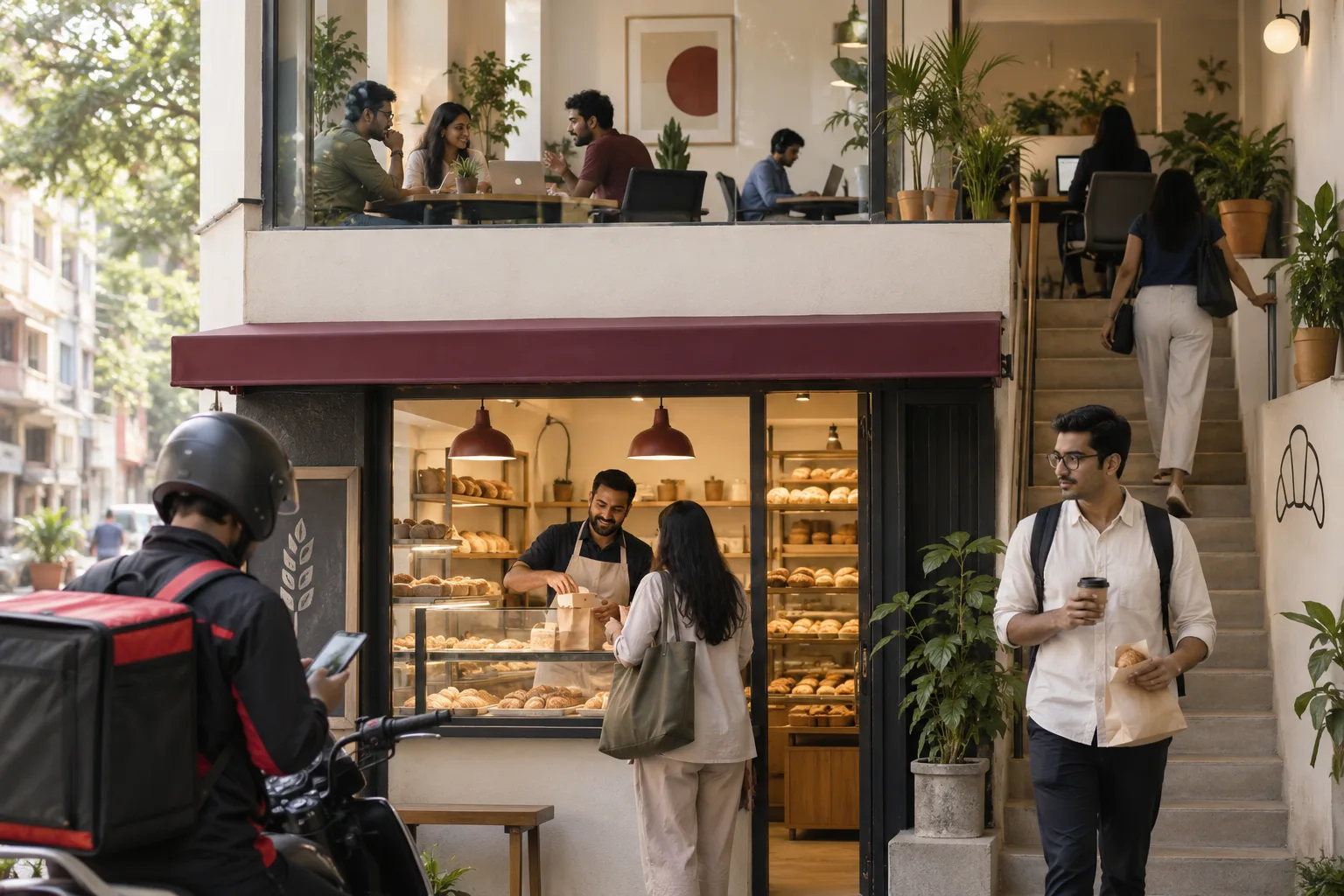 7 min read · 21 Sept 2026How to advertise to startup employeesThere is no tech park to buy. A forty person company sits above a bakery, so the audience is the neighbourhood, the delivery app and the coworking floor.
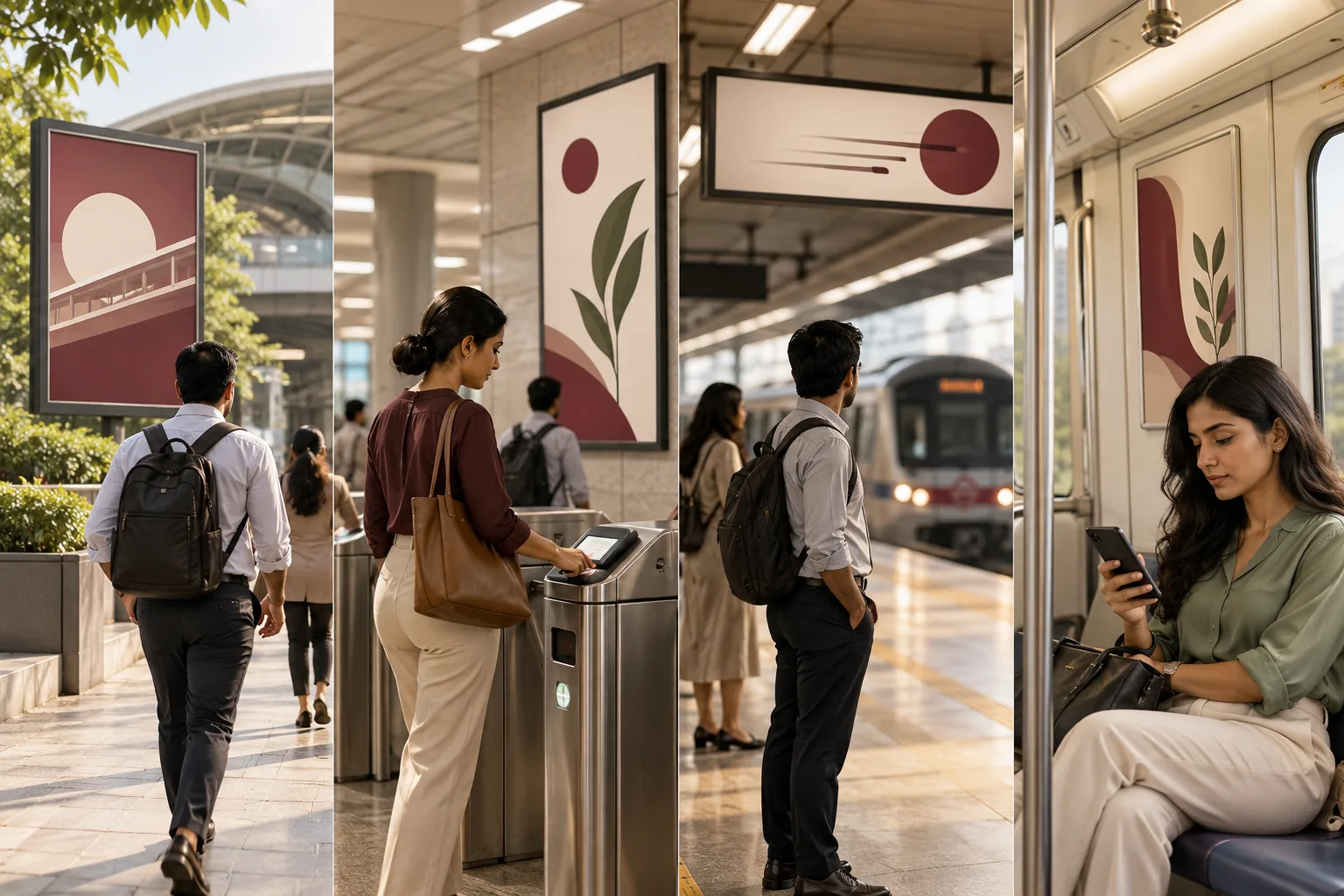 7 min read · 21 Sept 2026How to advertise to metro commutersA commuter is a mode, not a person. The journey has four still moments and each one takes different creative, which is why one design across a station never performs.
More for cafes and coffee shops
Everything else we would do for you.
Closest to this: sales craft
Also for cafes and coffee shops
Or start from the overview: sales and marketing for cafes and coffee shops.
Your next practical step
Tell us what you are trying to grow, and we will read it before we call.
Eight short steps, mostly taps. Skip anything you would rather answer on the call.