Auto parts manufacturers · Export and international market development
Pick the countries and importers that suit the parts your plant already makes.
Export market development for an auto parts manufacturer is choosing which countries and importers to sell to, checking who they really supply, and agreeing terms before stock leaves the plant. GullySales compares markets against the vehicles on their roads, assesses candidates, prepares terms for your advisers and tracks enquiries through to payment.
Scope, fee, reporting and term are agreed in writing after we have read your brief and spoken to you.
What export and international market development means
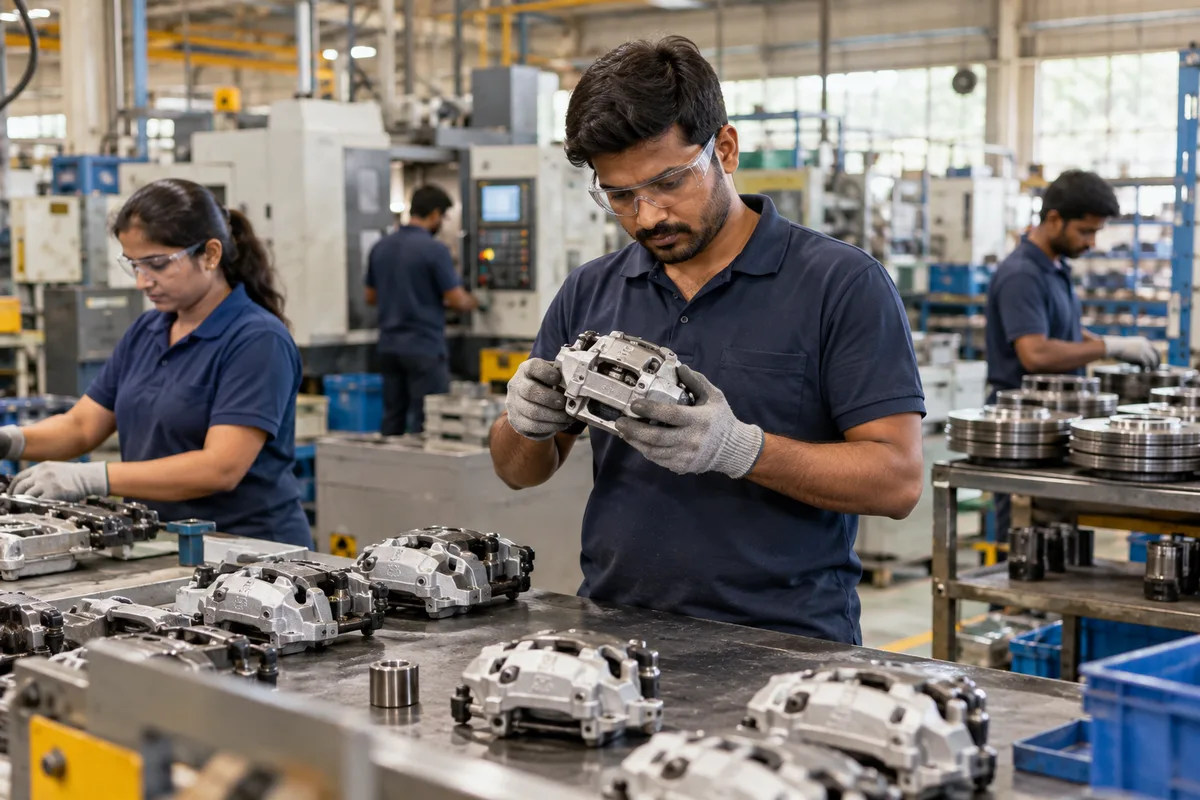
Export and international market development is the work of choosing overseas markets and finding, checking, and supporting distributors, agents, or importers who will sell your product there. GullySales compares market options, evaluates prospective partners, prepares commercial terms for your advisers, and tracks enquiries through to orders and payment.
Also for auto parts manufacturers
- Dealer network brand visibility for auto parts manufacturers
- Channel partner engagement campaigns for auto parts manufacturers
- Channel governance and conflict management for auto parts manufacturers
- Channel opportunity generation and follow-up for auto parts manufacturers
- Channel partner recruitment for auto parts manufacturers
- Channel sales strategy and route to market execution for auto parts manufacturers
- Channel territory planning for auto parts manufacturers
- Co-operative partner marketing for auto parts manufacturers
Sales and marketing for auto parts manufacturers, the overview.
Last updated 14 Nov 2026.
For auto parts manufacturers
Where it usually goes wrong, and what we would do.
“The vehicles on the road decide the market, not the enquiry”
A part sells where the vehicle it fits is common. A country full of one manufacturer's models wants that manufacturer's filters, pads and bearings, and has little use for a part made for another brand. Taking the enquiry from whichever country writes first means quoting for fitments you may not even produce. The market comparison starts from your part numbers and the vehicles that carry them.
“An importer with a warehouse is not an importer with workshops”
A candidate may hold stock and still sell to nobody who fits your parts. Auto parts move through wholesalers, retail counters and workshop chains, and each has a different buyer. Before sending samples, you need to know which of those the candidate actually reaches, and whether they already carry a rival brand in the same part family at a price you cannot meet.
“Samples, certificates and part numbers travel before any order”
An overseas buyer wants a sample, a quality certificate and an OEM cross-reference before they commit. Sending a sample to an unchecked sender costs the part, the freight and a design you cannot take back. Sending nothing loses the enquiry. A sample plan with conditions, such as a stated purpose and a named recipient, keeps both risks in view.
“Exclusivity given early is hard to take back”
An eager importer asks for the whole country, and the manufacturer agrees to win the account. Months later the importer orders a single part and sells a competitor's brand beside it. Territory, purchase commitments, brand ownership and exit terms belong in writing before the first shipment, reviewed by your own lawyer, not agreed in a message thread.
What we do
What we deliver for auto parts manufacturers.
The work available for this need. We agree the deliverables and responsibilities for your engagement in writing.
Part-to-market comparison
A table that sets your part numbers and their vehicle fitments beside candidate countries, using trade data, the Harmonised System code for each part and the enquiries you already hold. Each country receives a reason to pursue or reject. Gaps that need a specialist, such as conformity rules, are marked for your adviser.
Result: You can read why each shortlisted country was kept or dropped.
Product and paperwork map by country
A record of the standards, labelling, packaging marks and certificates that each shortlisted country asks for on the parts you plan to send. Your compliance contact or appointed specialist checks it. Nothing is promised to a buyer until the map shows the part is ready.
Result: Each country shows ready, in progress or blocked against your parts.
Importer assessment file
A profile for each candidate: who they supply, what brands they stock, bank and trade references, independent credit information and notes from video discussions about their warehouse and counter. Missing evidence is marked as missing, so a finalist is compared on what is known.
Result: Two candidates can be set side by side on the same questions.
Commercial terms sheet for your lawyer
Proposed territory, purchase commitments, exclusivity conditions, price list currency, delivery responsibilities under the chosen Incoterm and exit terms, plus questions on brand ownership and disputes. We prepare the sheet; your lawyer drafts and your owner signs.
Result: Your lawyer receives a sheet with open questions listed.
Sample plan and onboarding kit
A written plan for which sample goes to which candidate, with the purpose, the condition for sending and the follow-up call. The kit adds an approved price list, part sheets with cross-references and a sales briefing. Your product lead checks every claim before it leaves.
Result: Every sample sent has a recorded recipient and purpose.
Export enquiry register and partner scorecard
A shared record of enquiries, quotations, orders, payment status and, where the importer supplies them, stock and sell-out figures. It shows the next action on every open item and compares each importer with the figures noted before the work began.
Result: You can see which importer has ordered, paid and reordered.
How the result is measured
- Export enquiries by country and source, separated from qualified buyer opportunities
- Candidate decisions and outstanding verification gaps
- Qualified opportunities progressing to quotations and completed orders
Recorded as a baseline before work starts, so every later report has an honest comparison.
Who it is for
This is written for these auto parts manufacturers.
- Component manufacturers supplying OEMs
- Aftermarket spare parts manufacturers
- Export-focused parts manufacturers
- Tier 2 and Tier 3 component suppliers
- Two-wheeler parts manufacturers
- Commercial vehicle parts manufacturers
- Casting and forging units supplying parts
- Manufacturers with an in-house aftermarket brand
Before you decide
Agree the work. Know how to judge it.
Export and international market development for auto parts manufacturers: use these checks to prepare, choose the scope, and review what changes.
Bring the right evidence
Map existing partners, their territories, and the customers they serve. Review active selling and repeat orders separately from the number of partners signed up.
Make the scope clear
Agree partner fit, territory rules, onboarding, and support responsibilities. Clarify how direct enquiries and partner enquiries are assigned before starting recruitment.
Check the work in use
Follow a partner enquiry through to an order and the next purchase. Check whether the partner has the product knowledge and material needed to sell without repeated intervention.
Know when to change course
If current partners cannot sell because supply or support is weak, resolve that before recruiting more. A bigger network can spread the same problem further.
These are discussion points, not a fixed package. GullySales confirms the deliverables, responsibilities, fee, and term in writing after reading your brief and speaking with you.
Before we start
What to have ready before the work starts.
The records, access and decisions this work needs from auto parts manufacturers. Anything missing is noted in the written scope, with who will supply it.
- Part list with vehicle fitments and cross-references
- Markets are chosen by which vehicles use your parts, so the list must show part numbers, fitments and any OEM cross-references you hold. If the fitment data is incomplete, the comparison is limited to the parts that are documented and the rest wait.
- Past export documents and enquiries
- Invoices, packing lists, quotations and the overseas enquiries sitting in your inbox show what has already been sold and to whom. Without them, the readiness check rests on description alone and the baseline is blank.
- Quality certificates and test summaries
- Overseas buyers ask for these before ordering, and an expired or missing certificate stops the conversation. Bring what you hold and say what is being renewed. We list the gaps for your quality head to close before any buyer is told the part is ready.
- Production capacity and minimum order terms
- An importer's first question is how much and when. Your owner needs to say what the plant can supply without disturbing OEM or domestic dealer commitments, and the smallest order worth a shipment. Without this, quotations promise more than the line can make.
- A named adviser for contracts, payment and compliance
- Agreements, payment risk and product rules belong to your lawyer, bank or accountant, and your compliance contact. Tell us who they are. We prepare the questions, and when no adviser is named, the terms sheet waits instead of going to a buyer unreviewed.
How it works
How the export and international market development work runs
The work itself, in order. How an engagement starts, from your brief to a written scope, is set out on our method page.
- 1
Check readiness with your export records
Your team shares past shipments, export documents, production capacity, packing details and the payment terms you can accept. We read them with your sales head and note what an importer would ask for that you cannot yet supply. These gaps go to your advisers before any outreach begins.
- 2
Compare markets against your part list
We set your parts against candidate countries using vehicle fitment, trade data and the enquiries on file. You receive a short list with reasons. Your owner approves which countries and which parts to offer first, and which to leave until capacity is clear.
- 3
Screen importers from several sources
Candidates come from your own enquiries, trade directories and buyer-seller meetings run by export bodies. We collect evidence and agree with you what may be shared at each stage, so that price lists and drawings are held back until references are checked.
- 4
Review finalists and their references
Reference checks and video discussions inform the finalists. We ask each candidate who they sell to, which brands they stock and how they would handle a warranty claim. A visit to a finalist is agreed as a separate scope, and your owner chooses who moves to terms.
- 5
Clear terms with your own advisers
The terms sheet goes to your lawyer. Your bank or accountant reviews the payment method and whether credit insurance suits the named buyer, and your compliance contact reviews labelling. We record each answer. You sign the agreement; GullySales does not sign for you.
- 6
Hand over and read the first orders
The importer receives the approved kit and a first-order plan. Your sales lead owns the register and reviews it with us against the starting figures. Importers who have not ordered, paid or reported stock are discussed, and your owner decides whether to continue, adjust or end.
Where this fits
Three pieces of sales work, in this order.
This work sits inside sales process design, at stage 0, foundation. The audit comes before it, and sales management keeps it running.
Step 1
Sales audit
Find where deals are being lost and what to fix first.
Start here if you cannot say where orders are lost.
Step 2 · you are here
Sales process design
One written way to sell, from first enquiry to repeat order.
Start here if every salesperson sells differently.
Step 3
Sales management
A target, a review routine and someone who owns the number.
Start here if the team has targets and no routine.
FAQ
Questions owners ask before they call.
Not here? More answers, or ask on WhatsApp.
Can you promise an overseas importer or export orders?
How do we choose between two countries that both sent enquiries?
Should we send a free sample to a first-time overseas buyer?
Can you check an importer without travelling?
Do you handle shipping, customs clearance or legal drafting?
What if we already have an overseas distributor who has stopped ordering?
How much does it cost?
How long is the contract?
How soon will we see results?
Who will actually do the work?
From the blog
Further reading for auto parts manufacturers.
 6 min read · 29 Nov 2025Export enquiries from the first call to the first shipment: what the overseas buyer asksOverseas buyers ask about samples, documents and payment before price. The questions in order, what to have ready, and how a first order reaches port.
 6 min read · 10 Oct 2026How manufacturers can generate enquiries from relevant business buyersRelevant RFQs come from buyers who can verify you: real specifications on product pages, matching listings and a quick way to screen requests.
 6 min read · 6 Oct 2026How buyers choose a showroom, workshop or parts counterCar, bike, repair and parts buyers send one enquiry to several sellers and pick the first clear answer. See what each buyer checks and where you lose them.
More for auto parts manufacturers
Related work to consider.
Closest to this: channels and partners
- Dealer network brand visibility for auto parts manufacturers
- Channel partner engagement campaigns for auto parts manufacturers
- Channel governance and conflict management for auto parts manufacturers
- Channel opportunity generation and follow-up for auto parts manufacturers
- Channel partner recruitment for auto parts manufacturers
- Channel sales strategy and route to market execution for auto parts manufacturers
- Channel territory planning for auto parts manufacturers
- Co-operative partner marketing for auto parts manufacturers
Also for auto parts manufacturers
Or start from the overview: sales and marketing for auto parts manufacturers.
Your next practical step
Tell us what you are trying to grow, and we will read it before we call.
Eight short steps, mostly taps. Skip anything you would rather answer on the call.