Steel rolling mills and TMT bar makers · Social media
Make the mill's name familiar to the mason and the dealer before the rate call.
Social media marketing for a rolling mill means showing the plant, the bars and the sites they go into to the dealers, engineers and builders who choose a brand. GullySales works on what the mill posts, where it posts it and how a comment or message reaches the sales desk.
Scope, fee, reporting and term are agreed in writing after we have read your brief and spoken to you.
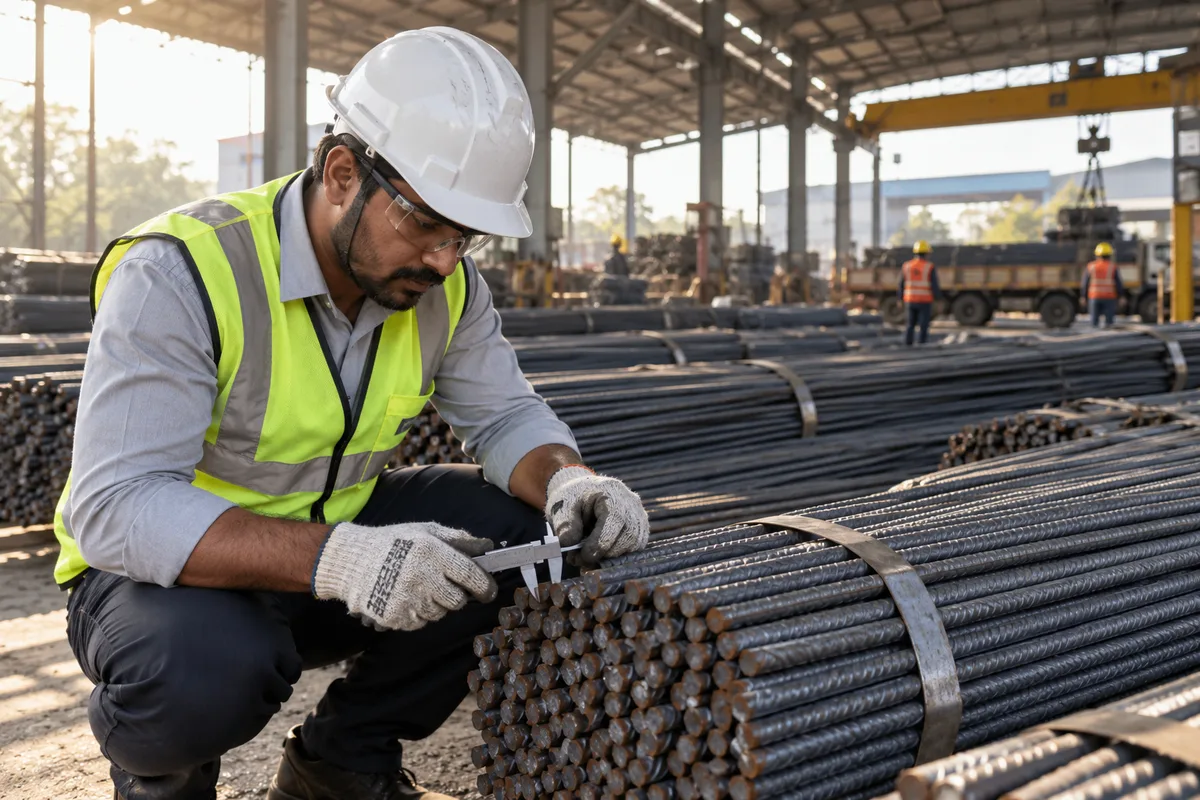
What social media means
Social media is the ongoing posting your business does on platforms such as Instagram, Facebook and LinkedIn to stay visible to customers and prospects between purchases. GullySales plans a posting calendar, writes captions and designs the images so the page looks active and answers what a visitor would ask.
Also for steel rolling mills and TMT bar makers
- Content marketing for steel rolling mills and TMT bar makers
- SEO for steel rolling mills and TMT bar makers
- PPC ads for steel rolling mills and TMT bar makers
- Lead generation for steel rolling mills and TMT bar makers
- CRM for steel rolling mills and TMT bar makers
- Email marketing for steel rolling mills and TMT bar makers
- Sales process for steel rolling mills and TMT bar makers
- Buyer persona for steel rolling mills and TMT bar makers
Sales and marketing for steel rolling mills and TMT bar makers, the overview.
Last updated 13 Nov 2026.
For steel rolling mills and TMT bar makers
Where it usually goes wrong, and what we would do.
“The mason never sees a rate sheet”
The person tying the bars on site decides which brand the owner hears about, yet no brochure reaches them. A short video of a bend test or a bundle being tagged at the plant is something a mason will forward on a phone, and the brand travels with it.
“Dealers watch what rival mills post”
A dealer scrolling a feed notices which mill shows its rolling line, its dispatch yard and its licence, and which has posted nothing for months. A mill that looks active reads as a mill that will deliver. A silent page reads as a risk to a dealer deciding where to put credit.
“A comment is an enquiry in disguise”
Someone asking 'rate for 16 mm?' under a post is a rate request, and it is answered in public. If nobody replies, every other dealer reading the thread sees the silence. The reply should move the conversation to WhatsApp and carry the name of the person who will answer.
“Site photographs need permission and a caption”
A photograph of bars in a building is proof only when the builder agrees to it and the caption names the grade and the size. Without both, it is decoration. A mill that asks before posting also earns a better relationship with the purchase head.
What we do
What we deliver for steel rolling mills and TMT bar makers.
The work available for this need. We agree the deliverables and responsibilities for your engagement in writing.
A plant and product content plan
A list of what the mill can film and photograph: the rolling line, quenching, bundling, testing, loading and dispatch, each with a caption that names the grade and size.
Result: The mill has a bank of posts drawn from its own floor, not from stock images.
Channel choice by buyer
A decision on which channel suits dealers, which suits engineers and which suits masons, such as LinkedIn for specifiers and YouTube or Instagram for site crews.
Result: Each buyer is reached where they already spend time.
Dealer-ready post packs
Images, short videos and captions that a dealer can post on their own page with the mill's name, so the brand appears in each district.
Result: Dealers in different districts carry the same message.
A reply rule for comments and messages
Who answers, what is said in public and when the talk moves to WhatsApp, with a record of the person who asked and the town.
Result: No rate request under a post is left without an answer.
A site-photo consent routine
A simple request sent to the builder before a site photograph is used, and a note of the reply kept with the picture.
Result: Every site image on the page has a recorded yes behind it.
How the result is measured
- Posts published
- Engagement rate
- Enquiries from social profiles
Recorded as a baseline before work starts, so every later report has an honest comparison.
Posts and pieces to plan
The posts a mill can make from its own plant and its dealers' sites.
- Bar being tested at the mill
- A short clip of a sample bent or pulled in the lab, with the grade named. Needs your quality head to confirm what the test shows before it is posted.
- How to read the mark rolled on a bar
- A photo of the brand and grade rolled on the bar with a plain caption. A mason or builder can use it at delivery to check what arrived.
- A dealer's godown with your stock
- A photo of stock stacked at a dealer, posted with that dealer's agreement. It shows the brand is on the ground in that district.
- Bundle tag and weight at dispatch
- A close picture of the tag on a loaded bundle. It tells a purchase head how a lorry reaches them and what paperwork rides with it.
- A site where your bars were used
- A photo of a site with the owner's written permission, naming the work only as they allow. No result claim goes with it.
Who it is for
This is written for these steel rolling mills and TMT bar makers.
- TMT bar mills on the integrated or induction furnace route
- Re-rolling mills working from billets
- Mills selling through a dealer and distributor network
- Mills selling directly to builders and infrastructure contractors
- Mills making angles, channels and flats
- Wire rod and binding wire makers
- Regional brands sold within one or two states
- Mills supplying precast yards and project sites
Not for
It is not the right fit if.
- Nobody checks comments and messages on the page, so a builder who asks for a rate in a comment would be left without a reply.
- You have no permission from dealers or site owners to show their stock or building, so there is nothing safe to post beyond the plant.
Before you decide
Agree the work. Know how to judge it.
Social media marketing for steel rolling mills and TMT bar makers: use these checks to prepare, choose the scope, and review what changes.
Bring the right evidence
Review the posts that produced useful conversations, not only the ones with the most views. Gather buyer questions and decide which team member can contribute credible material.
Make the scope clear
Choose the audience and channel before setting a posting volume. Agree who supplies material, approves posts, and handles messages, including complaints or questions the agency cannot answer.
Check the work in use
Follow a post through to the profile, website, and response. A useful report explains the quality of conversations and enquiries, alongside reach and engagement.
Know when to change course
If publishing takes time away from unanswered buyer messages, fix the response routine first. Do not expand to another channel without a clear reason for being there.
These are discussion points, not a fixed package. GullySales confirms the deliverables, responsibilities, fee, and term in writing after reading your brief and speaking with you.
Before we start
What to have ready before the work starts.
The records, access and decisions this work needs from steel rolling mills and TMT bar makers. Anything missing is noted in the written scope, with who will supply it.
- Access to the shop floor with a guide
- Someone from the mill who can accompany us and answer questions on the line. Safety rules apply. If not possible, we use photographs your team takes under our directions.
- Dealers willing to repost
- A handful of dealers who agree to share the mill's content. The sales head can ask. Without them our posts reach only your followers, which are few at the start.
- Login for any page the mill already has
- Ownership or admin of existing pages, even if unused. We would rather revive one than open a copy. If the login is lost, we start recovery before posting. Where the page was opened by a former employee or agency, we also ask who holds the recovery email and mobile number.
- A person who reads comments and messages
- Someone at the mill who checks the channel in plant hours. A comment left without reply looks worse than no post. If there is no reader, we limit posting.
How it works
How the social media work runs
The work itself, in order. How an engagement starts, from your brief to a written scope, is set out on our method page.
- 1
Walk the rolling line for photographs
We begin on the shop floor with a phone and a person from the mill, taking photos and short clips of billets entering the furnace, bars leaving the cooling bed, the tagging and the bundles. We record with permission and ask your team what they find worth showing. You approve which pictures can be shown outside. The clips are kept in a folder named by date and bar size so that a post can be made from them later without another visit to the plant.
- 2
Find where the mason and dealer actually look
We ask a few dealers and masons which apps they open through the working day and what they watch. A dealer may follow rival mills on one channel while a mason watches short clips on another. You choose one or two channels to begin on, and we do not open accounts that nobody will tend.
- 3
Make the dealer post pack
We prepare images and short captions that a dealer can post on the shop's own page, with the mill's name and no rate. The sales head sends them on WhatsApp to the dealers who agreed to take them. You decide whether dealers may adjust the text, and we keep the files in one shared folder.
- 4
Write the reply rule for comments and messages
A comment asking for a rate is an enquiry. We write a rule: who replies, what the first reply says, and when to move to a call or private message. Complaints go to the quality head, not an argument in public. You approve the rule and name the person who reads the page. A complaint posted by an angry mason is answered once, politely, and then taken to a call, so that the argument does not run on the page where a rival mill's dealer can read it.
- 5
Count the comments that became calls
We read the channel against the figures noted at the start: messages received, calls that began from a post, rate requests, dealer conversations and lorries traced. You see which posts brought a person to the phone and which brought likes only. We repeat the former and stop the latter.
Where this fits
Three pieces of sales work, in this order.
This work sits inside sales process design, at stage 0, foundation. The audit comes before it, and sales management keeps it running.
Step 1
Sales audit
Find where deals are being lost and what to fix first.
Start here if you cannot say where orders are lost.
Step 2 · you are here
Sales process design
One written way to sell, from first enquiry to repeat order.
Start here if every salesperson sells differently.
Step 3
Sales management
A target, a review routine and someone who owns the number.
Start here if the team has targets and no routine.
FAQ
Questions owners ask before they call.
Not here? More answers, or ask on WhatsApp.
Which platform matters most for a mill?
Should we post the rate on social media?
Can we claim our bars are stronger than a rival's?
Is it safe to post a photo of a building where our bars were used?
Which platform should a steel mill start with?
How much does it cost?
How long is the contract?
How soon will we see results?
Who will actually do the work?
What do you need from us?
More for steel rolling mills and TMT bar makers
Related work to consider.
Closest to this: content and social
Also for steel rolling mills and TMT bar makers
- SEO for steel rolling mills and TMT bar makers
- PPC ads for steel rolling mills and TMT bar makers
- Lead generation for steel rolling mills and TMT bar makers
- CRM for steel rolling mills and TMT bar makers
- Email marketing for steel rolling mills and TMT bar makers
- Sales process for steel rolling mills and TMT bar makers
Or start from the overview: sales and marketing for steel rolling mills and TMT bar makers.
Your next practical step
Tell us what you are trying to grow, and we will read it before we call.
Eight short steps, mostly taps. Skip anything you would rather answer on the call.