Window manufacturers · Digital marketing
Plan search, maps, social and messaging around one route to a window site visit.
Digital marketing for a window manufacturer is the set of channels that carry a buyer from a first search to a measurement visit and a fitted window. GullySales works on choosing the channels, connecting them to one enquiry record and reading what each one brings.
Scope, fee, reporting and term are agreed in writing after we have read your brief and spoken to you.
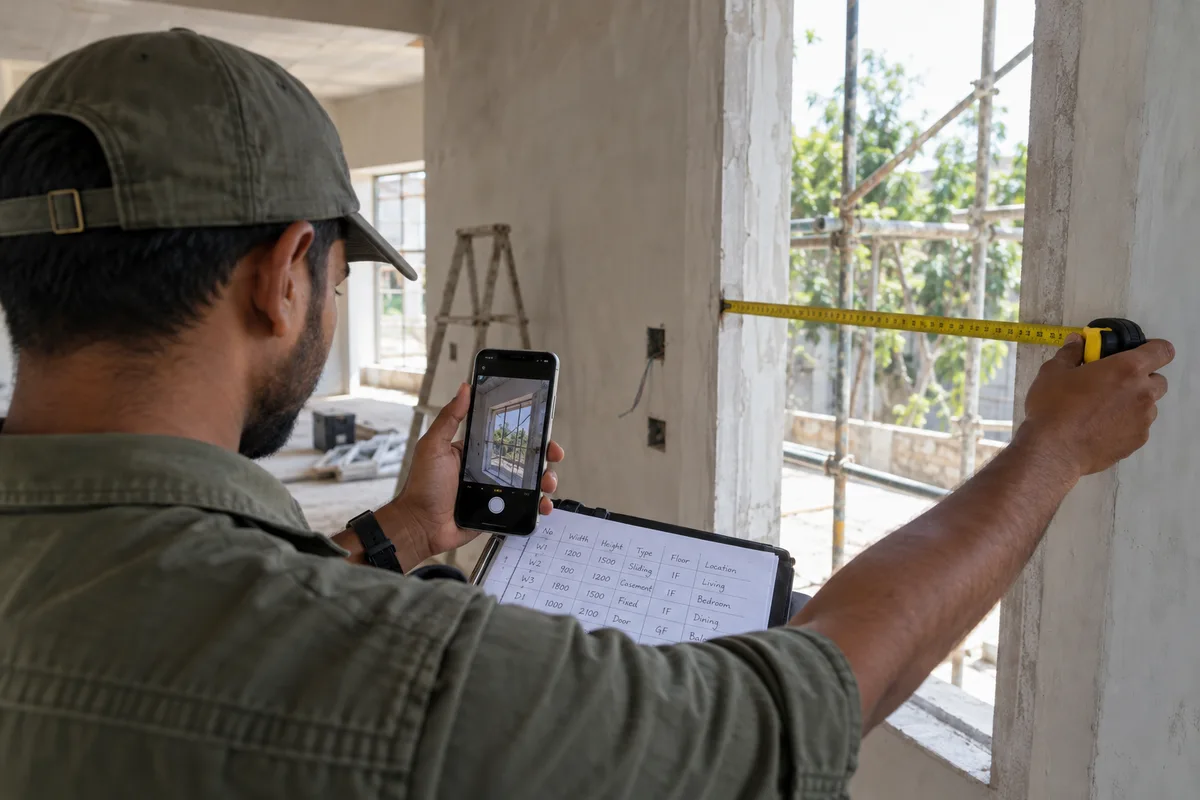
What digital marketing means
Digital marketing is the combined work of search, social media, advertising and website channels running together rather than as separate projects with separate people. GullySales runs these as one connected system so a change in one channel, such as a new offer, is reflected everywhere at once.
Also for window manufacturers
- Buyer personas for window manufacturers
- Lead generation for window manufacturers
- SEO for window manufacturers
- Local SEO for window manufacturers
- Social media marketing for window manufacturers
- Content marketing for window manufacturers
- CRM for window manufacturers
- Follow-up systems for window manufacturers
Sales and marketing for window manufacturers, the overview.
Last updated 14 Nov 2026.
For window manufacturers
Where it usually goes wrong, and what we would do.
“Channels are judged by site visits”
A click on an advertisement counts for little if no measurement follows. The useful measure for a window maker is the site visit booked from each channel, and the order that comes after it.
“Different buyers sit in different places”
Homeowners use search, Maps and Instagram. Architects use LinkedIn and referrals. Fabricators use trade contacts and search for systems. Spending on one channel for every buyer misses the rest.
“Spending in the wrong season wastes money”
Building activity and replacement work follow the weather, the festivals and the building cycle in your area. Advertising should follow your own enquiry record, not a national pattern.
“Digital work needs the showroom behind it”
A buyer who books online expects the showroom to know. If the visit form, the phone and the showroom diary are not linked, the buyer arrives and finds nobody has their details.
What we do
What we deliver for window manufacturers.
The work available for this need. We agree the deliverables and responsibilities for your engagement in writing.
Channel plan
A plan naming the channels for each buyer type, with the reason and the check for each.
Result: You know why each channel is used and what it should bring.
Search and Maps campaigns
Search advertising and a profile for problems such as noise, heat and replacement, pointing to matched pages.
Result: Each campaign lands on a page that answers its problem.
Social and content calendar
A calendar for fitted-work posts, guides and clips, linked to the enquiry route.
Result: Posts have a purpose, and each ends with a way to ask.
Connected enquiry record
Forms, calls and chats all feeding one record with a source tag.
Result: You see every enquiry and where it began.
Advertising spend review
A look at spend against site visits and orders by channel, with decisions noted.
Result: Money moves away from sources that bring calls but no visits.
Plain report
A short written summary of enquiries, visits, quotes and lost reasons.
Result: The owner reads the numbers without a dashboard lesson.
How the result is measured
- Enquiries across channels
- Cost per enquiry overall
- Channel mix by contribution
Recorded as a baseline before work starts, so every later report has an honest comparison.
Searches your buyers type
Where a window buyer looks, and the page or action that answers each search.
- uPVC windows price
- A page that explains what moves the price and offers a measurement request. A bare rate misleads, so give the factors and the next step.
- windows for new house construction
- A page for self-builders at the stage when windows are decided, with a checklist of the information the measurer needs.
- window dealer partnership
- A page for dealers and fabricators on the system, support and terms, aimed at partners rather than homeowners.
- soundproof window for bedroom
- A noise page and a map profile entry that show fitted windows near roads, and the check made before recommending glass.
- builders window supplier
- A project page for developers with the sample approval route and an enquiry that asks the number of units and the schedule.
Who it is for
This is written for these window manufacturers.
- uPVC window manufacturers
- Aluminium window and sliding door makers
- Aluminium extrusion system suppliers to fabricators
- Wooden window and teak frame makers
- Fixed glass, curtain wall and structural glazing fabricators
- Fire and acoustic window specialists
- Mosquito mesh and safety grille window makers
- Manufacturers with their own dealer and installer network
Before you decide
When this may not be the right fit.
- Your showroom cannot take a visit in the season when advertising would run, so paid reach would send people to a closed door
- Your enquiry form goes to an inbox that is read late, and paid traffic would pay to reach a slow reply
Before you decide
Agree the work. Know how to judge it.
Digital marketing for window manufacturers: use these checks to prepare, choose the scope, and review what changes.
Bring the right evidence
Bring a recent won order and an enquiry that went nowhere. Trace how each buyer found you, what they asked, and who handled the next step. A channel list alone will not explain the difference.
Make the scope clear
Choose one offer and one buyer group first. Agree which part needs attention: being found, getting a useful enquiry, or turning an enquiry into an order. Separate recommendations from the work required to carry them out.
Check the work in use
A useful plan names the first change, its owner, the evidence behind it, and the number that will show whether it worked. Ask what has deliberately been left out and why.
Know when to change course
If your team cannot answer the enquiries it already receives, improve that handover before buying more traffic. If the offer itself is unclear, test it with buyers before adding channels.
These are discussion points, not a fixed package. GullySales confirms the deliverables, responsibilities, fee, and term in writing after reading your brief and speaking with you.
Before we start
What to have ready before the work starts.
The records, access and decisions this work needs from window manufacturers. Anything missing is noted in the written scope, with who will supply it.
- The picture of showroom capacity
- Tell us how many measurement visits and showroom meetings your team can take in a busy period. We plan within it. Without a number, we assume a low figure and the plan may be too cautious.
- Spend so far on advertising, by channel
- Bring what you have spent on boards, listings, search or social, with whatever result you recorded. It gives the starting position. If nothing is recorded, we begin from today and early readings are tentative.
- Access to existing ad and listing accounts
- Give us the logins or the names of those who hold them for the listing, social pages and any ad account. We cannot judge past work without them, and a login nobody can find has to be recovered through the platform before any new spend is planned.
- A budget ceiling set by the owners
- Tell us the ceiling the owners set on advertising for a season. The plan is shaped inside it. When it is unknown, we draw a narrow plan and extend only on your instruction.
- A rule for which windows to promote
- Decide which window types and systems you want to sell first. Search work follows it. Without a decision, advertising promotes what is searched, and that may not be what earns you the best margin.
How it works
How the digital marketing work runs
The work itself, in order. How an engagement starts, from your brief to a written scope, is set out on our method page.
- 1
Decide what a site visit is worth to you
We begin by asking the sales head how a buyer becomes an order: enquiry, measurement visit, quote, order. You tell us which step is dearest and which buyers reach it. The channels are judged by how many people they bring to a visit, and we write that as the working measure.
- 2
Place each buyer type on a channel
We list where homeowners, builders, architects and fabricators look: Maps and search for a nearby homeowner, a person-to-person introduction for a builder, a technical page for an architect. You correct us from experience. What exists afterwards is a channel plan with one purpose per channel.
- 3
Check the showroom can take the extra visits
Before spending anything, we ask your showroom head and measurement team how many visits they can handle in a busy season, and what gets delayed when it is full. You decide the limit. The plan then stays inside it, so advertising does not bring buyers to a desk that cannot see them. If the limit is reached in the monsoon or before a festival, the plan names which campaigns are paused first and who tells the agency, so nobody learns of it from an angry buyer.
- 4
Connect the channels to one enquiry record
We set one place where every enquiry lands with its source: the form, the call, the message, the walk-in. Your sales desk fills the walk-in entry. A test enquiry from each channel shows whether it reaches the record with the right tag. Calls from boards and vehicles carry a separate number, so that even a call with no online trail can be placed in the record.
- 5
Start search and Maps work before paid work
We prepare the listing, the product pages and the comparison content first, then add a small paid search campaign for the window types you want to sell first. You approve the budget ceiling. We keep the paid work to searches that match what you make.
- 6
Read channels by visits and orders
We compare the visits and orders traced to each channel with the starting record and the spend on each. You decide which channels to extend. We do not promise results. The plain report shows which channels brought buyers to a measurement visit and which only brought clicks.
Where this fits
Three pieces of sales work, in this order.
This work sits inside sales process design, at stage 0, foundation. The audit comes before it, and sales management keeps it running.
Step 1
Sales audit
Find where deals are being lost and what to fix first.
Start here if you cannot say where orders are lost.
Step 2 · you are here
Sales process design
One written way to sell, from first enquiry to repeat order.
Start here if every salesperson sells differently.
Step 3
Sales management
A target, a review routine and someone who owns the number.
Start here if the team has targets and no routine.
FAQ
Questions owners ask before they call.
Not here? More answers, or ask on WhatsApp.
How much should a window maker spend on advertising?
Is paid advertising or organic content better?
When is advertising wasted?
Should we use video?
Who should run the paid search account, us or you?
Should we advertise on festival offers?
How long is the contract?
How soon will we see results?
Who will actually do the work?
What do you need from us?
More for window manufacturers
Related work to consider.
Closest to this: strategy and research
Also for window manufacturers
Or start from the overview: sales and marketing for window manufacturers.
Your next practical step
Tell us what you are trying to grow, and we will read it before we call.
Eight short steps, mostly taps. Skip anything you would rather answer on the call.