Yoga ashrams · Social media
Let a guest see the morning routine before they decide to book.
Social media marketing for a yoga ashram is the practice of showing the grounds, the routine and the teaching on platforms where future guests already look, in a way that suits a quiet place. GullySales works on a calm posting plan, the account's links to booking and the rules for who may appear.
Scope, fee, reporting and term are agreed in writing after we have read your brief and spoken to you.
What social media means
Social media is the ongoing posting your business does on platforms such as Instagram, Facebook and LinkedIn to stay visible to customers and prospects between purchases. GullySales plans a posting calendar, writes captions and designs the images so the page looks active and answers what a visitor would ask.
Last updated 18 Oct 2026.
For yoga ashrams
Where it usually goes wrong, and what we would do.
“The feed is a window and not a stage”
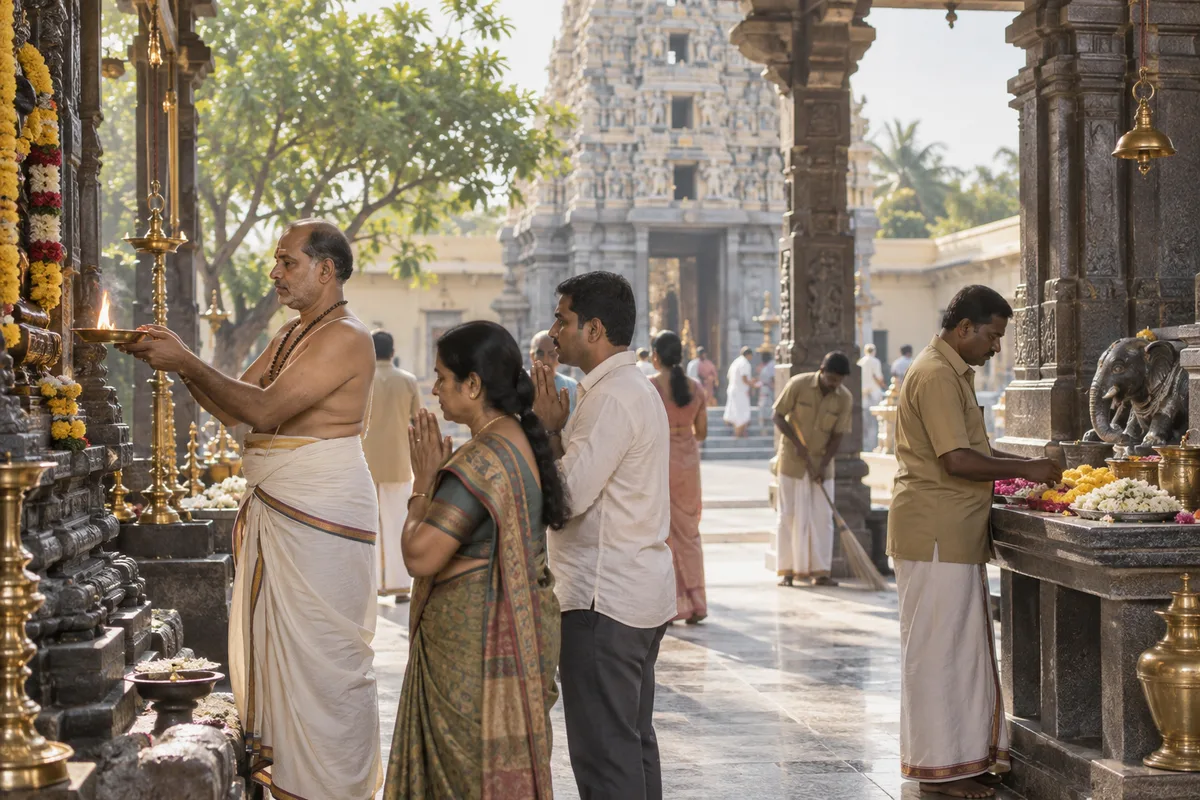
A guest wants to see the hall, the kitchen, the path to the river. A reel of music and slow motion tells them little about the stay, while a plain walk through the day answers what they were wondering.
“Faces need consent”
Guests and students are practising, and some do not want to be seen. A photograph of an identifiable person needs their written consent, and the ashram's own rule should be written and followed by whoever holds the camera.
“Instagram and YouTube serve different readers”
A candidate for teacher training watches a longer talk from a teacher. A city family scrolls images of a weekend stay. The same account cannot be built for both, so decide the first reader.
“Comments become enquiries”
A question under a post about the dormitory is a booking in progress. Left unanswered, it tells the reader nobody is there, so a person and a set of hours must be named for replies.
What we do
What we deliver for yoga ashrams.
Every deliverable, what it covers for you, and the result it is there to produce. Nothing here is an extra.
A short account brief in the ashram's voice
What is shown, what is not, how teachers are named and how the lineage is described, agreed with the ashram.
Result: Whoever posts follows one written rule.
A photograph consent form
A plain form for guests and students, kept on record, covering where an image may appear.
Result: Every identifiable face has consent behind it.
A set of recurring post types
The morning schedule, a meal, a room, a class, a seasonal programme, each with a standard layout.
Result: Posting no longer depends on an idea each day.
Links from every post to the right page
A programme post links to that programme's page, not the home page.
Result: A reader who is curious lands on the dates.
A reply rule for comments and messages
Named person, set hours and standard answers for the questions that recur.
Result: Comments get answered by the same person each time.
How the result is measured
- Posts published
- Engagement rate
- Enquiries from social profiles
Recorded as a baseline before work starts, so every later report has an honest comparison.
Who it is for
This is written for these yoga ashrams.
- Traditional ashrams in the Himalayan foothills
- City and suburban ashrams with day classes and short stays
- Ashrams attached to a guru lineage
- Yoga teacher training ashrams for Indian and overseas students
- Ayurveda and yoga therapy retreat stays
- Residential gurukulas teaching yoga and Sanskrit
- Eco and farm ashrams with seva-based stays
- Silent and meditation-focused hermitages
- Ashrams in Kerala and Karnataka hill districts
How it works
How the social media work runs
The work itself, in order. How an engagement starts, from your brief to a written scope, is set out on our method page.
- 1
Understand your audience and platforms
We identify which platforms your specific buyers actually use and what kind of content they respond to.
- 2
Audit current presence
We review existing pages, past content performance and any gaps in consistency.
- 3
Build the content calendar
A plan is created, balancing genuine value with occasional direct offers.
- 4
Implement and post
Content is created and published consistently on the agreed schedule.
- 5
Measure and optimise
We track enquiries alongside engagement and adjust the content mix based on what actually performs.
Where this fits
Three pieces of sales work, in this order.
This work sits inside sales process design, at stage 0, foundation. The audit comes before it, and sales management keeps it running.
Step 1
Sales audit
Find where deals are being lost and what to fix first.
Start here if you cannot say where orders are lost.
Step 2 · you are here
Sales process design
One written way to sell, from first enquiry to repeat order.
Start here if every salesperson sells differently.
Step 3
Sales management
A target, a review routine and someone who owns the number.
Start here if the team has targets and no routine.
FAQ
Questions owners ask before they call.
Not here? More answers, or ask on WhatsApp.
Should a silent retreat have a social account?
Do we need to post every day?
Can we use paid promotion?
How much does it cost?
How long is the contract?
How soon will we see results?
Who will actually do the work?
What do you need from us?
What if we are not happy with the work?
More for yoga ashrams
Everything else we would do for you.
Closest to this: content and social
Also for yoga ashrams
Or start from the overview: sales and marketing for yoga ashrams.
Your next practical step
Tell us what you are trying to grow, and we will read it before we call.
Eight short steps, mostly taps. Skip anything you would rather answer on the call.