Mining equipment suppliers · Buyer persona
Write down who decides, who influences and who pays before you pitch the next machine.
A buyer persona for a mining equipment supplier describes the people in a purchase: the owner who approves spend, the manager who specifies, the contractor who runs the machine and the financier who funds it. GullySales builds these from your own orders and quotations, not from guesses.
Scope, fee, reporting and term are agreed in writing after we have read your brief and spoken to you.
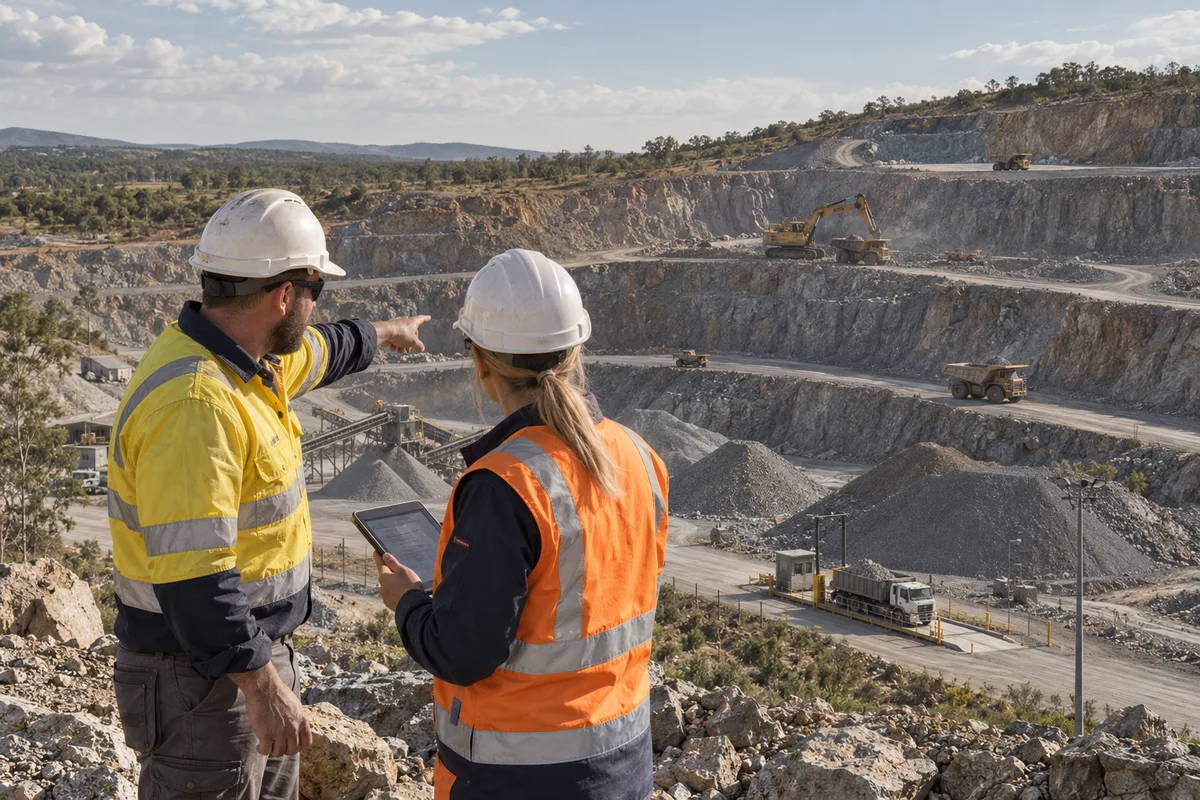
What buyer persona means
A buyer persona is a plain description of the kind of customer who actually buys from you. It includes what they search, what worries them and who else they ask before deciding. GullySales builds this from real enquiries and past sales rather than a generic template, then uses it to write every page and advert.
Also for mining equipment suppliers
- Digital marketing for mining equipment suppliers
- Lead generation for mining equipment suppliers
- SEO for mining equipment suppliers
- Social media marketing for mining equipment suppliers
- Content marketing for mining equipment suppliers
- CRM for mining equipment suppliers
- Follow-up systems for mining equipment suppliers
- WhatsApp marketing for mining equipment suppliers
Sales and marketing for mining equipment suppliers, the overview.
Last updated 18 Oct 2026.
For mining equipment suppliers
Where it usually goes wrong, and what we would do.
“The approver and the specifier are different people”
The owner signs, while the mine manager or plant engineer writes the specification and shortlists suppliers. A pitch that reaches only the owner lacks the technical detail, and one that reaches only the manager may stall at the budget. Both need a version of your case.
“A contractor buys on the contract, not the mine”
A mining contractor's choice follows the contract it holds, the term of the work and what the client permits. A machine that suits a short contract differs from one for a long contract. Your questions to a contractor begin with the award.
“The financier is a quiet voice in the decision”
A buyer using a loan or lease asks the financier about the machine and the supplier. A clear note on what you supply, your service reach and your resale support helps that conversation, and the financier's comfort can decide the order.
“Service reach counts for more than a brochure”
A manager who has lost shifts to a stopped machine judges a supplier by who arrives and with what. Your persona notes should record each buyer's last breakdown experience, since it shapes what they ask for.
What we do
What we deliver for mining equipment suppliers.
Every deliverable, what it covers for you, and the result it is there to produce. Nothing here is an extra.
Persona sheets by role
One page each for the owner, manager, contractor, planner and financier, built from your real orders and quotations.
Result: Each sheet lists what the role asks, doubts and approves.
Decision map per account
For each key mine or contractor, a record of who decides, who specifies and who funds.
Result: A quotation file names the people to keep informed.
Objection list
The objections heard on calls and visits, such as price against a rival or distance of the service branch, with answers your team agrees.
Result: Your team answers the same objection in the same way.
Pitch variants
Short pitch versions for each role, built on the sheets, for calls, decks and site visits.
Result: The pitch to a financier differs from the pitch to a manager.
How the result is measured
- Enquiry match to persona
- Conversion rate by persona
- Content aligned to persona
Recorded as a baseline before work starts, so every later report has an honest comparison.
Who it is for
This is written for these mining equipment suppliers.
- Dumper, tipper and haul truck dealers
- Excavator, loader and dozer dealers
- Drill rig and blast-hole drilling equipment suppliers
- Conveyor, crusher feeder and screening equipment makers
- Dewatering pump and ventilation equipment suppliers
- Tyre, wear part and spares distributors
- Used and refurbished mining machinery dealers
- Equipment rental and operator-supply companies
How it works
How the buyer persona work runs
The work itself, in order. How an engagement starts, from your brief to a written scope, is set out on our method page.
- 1
Understand the current view
We start with how your team currently describes the customer, since the gap between belief and reality is often the finding itself.
- 2
Audit past enquiries and sales
We look at recent enquiries and closed deals to see who actually bought, not who was assumed to buy.
- 3
Interview customers and staff
Short, structured conversations surface the real language, worries and triggers behind a purchase.
- 4
Build the personas
Findings are written into short, usable persona documents rather than a long report.
- 5
Apply to your marketing
We show exactly where each persona should change a page, an ad or a script you already have.
Where this fits
Three pieces of sales work, in this order.
This work sits inside sales process design, at stage 0, foundation. The audit comes before it, and sales management keeps it running.
Step 1
Sales audit
Find where deals are being lost and what to fix first.
Start here if you cannot say where orders are lost.
Step 2 · you are here
Sales process design
One written way to sell, from first enquiry to repeat order.
Start here if every salesperson sells differently.
Step 3
Sales management
A target, a review routine and someone who owns the number.
Start here if the team has targets and no routine.
FAQ
Questions owners ask before they call.
Not here? More answers, or ask on WhatsApp.
How do we build personas without invented data?
Do we need a persona for each mineral?
How much does it cost?
How long is the contract?
How soon will we see results?
Who will actually do the work?
What do you need from us?
What if we are not happy with the work?
More for mining equipment suppliers
Everything else we would do for you.
Closest to this: strategy and research
Also for mining equipment suppliers
Or start from the overview: sales and marketing for mining equipment suppliers.
Your next practical step
Tell us what you are trying to grow, and we will read it before we call.
Eight short steps, mostly taps. Skip anything you would rather answer on the call.