Mining equipment suppliers · Social media
Show machines at work on real sites so operators and contractors recognise your name.
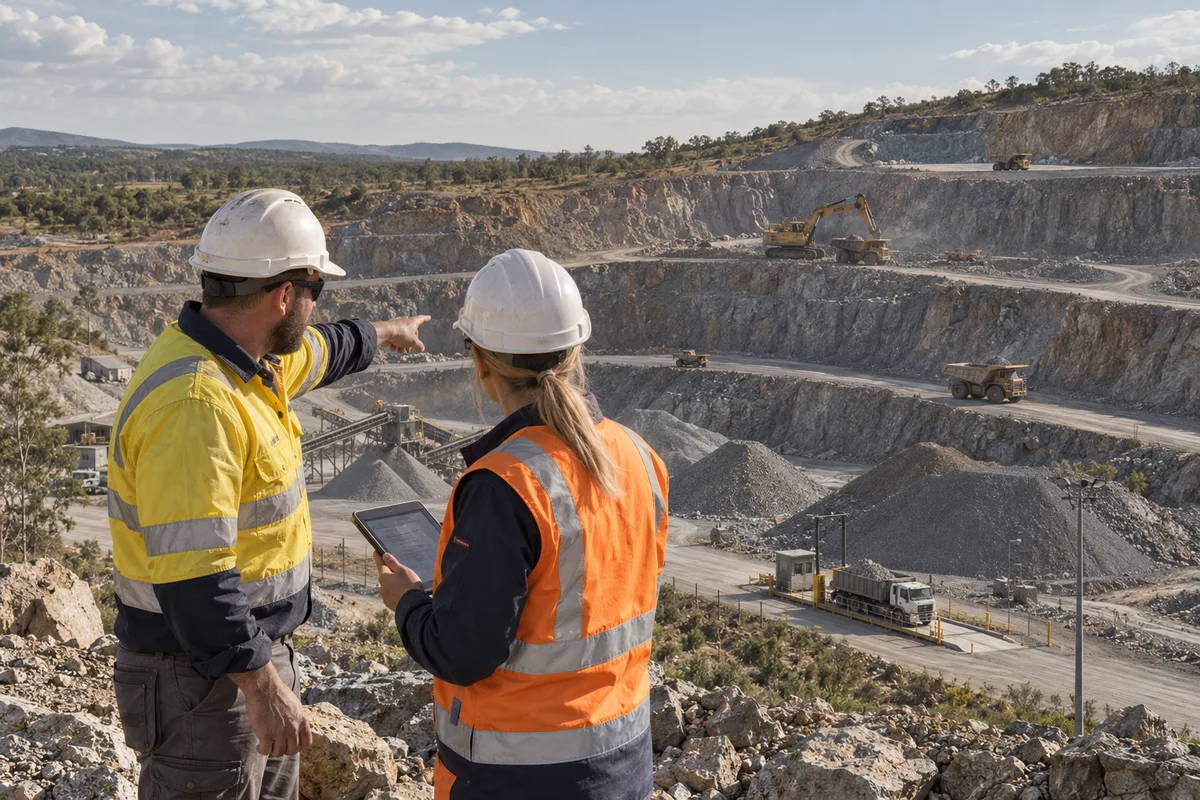
Social media marketing for a mining equipment supplier means showing machines, service visits and delivered fleets to the operators, contractors and managers who talk about suppliers among themselves. GullySales plans what is posted, who gives permission, and how a reply or message reaches your sales record.
Scope, fee, reporting and term are agreed in writing after we have read your brief and spoken to you.
What social media means
Social media is the ongoing posting your business does on platforms such as Instagram, Facebook and LinkedIn to stay visible to customers and prospects between purchases. GullySales plans a posting calendar, writes captions and designs the images so the page looks active and answers what a visitor would ask.
Also for mining equipment suppliers
- Content marketing for mining equipment suppliers
- Lead generation for mining equipment suppliers
- SEO for mining equipment suppliers
- Buyer personas for mining equipment suppliers
- CRM for mining equipment suppliers
- Follow-up systems for mining equipment suppliers
- WhatsApp marketing for mining equipment suppliers
- Digital marketing for mining equipment suppliers
Sales and marketing for mining equipment suppliers, the overview.
Last updated 18 Oct 2026.
For mining equipment suppliers
Where it usually goes wrong, and what we would do.
“Mine managers watch what other mines run”
A manager considering a purchase asks which machines the neighbouring mines use. A delivery, commissioning or service photo from a named site, posted with the mine's permission, answers that question in a place the manager already scrolls.
“Operators and mechanics influence the verdict”
The people who drive and repair the machine have opinions that reach the manager. Short posts on maintenance practice, a part change or a spares tip give them a reason to follow a supplier and to mention it when a purchase comes up.
“Site photos carry safety and privacy limits”
A picture can show a person without a helmet, a vehicle number or a neighbouring operator's site. Each image needs the mine's consent and a check by someone who knows site rules, or it harms the relationship it was meant to build.
What we do
What we deliver for mining equipment suppliers.
Every deliverable, what it covers for you, and the result it is there to produce. Nothing here is an extra.
Channel choice
A decision on where your buyers are, such as LinkedIn for owners and consultants, YouTube for machine demonstrations and WhatsApp channels for dealers.
Result: Each channel has a stated reason and an owner on your team.
Permission routine
A short form or message for each mine, recording what you may show, in what form and for how long.
Result: Every posted site photo has a consent record behind it.
Post formats for the trade
Delivery notes, commissioning stories, maintenance tips and job-based explainers prepared as a repeatable set.
Result: Your team can see what to post when a delivery happens.
Message handling
Direct messages and comments are logged to the enquiry record with the machine and site mentioned.
Result: A message from a contractor appears in the same list as a phone call.
How the result is measured
- Posts published
- Engagement rate
- Enquiries from social profiles
Recorded as a baseline before work starts, so every later report has an honest comparison.
Who it is for
This is written for these mining equipment suppliers.
- Dumper, tipper and haul truck dealers
- Excavator, loader and dozer dealers
- Drill rig and blast-hole drilling equipment suppliers
- Conveyor, crusher feeder and screening equipment makers
- Dewatering pump and ventilation equipment suppliers
- Tyre, wear part and spares distributors
- Used and refurbished mining machinery dealers
- Equipment rental and operator-supply companies
How it works
How the social media work runs
The work itself, in order. How an engagement starts, from your brief to a written scope, is set out on our method page.
- 1
Understand your audience and platforms
We identify which platforms your specific buyers actually use and what kind of content they respond to.
- 2
Audit current presence
We review existing pages, past content performance and any gaps in consistency.
- 3
Build the content calendar
A plan is created, balancing genuine value with occasional direct offers.
- 4
Implement and post
Content is created and published consistently on the agreed schedule.
- 5
Measure and optimise
We track enquiries alongside engagement and adjust the content mix based on what actually performs.
Where this fits
Three pieces of sales work, in this order.
This work sits inside sales process design, at stage 0, foundation. The audit comes before it, and sales management keeps it running.
Step 1
Sales audit
Find where deals are being lost and what to fix first.
Start here if you cannot say where orders are lost.
Step 2 · you are here
Sales process design
One written way to sell, from first enquiry to repeat order.
Start here if every salesperson sells differently.
Step 3
Sales management
A target, a review routine and someone who owns the number.
Start here if the team has targets and no routine.
FAQ
Questions owners ask before they call.
Not here? More answers, or ask on WhatsApp.
Is social media worth the effort for heavy equipment?
Should we run paid posts?
How much does it cost?
How long is the contract?
How soon will we see results?
Who will actually do the work?
What do you need from us?
What if we are not happy with the work?
More for mining equipment suppliers
Everything else we would do for you.
Closest to this: content and social
Also for mining equipment suppliers
Or start from the overview: sales and marketing for mining equipment suppliers.
Your next practical step
Tell us what you are trying to grow, and we will read it before we call.
Eight short steps, mostly taps. Skip anything you would rather answer on the call.