Engineering R&D and embedded systems service companies · Social media
Let engineers see the people who would design their product.
Social media for an engineering services firm is mostly LinkedIn and engineering communities, where design leads check the team behind a proposal. GullySales plans posts that show the way the team works without breaking an NDA.
Scope, fee, reporting and term are agreed in writing after we have read your brief and spoken to you.
What social media means
Social media is the ongoing posting your business does on platforms such as Instagram, Facebook and LinkedIn to stay visible to customers and prospects between purchases. GullySales plans a posting calendar, writes captions and designs the images so the page looks active and answers what a visitor would ask.
Also for engineering R&D and embedded systems service companies
- Content marketing for engineering R&D and embedded systems firms
- Lead generation for engineering R&D and embedded systems firms
- SEO for engineering R&D and embedded systems service companies
- Buyer persona for engineering R&D and embedded systems firms
- CRM for engineering R&D and embedded systems firms
- Follow-up systems for engineering R&D and embedded systems firms
- WhatsApp marketing for engineering R&D and embedded systems firms
- Digital marketing for engineering R&D and embedded systems firms
Sales and marketing for engineering R&D and embedded systems service companies, the overview.
Last updated 22 Oct 2026.
For engineering R&D and embedded systems service companies
Where it usually goes wrong, and what we would do.
“Buyers check the engineers' profiles”
An R&D head opens the profile of the lead who would run the project. An empty profile makes a good proposal look thin. The headline should name the domain and the tools, such as automotive diagnostics on a named microcontroller family, not just a bare job title.
“NDAs silence the team”
Everything the team does is confidential, so nothing is posted. A talk on a debugging method uses no client information. A talk on tracing an intermittent bus fault, with the board and the client removed, shows method and keeps the agreement intact.
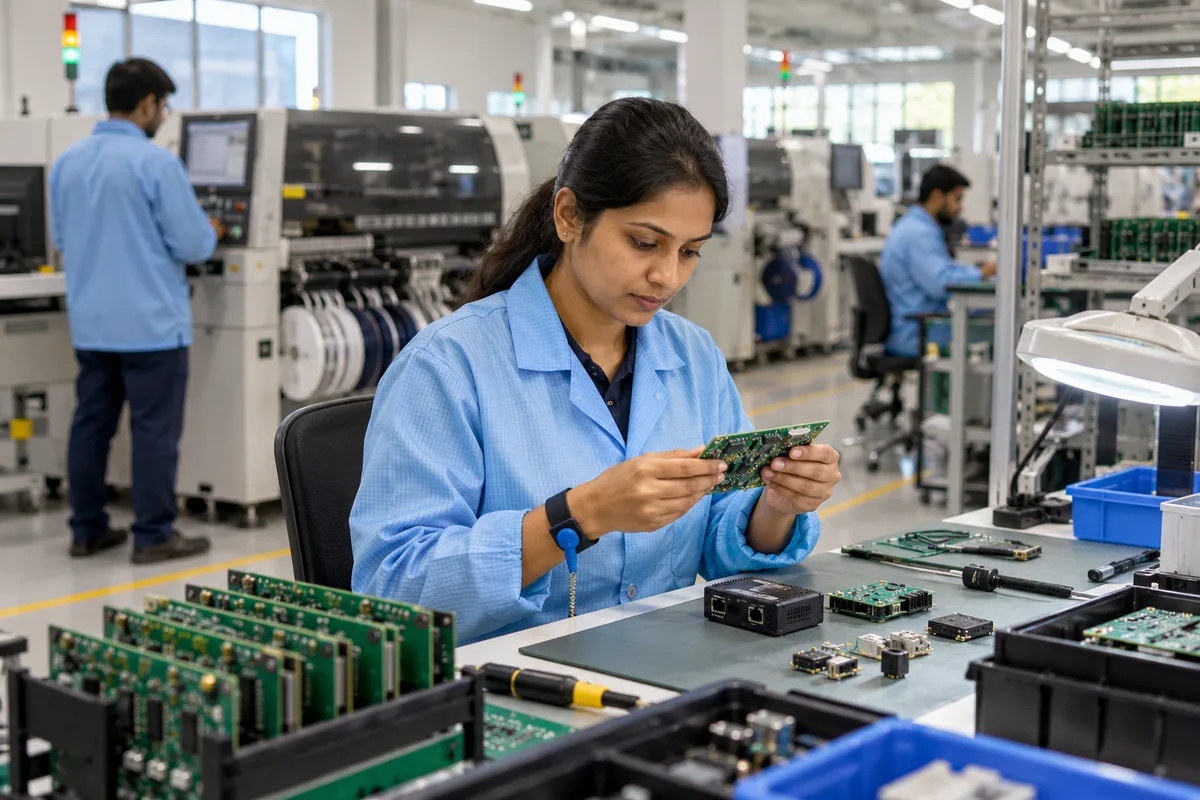
“Lab photographs say little”
A picture of a bench shows equipment, not judgement. A post on how a defect was traced shows how the team thinks. A post on how a defect was traced, from the first symptom to the logic analyser trace that exposed it, shows how the team reasons under pressure.
“Recruitment posts dominate the page”
The firm's page becomes a job board, and a buyer who visits sees hiring rather than capability. Hiring posts belong on a separate line so a visiting design lead sees methods and talks first, and a candidate finds the roles in their own place.
What we do
What we deliver for engineering R&D and embedded systems service companies.
Every deliverable, what it covers for you, and the result it is there to produce. Nothing here is an extra.
Profiles for the engineering leads
Headlines and summaries naming domains, tools and the kind of problems handled.
Result: A buyer who checks the team finds relevant work.
A post plan from engineering notes
Posts on methods, debugging stories and test approaches, edited for clarity and cleared for confidentiality.
Result: The feed shows how the team thinks.
Event and community posts
Posts before and after expos and meet-ups with a note of what was learned.
Result: Event contacts become conversations.
A separate hiring line
A plan that keeps recruitment posts apart from capability posts.
Result: The page serves buyers and candidates both.
Rules for confidentiality
A short checklist for what may be posted, reviewed by a senior before release.
Result: No post breaches an NDA.
How the result is measured
- Posts published
- Engagement rate
- Enquiries from social profiles
Recorded as a baseline before work starts, so every later report has an honest comparison.
Who it is for
This is written for these engineering R&D and embedded systems service companies.
- Embedded firmware and hardware design houses
- Automotive electronics and software engineering firms
- Industrial IoT and edge device developers
- Medical device and healthcare electronics engineering teams
- Mechanical design, CAE and product engineering firms
- Verification, validation and test engineering companies
- PCB design and electronics manufacturing design support
- Aerospace and defence engineering service providers
- Semiconductor design and VLSI service companies
How it works
How the social media work runs
The work itself, in order. How an engagement starts, from your brief to a written scope, is set out on our method page.
- 1
Understand your audience and platforms
We identify which platforms your specific buyers actually use and what kind of content they respond to.
- 2
Audit current presence
We review existing pages, past content performance and any gaps in consistency.
- 3
Build the content calendar
A plan is created, balancing genuine value with occasional direct offers.
- 4
Implement and post
Content is created and published consistently on the agreed schedule.
- 5
Measure and optimise
We track enquiries alongside engagement and adjust the content mix based on what actually performs.
Where this fits
Three pieces of sales work, in this order.
This work sits inside sales process design, at stage 0, foundation. The audit comes before it, and sales management keeps it running.
Step 1
Sales audit
Find where deals are being lost and what to fix first.
Start here if you cannot say where orders are lost.
Step 2 · you are here
Sales process design
One written way to sell, from first enquiry to repeat order.
Start here if every salesperson sells differently.
Step 3
Sales management
A target, a review routine and someone who owns the number.
Start here if the team has targets and no routine.
FAQ
Questions owners ask before they call.
Not here? More answers, or ask on WhatsApp.
Can engineers post on their own?
What if every project is confidential?
Is YouTube worth it?
How much does it cost?
How long is the contract?
How soon will we see results?
Who will actually do the work?
What do you need from us?
What if we are not happy with the work?
More for engineering R&D and embedded systems service companies
Everything else we would do for you.
Closest to this: content and social
Also for engineering R&D and embedded systems service companies
- Lead generation for engineering R&D and embedded systems firms
- SEO for engineering R&D and embedded systems service companies
- Buyer persona for engineering R&D and embedded systems firms
- CRM for engineering R&D and embedded systems firms
- Follow-up systems for engineering R&D and embedded systems firms
- WhatsApp marketing for engineering R&D and embedded systems firms
Or start from the overview: sales and marketing for engineering R&D and embedded systems service companies.
Your next practical step
Tell us what you are trying to grow, and we will read it before we call.
Eight short steps, mostly taps. Skip anything you would rather answer on the call.