Auto repair shops · Social media
Show the job on the lift, and the next car owner stops scrolling.
Social media marketing for an auto repair shop is the habit of showing real repairs, honest explanations and the faces behind the workshop so that a driver trusts the garage before the first visit. GullySales works on what is posted, who it is aimed at and how a comment becomes a booked car.
Scope, fee, reporting and term are agreed in writing after we have read your brief and spoken to you.
What social media means
Social media is the ongoing posting your business does on platforms such as Instagram, Facebook and LinkedIn to stay visible to customers and prospects between purchases. GullySales plans a posting calendar, writes captions and designs the images so the page looks active and answers what a visitor would ask.
Last updated 5 Oct 2026.
For auto repair shops
Where it usually goes wrong, and what we would do.
“A repair is the best content you already own”
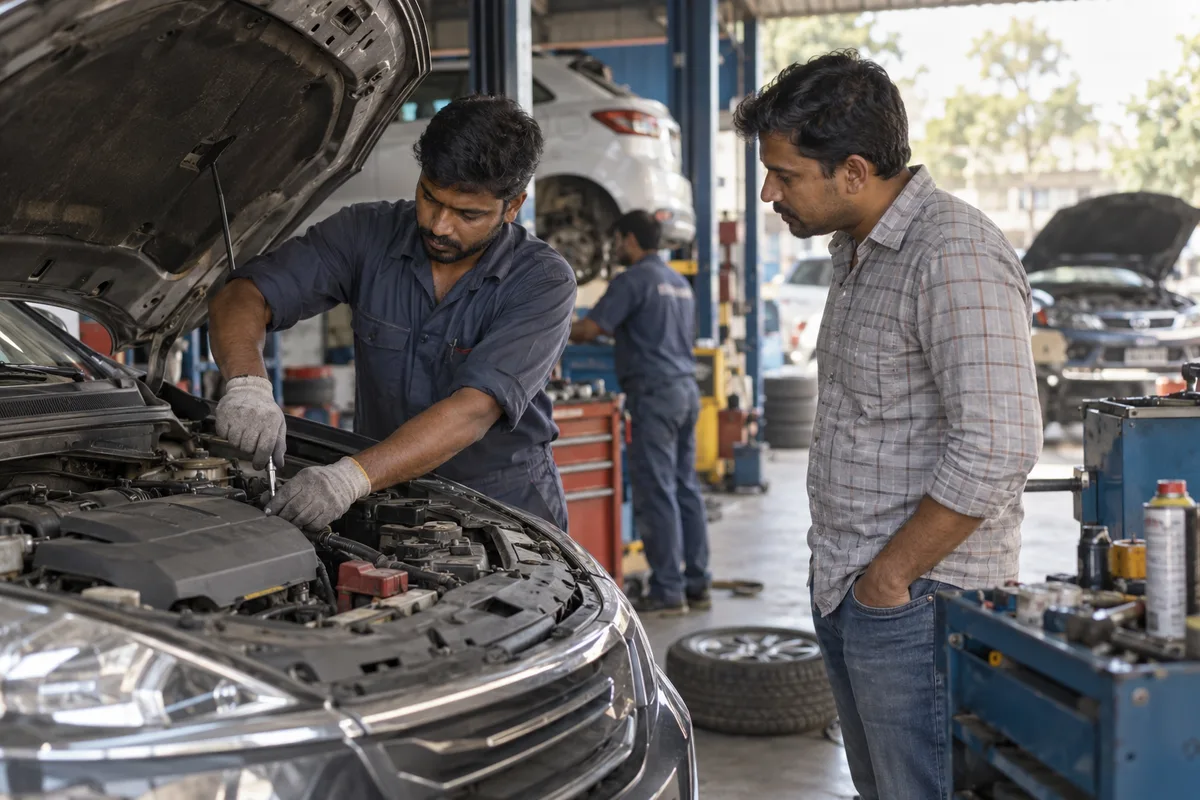
Every job on the lift is a story: the worn brake pad held up beside the new one, the leaking hose, the dent before the paint. A short clip of the fault and the fix teaches the owner something and proves the garage looked properly.
“The followers are neighbours, not the whole city”
A garage serves cars within a drive of the gate. Posting to people far away adds likes and no bookings, so the audience, the place tags and the mention of the locality should all point at the streets you actually serve.
“Drivers ask the same question under every post”
Comments fill with a request for the price or the number for a particular make. A post that gets that comment and no reply has lost a driver who was ready to book, so the comment box needs an owner and a ready answer.
“Customer cars need the customer's consent”
Photographing a vehicle with its number plate, or posting a family beside the car, exposes the customer without asking. A consent habit at handover, with plates covered and permission noted, protects both the customer and the garage.
What we do
What we deliver for auto repair shops.
Every deliverable, what it covers for you, and the result it is there to produce. Nothing here is an extra.
A short list of repeatable post types
Fault explained, before and after, a question from a customer answered, a mechanic introduced and a seasonal check, so the page never depends on one person's inspiration.
Result: Anyone on the team knows what to photograph next.
A habit of capturing the job as it happens
A simple routine for photographing parts and faults on the lift during the work, so content is a by-product of the job and not an extra task.
Result: A new post can be made from yesterday's work.
Place-focused targeting for the posts you promote
Promotion aimed at the localities and age of vehicle you want, with the cost agreed with you in advance and the booking route linked.
Result: Spend goes to people within reach of the workshop.
A comment and message reply routine
Named people, standard answers for price and availability questions, and a way to move the chat to a call or WhatsApp.
Result: Each comment gets an answer from a person.
A consent and number plate practice
A short script for asking the customer, plates covered in every image, and a record of who agreed.
Result: No customer finds their car posted without asking.
Bookings traced back to posts
Each enquiry asked where the driver saw the garage, and the answer noted against the post.
Result: You can see which posts brought a car in.
How the result is measured
- Posts published
- Engagement rate
- Enquiries from social profiles
Recorded as a baseline before work starts, so every later report has an honest comparison.
Posts and pieces to plan
Jobs on the lift that make a good post, and what each needs.
- A worn brake pad held beside a new one
- A short clip with the vehicle's make named and a voiceover saying what the sound was. Needs the owner's say-so and no number plate in frame.
- A dent before and after the paint booth
- Two photographs from the same angle with plates covered. Say which panel and what was done, and invite quote requests with photographs on chat.
- Why the AC blows warm after a refill
- A talking clip at the AC machine showing a leak check. Needs a real job as the example and no promise that every AC fault is fixed.
- A pre-monsoon check on wipers, tyres and brakes
- A single image checklist posted before the rains, with the locality tagged and the number to book a slot.
- A morning at the garage
- A reel of the bay opening, the day's cars on the lifts and the mechanics at work. Shows the place before a first-time customer visits.
- Answers to the comment asking what it costs
- A pinned post giving the basis of your pricing for common jobs and saying the final figure follows an inspection. Answers the comment once for everyone.
Who it is for
This is written for these auto repair shops.
- Multi-brand service garages
- Authorised brand service centres
- Denting and painting specialists
- Two-wheeler service centres
- Fleet and commercial vehicle service providers
- Insurance-claim repair specialists
Not for
It is not the right fit if.
- No one can reply to comments and messages on the page, so each post would draw questions that go unanswered under your name.
- You do not yet have the habit of asking for consent when a car is photographed, so posts would expose customers before the habit is in place.
- The garage has no listing or phone number a driver can act on, so a post would give a viewer nowhere to go.
How it works
How the social media work runs
The work itself, in order. How an engagement starts, from your brief to a written scope, is set out on our method page.
- 1
Confirm audience, platforms and access
We note which platforms your buyers use and check that the pages sit under your own business accounts, with you as owner and us as added roles.
- 2
Review the current presence
We read the existing pages, the posts that drew replies and the gaps in posting.
- 3
Build the calendar
Themes, formats and dates are set out for your approval, with space for offers and news.
- 4
Create, approve and publish
Posts are made, approved by you and scheduled. Replies to the public are handled in your voice.
- 5
Record enquiries and adjust
Enquiries are logged against the post or platform where they began, and the mix changes to follow what brings them.
Where this fits
Three pieces of sales work, in this order.
This work sits inside sales process design, at stage 0, foundation. The audit comes before it, and sales management keeps it running.
Step 1
Sales audit
Find where deals are being lost and what to fix first.
Start here if you cannot say where orders are lost.
Step 2 · you are here
Sales process design
One written way to sell, from first enquiry to repeat order.
Start here if every salesperson sells differently.
Step 3
Sales management
A target, a review routine and someone who owns the number.
Start here if the team has targets and no routine.
FAQ
Questions owners ask before they call.
Not here? More answers, or ask on WhatsApp.
Which platform should a garage start with?
Do we have to appear on camera ourselves?
Is it worth paying to promote a post?
Can we post a customer's car if the number plate is covered?
How much does it cost?
How long is the contract?
How soon will we see results?
Who will actually do the work?
What do you need from us?
What if we are not happy with the work?
From the blog
Further reading for auto repair shops.
 5 min read · 11 Oct 2026Using due dates to bring vehicle owners back: service, insurance and pollution checksHow a workshop or dealer can record each vehicle's next service, insurance and pollution-check dates, then call owners with a real reason instead of a generic offer.
 6 min read · 6 Oct 2026How buyers choose a showroom, workshop or parts counterCar, bike, repair and parts buyers send one enquiry to several sellers and pick the first clear answer. This post lists what each buyer checks, and where a dealer or workshop quietly loses them.
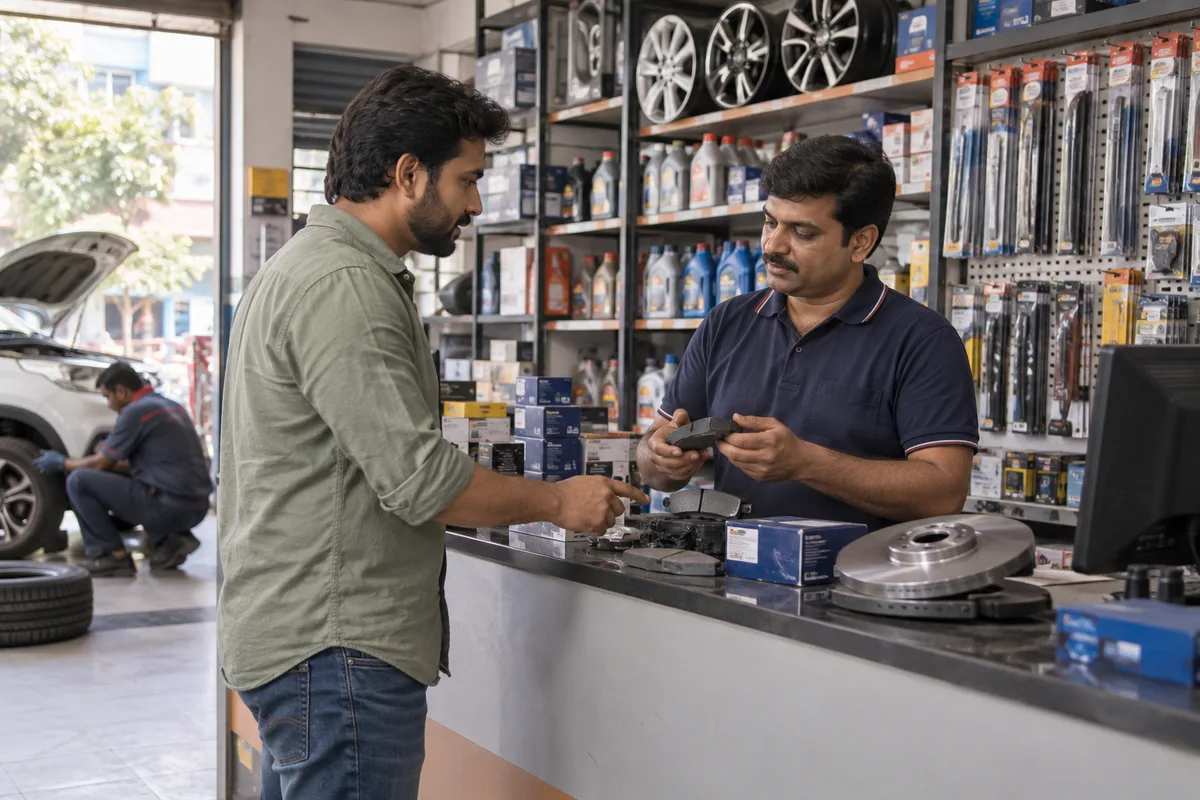 6 min read · 1 Oct 2026Serving the workshop trade and the walk-in buyer at the same parts counterHow an auto parts shop can run two lanes at one counter: an account lane for garages that buy on speed and credit, and a retail lane for walk-in owners who buy on price and advice.
More for auto repair shops
Everything else we would do for you.
Closest to this: content and social
Also for auto repair shops
Or start from the overview: sales and marketing for auto repair shops.
Your next practical step
Tell us what you are trying to grow, and we will read it before we call.
Eight short steps, mostly taps. Skip anything you would rather answer on the call.