Battery dealers · Follow up systems
Reach the owner again before the old battery fails on the road.
A follow-up system for a battery dealer is the set of reminders, calls and checks that bring an owner, garage or fleet back at the right time. GullySales works on the routine that turns the fitted register into messages and visits, and on replies to enquiries that did not buy on the first call.
Scope, fee, reporting and term are agreed in writing after we have read your brief and spoken to you.
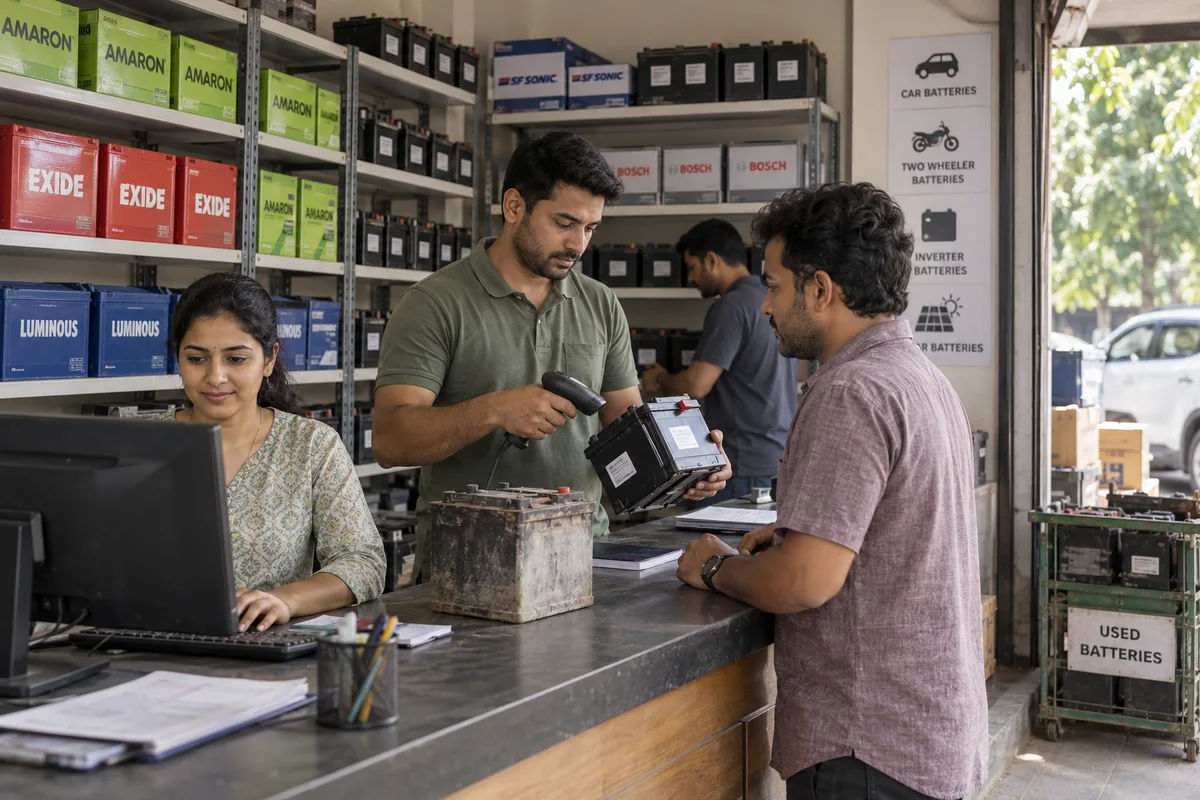
What follow up systems means
A follow-up system is the set routine for calling, messaging or emailing an enquiry more than once, since most buyers do not decide on the first conversation. GullySales sets the number and timing of follow-ups so an undecided buyer keeps hearing from you until they decide either way.
Last updated 14 Nov 2026.
For battery dealers
Where it usually goes wrong, and what we would do.
“A quote that is not chased is a sale lost”
A caller who asked for a price and heard nothing back buys from the shop that follows up. A single message that names the vehicle and the figure is enough to keep the enquiry alive.
“The right moment is the end of the warranty”
An owner whose warranty ends soon is open to a check and a replacement offer. A reminder at that time reads as service, whereas a promotion at any other time reads as noise.
“Garages need a different kind of follow-up”
A mechanic wants to know when stock arrives and what the price is today. A short note to the workshop list does more than a general message to everyone.
“Complaints are follow-ups too”
A warranty dispute handled without a record turns into a bad review. A call back, a written note and a clear next step keep the owner on your side.
What we do
What we deliver for battery dealers.
The work available for this need. We agree the deliverables and responsibilities for your engagement in writing.
Enquiry follow-up script
A message and call routine for callers who asked for a price and did not buy, with a date to try again.
Result: Each quote has a next step recorded.
Warranty-end reminder
A short message drawn from the fitted register, naming the battery and offering a check, sent only to consenting owners.
Result: Owners due for a replacement receive one clear message.
Garage stock notes
A routine for telling workshops about new stock, price changes and supply terms.
Result: Mechanics know what you have before they ask.
Fleet review visit
A planned visit to each depot to check battery ages and agree a replacement list.
Result: Each fleet has a date for its next review.
Complaint log
A record for each warranty complaint, the steps taken and how it closed.
Result: Every complaint is closed with a note.
Follow-up scoreboard
A sheet showing enquiries followed up, replies received and sales made after a follow-up.
Result: You can see which follow-ups led to a sale.
How the result is measured
- Follow-up completion rate
- Average number of follow-ups before close
- Enquiries closed after repeat follow-up
Recorded as a baseline before work starts, so every later report has an honest comparison.
What to send and when
The moments in a battery's life when a message or call is worth making.
- A price quoted and no purchase
- One message naming the vehicle and the figure after exchange. Note the outcome so the log shows why quotes close.
- The week after fitting
- A short check that the car starts well. Catches a fault while it is the shop's to fix.
- Warranty end approaching
- A reminder to the owner who agreed, offering a free check and a replacement price. Read as service, not promotion.
- New stock arriving for garages
- A short note to the workshop list with brands, models and today's price.
- A claim in progress
- A call back and a written note of the next step, so the owner is never left without word.
Who it is for
This is written for these battery dealers.
- Car and two-wheeler battery dealers
- Truck and bus battery dealers
- Inverter and home UPS battery dealers
- Authorised brand battery outlets
- Battery shops offering doorstep fitting
- Solar battery and storage dealers
- Electric vehicle battery service points
- Wholesale battery suppliers who sell to garages
Before you decide
When this may not be the right fit.
- You do not record the date fitted, so a reminder would reach the wrong owners.
- No one is named to make the calls, and the list would sit unread.
- The shop has no clear claim process yet, and a check-in would collect complaints with nowhere to send them.
Before you decide
Agree the work. Know how to judge it.
Follow-up systems for battery dealers: use these checks to prepare, choose the scope, and review what changes.
Bring the right evidence
Trace recent enquiries from arrival to the last recorded action. Include a won enquiry, an unsuitable one, and one that went quiet, with personal details removed for the initial discussion.
Make the scope clear
Agree who accepts each enquiry, what makes it qualified, and how ownership changes. Include a rule for missed replies and a clear reason for closing an enquiry.
Check the work in use
Pick an enquiry at random and ask the team to find its owner, latest conversation, and next action. Check that the record agrees with what actually happened.
Know when to change course
If no one has capacity to respond, assign that responsibility before buying more leads. Automation can support the owner, but it cannot replace an unresolved handover.
These are discussion points, not a fixed package. GullySales confirms the deliverables, responsibilities, fee, and term in writing after reading your brief and speaking with you.
Before we start
What to have ready before the work starts.
The records, access and decisions this work needs from battery dealers. Anything missing is noted in the written scope, with who will supply it.
- The list of enquiries that did not buy
- Collect the names and numbers of recent enquiries that never became a sale, whether in a notebook or on a phone. Without it, the follow-up script cannot be tried on real people, and the reasons for lost sales stay unknown, so the later review has nothing to be measured against. A phone gallery of missed-call screens helps, if that is all you have.
- A filled fitted register
- The warranty-end reminder depends on dates in the register. A partial register is acceptable, starting with the batteries still under warranty. If the register is empty, only the enquiry follow-up can start, and the reminder waits for the data to exist, which delays the part that brings owners back. Even twenty rows entered carefully are enough to test the reminder.
- Your offer at the warranty-end contact
- Decide what the owner is offered when the warranty is about to end: a free test, a discount against exchange or only a reminder. We cannot choose it for you. Without a decision, the reminder says little of value and is easy for the owner to ignore completely. A written offer is also useful for the counter, who need to be sure of what they may promise.
- One person to make the calls
- Name the person at the counter who will call the quiet enquiries and send the reminders. They need an hour set aside in the working day for it. If nobody owns it, the system stays on paper, and the board shows nothing for us to read at the review. An alternate for leave days keeps the routine running.
- Your rule on complaints
- Tell us how a complaint is handled, who decides a warranty claim and what is said to the owner. A complaint is a follow-up too, and a wrong reply loses the customer. Without a rule, complaints are written in the log but left to whoever answers the phone first. Your adviser may need to look at wording about faulty batteries.
How it works
How the follow up systems work runs
The work itself, in order. How an engagement starts, from your brief to a written scope, is set out on our method page.
- 1
Read the register and the unconverted quotes
We open your fitted register and the list of enquiries that did not buy, and count how many were ever contacted again. You tell us what the counter does today when a quote goes quiet. The gap between the two lists is the exact piece of work that this follow-up system is built to close. The count is written on the first page of the board.
- 2
Decide what a closed enquiry means
You and we agree the points at which an enquiry is treated as won, lost or parked, and who may close it. A stranded driver who fits a battery elsewhere is lost. An inverter buyer who is still deciding is parked. The follow-up board is set up to follow these rules. The rule is printed and kept at the counter.
- 3
Write the questions asked on the second call
We draft the few questions that move an enquiry on, such as whether the buyer has found a battery, whether the vehicle is running and whether the exchange is understood. The counter staff correct the wording until it sounds like them. The enquiry follow-up script is then tested on a real call. We add the buyer's likely replies beside each question.
- 4
Set the warranty-end reminder from the register
We turn the warranty end date into a message that reaches the owner before the date, offering a free check of the battery, or whatever else you decide to offer. You approve the offer. Owners who have not agreed to be contacted are left out of the list, and the reminder is sent only to the rest. A test message goes to the shop's own phone first.
- 5
Build the garage stock notes and the fleet visit
Garages are sent a short note on what you hold and what is arriving, in the format they read. Fleet managers are visited on a pattern you agree with us. You choose who makes the visit. Both routines are written on a single sheet that the counter can follow without us. The sheet lists what to do when a garage is unhappy with supply.
- 6
Review the scoreboard against the earlier counts
The follow-up scoreboard shows enquiries chased, replies received and fittings that followed. We set it against the count of unchased quotes recorded in the first step and the counter's impression of the work. You decide which routine to keep, which to shorten and which to end altogether. Complaints raised during the period are counted separately. Open complaints are listed with their dates.
Where this fits
Three pieces of sales work, in this order.
This work sits inside sales process design, at stage 2, qualification. The audit comes before it, and sales management keeps it running.
Step 1
Sales audit
Find where deals are being lost and what to fix first.
Start here if you cannot say where orders are lost.
Step 2 · you are here
Sales process design
One written way to sell, from first enquiry to repeat order.
Start here if every salesperson sells differently.
Step 3
Sales management
A target, a review routine and someone who owns the number.
Start here if the team has targets and no routine.
FAQ
Questions owners ask before they call.
Not here? More answers, or ask on WhatsApp.
How many times should we follow up a quote?
Should follow-ups be calls or messages?
What do we say to an owner who wants to claim warranty?
Should we offer a free battery check at the reminder?
Who decides when to stop following up?
Can the follow-up be sent by message instead of a call?
How much does it cost?
How long is the contract?
How soon will we see results?
Who will actually do the work?
More for battery dealers
Related work to consider.
Closest to this: leads and follow-up
Also for battery dealers
Or start from the overview: sales and marketing for battery dealers.
Your next practical step
Tell us what you are trying to grow, and we will read it before we call.
Eight short steps, mostly taps. Skip anything you would rather answer on the call.