Battery dealers · Buyer persona
Know the five different people who walk in for a battery before you write a single price.
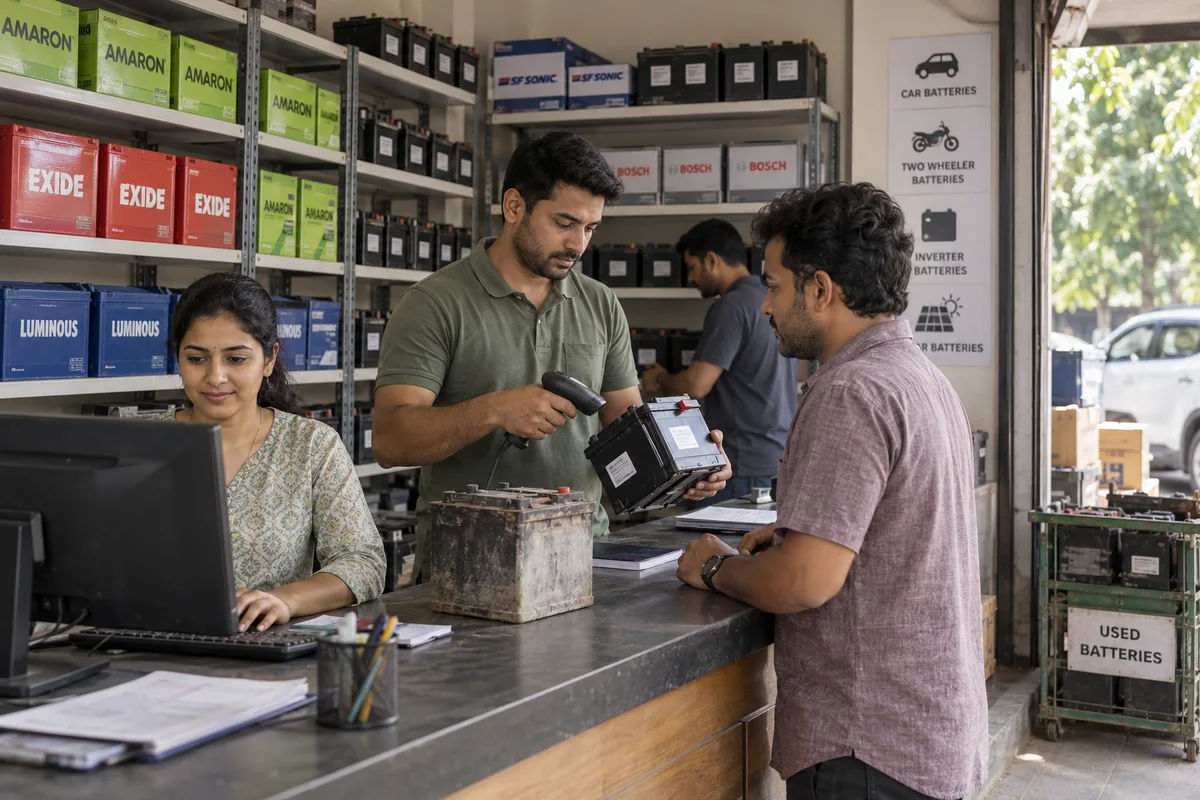
A buyer persona for a battery dealer describes the distinct people who need a battery: the stranded driver, the garage mechanic, the fleet manager, the household buying backup and the solar customer. GullySales works on writing each persona from your own bills and calls, so that replies and offers fit the person.
Scope, fee, reporting and term are agreed in writing after we have read your brief and spoken to you.
What buyer persona means
A buyer persona is a plain description of the kind of customer who actually buys from you. It includes what they search, what worries them and who else they ask before deciding. GullySales builds this from real enquiries and past sales rather than a generic template, then uses it to write every page and advert.
Last updated 14 Nov 2026.
For battery dealers
Where it usually goes wrong, and what we would do.
“The stranded driver wants a number and a time”
This buyer has no plan and no loyalty. They ask the price after exchange, whether someone can come and how long fitting takes, and they leave the shop that answers least clearly.
“The mechanic is a seller on your behalf”
A garage mechanic decides the brand while the owner waits. Their questions are about stock, delivery to the workshop, credit and who stands behind a failed unit.
“The fleet manager buys on records”
A transport firm tracks battery life by vehicle. The questions are about replacement cycles, invoices and whether the dealer will visit the depot, not about a single price.
“The household buyer is afraid of getting it wrong”
A family buying an inverter battery worries about size, noise and installation. Reassurance comes from a clear explanation of backup hours and a named person who will fit it.
What we do
What we deliver for battery dealers.
The work available for this need. We agree the deliverables and responsibilities for your engagement in writing.
One-page profile for each buyer
A sheet for each of the five buyers with their trigger, questions, objections and the reply that works at the counter.
Result: A new person at the counter can read who they are speaking to.
Question and objection list
The questions heard about price, exchange, warranty and arrival, set beside the answer your shop gives.
Result: Every common objection has a written reply.
Source-to-buyer map
Which listing, garage, fleet or past sale brings which buyer, taken from your own records.
Result: You can see which buyer each source brings.
Offer sheet by buyer
What each buyer is offered: doorstep fitting, garage supply terms, fleet invoicing or an inverter site visit.
Result: Each buyer is shown an offer meant for them.
Language guide
The words each buyer uses for the same thing, from battery to current to inverter backup, written in the languages your area speaks.
Result: Replies use words the buyer uses.
Persona review note
A note to revisit each profile against fresh bills and calls, and change what the records contradict.
Result: Profiles change when your sales data says they should.
How the result is measured
- Enquiry match to persona
- Conversion rate by persona
- Content aligned to persona
Recorded as a baseline before work starts, so every later report has an honest comparison.
Who is asking
The people who walk in for a battery, and what each asks before they buy.
- Stranded driver
- Asks the price after exchange, whether someone can come to the car and how long it takes to fit. Has no loyalty and leaves the shop that answers least clearly.
- Garage mechanic choosing for the owner
- Asks about stock, delivery to the workshop, credit and who stands behind a failed unit. Protects their own name.
- Fleet manager
- Asks about replacement cycles, invoices and a visit to the depot. Buys on records, not on a single price.
- Household buying an inverter battery
- Asks about size, noise and fitting, and wants backup hours explained. Looks for a named person who will install.
- Rider with a flat bike battery
- Asks if the battery fits the model and whether it can be fitted while they wait. Wants a short answer on chat.
Who it is for
This is written for these battery dealers.
- Car and two-wheeler battery dealers
- Truck and bus battery dealers
- Inverter and home UPS battery dealers
- Authorised brand battery outlets
- Battery shops offering doorstep fitting
- Solar battery and storage dealers
- Electric vehicle battery service points
- Wholesale battery suppliers who sell to garages
Before you decide
When this may not be the right fit.
- You have not read your bill book to see who actually buys, and personas from guesses would point messages the wrong way.
- One kind of buyer fills the counter, and a second persona would change nothing you say.
- No one at the counter will use the personas to set a reply or a price card.
Before you decide
Agree the work. Know how to judge it.
Buyer persona for battery dealers: use these checks to prepare, choose the scope, and review what changes.
Bring the right evidence
Write the decision the research must support, such as entering a market or choosing a buyer group. Separate what you know from sales records from what the team currently assumes.
Make the scope clear
Agree which buyers to speak to, which sources to review, and what access you can provide. Include lost enquiries and people who chose another supplier, where they are willing to take part.
Check the work in use
Look for source dates, sample limitations, and evidence that disagrees with the preferred answer. A recommendation should show how it follows from the findings.
Know when to change course
Do not treat a few positive conversations as proof of demand. Test the proposed offer with an actual buying decision before committing to a wider launch.
These are discussion points, not a fixed package. GullySales confirms the deliverables, responsibilities, fee, and term in writing after reading your brief and speaking with you.
Before we start
What to have ready before the work starts.
The records, access and decisions this work needs from battery dealers. Anything missing is noted in the written scope, with who will supply it.
- A stretch of bills with vehicle details
- Bring bills that show vehicle, battery and payment, whether on paper or in a sheet. A month of them is enough to start. Without them, the personas become guesses, and the work turns to interviews alone, which gives a thinner picture of what each kind of buyer purchases. Bills from different seasons give a better spread.
- Permission to call past buyers
- You must agree which past customers we may phone, and confirm that they gave their number knowing they might be contacted. If this is not possible, we rely on counter staff accounts, which are useful but miss what buyers say when the shop owner is not present. A note of who declined to be called is useful too.
- An hour from the counter staff
- The people who serve the stranded driver and the mechanic need to sit with us for an hour. They hold the objections that no record shows. If they are unavailable, the question list is short and the language guide uses our words instead of the words your buyers really use. Evening or late-morning slots suit a counter best, and we fit around them.
- Introductions to two garages
- Name the garages that buy from you in the largest numbers and arrange an introduction. Their view of why they choose a dealer cannot be learned anywhere else. Without it, the mechanic profile rests on your opinion alone, and the garage offer sheet stays plain and untested by the people it is for. A phone call from you to introduce us is enough to open the door.
- Your view of the buyers you want more of
- Tell us which buyers you wish to grow, such as fleets or inverter households. Only the owner can make this choice. Without it, the personas describe the buyers you already have, and the offers do nothing to change the mix of people who walk through the door. If the choice is not clear, we write all personas at equal length.
How it works
How the buyer persona work runs
The work itself, in order. How an engagement starts, from your brief to a written scope, is set out on our method page.
- 1
Decide which buyers are worth writing about
You and we choose the buyers that account for your sales, which are probably the stranded driver, the mechanic, the fleet manager and the household. You may add the solar customer. The choice decides whose bills and calls we read. A buyer you rarely meet gets a short note, not a full profile. The short list is written at the top of the sheet.
- 2
Read your bills grouped by who bought
We take a stretch of billing and sort each sale by the kind of buyer, using the vehicle, the payment method and any garage name on the bill. The sheet shows what each persona buys, in which season and with what exchange. You correct the sorting wherever we have misjudged a buyer. Bills with no vehicle noted go into a separate pile.
- 3
Speak with a handful of buyers from each group
With your permission we call a small number of past buyers in each group and ask how they chose, what worried them and what they asked the shop. You choose whom we may call. Their words, not ours, go into the question and objection list that the counter will use. The calls are short and the notes are shared with you.
- 4
Sit with the mechanics who send you buyers
We meet two or three garages with you and ask why they pick one dealer over another, how they like to be paid and what stock they run short of. A mechanic is a seller on your behalf, so this meeting produces the garage persona and its offer sheet. We note which brands each garage says it trusts.
- 5
Write one page for each buyer and check it
Each profile states who the buyer is, what they ask first, what they fear and what makes them ring. We read each page aloud to your counter staff, who correct anything that does not match the person they serve across the counter. The language guide is built from their corrections. Corrections are marked in a different colour so you can see what moved.
- 6
Use the personas in replies and read the result
The counter starts using the question lists and offer sheets in its replies. After a period you choose, we compare the source-to-buyer map with the starting bills and with the counter's own impression of the calls. You decide which personas to rewrite, merge or drop. A persona that nobody on the counter recognises is rewritten first.
Where this fits
Three pieces of sales work, in this order.
This work sits inside sales process design, at stage 0, foundation. The audit comes before it, and sales management keeps it running.
Step 1
Sales audit
Find where deals are being lost and what to fix first.
Start here if you cannot say where orders are lost.
Step 2 · you are here
Sales process design
One written way to sell, from first enquiry to repeat order.
Start here if every salesperson sells differently.
Step 3
Sales management
A target, a review routine and someone who owns the number.
Start here if the team has targets and no routine.
FAQ
Questions owners ask before they call.
Not here? More answers, or ask on WhatsApp.
How many personas should a battery shop have?
Where does the information come from?
Is a persona just a guess about customers?
How should we treat the mechanic who sends us buyers?
Can one person fit more than one persona?
Do the personas need updating?
How much does it cost?
How long is the contract?
How soon will we see results?
Who will actually do the work?
More for battery dealers
Related work to consider.
Closest to this: strategy and research
Also for battery dealers
Or start from the overview: sales and marketing for battery dealers.
Your next practical step
Tell us what you are trying to grow, and we will read it before we call.
Eight short steps, mostly taps. Skip anything you would rather answer on the call.