Battery dealers · Local SEO
Show up on the map for the street where the car has just stopped.
Local SEO for a battery dealer is the work of appearing in the map results for a driver whose vehicle has failed within a short distance of your shop. GullySales works on the listing, the service area for doorstep fitting and the reviews that decide who gets the call.
Scope, fee, reporting and term are agreed in writing after we have read your brief and spoken to you.
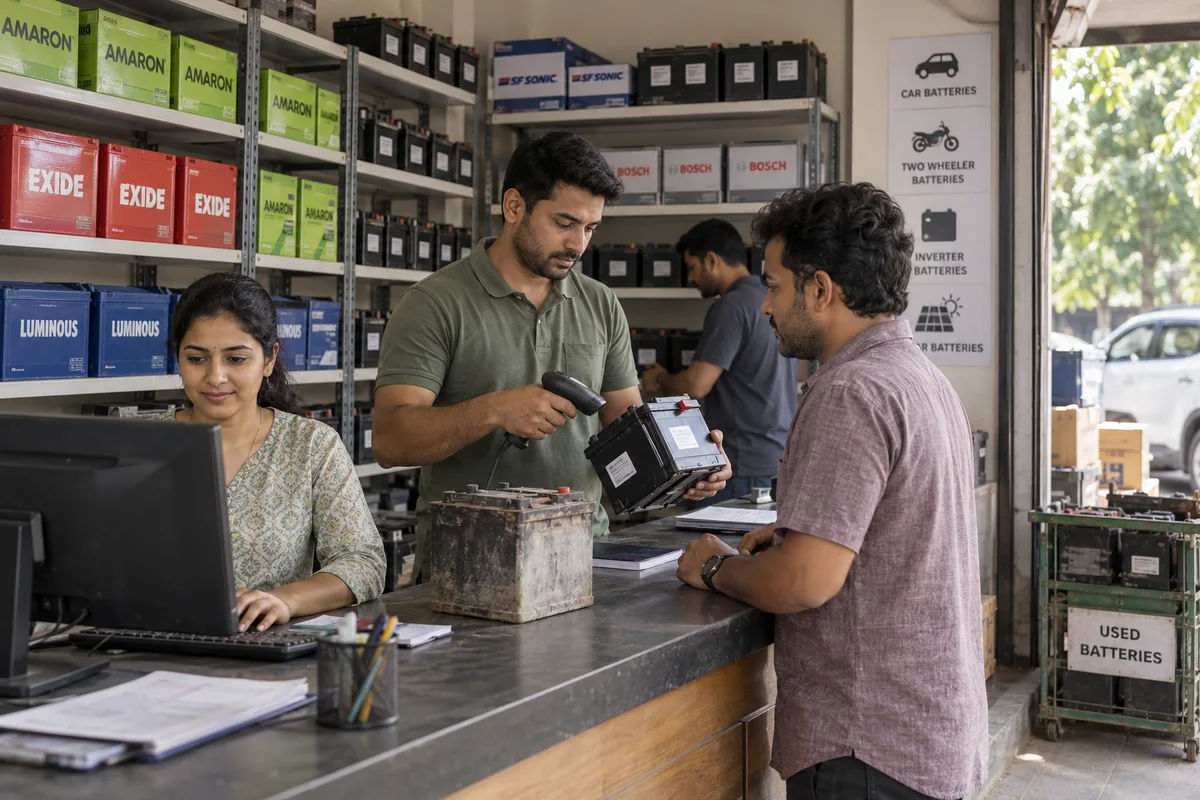
What local SEO means
Local SEO is the work of making your business show up for searches that name your town or locality, such as a service plus an area name. GullySales sets up locality pages, local citations and map listings so nearby customers find you before a competitor across town.
Last updated 14 Nov 2026.
For battery dealers
Where it usually goes wrong, and what we would do.
“A stranded driver searches from the spot”
The phone knows where the car is. The shop nearest, open now and showing a number is the shop that gets the call, so hours and phone line on the listing carry the sale.
“Doorstep fitting widens the area you can serve”
A shop that comes to the vehicle can win calls from streets it does not stand on. If the listing does not state the service area, the driver assumes the shop is only for walk-ins.
“Reviews are read for the experience of failure”
A buyer in trouble looks for words like came to the spot, honest about the exchange value, fitted properly. Reviews that mention these decide between two nearby shops.
“Several shops share a market name”
Authorised outlets, wholesalers and small counters sit on the same road with similar names. A listing with the wrong type or an old phone number sends calls to the neighbour.
What we do
What we deliver for battery dealers.
The work available for this need. We agree the deliverables and responsibilities for your engagement in writing.
Listing with the correct trade
The primary type, extra types, services and brands set to what you sell and fit, with a clear description of doorstep service.
Result: The listing shows a battery shop, not a general auto shop.
Service area and hours
The areas you reach for doorstep fitting, normal hours, holiday hours and late-evening arrangements entered on the listing.
Result: A driver sees open hours and the areas you serve.
Photographs of stock and the counter
Images of the shop front, brands on the shelf, the fitting van and the exchange area.
Result: A stranger recognises the place when they arrive.
Review request at billing
A card or message with the review link, handed over at the moment the battery is fitted, and a reply to each review.
Result: New reviews come from people who were fitted.
Questions and answers on the listing
Answers posted for the questions drivers ask: exchange, warranty card, arrival and payment.
Result: The common questions are answered before the call.
Call and direction counts
The listing's own figures for calls and direction requests set beside the baseline.
Result: You can see whether the listing sends people to the shop.
How the result is measured
- Map pack ranking
- Local search visibility
- Enquiries by locality
Recorded as a baseline before work starts, so every later report has an honest comparison.
Searches your buyers type
What a stranded driver types into a map, and the listing detail that answers it.
- car battery shop near me open now
- Hours entered exactly, with any late closing noted. The nearest shop open and showing a number gets the call.
- battery replacement at my location
- A service area stating the streets the van really reaches, and a line on doorstep fitting. A driver assumes a shop with no area is walk-in only.
- Exide battery dealer
- The brands you stock named in the description and shown on shelf photographs. Authorised outlets should say so only if they are.
- inverter battery dealer near me
- Inverter and home UPS listed as services, with a counter photograph of the units. Brings the household that wants advice.
- bike battery shop
- A two-wheeler line in the services, so a rider sees the shop fits bikes.
Who it is for
This is written for these battery dealers.
- Car and two-wheeler battery dealers
- Truck and bus battery dealers
- Inverter and home UPS battery dealers
- Authorised brand battery outlets
- Battery shops offering doorstep fitting
- Solar battery and storage dealers
- Electric vehicle battery service points
- Wholesale battery suppliers who sell to garages
Before you decide
When this may not be the right fit.
- Two outlets share a name and a number, and the listings would send calls to the wrong counter until that is sorted.
- You cannot reach the streets you would list as a service area, and the calls you could not meet would bring poor reviews.
- No one picks up at opening hours, so a stronger listing would turn into missed calls.
Before you decide
Agree the work. Know how to judge it.
Local SEO for battery dealers: use these checks to prepare, choose the scope, and review what changes.
Bring the right evidence
Confirm the real business address, service area, contact details, and who controls the business listings. Keep examples of calls that came from the wrong location or asked for a service you do not provide.
Make the scope clear
Choose the locations you actually serve and the information each needs. Agree who approves listing changes, responds to enquiries, and keeps opening hours accurate.
Check the work in use
Check the journey from a local search to a call or enquiry on a phone. The address, service area, and description should agree across your website and listings.
Know when to change course
Do not create an office claim for a place where you only serve customers remotely. Clear service coverage is more useful than a misleading local presence.
These are discussion points, not a fixed package. GullySales confirms the deliverables, responsibilities, fee, and term in writing after reading your brief and speaking with you.
Before we start
What to have ready before the work starts.
The records, access and decisions this work needs from battery dealers. Anything missing is noted in the written scope, with who will supply it.
- Owner access to the Maps listing
- The listing must be controlled by an account you own, not by a past agency or an ex-employee. If the access is missing, we start with the ownership claim, which has to finish before any edit, and the plan for photographs and answers waits behind it until the platform confirms. Ask whoever last touched the listing for the email it was created under.
- A recent photograph set of the shop
- Shoot the signboard, the counter and the stock shelves in daylight with any phone. They need not be polished. If none are available, we arrange the photo walk first, and the listing carries only a logo until the real pictures replace it, which makes the shop look less real to a stranger. Photographs of the vehicle bay with the technician's tools are especially useful.
- The hours the shop really keeps
- Tell us the opening and closing times, the lunch break, the holidays and whether late-night breakdown fitting is offered. Hours that differ from the listing cause wasted trips and angry reviews, so any doubt is settled with you before we publish a single change to the entry. Mention the localities in which you have already fitted batteries, as those are proven to be reachable, and mark any you would refuse.
- A list of the localities you will serve
- Name the areas where a technician can reach a stranded vehicle in reasonable time. Draw them on any map if you wish. Without this list, the service area stays close to the shop and you lose the doorstep calls that make the listing worth having for a battery dealer. Include the localities where you would refuse a call, so that the area does not promise a trip you cannot make.
- The person who handles review replies
- A named person at the counter must read new reviews and approve replies, since a complaint left unanswered is read by the next buyer. If nobody is named, we hold the review replies back and only set up the request on the bill, leaving the existing reviews as they are. A phone number for review alerts is helpful.
How it works
How the local SEO work runs
The work itself, in order. How an engagement starts, from your brief to a written scope, is set out on our method page.
- 1
Match the shop name, address and phone
We take the details from your signboard, your printed bill and the listing as it stands today, and lay the three side by side. Where they disagree, you decide which version is right. Everything else on the listing is built on that one agreed version, so the work cannot go further until the three match.
- 2
Walk the street to photograph stock and counter
One of us comes to the shop to photograph the signboard from the road, the counter, the shelves of batteries and the fitting bay. You choose what may be shown, and photographs of customers' vehicle number plates are avoided. These pictures go on the listing in an order we agree with you. Each picture is named after what it shows.
- 3
Draw the doorstep service area with you
You tell us how far a technician will actually travel to fit a battery, and which localities are worth the trip. We mark that area on the listing and leave out places you cannot serve in time. The decision is yours, because a service area drawn too wide brings calls you must later refuse.
- 4
Set the trade, the hours and the questions
We pick the primary trade from the options the platform offers, enter the hours you really keep, including any late-night fitting, and write answers to the questions drivers ask, such as exchange and fitting at the spot. Check the platform's current rules before any wording about being an authorised brand outlet. Hours for public holidays are entered separately.
- 5
Put the review request on the bill
A short card or message goes with every bill, asking the buyer to describe their experience, with a link that opens the listing. You decide who hands it over at the counter. Replies to reviews are drafted by us, but the shop owner approves each one before it is posted. The card is printed in the language your buyers read.
- 6
Set calls and directions beside the earlier counts
We took the call and direction counts before touching the listing. Now we set the current counts beside those, and beside what the counter says it heard from callers. You decide whether the service area stays as drawn or is changed, and whether another outlet needs its own separate listing. We also note which questions on the listing drew replies.
Where this fits
Three pieces of sales work, in this order.
This work sits inside sales process design, at stage 1, prospecting and lead generation. The audit comes before it, and sales management keeps it running.
Step 1
Sales audit
Find where deals are being lost and what to fix first.
Start here if you cannot say where orders are lost.
Step 2 · you are here
Sales process design
One written way to sell, from first enquiry to repeat order.
Start here if every salesperson sells differently.
Step 3
Sales management
A target, a review routine and someone who owns the number.
Start here if the team has targets and no routine.
FAQ
Questions owners ask before they call.
Not here? More answers, or ask on WhatsApp.
Why does a rival shop rank above us on Maps?
Should we list the doorstep service area widely?
What if two outlets share a phone number?
Can we show an authorised brand outlet label on the listing?
Who owns the listing after the work is done?
What if a rival has put our shop's name on their own listing?
How much does it cost?
How long is the contract?
How soon will we see results?
Who will actually do the work?
More for battery dealers
Related work to consider.
Closest to this: search and visibility
Also for battery dealers
Or start from the overview: sales and marketing for battery dealers.
Your next practical step
Tell us what you are trying to grow, and we will read it before we call.
Eight short steps, mostly taps. Skip anything you would rather answer on the call.