Electric scooter dealers · Follow up systems
A buyer who rode on Saturday should hear from you again on purpose.
A follow-up system for an electric scooter dealer is a set routine for contacting each buyer after the enquiry, the ride, the quote and the delivery. GullySales writes the messages and the rules with your team, so no buyer depends on one salesperson's memory.
Scope, fee, reporting and term are agreed in writing after we have read your brief and spoken to you.
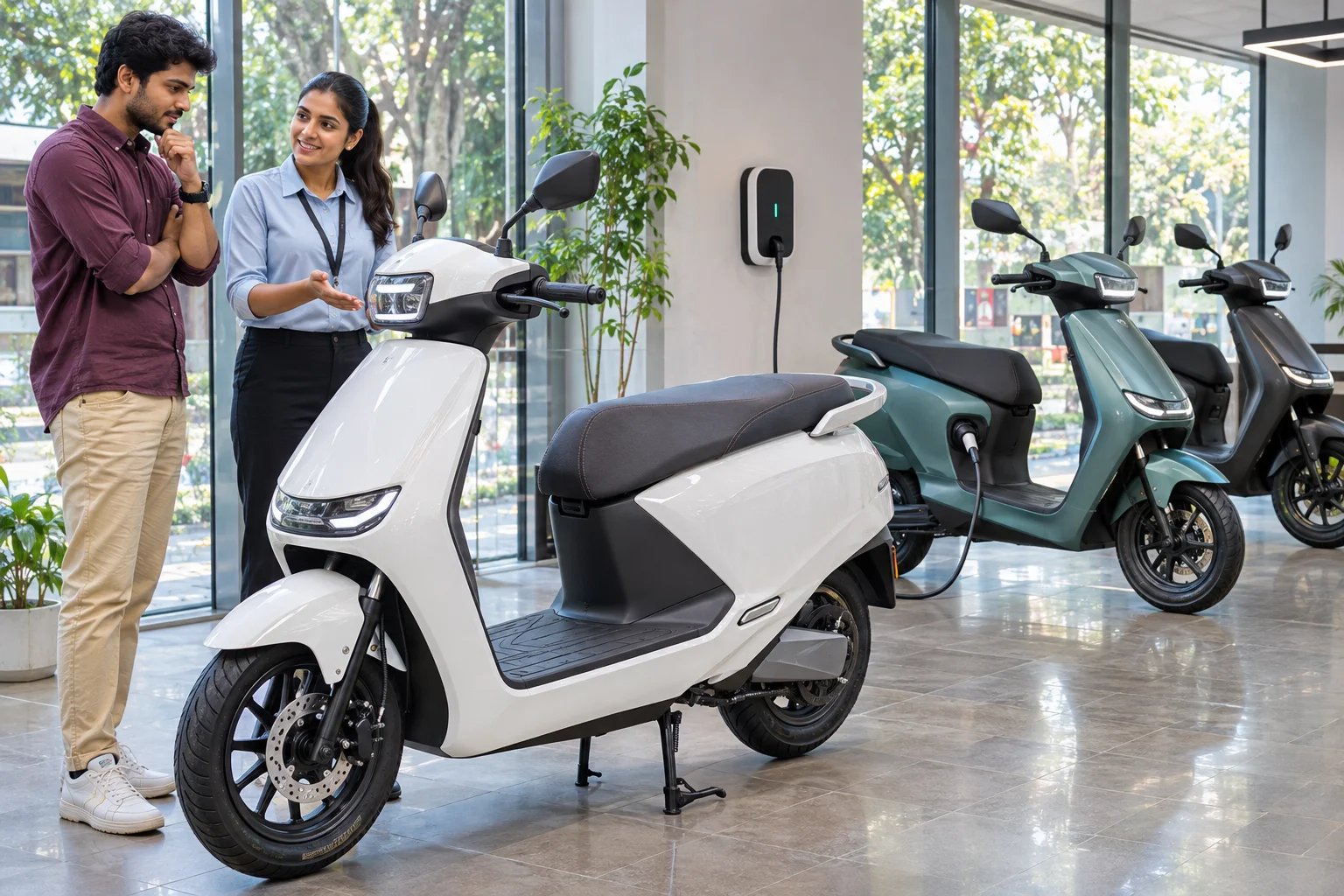
What follow up systems means
A follow-up system is the set routine for calling, messaging or emailing an enquiry more than once, since most buyers do not decide on the first conversation. GullySales sets the number and timing of follow-ups so an undecided buyer keeps hearing from you until they decide either way.
Also for electric scooter dealers
- Lead generation for electric scooter dealers
- CRM for electric scooter dealers
- SEO for electric scooter dealers
- Local SEO for electric scooter dealers
- Social media marketing for electric scooter dealers
- Content marketing for electric scooter dealers
- Buyer personas for electric scooter dealers
- WhatsApp marketing for electric scooter dealers
Sales and marketing for electric scooter dealers, the overview.
Last updated 14 Nov 2026.
For electric scooter dealers
Where it usually goes wrong, and what we would do.
“The ride is the best moment to follow up and the one that gets skipped”
A buyer who has just ridden has real questions about pickup, range and seat. If nobody calls after the ride, the buyer asks those questions of the next showroom.
“Finance steps stall without a nudge”
A buyer waiting on documents goes quiet. A polite message listing the exact paper still needed brings the file back to life where silence would end it.
“Post-delivery contact builds referrals”
The first charge at home, the first service and the first doubt are moments when a call from the dealer is welcome. It also tells the owner whom to ring.
“Following up on a lost buyer is allowed”
A buyer who chose another brand may return when a problem appears. One considerate message, asking if they still need anything, keeps the door open without pressure.
What we do
What we deliver for electric scooter dealers.
The work available for this need. We agree the deliverables and responsibilities for your engagement in writing.
A follow-up map by stage
A one-page rule saying who contacts the buyer, by what channel and with what question at each stage.
Result: Every stage has a named person and a ready message.
Message templates in your voice
Short call scripts and WhatsApp messages for after the ride, after the quote, during finance and after delivery.
Result: Staff are never starting from a blank screen.
A reminder list for the desk
A list showing who is due a contact, drawn from the CRM.
Result: The team opens one list and works through it.
A post-delivery care routine
Contact at first charge, first service and a later check-in, each recorded against the owner.
Result: Every delivered owner has a recorded contact history.
Stop and consent rules
A clear way for any buyer to say they do not want messages, honoured at once.
Result: Opt-outs are respected and recorded.
How the result is measured
- Follow-up completion rate
- Average number of follow-ups before close
- Enquiries closed after repeat follow-up
Recorded as a baseline before work starts, so every later report has an honest comparison.
What to capture or send
Each message follows what happened at the ride or the counter.
- Ride completed
- A message the same day with the model and one answer to what the buyer asked on the ride. Record the next step agreed.
- Brand-app booking not yet visited
- A call to invite the buyer to see the scooter and clear the paperwork. Record whether a ride was set up.
- Finance pending
- A message asking which paper is pending and offering help. Record the lender and the stage.
- Delivered scooter
- A call after the first charge cycle asking whether the owner has any question. Note anything the workshop must handle.
- Lost buyer
- A polite message asking what decided it, then a note of the reason. Note whether the buyer agrees to hear from you again.
Who it is for
This is written for these electric scooter dealers.
- Authorised single-brand electric scooter showrooms
- Electric-only dealers carrying two or three brands
- Petrol two-wheeler dealers adding an electric range
- Dealers selling low-speed electric scooters
- Dealers who supply scooters to delivery fleets and small businesses
- Small-town dealers appointed by newer electric scooter brands
- Dealers who also run battery swapping or charging points
Before you decide
When this may not be the right fit.
- The showroom has no one to take a call in the afternoon, and a reminder would reach a closed phone.
- Buyers have not agreed to be contacted and the record does not show consent, so reminders would risk complaints.
- No stage names are agreed, so a follow-up schedule would point at stages nobody can recognise.
Before you decide
Agree the work. Know how to judge it.
Follow-up systems for electric scooter dealers: use these checks to prepare, choose the scope, and review what changes.
Bring the right evidence
Trace recent enquiries from arrival to the last recorded action. Include a won enquiry, an unsuitable one, and one that went quiet, with personal details removed for the initial discussion.
Make the scope clear
Agree who accepts each enquiry, what makes it qualified, and how ownership changes. Include a rule for missed replies and a clear reason for closing an enquiry.
Check the work in use
Pick an enquiry at random and ask the team to find its owner, latest conversation, and next action. Check that the record agrees with what actually happened.
Know when to change course
If no one has capacity to respond, assign that responsibility before buying more leads. Automation can support the owner, but it cannot replace an unresolved handover.
These are discussion points, not a fixed package. GullySales confirms the deliverables, responsibilities, fee, and term in writing after reading your brief and speaking with you.
Before we start
What to have ready before the work starts.
The records, access and decisions this work needs from electric scooter dealers. Anything missing is noted in the written scope, with who will supply it.
- The ride log and quotation book
- We need the record of who rode, who was quoted and when. A paper register is acceptable. It sets the starting point and shows where silence begins. If neither exists, we start recording from the first day of the system, and the comparison with before is not available.
- Your opening WhatsApp number and its owner
- Messages go from a number buyers recognise. Tell us whether it is a business number and who controls it. Without a clear owner, messages may come from a personal phone and vanish when staff change.
- A decision on who sends the owner's check-in
- Post-delivery messages work best from the person the buyer met. Decide whether that is the salesperson or the owner. If the salesperson leaves, the owner must be able to take over. Without a decision, check-ins stop with the person.
- Buyer consent wording for messages
- We need your current line on the booking form that allows you to message the buyer. Bring what you use now. If none, we draft one for your own adviser to review. Without recorded consent, post-delivery messaging is held back.
- Finance partner contact for stalled papers
- Finance steps stall because documents are missing. We need the finance partner's contact and the list of papers they ask for. With it, reminders name exactly what is pending. Without it, messages ask vaguely and the buyer cannot act.
How it works
How the follow up systems work runs
The work itself, in order. How an engagement starts, from your brief to a written scope, is set out on our method page.
- 1
Find where buyers go quiet today
We read your enquiry notebook, brand-app tokens and WhatsApp chats and mark the point where each stopped replying: after the price, after the ride, after the finance forms. You tell us which silences you recognise. This gives us the exact moments that need a message, and which ones matter for scooters.
- 2
Write the ride-day and after-ride messages
The ride is the strongest moment, so we start there. We write what the salesperson says before the ride, including how to ask whether a parent or partner will join the ride, the message sent after it, and the reminder that follows if the buyer has not answered. You edit each in your own voice, and the technician checks any line about charging or the battery. We avoid claims about range and warranty and quote only what the brand has confirmed.
- 3
Set the stop rule for each stage
For each stage we agree how many reminders a buyer receives and when the salesperson stops and marks the buyer as closed. You decide the limits. A buyer who asks to stop is stopped at once and recorded. We write a polite closing message for each stage so no one is chased without an end.
- 4
Build the reminder list for the desk
We set up a plain list that shows each salesperson, at the start of the shift, the buyers due for a message that day and the line to send. Pending finance steps appear beside the buyer, with the paper the finance partner is still waiting for named in plain words, so the salesperson knows what to ask for on the call. A buyer who has already told you to stop never appears on the list. You test it with real names.
- 5
Add the post-delivery visits and service notices
After delivery the system sends a short check-in, a note to book the first service and, later, a request for an introduction if the owner is happy. You approve each. We check the platform's current rules and the owner's consent before any message goes out through WhatsApp.
- 6
Read the reminders against the starting record
We noted before the work how many rides were booked, how many followed up and how many bought. We now compare the same counts with you, stage by stage. You see which messages brought a reply and which brought none. Together we rewrite the weak ones and drop any that annoyed buyers.
Where this fits
Three pieces of sales work, in this order.
This work sits inside sales process design, at stage 2, qualification. The audit comes before it, and sales management keeps it running.
Step 1
Sales audit
Find where deals are being lost and what to fix first.
Start here if you cannot say where orders are lost.
Step 2 · you are here
Sales process design
One written way to sell, from first enquiry to repeat order.
Start here if every salesperson sells differently.
Step 3
Sales management
A target, a review routine and someone who owns the number.
Start here if the team has targets and no routine.
FAQ
Questions owners ask before they call.
Not here? More answers, or ask on WhatsApp.
What is the right number of follow-ups?
Is a call or a message better for chasing a ride enquiry?
What if the buyer has gone cold?
Should the follow-up come from the salesperson or the owner?
Is it right to message a buyer who has already said no?
Who sends reminders when the salesperson is on leave?
How much does it cost?
How long is the contract?
How soon will we see results?
Who will actually do the work?
More for electric scooter dealers
Related work to consider.
Closest to this: leads and follow-up
Also for electric scooter dealers
Or start from the overview: sales and marketing for electric scooter dealers.
Your next practical step
Tell us what you are trying to grow, and we will read it before we call.
Eight short steps, mostly taps. Skip anything you would rather answer on the call.