Electric scooter dealers · Search engine optimisation
Show up when a buyer in your city searches for an electric scooter near them.
SEO for an electric scooter dealer is the work of making the showroom, the models and the service workshop findable when buyers search in their own language and town. GullySales works on page structure, model pages and answers to charging and range questions, so search engines see what you actually sell.
Scope, fee, reporting and term are agreed in writing after we have read your brief and spoken to you.
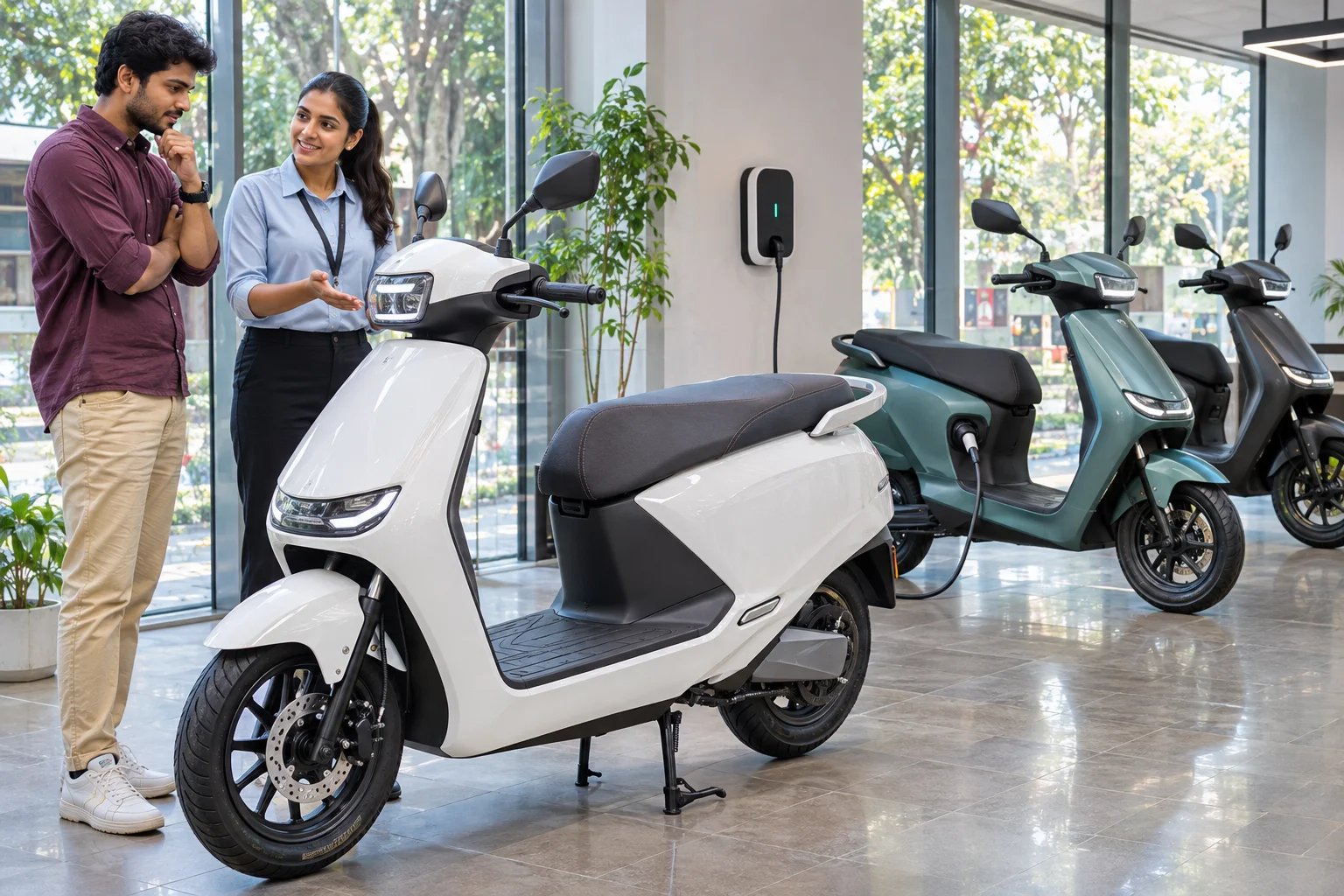
What search engine optimisation means
Search engine optimisation (SEO) is the work of getting your website to appear when a buyer searches Google for what you sell. GullySales builds pages around real search terms, fixes technical issues that block ranking, and tracks which searches actually bring enquiries.
Also for electric scooter dealers
- Local SEO for electric scooter dealers
- Websites for electric scooter dealers
- Lead generation for electric scooter dealers
- Social media marketing for electric scooter dealers
- Content marketing for electric scooter dealers
- Buyer personas for electric scooter dealers
- CRM for electric scooter dealers
- Follow-up systems for electric scooter dealers
Sales and marketing for electric scooter dealers, the overview.
Last updated 14 Nov 2026.
For electric scooter dealers
Where it usually goes wrong, and what we would do.
“Buyers search the brand, then the town”
A person types the brand and model, then adds a place name. A dealer whose site lists the brand, the city and the showroom address on one page is matched to that search; a dealer with only a brand-supplied listing page is not.
“The question pages are what get read”
Searches such as whether a scooter can be charged from a home socket, or how a battery is replaced, are asked in plain words. A short, honest page answering each one brings in a buyer who has not yet picked a showroom.
“Copying the brand's text gives search nothing new”
If a model page repeats the manufacturer's brochure word for word, it adds nothing the brand's own site does not already say. Your workshop, your test route and your charging advice are the parts only you can write.
“Regional languages matter for scooters”
Family decision-makers and older riders search in Kannada, Hindi, Marathi or another local language. A page that exists only in English misses the person who will actually ride or pay.
What we do
What we deliver for electric scooter dealers.
The work available for this need. We agree the deliverables and responsibilities for your engagement in writing.
Model pages with local content
One page per model stocked, with the brand's specifications as published, plus your showroom, test-ride route and service arrangement.
Result: Each model page says something no other dealer's page says.
Question pages on charging, range and battery
Plain pages on home charging, how range changes with load and weather, and what the battery warranty covers, checked against the brand's documents.
Result: A buyer who searches a worry lands on an answer from a named dealer.
Site structure and titles
Page titles, headings and internal links arranged so the showroom, models, workshop and contact pages are clearly related.
Result: Each page has a distinct title and a clear place in the site.
Local-language versions of key pages
The main model, charging and contact pages written in the language your buyers speak, not machine-translated.
Result: The pages read naturally to a local speaker.
Search tracking set up
A record of which searches bring visitors and which pages they read, kept alongside your enquiry log.
Result: The owner can see which pages bring enquiries and which do not.
How the result is measured
- Ranking positions
- Organic traffic
- Enquiries from organic search
Recorded as a baseline before work starts, so every later report has an honest comparison.
Searches your buyers type
Buyers type the brand with the town, then their worry.
- electric scooter showroom in Belagavi
- The showroom page for the town, with brands carried, address and a ride booking button.
- electric scooter battery life and replacement
- A plain explainer on what the dealer can say about battery care and where a buyer takes questions on warranty.
- electric scooter for delivery work
- A page for delivery riders and small businesses, naming models suited to daily use and a contact for several scooters.
- electric scooter without licence
- A careful page on low-speed models that points the buyer to the official rules for their state and does not state them.
- electric scooter service centre near me
- A service page with the workshop address, hours and what the team repairs.
Who it is for
This is written for these electric scooter dealers.
- Authorised single-brand electric scooter showrooms
- Electric-only dealers carrying two or three brands
- Petrol two-wheeler dealers adding an electric range
- Dealers selling low-speed electric scooters
- Dealers who supply scooters to delivery fleets and small businesses
- Small-town dealers appointed by newer electric scooter brands
- Dealers who also run battery swapping or charging points
Before you decide
When this may not be the right fit.
- The showroom is newly appointed and the brand has not yet cleared your name and address for public use.
- You carry one model and the brand's own pages already cover it, with nothing local to say.
- Nobody can update pages as models and offers change, which would leave searchers reading old details.
Before you decide
Agree the work. Know how to judge it.
SEO for electric scooter dealers: use these checks to prepare, choose the scope, and review what changes.
Bring the right evidence
Bring the pages for the products or services you want to sell, the search queries available in your reports, and examples of enquiries from search. Separate branded searches from buyers discovering you for the first time.
Make the scope clear
Agree which pages and technical fixes come first, who can publish changes, and who supplies subject knowledge. Link search work to a relevant enquiry route on each priority page.
Check the work in use
Follow the trail from a relevant query to its landing page and then to an enquiry. Review whether those enquiries fit your offer, alongside indexing and search visibility.
Know when to change course
A ranking movement alone is not a buying signal. If traffic grows but relevant enquiries do not, revisit page intent and the offer before producing more pages.
These are discussion points, not a fixed package. GullySales confirms the deliverables, responsibilities, fee, and term in writing after reading your brief and speaking with you.
Before we start
What to have ready before the work starts.
The records, access and decisions this work needs from electric scooter dealers. Anything missing is noted in the written scope, with who will supply it.
- Owner access to the website and its editor
- We need to publish pages, change titles and add local-language versions, so someone must give us editor access or name the developer who will do it. A shared login held by the brand cannot be used. If the site belongs to the brand, we plan a separate small site and the first stage takes longer to agree.
- Photographs of your showroom and workshop
- Search pages for a dealer read as real only with real pictures: the floor, the display scooters, the charging corner, the workshop bay. Phone photographs taken in good light are acceptable. Without them we use none rather than the brand's stock images, and the pages look thin beside a rival who shows the place.
- The list of towns and areas you serve
- Search is local, so we need the towns, suburbs and nearby villages that your buyers come from, taken from your delivery records. A rough list with the main ones first is enough. If it is missing we guess from the showroom address, and pages may name places that bring no buyers while skipping ones that do.
- A technician free for one long conversation
- The charging and battery pages depend on a technician speaking in their own words about what owners ask. They need a stretch of uninterrupted time away from the bay. If this cannot be arranged, the question pages are written from the brand's manual and read like it, which gives search and buyers nothing new.
- The brand's current rules for dealer websites
- Some brands set limits on how dealers use logos, images and claimed range. Bring whatever the dealer agreement or brand portal says on this, even a forwarded message. We check our pages against it. If no guidance exists, we avoid brand claims about range and warranty and send the buyer to the brand's own pages for those.
How it works
How the search engine optimisation work runs
The work itself, in order. How an engagement starts, from your brief to a written scope, is set out on our method page.
- 1
Read the models you sell beside the brand site
We put your model list next to the brand's own pages and mark every place where the brand text would simply be repeated on your site. You tell us what you say differently at the desk, such as the charger you recommend or the roads your buyers ride. This shows us where your pages can say something search has not already seen from the brand.
- 2
Collect the searches in your own town
We search the way a buyer in your town would, by brand and town, by model and area, and in the local language as well as English. We save the results and the questions search offers beneath them. You tell us which of these your desk actually hears. The result is a short working list of searches that match real conversations in your showroom.
- 3
Sit with the technician on charging questions
We ask your service technician the questions owners bring to the workshop: charging at home in a flat, what happens in rain, how a battery is checked. We write the answers in the technician's own order and words. You or the technician read them for accuracy before anything is placed on a page. Questions about battery warranty are written plainly and checked against the brand's current terms.
- 4
Lay out the pages and their titles
We draw the site structure on paper first: one page per model you stock, a page for each question group, and a short page for the workshop. Titles and headings name the model and your town. You approve the structure, and we remove any page that would only repeat another. Regional-language versions are planned for the pages your buyers open first.
- 5
Publish in stages and set up tracking
Pages go live in the order you agree, model pages first, so we can see how each one is picked up. We set up search tracking and a record of which pages lead to an enquiry in your log. You and your manager check that the tracking shows the enquiries your desk remembers. Any page that shows nothing is revisited.
- 6
Compare searches and enquiries to the start
We recorded which searches brought visitors and how many enquiries the desk logged from search before the work began. We now put today's figures beside those, page by page. You see which model and question pages brought buyers who asked for a ride and which brought none. Together we decide which pages get rewritten, which are merged and which new questions to add.
Where this fits
Three pieces of sales work, in this order.
This work sits inside sales process design, at stage 1, prospecting and lead generation. The audit comes before it, and sales management keeps it running.
Step 1
Sales audit
Find where deals are being lost and what to fix first.
Start here if you cannot say where orders are lost.
Step 2 · you are here
Sales process design
One written way to sell, from first enquiry to repeat order.
Start here if every salesperson sells differently.
Step 3
Sales management
A target, a review routine and someone who owns the number.
Start here if the team has targets and no routine.
FAQ
Questions owners ask before they call.
Not here? More answers, or ask on WhatsApp.
How long before we see results?
Can we use the brand's images and specifications?
Is SEO worth it for a small-town dealer?
Should the site have a page for each town we serve?
Do we need separate pages for each model colour and variant?
What do we do if the brand changes a model during the work?
How much does it cost?
How long is the contract?
Who will actually do the work?
What do you need from us?
More for electric scooter dealers
Related work to consider.
Closest to this: search and visibility
Also for electric scooter dealers
Or start from the overview: sales and marketing for electric scooter dealers.
Your next practical step
Tell us what you are trying to grow, and we will read it before we call.
Eight short steps, mostly taps. Skip anything you would rather answer on the call.