Veterinary clinics · Website
Build a site that answers an emergency question before the phone rings.
A website for a veterinary clinic needs to show hours, emergency information, treatment pages and a simple way to book. That is what an anxious or planning owner needs before they call. GullySales builds and keeps this current.
Scope, fee, reporting and term are agreed in writing after we have read your brief and spoken to you.
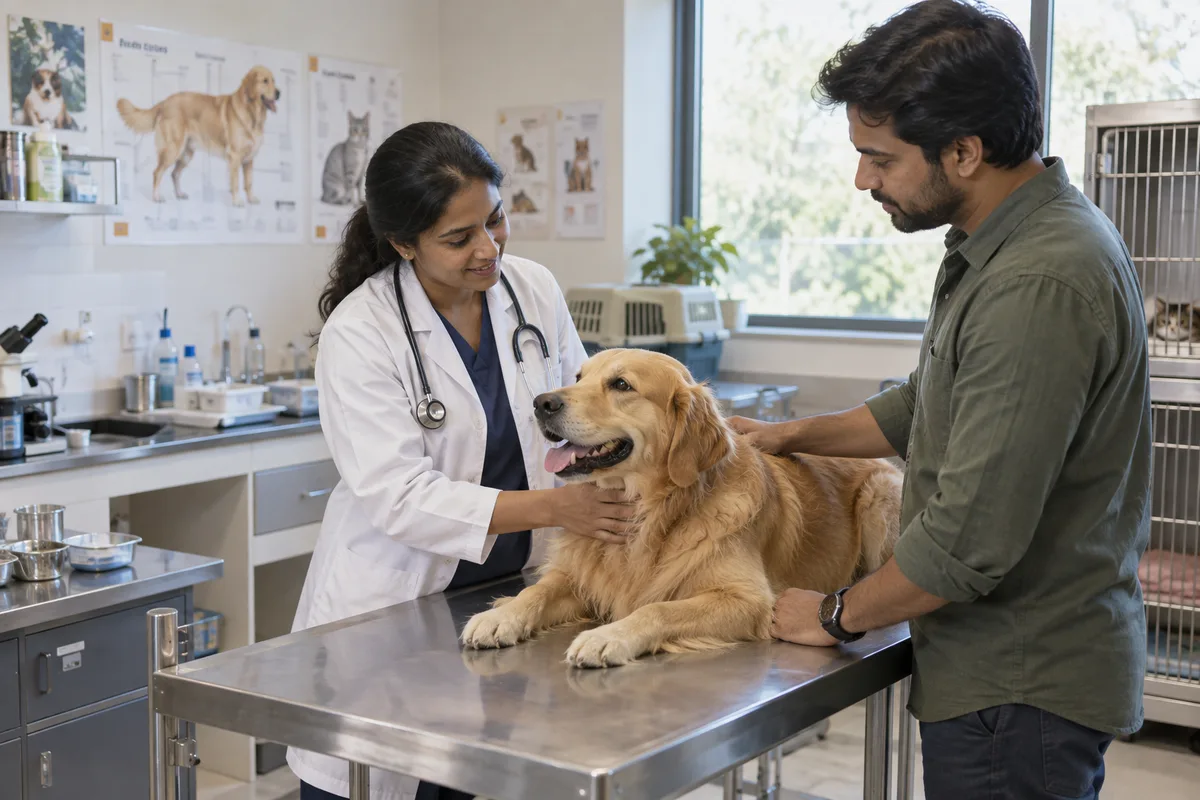
What website means
A website is the page a customer lands on after searching, clicking an advert or scanning a code, and it decides whether they call or leave. GullySales builds and maintains sites that load quickly, explain the offer plainly and make the enquiry form or phone number easy to find.
Last updated 8 Nov 2026. Rules for this trade differ by state and professional body, and they change. We describe restrictions in general terms, so check the current position with your own council or adviser before you publish anything.
For veterinary clinics
Where it usually goes wrong, and what we would do.
“Emergency hours need to be impossible to miss”
A site that buries after-hours contact information in a footer fails the exact owner who needs it most urgently, at the moment they need it most.
“Treatment pages should explain what to expect, not just list services”
A page on a common surgery that explains recovery time and aftercare reassures an owner considering the procedure far more than a one-line service listing.
“A booking option should not require a call for routine visits”
An online booking option for straightforward visits, such as vaccinations, saves both the clinic and the owner time compared with requiring every booking by phone.
What we do
What we deliver for veterinary clinics.
Every deliverable, what it covers for you, and the result it is there to produce. Nothing here is an extra.
Emergency hours placed where they cannot be missed
After-hours and emergency contact information moved out of the footer and onto the homepage and key pages, for the owner who needs it most urgently.
Result: An owner in a crisis finds the information in seconds, not a search.
Treatment pages that explain recovery and aftercare
Pages on common procedures explaining recovery time and aftercare in plain language, instead of a one-line service listing.
Result: An owner considering a procedure understands what to actually expect.
Online booking for straightforward, routine visits
A simple online booking option for visits like vaccinations, so a routine appointment does not require a phone call for either side.
Result: Booking a routine visit no longer requires a phone call at all.
An easy-to-search species and service directory
A clear structure letting an owner find the page for their specific pet's need quickly, rather than searching through one long list.
Result: An owner finds the relevant page without hunting through unrelated services.
Website report against the baseline
A report tracing website enquiries and bookings, compared with the baseline recorded before the new site went live.
Result: You know whether the website is actually producing more bookings.
How the result is measured
- Page load time
- Bounce rate
- Enquiries from the website
Recorded as a baseline before work starts, so every later report has an honest comparison.
What the page must show
What a veterinary clinic's website must show before an owner brings the pet in.
- Species you treat and those you do not
- Say dogs, cats, birds, rabbits, exotics or large animals, and name any you refer out. An owner of a parrot needs to know before travelling.
- Emergency hours and what to do first
- State the after-hours arrangement, whether the vet is on site or on call, and ask owners to phone before arriving so the team can prepare.
- Each vet's qualification and registration
- Show each vet's degree, state veterinary council registration and area of interest. Owners want to know who will hold their pet.
- A vaccination and deworming page
- Explain the puppy and kitten series, annual boosters and deworming in simple steps, and what each visit covers. Link it to the booking form.
- What is done in-house
- List X-ray, ultrasound, lab tests, surgery and in-patient kennels, and which tests go to an outside lab. It tells an owner what can be done under one roof.
- Fees for routine care
- Show consultation and vaccination fees, and for surgery say 'estimate after examination'. A visible fee list removes a reason to call elsewhere.
Who it is for
This is written for these veterinary clinics.
- Small animal clinics
- Multi-vet veterinary hospitals
- Mobile and home-visit vet services
- Exotic and avian veterinary practices
- Farm and large animal veterinary services
- Pet grooming and wellness clinics with vet services
- 24-hour emergency veterinary hospitals
- Veterinary diagnostic and referral centres
Not for
It is not the right fit if.
- The species list, hours and fee for routine care are still undecided, and a site would publish them as blanks.
- Nobody can update the site when the vet roster changes, so a page would soon name a vet who has left.
How it works
How the website work runs
The work itself, in order. How an engagement starts, from your brief to a written scope, is set out on our method page.
- 1
Confirm structure and content
We agree the page list, what each page must answer, and who supplies the text and photographs, before any design starts.
- 2
Design the templates
The home page, a service page, a location page and the enquiry page are designed first, on phone and desktop, and shown to you.
- 3
Build and test
The site is built and checked on real phones and the common browsers. Every form, call button and WhatsApp link is tested end to end.
- 4
Load real content
Actual copy, images and information replace placeholders. Pages are read through once by you, since you spot wrong details we cannot.
- 5
Check before launch
Tracking, page titles, the sitemap and the privacy page are checked on the staging site. If an old site exists, its addresses are mapped so old links still land somewhere.
- 6
Launch and hand over access
The site goes live and we record the domain, hosting, content login and analytics in your name. The first live enquiry is traced to confirm tracking works.
Where this fits
Three pieces of sales work, in this order.
This work sits inside sales process design, at stage 1, prospecting and lead generation. The audit comes before it, and sales management keeps it running.
Step 1
Sales audit
Find where deals are being lost and what to fix first.
Start here if you cannot say where orders are lost.
Step 2 · you are here
Sales process design
One written way to sell, from first enquiry to repeat order.
Start here if every salesperson sells differently.
Step 3
Sales management
A target, a review routine and someone who owns the number.
Start here if the team has targets and no routine.
FAQ
Questions owners ask before they call.
Not here? More answers, or ask on WhatsApp.
Does a small clinic need a website?
How often should the website be updated?
Can we show photographs of operations or animals under treatment?
Can owners send a photograph or video of the problem through the website?
How much does it cost?
How long is the contract?
How soon will we see results?
Who will actually do the work?
What do you need from us?
What if we are not happy with the work?
From the blog
Further reading for veterinary clinics.
 6 min read · 26 Aug 2026Pet grooming marketing: how to get grooming and boarding customersPet grooming marketing works on Maps, reviews, before and after photographs and fast replies. Boarding is won on trust. Here is how to fill both, and what a plan should cover.
 8 min read · 19 Aug 2026The pet parent journey: from the first search to regular visitsThe pet parent journey runs from the first anxious search to years of repeat visits. Here are the stages, and where Indian clinics lose owners.
 7 min read · 20 May 2026Loyalty programmes for pet clinics: the ones owners actually useA loyalty programme for a pet clinic is not a points card. It is a wellness plan paid up front, reminders for care that is already due, and one small standing benefit a regular notices.
More for veterinary clinics
Everything else we would do for you.
Closest to this: search and visibility
Also for veterinary clinics
Or start from the overview: sales and marketing for veterinary clinics.
Your next practical step
Tell us what you are trying to grow, and we will read it before we call.
Eight short steps, mostly taps. Skip anything you would rather answer on the call.