Cafes and coffee shops · Packaging design
Keep every cup, sleeve, board and bag in your cafe looking like one place.
Creative and graphic design for a cafe is the standing production of everyday artwork, from cup sleeves and takeaway bags to menu boards, festival posters and delivery app images, all using the identity you already have. GullySales provides agreed design capacity, checks each piece against your guidelines and supplies approved files to your team or printer.
Scope, fee, reporting and term are agreed in writing after we have read your brief and spoken to you.
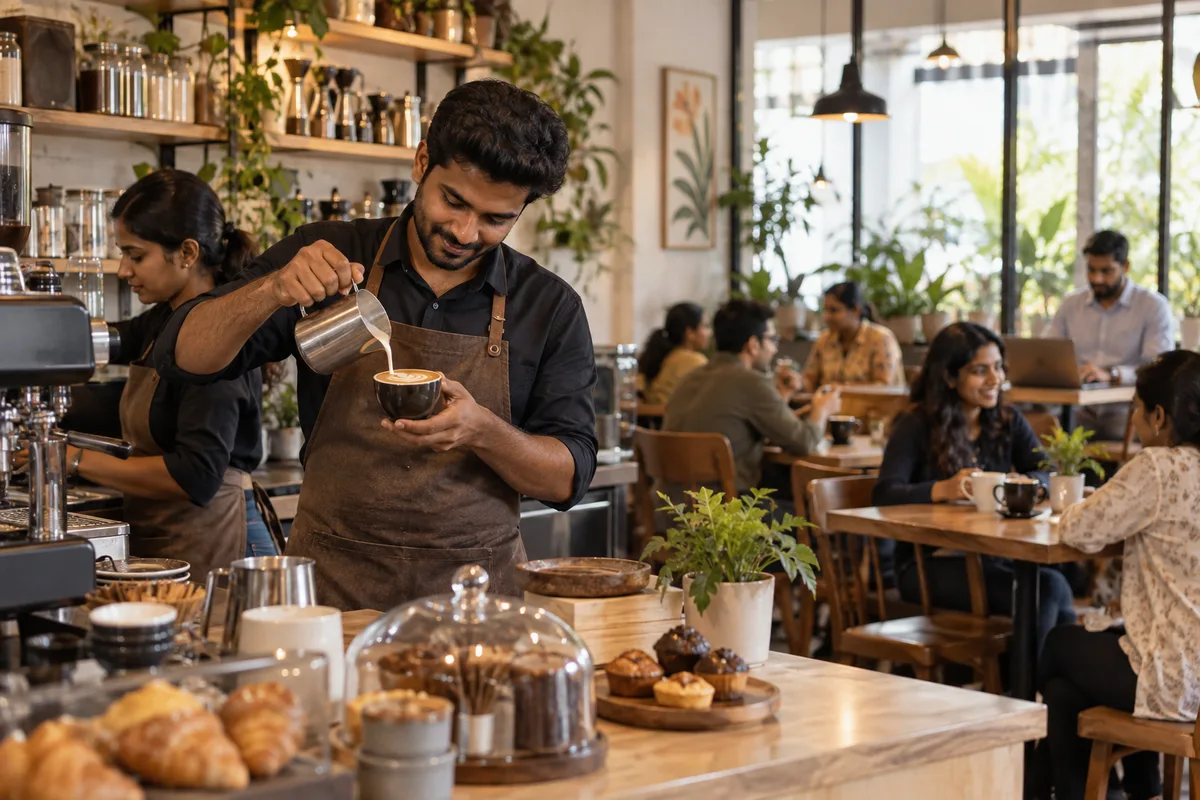
What packaging design means
Packaging design is the box, label or wrapper a product is sold in, often the only advertisement a customer sees at the point of purchase. GullySales designs packaging that states the product clearly, meets labelling rules and stands out on a crowded shelf.
Also for cafes and coffee shops
- Branding for cafes and coffee shops
- Brand naming for cafes and coffee shops
- Logo and visual identity design for cafes and coffee shops
- Buyer journey for cafes and coffee shops
- Buyer personas for cafes and coffee shops
- Content marketing for cafes and coffee shops
- Digital marketing for cafes and coffee shops
- Email marketing for cafes and coffee shops
Sales and marketing for cafes and coffee shops, the overview.
Last updated 14 Nov 2026. Rules for this trade differ by state and professional body, and they change. We describe restrictions in general terms, so check the current position with your own council or adviser before you publish anything.
For cafes and coffee shops
Where it usually goes wrong, and what we would do.
“The packaging walks out of the door”
A cup, a sleeve and a paper bag leave the cafe in the customer's hand and travel to an office, a train or a desk. They are the only advertising some people ever see from you. When the sleeve shows an old logo or the bag uses a different shade of the brand colour, the cafe looks like two businesses. Consistent packaging artwork is a sales matter, because it is what the colleague at the next desk notices.
“The menu changes faster than the artwork”
Cafes drop a seasonal drink, add a pastry or raise a price, and the chalkboard, the printed menu, the table card and the delivery app image all need to say the same thing. When one of them is missed, a customer orders from an old board and an argument starts at the counter. A standing design arrangement gives each change one request, one approver and one set of files.
“Printers need specifications, not screenshots”
Packaging printers work from exact dimensions, fold lines, bleed and colour settings for a particular cup or box. Artwork pulled from a social post will not survive that. Sleeves can come back with a cropped logo, or a bag with text on the fold. A designer who asks for the printer's specification before drawing saves the cafe from a reprint it did not budget for.
“Rules for food labels sit with you”
Some packaging and promotional artwork in food and drink carries mandatory wording, such as ingredient or allergen information, depending on the product and the place. Those requirements differ by region and by product, and they change. Design places approved wording clearly, but your own adviser or the relevant authority decides what the wording must say, and nothing on a sleeve or board should be treated as compliance advice.
What we do
What we deliver for cafes and coffee shops.
The work available for this need. We agree the deliverables and responsibilities for your engagement in writing.
Written design capacity for the cafe
An agreed description of the recurring artwork covered, such as sleeves, stickers, boards, posters, social posts and app images, with the formats for each and how a request is raised. You can check whether a new request falls inside the scope before committing to it. Anything outside is quoted separately and never absorbed silently.
Result: A new request can be checked against the written list of covered items.
Request brief and approval record
For each piece, a short record of its purpose, the exact wording, dimensions, required date and the person who approves it. A menu price or a festival date appears once, in the brief, and nowhere else. Your approver confirms the facts before design starts, and again before files are released to the printer.
Result: Each piece shows who approved the wording and on which version.
Packaging artwork for the printer
Artwork for cup sleeves, stickers, takeaway bags, boxes and loyalty cards, prepared to the printer's own specification for dimensions, fold and bleed. A proof showing placement and wording comes to you before release. Physical proofing and print runs belong to the printer and are paid for separately.
Result: The printer receives files made to their own stated specification.
Menu board and in-cafe signage artwork
Designs for menu boards, counter cards, table tents, window posters and shelf labels, set out so a customer can read the board from the queue. Allergen wording and price lines are placed from text you supply. Your reviewer checks them against the kitchen's own records, because a printed board cannot be corrected by hand.
Result: Each board matches the menu your kitchen currently serves.
Digital artwork and delivery app images
Social posts, stories, map listing images and delivery app tiles in the sizes each platform asks for. Review copies show where the platform places its buttons so text is not hidden. Check each platform's current image rules before upload. Posting and ad management are separate from design.
Result: Each image fits the size and safe area the platform currently states.
Shared asset library and final file set
A folder holding approved artwork, with names that identify the version, plus the print PDFs and screen files for each piece. Source files and usage rights are recorded in the written scope. Paid fonts or stock images are bought on your account with your approval, so nothing is licensed on your behalf unseen.
Result: Your team can find the current approved file without asking a designer.
How the result is measured
- Shelf standout in comparison
- Print cost
- Repeat purchase by packaging feedback
Recorded as a baseline before work starts, so every later report has an honest comparison.
Who it is for
This is written for these cafes and coffee shops.
- Independent single-outlet cafes
- Specialty coffee roasters with a cafe
- Cafes inside co-working spaces
- Bakery cafes
- Cafe chains opening new outlets
- Cloud kitchen and delivery-only cafes
- Cafes attached to bookstores or art spaces
- Late-night and student-area cafes
Before you decide
Agree the work. Know how to judge it.
Creative and graphic design for cafes and coffee shops: use these checks to prepare, choose the scope, and review what changes.
Bring the right evidence
Identify the product, process, or buyer question the images or film must explain. Gather reference material and confirm permission for people, premises, and client work that may appear.
Make the scope clear
Agree the shot list, formats, usage rights, and approval stages before production. Separate filming or photography from editing, animation, and later adaptations.
Check the work in use
Check the finished asset in the place it will be used: a mobile page, presentation, advert, or product listing. Look at crop, captions, sound, and whether the important detail remains clear.
Know when to change course
Do not present an illustration or generated scene as evidence of client work. If a claim needs a real product demonstration, obtain that evidence before using the asset to support it.
These are discussion points, not a fixed package. GullySales confirms the deliverables, responsibilities, fee, and term in writing after reading your brief and speaking with you.
Before we start
What to have ready before the work starts.
The records, access and decisions this work needs from cafes and coffee shops. Anything missing is noted in the written scope, with who will supply it.
- Logo files and brand guidelines
- Original logo files, the colour values and the fonts you hold, with any written rules on spacing. Without them we are copying from screenshots, and the colours on a cup sleeve will not match the signboard. A missing identity is a separate piece of work, not a gap we can paper over.
- Current menu and price list
- The menu as the kitchen serves it today, with prices and any wording you must display about ingredients. Designs are set from this text. When it is missing or out of date, a board is printed with a retired drink or an old price, and the correction costs another print.
- Printer names and specifications
- The printers you use for sleeves, bags and boards, with their template or written specification for each item. We prepare print files to that sheet. When it is missing, files may be made to the wrong size or fold, and the printer's proof exposes the error late.
- A named approver for artwork
- One person who confirms wording, prices and dates before release, and a second who covers when they are away. Without a named approver, corrections arrive from several people and an old line survives into the final file. The record of who approved what protects everyone later.
- Dates for festivals and menu changes
- A list of the occasions, launches and seasonal drinks you plan, with the dates you need artwork in hand. Printing and proofing take time outside our control. When it is missing, requests arrive close to the day, and the printer's schedule decides the outcome rather than the plan.
How it works
How the packaging design work runs
The work itself, in order. How an engagement starts, from your brief to a written scope, is set out on our method page.
- 1
Agree the capacity and the request route
Send the requirements brief first. After a conversation we write down which pieces are covered, how a request reaches us, who may raise one and who approves it. A manager at the counter can send a request by message with the wording and the date. Missing details are recorded before any design begins, so the first request is not the moment we discover the gaps.
- 2
Accept your identity and collect source files
You supply the guidelines, logo files, fonts and colour values you hold. We list what is missing or unclear and tell you whether a gap needs separate identity work. A screenshot of a logo is not a source file, and we say so early. Once the reference is accepted, every later piece is checked against the same document.
- 3
Take the brief for the first piece
For the first sleeve, board or poster, your approver confirms the wording, the offer dates, the size and the date it is needed. We add the printer's specification where print is involved. Wording that changes after approval returns to review. This is the step where an old price or a retired drink is caught, before it reaches artwork.
- 4
Design and check against the brand
The piece is drawn from the accepted reference and compared with the guidelines for logo use, colour, type and spacing. For packaging, we test how the artwork sits across a curved cup or a folded bag as drawn on the printer's template. The review copy goes to your approver with the checks noted beside it.
- 5
Consolidate corrections and release files
Your team returns one set of corrections, not several. The agreed revision allowance governs further rounds. After your approval, final files go to the nominated person or directly to the printer, and the approved version is saved to the library. The previous version is kept separately, so nothing out of date is reused by mistake.
- 6
Read the work against the starting record
Before the work began we noted which pieces circulated, which versions were wrong and how many corrections each request needed. We compare that with the pieces now delivered and the corrections they needed, and with the enquiries or orders recorded against any offer, where your records allow. You decide whether to widen, narrow or keep the capacity.
Where this fits
Three pieces of sales work, in this order.
This work sits inside sales process design, at stage 1, prospecting and lead generation. The audit comes before it, and sales management keeps it running.
Step 1
Sales audit
Find where deals are being lost and what to fix first.
Start here if you cannot say where orders are lost.
Step 2 · you are here
Sales process design
One written way to sell, from first enquiry to repeat order.
Start here if every salesperson sells differently.
Step 3
Sales management
A target, a review routine and someone who owns the number.
Start here if the team has targets and no routine.
FAQ
Questions owners ask before they call.
Not here? More answers, or ask on WhatsApp.
Do you design cup sleeves and takeaway bags?
Can our counter manager brief you without a designer?
Who checks allergen and ingredient wording?
Will we receive editable files?
Does this include a new logo for the cafe?
How is the fee worked out?
How long is the contract?
How soon will we see results?
Who will actually do the work?
What do you need from us?
From the blog
Further reading for cafes and coffee shops.
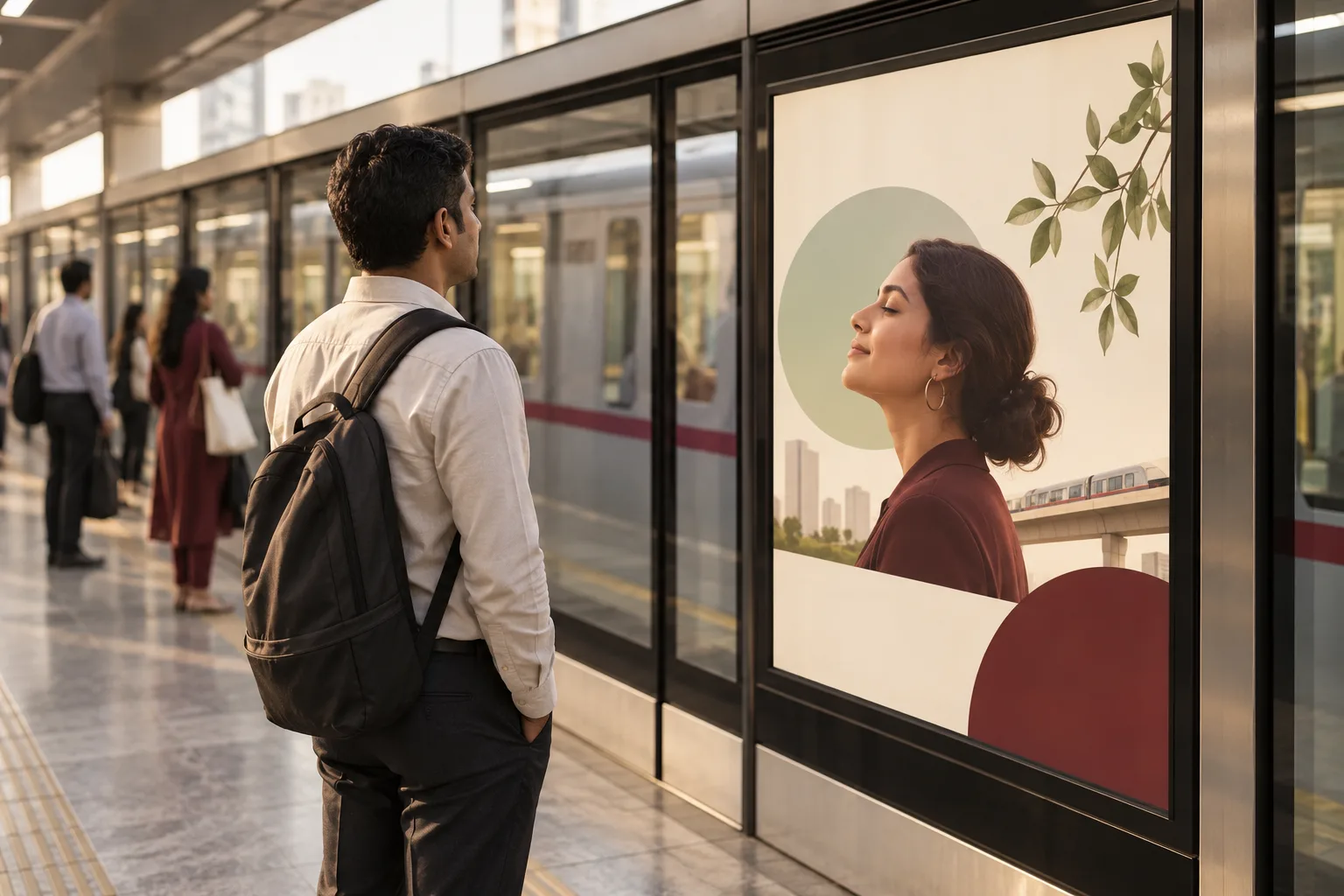 7 min read · 21 Sept 2026How to design metro and transit advertisingA commuter stands still in front of a platform panel for four minutes and passes the same one twice a day for a month. Design for the sixth viewing.
 5 min read · 4 Sept 2026Photos, video and menus: the assets a hospitality buyer scrolls firstA shot list for rooms, halls, food and staff, the menu and tariff formats that load on a phone, and what to re-shoot when the season changes.
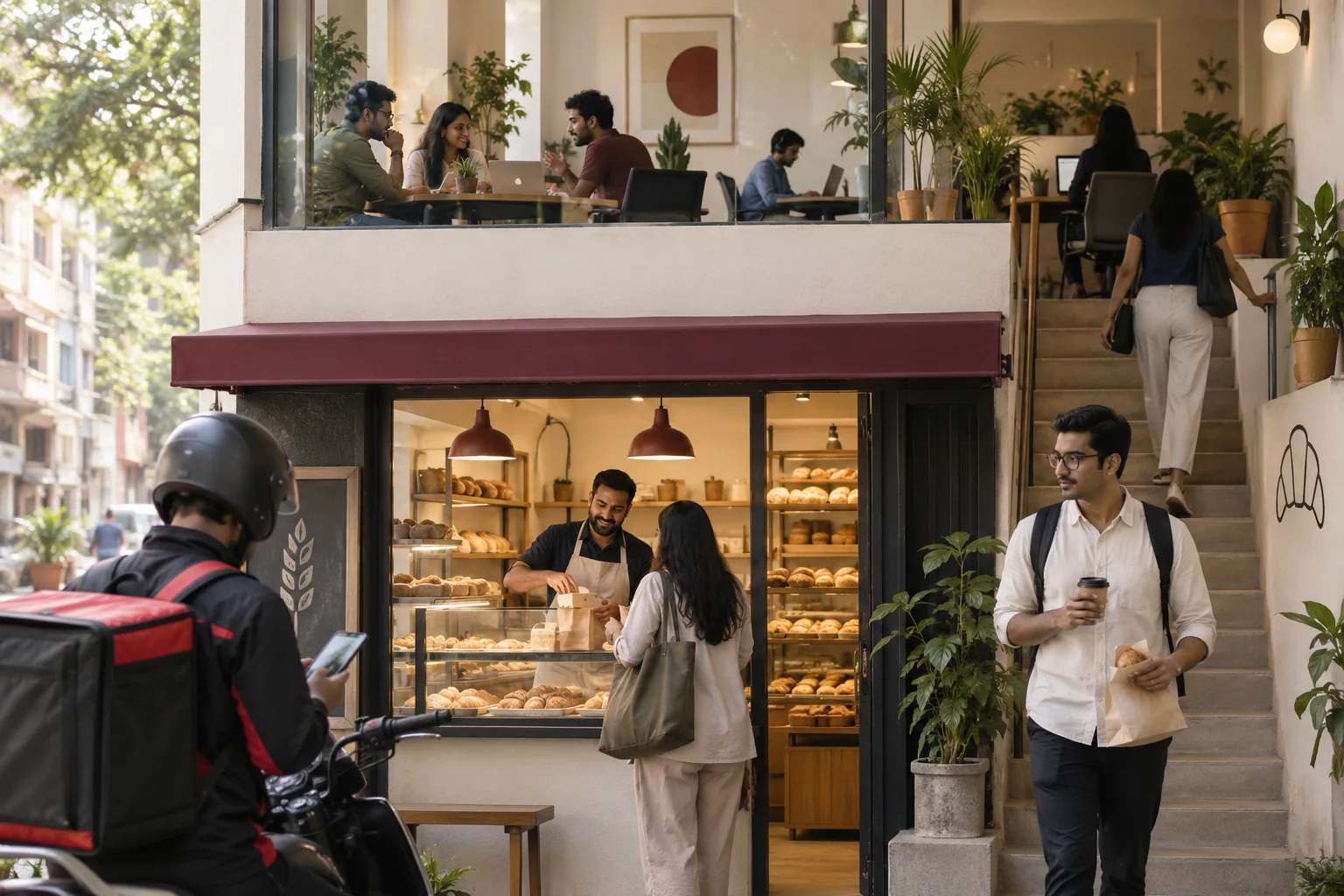 7 min read · 21 Sept 2026How to advertise to startup employeesThere is no tech park to buy. A forty person company sits above a bakery, so the audience is the neighbourhood, the delivery app and the coworking floor.
More for cafes and coffee shops
Related work to consider.
Closest to this: brand and design
Also for cafes and coffee shops
Or start from the overview: sales and marketing for cafes and coffee shops.
Your next practical step
Tell us what you are trying to grow, and we will read it before we call.
Eight short steps, mostly taps. Skip anything you would rather answer on the call.