Manufacturing · Machinery, automation and equipment
Farmers trust the dealer's word, and the dealer does not know our machine.
A farm equipment maker sells through people who talk to the farmer: the dealer at the town market, the tractor showroom, the cooperative, the agriculture department's scheme officer. The farmer decides after seeing the machine work, hearing a neighbour, and being told by the dealer that it can be serviced. A brochure alone rarely does it.
Scope, fee, reporting and term are agreed in writing after we have read your brief and spoken to you.
In one paragraph
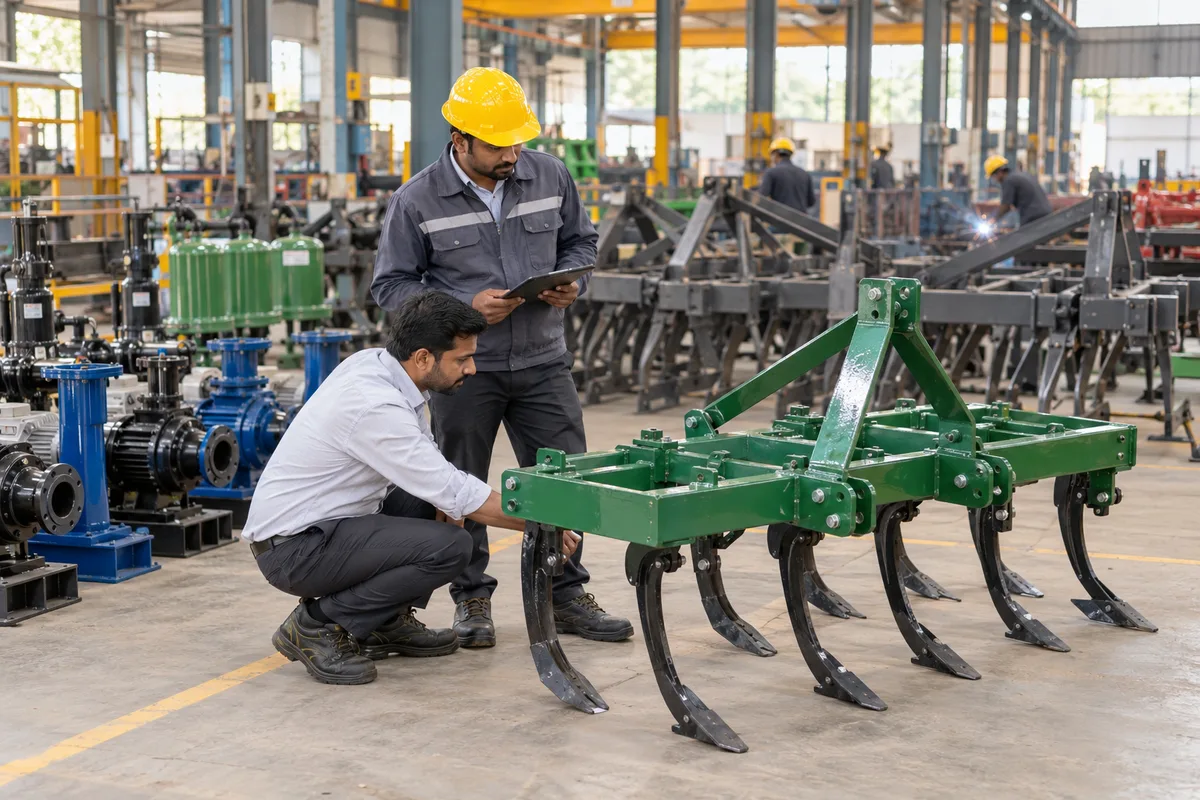
Agricultural equipment covers the implements, irrigation systems, attachments, machines and pumps that farmers, dealers and processors buy. GullySales helps makers of this equipment get found by dealers and buyers, answer enquiries and quotation requests properly, follow up, and win repeat orders through the dealer network.
So the first customer is the dealer, and the dealer remembers whichever maker made their life easy. That means quick replies, clear prices, spares that arrive and a visit when something goes wrong. These get done badly when nobody owns them.
This page covers the segment. The pages beneath it deal with implements, irrigation, attachments, machines, processing equipment and pumps, which are bought in different seasons by different people.
Last updated 16 Oct 2026.
6 types of work
Each kind of agricultural equipment is bought differently, so each has its own page.
Open the one that matches what you make. It covers who buys it, where the order is lost and what we would do.
- Agricultural ImplementsOur cultivators are solid, but the farmer buys the one the neighbour has.
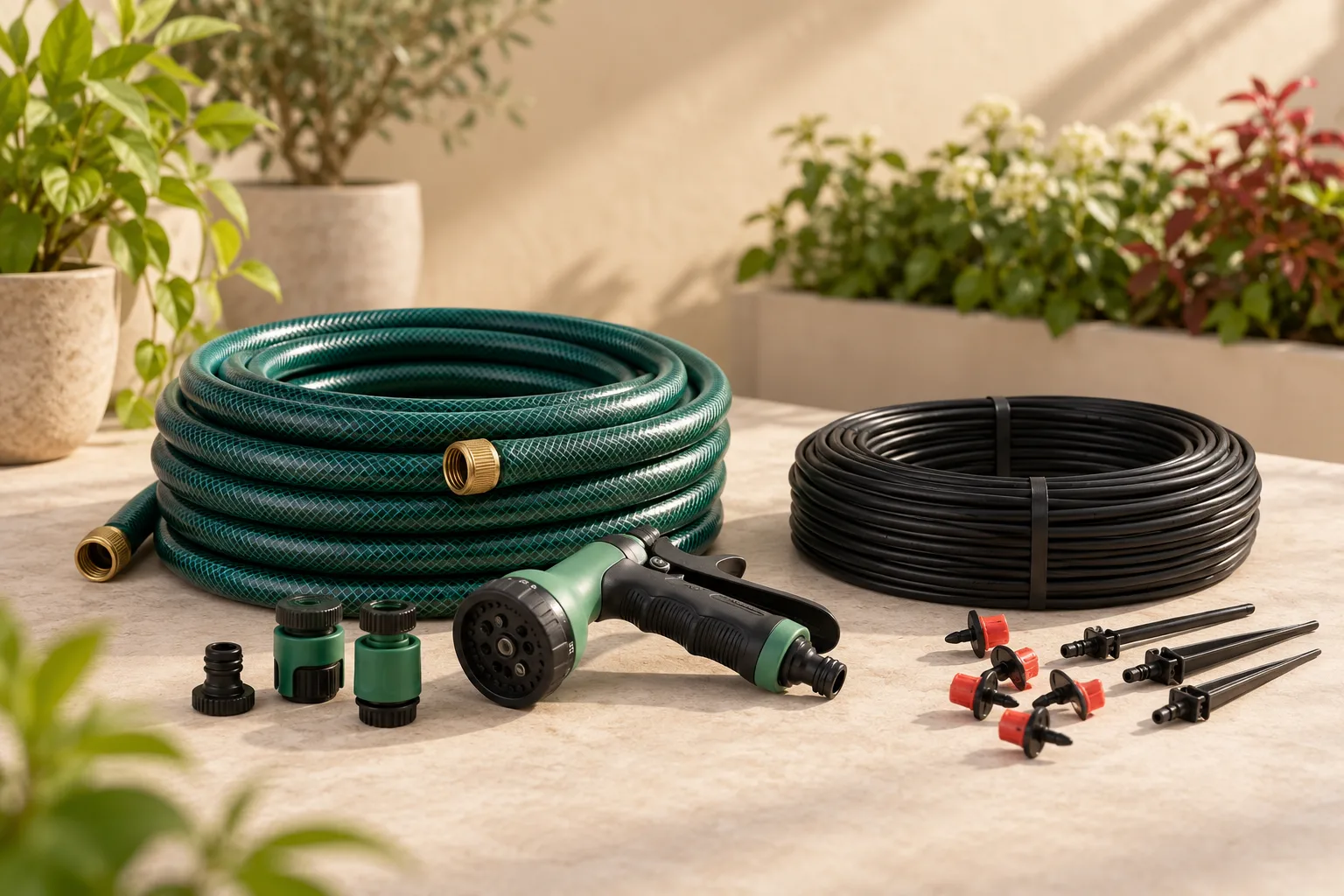 Irrigation EquipmentFarmers want drip and sprinklers, and the contractor decides which brand goes in.
- Tractor AttachmentsWe build trailers and loaders to order, and the order book follows whoever we met last.
- Farm MachineryA harvester costs a lot and sits idle all year, so buyers decide slowly and ask everyone.
 Food Processing EquipmentThe buyer is starting a unit and wants a machine, a layout and someone to call.
- Agricultural PumpsA farmer buys the pump the electrician recommends, and the electrician has never heard of us.
Who it is for
This is written for you if agricultural equipment is what you make or sell.
- Makers of ploughs, cultivators, rotavators and planters sold through dealers
- Irrigation equipment makers selling drip, sprinkler and pipe systems
- Fabricators of tractor attachments and trailers
- Builders of harvesters, threshers, sprayers and other farm machines
- Makers of food and grain processing machines for small units and cooperatives
- Pump makers selling to farmers, dealers and irrigation contractors
Not for
It is not the right fit if.
- Makers who only supply a tractor company under contract and want no direct customers
- Firms looking for us to arrange subsidy or scheme approvals. Those are processed by the buyer and the department
- Traders reselling imported machines with no service of their own
How buyers choose
What decides who wins in agricultural equipment.
The dealer's recommendation
The farmer asks the dealer. A dealer with three brands recommends the one that answers phone calls, supplies spares and offers a margin that is worth the effort.
Seeing the machine work
A demonstration on a field, or a video from a neighbour's farm, decides more than a specification. Short videos on WhatsApp circulate among farmers faster than any catalogue.
Season and cash
Orders follow the crop and the harvest payment. A maker who calls before the sowing or the harvest has a chance. One who calls after has missed it.
Subsidy and finance
Many purchases depend on a scheme or a loan. Whether a model qualifies is for the buyer and the department to confirm. The page should say plainly what you hold and what you do not.
Where orders are lost
What usually goes wrong when you sell agricultural equipment.
In the words owners use on the first call.
“Dealers do not push our machine”
A dealer promotes what is simple to sell and simple to service. A maker with no dealer call routine, no price update and no spares promise comes last.
“Farmers ask for a demo and nobody follows up”
A demonstration is held, the farmer says they will think, and the sales person moves on. The decision is made over weeks without you.
“Enquiries come from everywhere and we cannot deliver”
A phone call from a state where you have no dealer or service wastes a visit. You need to know the area before you reply.
“Our spares are the real complaint”
A farmer whose machine stops in season does not care about the brochure. Spares and service reputation travel by word of mouth.
The scope
The work we would propose for agricultural equipment.
Measured on qualified enquiries, quotation requests, follow-up on each quotation, trial orders won and repeat orders. Anything here that needs a platform, directory or tool we have not used with you is confirmed with you before it goes in the scope.
- Dealer recruitment and onboardingA list of dealers by district, a pitch with margin and service terms, and a first-order routine for each new dealer.
- Dealer marketing materialsPrice lists, product sheets and short demonstration videos a dealer can forward on WhatsApp.
- Enquiry capture with locationEvery enquiry recorded with the machine, the district and the buyer type, and passed to the right dealer.
- Demonstration and quotation follow-upA call after every demo and every quotation, with the farmer's reasons noted.
- Short videos of machines at workField videos in the local language, showing the machine in use, for YouTube and WhatsApp.
Season-based calendar of calls
Dealer and farmer contact planned ahead of sowing and harvest for each product.
What we do
What you get for agricultural equipment.
Each deliverable and what it is there to change.
A dealer list by district with last contact
Shows where you have coverage and where a farmer's enquiry has nobody to take it.
A dealer pack
Price list, margin terms, spares policy and product sheets in one forwardable document.
Machine videos in local languages
Gives a dealer something to show and a farmer something to watch before the visit.
An enquiry record by district
Tracks which area each enquiry came from and who handled it.
A demonstration follow-up routine
Stops the decision being made without you.
How the result is measured
- Qualified enquiries
- Quotation requests
- Follow-up on each quotation and demonstration
- Trial orders won
- Repeat orders
- Dealer enquiries and dealer first orders
Recorded as a baseline before work starts, so every later report has an honest comparison.
How it works
From your first message to the first report.
No open-ended retainer. Every step gives you something in writing.
First
Your brief
You tell us what you need in a few short steps: your business, what you want, where enquiries come from and how they are handled.
After the brief
A conversation and a written scope
We read it, then talk with whoever handles your enquiries. If you want our help, the scope, the fee and the reporting come in writing, and nothing starts before you have read them.
Before work starts
Baseline recorded
The numbers this work is meant to move, such as enquiries, quotations, orders, visits or renewals, written down so every later report has an honest comparison.
After the baseline
The first fix goes live
The fix we agreed to start with is put in place and measured against the baseline, whether that is a reply, a follow-up, a page, a listing or the handover between marketing and sales.
As agreed
Report against the baseline
What moved, what did not, and what changes next, in plain words. How often you get it is set in writing before work starts.
At renewal
Renew on the numbers
The term ends and you decide whether to continue from the results. The length is agreed in writing before anything starts.
What the work involves for agricultural equipment
- 1
Read your requirements brief
You tell us the machines, the districts, the dealers and the seasons. We read it and talk to you first.
- 2
Record the baseline
We note enquiry sources, reply times and what dealers say about your service, before changing anything.
- 3
Fix the dealer pack and the enquiry record
Dealers get a clear price and spares document, and every enquiry gets an owner.
- 4
Make the machine visible
Videos, product pages and search pages go up for the machines that need to be seen.
- 5
Run the season calendar
Dealer and farmer calls are planned ahead of sowing and harvest, and results are reported against the baseline.
What we need from you
What to have ready before we talk.
None of it has to be tidy. We read what you have.
- Your dealer and distributor list with district and last order
- Price list, margin terms and spares policy
- Photographs and videos of machines at work
- Enquiries received in the last season and what became of them
- Subsidy or scheme approvals your models hold, with the issuer
Export and new regions
Selling agricultural equipment beyond your home market.
Where you sell decides standards, documents, payment terms and freight. We work from Bengaluru and have no overseas office, so for a new region we start from your own enquiries, your existing buyers and the directories you already use.
Where farm equipment goes
Indian makers sell to importers and distributors in other farming regions, often for machines suited to similar fields. We would start with your existing export buyers and enquiries.
Documents and spares
Importers ask for a manual, a spares list and a service plan along with a price. Certificates a country wants are for your adviser to confirm.
Trade shows and directories
If you already exhibit at farm machinery shows or sit on a directory, the first job is to follow up the visitors you already met.
FAQ
Questions about selling agricultural equipment.
Not here? More answers, or ask on WhatsApp.
Should we sell directly to farmers or only through dealers?
Does IndiaMART work for farm equipment?
Can you handle subsidy paperwork for our buyers?
Is YouTube worth it for a machine maker?
How much does it cost?
How long is the contract?
How soon will we see results?
Who will actually do the work?
What do you need from us?
What if we are not happy with the work?
Makers of agricultural equipment also need
Looking for the wider industry page? See industrial equipment manufacturers.
This page is part of the manufacturing section. The hub also lists every manufacturing industry we write for.
Why us
Why owners pick GullySales over an agency.
Marketing and sales, as one job
Most agencies stop at the enquiry. We also fix what happens after it: the reply, the follow-up, the quote and the CRM.
The person on the first call does the work
No account managers in between. You are never handed to someone you have not met.
A baseline before anything starts
Your numbers are written down on day one, so every later report compares against something honest.
The fee in writing, split three ways
Our time, your media spend and production on separate lines. You always see what goes to us.
No guarantees we cannot keep
The term is agreed in writing and never a default twelve months. We never promise a ranking or a lead count, because nobody controls those.
One office, and we say so
Nagarbhavi, Bengaluru. We work across India by call and WhatsApp and travel when a session needs to be in person.
#257, 3rd floor, Sri Nanjundeshwara Complex, Nagarbhavi 8th Block, Outer Ring Road. How we work.
Engagement options
Ways to work with us.
Pick the size of commitment that fits. Every option starts with your brief and a conversation.
Option 1
The conversation on its own
A call after you send your brief. It says honestly whether you need outside help, and many fixes are ones your own team can make.
Option 2
One fix, scoped
Start with the fix that matters most, such as reply time or follow-up. The fee is in writing before anything starts.
Option 3
An ongoing programme
We run the work, report against the baseline, and you renew on the numbers. The term and the reporting are agreed in writing first.
Option 4
Guidance for your own team or agency
We plan, brief and check the work of your in-house team or current agency, instead of replacing them.
Your brief
Tell us what you need, and we will read it before we call.
Eight short steps about your business, what you want and who decides. Most questions are a tap, and you can skip any you would rather answer on the call.
Your next practical step
Tell us what you are trying to grow, and we will read it before we call.
Eight short steps, mostly taps. Skip anything you would rather answer on the call.