Retailers · Social media
Show what came in this week, and answer the price in the comments.
Social media for a shop is where nearby people see what has just arrived and decide the trip is worth making. GullySales sets a posting routine around new stock, handles the price questions that arrive as comments, and keeps it pointed at people who live close enough to visit.
Scope, fee, reporting and term are agreed in writing after we have read your brief and spoken to you.
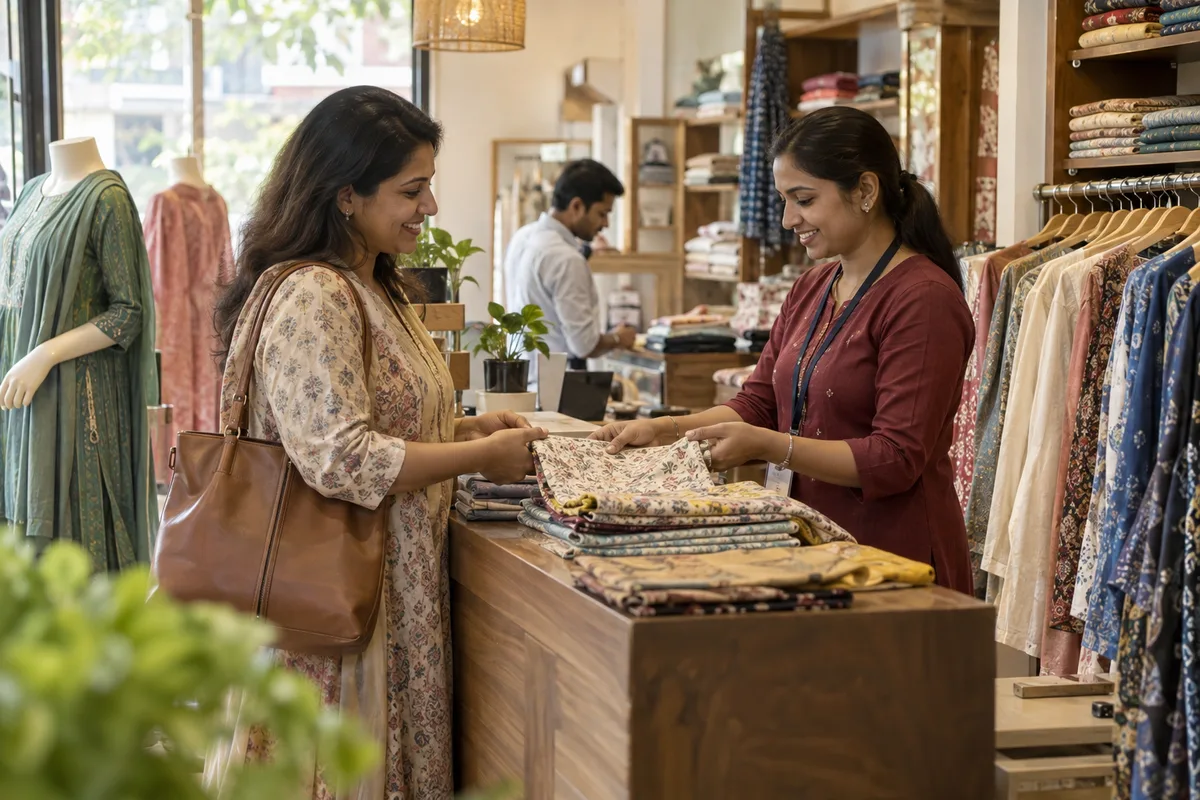
What social media means
Social media is the ongoing posting your business does on platforms such as Instagram, Facebook and LinkedIn to stay visible to customers and prospects between purchases. GullySales plans a posting calendar, writes captions and designs the images so the page looks active and answers what a visitor would ask.
Also for retailers
- Content marketing for retailers
- Product category page writing for retailers
- Promotional offer copywriting for retailers
- Media pitch writing for retailers
- Corporate announcement writing for retailers
- Online review response writing for retailers
- Data chart, dashboard and timeline graphic design for retailers
- Animated logo design for retailers
Sales and marketing for retailers, the overview.
Last updated 14 Nov 2026.
For retailers
Where it usually goes wrong, and what we would do.
“New stock is the post that brings people in”
Offer graphics get scrolled past. What arrived, at what price, in which sizes brings the people who follow you for that reason.
“A follower two cities away is worth nothing”
Reach is a vanity number for a shop. A hundred followers who live on the same road are the whole account.
“Every post is asked the price”
Answer in the comment with the figure and the sizes left rather than asking them to message. The next person reading wanted the same answer.
“WhatsApp status reaches the people who already bought”
Your customers saved your number at billing. A status of the new arrivals reaches them without an algorithm in between.
What we do
What we deliver for retailers.
The work available for this need. We agree the deliverables and responsibilities for your engagement in writing.
A new arrivals routine for posts and status
Stock photographed the day it is unpacked, posted with the price and sizes, and put on WhatsApp status the same evening.
Result: Regulars know before they walk past the window.
A reply rule for the price comment
The figure, the sizes left and an invitation to come in, answered in the comment instead of being moved to a private message.
Result: One answer serves everybody reading.
Local targeting on anything paid
Boosted posts held inside the few kilometres shoppers come from, aimed at people who can actually reach the shop this week.
Result: The spend stops buying followers who will never visit.
Content planned for the shop's season
Festival stock, sale dates, the school season and the wedding season planned a few weeks ahead with what to photograph.
Result: The account is busy in the weeks that earn.
Customers shown with permission
Photographs and short films of real shoppers and what they bought, asked for at the counter and recorded.
Result: The feed looks like a shop people actually use.
Messages and visits traced
Comments, messages, status views and what staff heard at the counter, set against the figures from before the routine started.
Result: You know whether posting moved footfall.
How the result is measured
- Posts published
- Engagement rate
- Enquiries from social profiles
Recorded as a baseline before work starts, so every later report has an honest comparison.
Platform for this buyer
Where nearby shoppers look, and what a shop should post.
- WhatsApp Status for shoppers who gave their number
- Post the day's new arrivals with a photograph and the sizes or colours in stock. Customers saved from billing come in when they see something they want.
- Instagram reels for apparel, decor and gifting
- Film a new saree, a pair of shoes or a lamp unboxed and shown in the shop, with your area named. The action is one: message to hold the item or visit.
- Status and broadcasts for kirana and grocery
- Post the fresh fruit that arrived, a festival hamper or the home delivery cut-off, with a photograph. Households order from what they see before the shop opens.
- Google Business Profile posts and photographs
- Post the shopfront, timings on festival days and new arrivals. A shopper searching for a shop nearby decides from the latest photographs and whether it is open.
- What not to post
- Do not post a price that differs from the counter, an item that is not in the shop or a customer's photograph without a yes. Delete a sold-out post, or edit it to say it is sold.
Who it is for
This is written for these retailers.
- Apparel and footwear stores
- Electronics and appliance retailers
- Grocery and kirana stores
- Home decor and furnishing stores
- Jewellery and gifting retailers
- Multi-brand outlet stores
Before you decide
When this may not be the right fit.
- Nobody can photograph new stock the day it arrives, and the account would show last month's range.
- You cannot reply to price comments in the store's open hours, and unanswered comments make the shop look closed.
- The shop has no stock that photographs well, so posts would be weak beside a marketplace listing.
Before you decide
Agree the work. Know how to judge it.
Social media marketing for retailers: use these checks to prepare, choose the scope, and review what changes.
Bring the right evidence
Review the posts that produced useful conversations, not only the ones with the most views. Gather buyer questions and decide which team member can contribute credible material.
Make the scope clear
Choose the audience and channel before setting a posting volume. Agree who supplies material, approves posts, and handles messages, including complaints or questions the agency cannot answer.
Check the work in use
Follow a post through to the profile, website, and response. A useful report explains the quality of conversations and enquiries, alongside reach and engagement.
Know when to change course
If publishing takes time away from unanswered buyer messages, fix the response routine first. Do not expand to another channel without a clear reason for being there.
These are discussion points, not a fixed package. GullySales confirms the deliverables, responsibilities, fee, and term in writing after reading your brief and speaking with you.
Before we start
What to have ready before the work starts.
The records, access and decisions this work needs from retailers. Anything missing is noted in the written scope, with who will supply it.
- Admin access to every shop account
- You need to be an admin on the page and the business account, not only a follower. Check that the email and phone linked to each account are the shop's. Without admin access we cannot schedule or reply, and the plan falls back to drafts you post by hand. Keep the recovery email and phone number current so access is not lost when a staff member leaves.
- A running list of new arrivals
- Someone in the store must be able to tell us what came in and what is leaving. A message in a group chat is enough. Without it, posts show old stock, and shoppers arrive for goods already sold.
- Staff who may appear in photographs
- Ask the team who is comfortable being shown, and note their agreement. Familiar faces build trust in a local shop. If nobody agrees, posts show products and hands only, which works but feels less personal.
- Your price-sharing rule
- Decide whether the shop will state prices in public, give them in direct messages, or ask people to visit. This one rule shapes every post. Undecided, staff answer differently and shoppers notice.
- A phone for taking pictures
- A phone with a working camera and enough storage, kept at the counter or with the manager, is what the routine runs on. If shared or personal phones are used, we plan around that. Without a device, the routine depends on photographs arriving late.
How it works
How the social media work runs
The work itself, in order. How an engagement starts, from your brief to a written scope, is set out on our method page.
- 1
Open the shop's accounts with the owner
We sit with you and go through the Instagram, Facebook and WhatsApp status pages the shop already has. You tell us who posts and why they stopped. We keep what has a following, retire what is dead and agree which single platform gets the greatest effort.
- 2
Walk the shelves for what is new
We walk the store with the manager to see what has just arrived and what is about to sell out, and pick what deserves a post. You tell us which new lines you want pushed and which you would rather not. The first posts come from the shelf itself. We also note which shelves photograph well in the shop's own light, so the posts do not depend on a studio.
- 3
Write the answer to the price comment
Shoppers write how much in the comments. We write the reply rule: when to give a price in public, when to move the person to a direct message, and what to say when stock is low. You approve the wording and the staff who may use it.
- 4
Plan the season and set permissions
We lay the festive weeks, school reopening and wedding months across a posting calendar, and you approve the topics. Customers appear in posts only with their written or message consent, and staff photographs need the staff member's agreement.
- 5
Approve drafts and set up local reach
You read the drafts for facts: names, sizes, offers. Paid posts are targeted to the road radius agreed with you, not the whole city. Nothing goes out that the shelf cannot back.
- 6
Trace messages and visits to the posts
We count direct messages, calls and the visitors who mention a post, against the figures recorded before posting began. You tell us what staff heard. The next calendar keeps the posts that brought people in. We do not promise reach or sales.
Proof
Published examples of our work.
Real clients and the work recorded for each engagement. These examples may cover related services or industries. They show the method, not a guaranteed result.
Bon Millette
- Situation
- A new food brand has to look trustworthy before anyone will try it, and Bon Millette had nothing online for a first-time buyer to weigh up.
- What we did
- A site that matches the food
- The story in a trust-building order
- Product sections with full disclosure
- A short path from reading to buying
- Result
- No numbers were recorded for this engagement. The work is described in full in the case study.
Also worked with
Chord Road Hospital · Curtain Label · Difesa Security Services · Felicity Inn · Hands On CSR · Implevista · Kambar Group · Kalessi · Kerur Pain Clinic · LL Trust · Lucky Deals · Natural Gases · NavaShakthi Souhardha · NewCom Logistics · Proton Technical Services · SB Engineering · Shakthi Foundation · Shakthi Group · Urbanest · Insyde Studio · Venkateshwara Laser Tech · Vivara Studios
Where this fits
Three pieces of sales work, in this order.
This work sits inside sales process design, at stage 0, foundation. The audit comes before it, and sales management keeps it running.
Step 1
Sales audit
Find where deals are being lost and what to fix first.
Start here if you cannot say where orders are lost.
Step 2 · you are here
Sales process design
One written way to sell, from first enquiry to repeat order.
Start here if every salesperson sells differently.
Step 3
Sales management
A target, a review routine and someone who owns the number.
Start here if the team has targets and no routine.
FAQ
Questions owners ask before they call.
Not here? More answers, or ask on WhatsApp.
Should we post every day?
Instagram or WhatsApp for a shop?
Who should run the shop's account when we are busy at the counter?
What should we do with a post about an item that has sold out?
Who replies to messages while we are busy at the counter?
Is it worth paying for a post?
How much does it cost?
How long is the contract?
How soon will we see results?
Who will actually do the work?
From the blog
Further reading for retailers.
 7 min read · 21 Sept 2026NRI jewellery advertisingAn NRI jewellery buyer is two customers: one flying in for a wedding, one paying from abroad for a mother who collects. Timing and payment differ.
 7 min read · 21 Sept 2026Local audience targeting strategyThree people are local to you: the one who lives near, the one who works near and the one searching near. The settings that reach each differ.
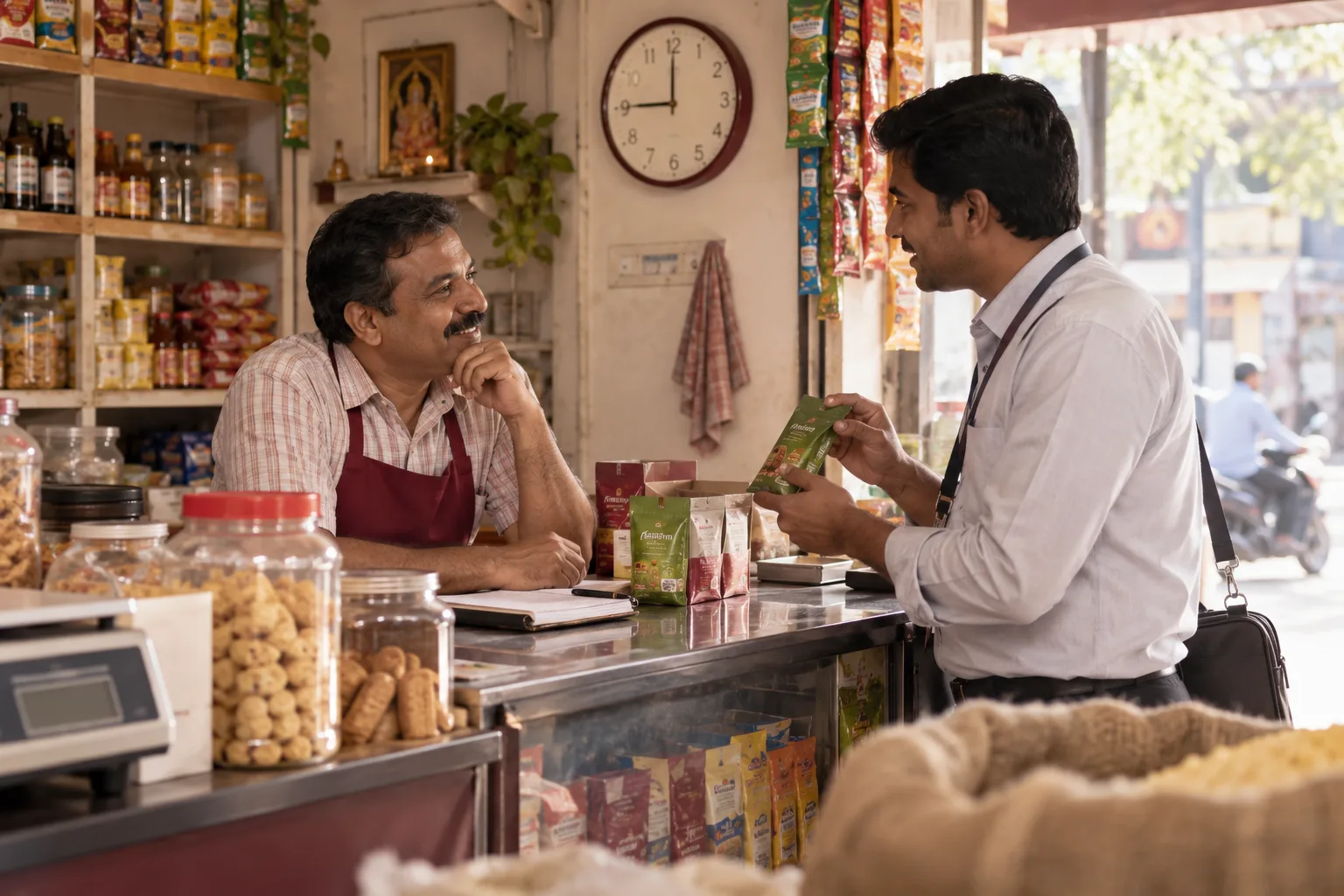 8 min read · 21 Sept 2026How to advertise to retail business ownersA shop owner cannot leave the counter from ten to nine. Reach them in the afternoon lull, through the distributor's salesman and on WhatsApp.
More for retailers
Related work to consider.
Closest to this: content and social
- Content marketing for retailers
- Product category page writing for retailers
- Promotional offer copywriting for retailers
- Media pitch writing for retailers
- Corporate announcement writing for retailers
- Online review response writing for retailers
- Data chart, dashboard and timeline graphic design for retailers
- Animated logo design for retailers
Also for retailers
Or start from the overview: sales and marketing for retailers.
Your next practical step
Tell us what you are trying to grow, and we will read it before we call.
Eight short steps, mostly taps. Skip anything you would rather answer on the call.