Spas · Customer adoption programmes
Get package holders onto the treatment table before the sessions expire.
A customer adoption programme for a spa is the planned follow-up that gets people who bought a session package, a membership or a gift voucher to actually book and use it. GullySales defines what real use looks like from your own booking records, drafts the messages for missed milestones, and sets up a view that shows the front desk who needs a nudge.
Scope, fee, reporting and term are agreed in writing after we have read your brief and spoken to you.
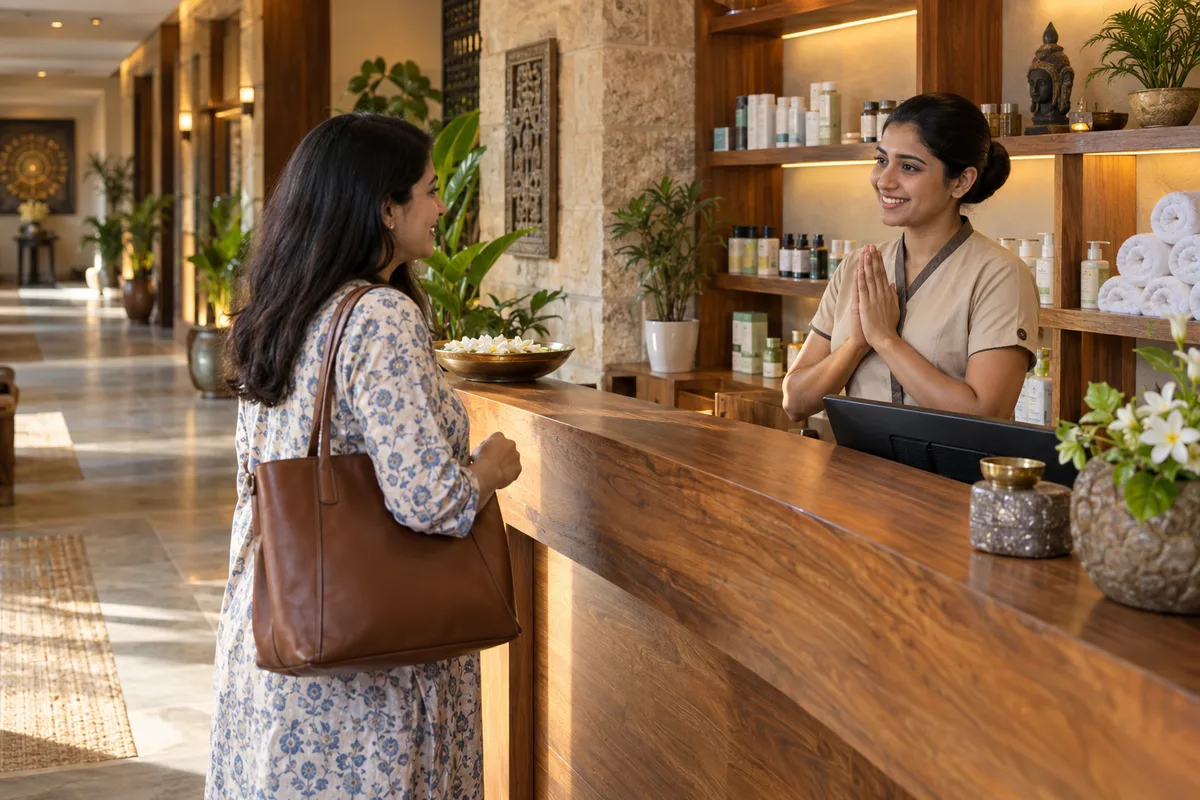
What customer adoption programmes means
Customer adoption programmes are planned prompts, guidance, and follow-up that keep customers using a product or service after onboarding. GullySales defines meaningful usage from your customer records, prepares messages for missed milestones, and sets up an activity view so your team knows who needs attention before the renewal conversation.
Last updated 14 Nov 2026.
For spas
Where it usually goes wrong, and what we would do.
“A sold package is not a used package”
A customer pays for a set of massages, enjoys the first one, and then the diary fills with other things. The remaining sessions sit unused until the expiry date, and the customer remembers the spa as the place where they wasted money. The sale is in your books, but the habit the package was meant to build never formed. The work targets the gap between the first session and the second.
“Login-style signals do not exist in a spa”
A software firm can see who opened the app. A spa has an appointment book, a package register and a front desk that remembers faces. What counts as real use is a booked slot that the customer attends, then the next slot booked before leaving. We write that standard down from your records, so the team stops treating a friendly message in a chat group as proof of engagement.
“Corporate and voucher customers hide behind the buyer”
When a company buys wellness sessions, the HR contact pays but the employees use the service, and low uptake reaches the buyer as a reason not to renew. A gift voucher has the same split: the purchaser is happy, and the recipient may never book. Adoption work reaches the person who holds the entitlement, using the contact route the buyer approves.
“Reminders that read like collection notices”
A message saying that sessions expire soon lands as pressure, and a customer who feels pressed stops answering. A useful nudge names the treatment the customer liked, offers real open slots on days they favour, and stops after an agreed number of tries. Tone, timing and the stopping point are written down so every receptionist follows the same practice.
What we do
What we deliver for spas.
The work available for this need. We agree the deliverables and responsibilities for your engagement in writing.
Package usage standard
A written definition of meaningful use for each kind of package, membership and voucher, built from your register and appointment book. It names the milestones that matter, such as the second booking made before the first visit ends, and the signals that are only noise.
Result: A manager can read each milestone and point to the record that proves it.
Milestone and nudge map
A map showing the expected steps after purchase, the missed step that triggers a follow-up, and what each follow-up says. Your team checks the gaps between steps against how your regular customers actually book before the map is approved.
Result: Every nudge on the map is tied to one missed step and one named record.
Customer guidance messages
Short messages and a printed card explaining how to book remaining sessions, how rescheduling works, what happens to unused sessions, and which treatments a package covers. Wording is in the languages your customers use and is checked against your terms.
Result: The terms in each message match the terms printed on the package.
Package activity sheet
A sheet or CRM view listing each package holder with sessions bought, sessions used, last visit date and expiry, with a flag where use has stalled. Each flag can be checked back to the appointment book entry that caused it.
Result: Any flagged name can be traced to the booking records behind the flag.
Front desk follow-up scripts
Call and message drafts for the receptionist: one for a customer who has not booked a second session, one for a package nearing its expiry, and one for a corporate employee who has not used the benefit. Each offers a practical next step and says when to stop.
Result: A receptionist can read the script aloud and the customer hears a clear offer.
Ownership and outcome record
A column or tab naming who owns each flagged customer, what was said, and what the customer replied. It replaces scattered chat threads with one record that a manager can read in a few minutes.
Result: You can see who followed up on each flag and what came of it.
How the result is measured
- Customers reaching the agreed usage milestone
- Share of customers meeting the usage benchmark
- Customers flagged and awaiting follow-up
Recorded as a baseline before work starts, so every later report has an honest comparison.
Who it is for
This is written for these spas.
- Day spas
- Ayurveda and wellness centres
- Salon-spa combo outlets
- Medi-spas and skin clinics with spa services
- Massage-only therapy centres
- Resort and hotel spas
- Corporate and mobile wellness services
Before you decide
Agree the work. Know how to judge it.
Customer adoption programmes for spas: use these checks to prepare, choose the scope, and review what changes.
Bring the right evidence
Map what the customer has been promised and what happens after the order. Gather the questions that repeatedly delay the start of delivery or use.
Make the scope clear
Agree the sales-to-delivery handover, customer responsibilities, and the point at which onboarding is complete. Name the owner of each unresolved dependency.
Check the work in use
Follow a recent customer from order confirmation to their first useful outcome. Check that they received the right instructions and know where to ask for help.
Know when to change course
If the sale includes a promise delivery cannot fulfil, correct the promise and handover. An automated welcome message will not resolve that gap.
These are discussion points, not a fixed package. GullySales confirms the deliverables, responsibilities, fee, and term in writing after reading your brief and speaking with you.
Before we start
What to have ready before the work starts.
The records, access and decisions this work needs from spas. Anything missing is noted in the written scope, with who will supply it.
- Package and membership register
- The list of who bought which package, when, for how many sessions, and when it expires. Without it, nothing can be flagged. If the register is on paper, a sample typed into a sheet is enough to begin and shows how complete your records really are.
- Appointment book or booking export
- The record of which sessions were attended, cancelled or missed. Use cannot be measured from sales alone, and a package sold but never booked looks identical to a healthy one unless the visits are recorded and matched to the buyer.
- Package terms as the front desk states them
- Expiry, rescheduling, transfer, sharing between family members and what happens to unused sessions. Customers repeat what they were told, so messages that contradict the front desk create arguments. Where terms are unclear, you decide them first.
- A named person for follow-up
- One receptionist or manager who will read the flags and make the calls. A sheet that nobody opens only records the lapse. We need the name, and a backup, before the first flag is raised.
- Approved contact routes and consent
- How customers agreed to be messaged, and which routes they accept: call, WhatsApp, or the corporate contact. Contacting someone who did not agree harms the relationship, so we use only the routes you can show are permitted and follow your own adviser on privacy rules.
How it works
How the customer adoption programmes work runs
The work itself, in order. How an engagement starts, from your brief to a written scope, is set out on our method page.
- 1
Agreeing which packages and members to cover
You send the requirements brief and we talk through the products worth watching: session packs, memberships, gift vouchers and any corporate arrangement. We write down which records exist, who holds them, and who at the spa will act on a flag. Scope, fee and term are put in writing before work begins.
- 2
Comparing past package holders from the register
We study customers who used their packages fully against those who let sessions lapse, using the register and appointment book. The baseline records how much use there is today. You approve the usage signals, and any gap caused by missing or hand-written records is named rather than hidden.
- 3
Approving wording and owners at the front desk
Your team reads the milestone map and the draft messages in the languages your customers use, and each follow-up gets a named owner. Anything touching refunds, expiry extensions or health must be checked by you or your adviser before use, because the receptionist cannot decide those on the spot.
- 4
Handing over the package activity sheet
We set up the sheet, fill it from past records, and test the flags against customers whose outcome you already know. If a flag would have raised an alarm for someone who was visiting regularly, we change the rule. Then we show the front desk how to read and update it.
- 5
Running the first follow-up round with the team
The receptionists send the agreed messages and make the agreed calls for flagged customers. We watch what customers reply and where the scripts sound wrong, and rewrite them. Nobody is nudged more than the agreed limit, and a customer who asks to be left alone is marked and left alone.
- 6
Reading use against the starting figures
We compare package use now with the baseline recorded at the start, and list the flags that led to a booking, the ones that did not, and the ones where the record was wrong. The review ends with a decision on which milestones to keep, which to drop, and who owns the sheet from here.
Where this fits
Three pieces of sales work, in this order.
This work sits inside sales process design, at stage 1, prospecting and lead generation. The audit comes before it, and sales management keeps it running.
Step 1
Sales audit
Find where deals are being lost and what to fix first.
Start here if you cannot say where orders are lost.
Step 2 · you are here
Sales process design
One written way to sell, from first enquiry to repeat order.
Start here if every salesperson sells differently.
Step 3
Sales management
A target, a review routine and someone who owns the number.
Start here if the team has targets and no routine.
FAQ
Questions owners ask before they call.
Not here? More answers, or ask on WhatsApp.
Can we begin without a CRM?
Will you contact our customers directly?
Is this the same as sending reminders?
What if customers simply do not want to come back?
Does it cover corporate wellness employees?
How do we begin, and what decides the fee?
How long is the contract?
How soon will we see results?
Who will actually do the work?
What do you need from us?
From the blog
Further reading for spas.
 6 min read · 19 Aug 2026How to sell spa membership packages that customers renewBuild spa membership packages around how often customers already visit, with a saving they can see. Offer them after a session; follow up before renewal.
 7 min read · 3 Jun 2025How to reactivate dormant customersDefine dormant against your own purchase interval, then call your highest-value lapsed customers to ask why they stopped before offering any discount.
More for spas
Related work to consider.
Closest to this: customers after the sale
Also for spas
Or start from the overview: sales and marketing for spas.
Your next practical step
Tell us what you are trying to grow, and we will read it before we call.
Eight short steps, mostly taps. Skip anything you would rather answer on the call.