Spas · Customer reactivation
Call back the guest who booked a massage once and was never seen again.
Spa customer reactivation is a focused effort to bring back past guests who stopped booking, using the treatment history and the reasons they gave for leaving to decide whom to approach. GullySales prepares the lapsed-guest list, writes the outreach for each group, and tracks replies through to rebooked appointments.
Scope, fee, reporting and term are agreed in writing after we have read your brief and spoken to you.
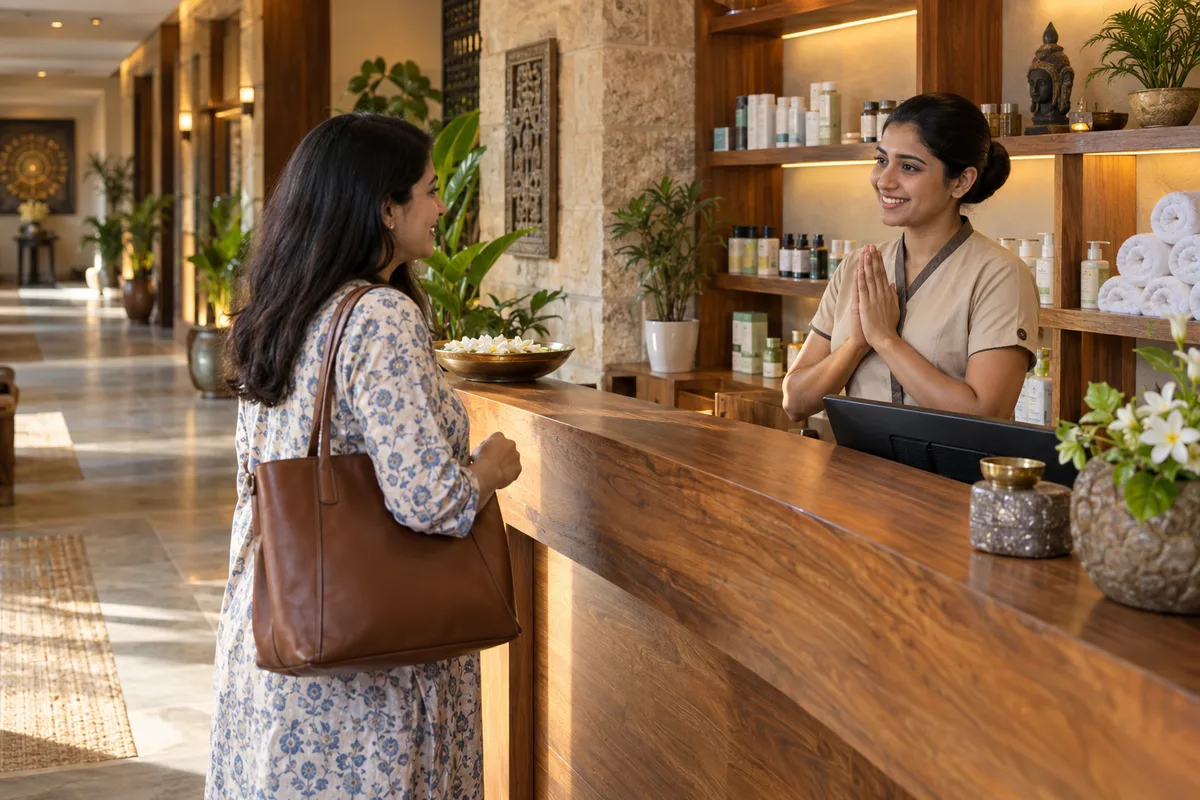
What customer reactivation means
Customer reactivation is a focused effort to bring back past customers whose purchases have stopped, using their buying history and reasons for leaving to decide whom to approach. GullySales prepares the dormant customer list, writes outreach for each group, and tracks replies through to sales conversations and completed orders.
Also for spas
- Customer retention for spas
- Referral marketing for spas
- Customer renewal, re-engagement and upsell message writing for spas
- Customer adoption programmes for spas
- Customer health scoring for spas
- Churn analysis and reduction for spas
- Customer loyalty programmes for spas
- Customer referral programmes for spas
Sales and marketing for spas, the overview.
Last updated 14 Nov 2026.
For spas
Where it usually goes wrong, and what we would do.
“Lapsed guests hide inside the booking diary”
A guest who came for a back massage a long time ago still sits in the appointment book, indistinguishable from the one who visited last week. Nobody sorts the diary by last visit, so the spa pays to find new customers while a list of people who already liked the place goes unused. The first job is reading the diary for gaps, not writing a message.
“The right gap depends on the treatment”
A guest who buys a facial may return after a season, while someone who books a hair spa or a body polish returns at another pace. A single cut-off for everyone either contacts people who are not late or ignores people who are. The cut-off has to be set treatment by treatment, from the spa's own booking history.
“A discount is the wrong answer to a service reason”
A guest who left because of a late therapist, a noisy room or a rescheduled slot gets nothing from a price cut. The reason has to be heard first. For some guests an honest apology and a named therapist matter more than money, and for a few the right decision is to leave them alone.
“The offer that fills the wrong slots”
A reactivation offer that works only at weekends sends returning guests to the slots that are already full. The spa's problem is the weekday afternoon. The offer, the message and the booking link should point to the hours when treatment rooms are empty, and the front desk must be able to honour it.
What we do
What we deliver for spas.
The work available for this need. We agree the deliverables and responsibilities for your engagement in writing.
Lapsed-guest register from the booking diary
A list drawn from appointment records showing last visit, treatments taken, therapist and branch. Guests who asked to stop messages, who had a complaint open or who bought only a one-off gift are marked and held back.
Result: You can see every past guest and the reason each one is in or out of the outreach.
Treatment-by-treatment cut-off
A written rule for when a guest counts as lapsed for each treatment type, with the reasoning shown from your own booking gaps. You approve each cut-off before any list is cut from it.
Result: Two guests with the same last visit can be shown to be lapsed or not, for stated reasons.
Reason-for-leaving notes
Notes from a small number of courteous calls or messages asking why a guest stopped, kept in the guest's own words. You read the replies before we decide which reasons the outreach should answer.
Result: The reasons behind the outreach are written down and can be read by the owner.
Messages and call prompts by group
Wording for the groups you agree, such as guests who left after a single visit, guests who left after a problem and guests who simply drifted. Each message gives one clear next step and names a real person.
Result: Each group receives wording that matches its situation, signed off by you.
Weekday offer approved against the diary
A written reason to return, set against the slow slots in your diary and your treatment margins. The front desk confirms in advance that it can honour every part of it, including how long it stands.
Result: The offer can be fulfilled in the diary and its cost has been checked.
Rebooking and handover sheet
A record linking each reply to a rebooked appointment, with the person who owns the next call. Rebookings are matched to the booking system, not counted from message clicks.
Result: A returning guest can be traced from the outreach to an appointment in the diary.
How the result is measured
- Eligible dormant accounts contacted and still unreached
- Replies and clicks, kept separate from qualified sales opportunities
- Qualified opportunities with a stated need and agreed next action
Recorded as a baseline before work starts, so every later report has an honest comparison.
Who it is for
This is written for these spas.
- Day spas
- Ayurveda and wellness centres
- Salon-spa combo outlets
- Medi-spas and skin clinics with spa services
- Massage-only therapy centres
- Resort and hotel spas
- Corporate and mobile wellness services
Before you decide
Agree the work. Know how to judge it.
Customer reactivation for spas: use these checks to prepare, choose the scope, and review what changes.
Bring the right evidence
Review repeat orders, inactive customers, and reasons for leaving. Separate a normal buying interval from a customer who stopped because of an unresolved problem.
Make the scope clear
Choose the customer group and the reason to contact them. Agree how complaints, renewal decisions, and additional offers are handled, including when a sales message is inappropriate.
Check the work in use
Track the response through to a retained or repeat order, with discounts and service costs visible. Record why the customer returned rather than crediting every repeat purchase to the campaign.
Know when to change course
If customers leave because delivery is unreliable, fix that before offering a loyalty reward. Repeated promotions can hide the cause without improving the experience.
These are discussion points, not a fixed package. GullySales confirms the deliverables, responsibilities, fee, and term in writing after reading your brief and speaking with you.
Before we start
What to have ready before the work starts.
The records, access and decisions this work needs from spas. Anything missing is noted in the written scope, with who will supply it.
- Booking diary export or access
- The diary is the only reliable record of who came, when, for what and with which therapist. Without it, the lapsed list is guessed from memory, and active guests may be messaged as if they had left.
- A list of stop requests
- Any guest who asked to stop messages, or who left unhappy, must be known before outreach. Missing this record means a message reaches someone who asked not to hear from the spa, and the damage lands on your reputation.
- Therapist rosters and branch changes
- We need to know which therapists have left, moved or changed shifts. A reactivation message that offers a former therapist's slot sends the guest back to a disappointment, which is a second reason to leave.
- The weekday slots you want to fill
- Name the hours and treatment rooms that stay empty. Without them the offer is aimed at slots that are already busy, and returning guests compete with regulars for the same appointments.
- A person to handle replies
- Choose one receptionist or manager to answer replies and rebook. A reply that waits for a day with nobody owning it costs the spa the guest it just recovered.
How it works
How the customer reactivation work runs
The work itself, in order. How an engagement starts, from your brief to a written scope, is set out on our method page.
- 1
Reading the diary for gaps
You give us access to the booking diary or an export of it. We sort past guests by last visit, treatment and therapist, and mark where the gaps are. This shows how big the lapsed group really is and which treatments lose the largest share of guests before we write anything, and whether the loss follows a particular therapist or branch.
- 2
Settling the lapsed cut-off
Together we decide what lapsed means for each treatment, allowing for the season and for guests who book rarely by nature. You approve the rule and the exclusions. A guest who is only slightly late is left for a later retention effort rather than treated as lost, and a guest who books once a season is judged against that season.
- 3
Asking why guests stopped
A small group of lapsed guests is asked, politely and by a person they remember, what changed. We read the replies with you and sort them into reasons the spa can answer, such as a therapist change, and reasons it cannot. The outreach is written only after this.
- 4
Signing off messages and the weekday offer
We write the message for each group and a single offer aimed at your slow weekday hours. You approve the wording, the channel and the conditions. The front desk confirms in the diary that it can honour the offer before any guest is contacted.
- 5
Contacting the first group
Outreach starts with the group whose reason is easiest to answer, through the channel the guest used before. A named person at the spa handles each reply. We check that replies reach that person rather than a shared inbox where a rebooking request would sit unanswered.
- 6
Comparing rebookings with the baseline
Against the booking figures recorded before the work began, we match replies to appointments actually completed. You decide whether to contact the next group, change the offer or stop. A guest who returns after contact is not counted as won unless the diary shows the booking.
Where this fits
Three pieces of sales work, in this order.
This work sits inside sales process design, at stage 1, prospecting and lead generation. The audit comes before it, and sales management keeps it running.
Step 1
Sales audit
Find where deals are being lost and what to fix first.
Start here if you cannot say where orders are lost.
Step 2 · you are here
Sales process design
One written way to sell, from first enquiry to repeat order.
Start here if every salesperson sells differently.
Step 3
Sales management
A target, a review routine and someone who owns the number.
Start here if the team has targets and no routine.
FAQ
Questions owners ask before they call.
Not here? More answers, or ask on WhatsApp.
How long since the last visit counts as lapsed?
Should we offer a discount to lapsed guests?
Can we use our old WhatsApp contacts?
Does this work for hotel and resort spas?
Can we do this for a medi-spa with skin treatments?
How will we know it worked?
How much does it cost?
How long is the contract?
Who will actually do the work?
What do you need from us?
From the blog
Further reading for spas.
 7 min read · 3 Jun 2025How to reactivate dormant customersDefine dormant against your own purchase interval, then call your highest-value lapsed customers to ask why they stopped before offering any discount.
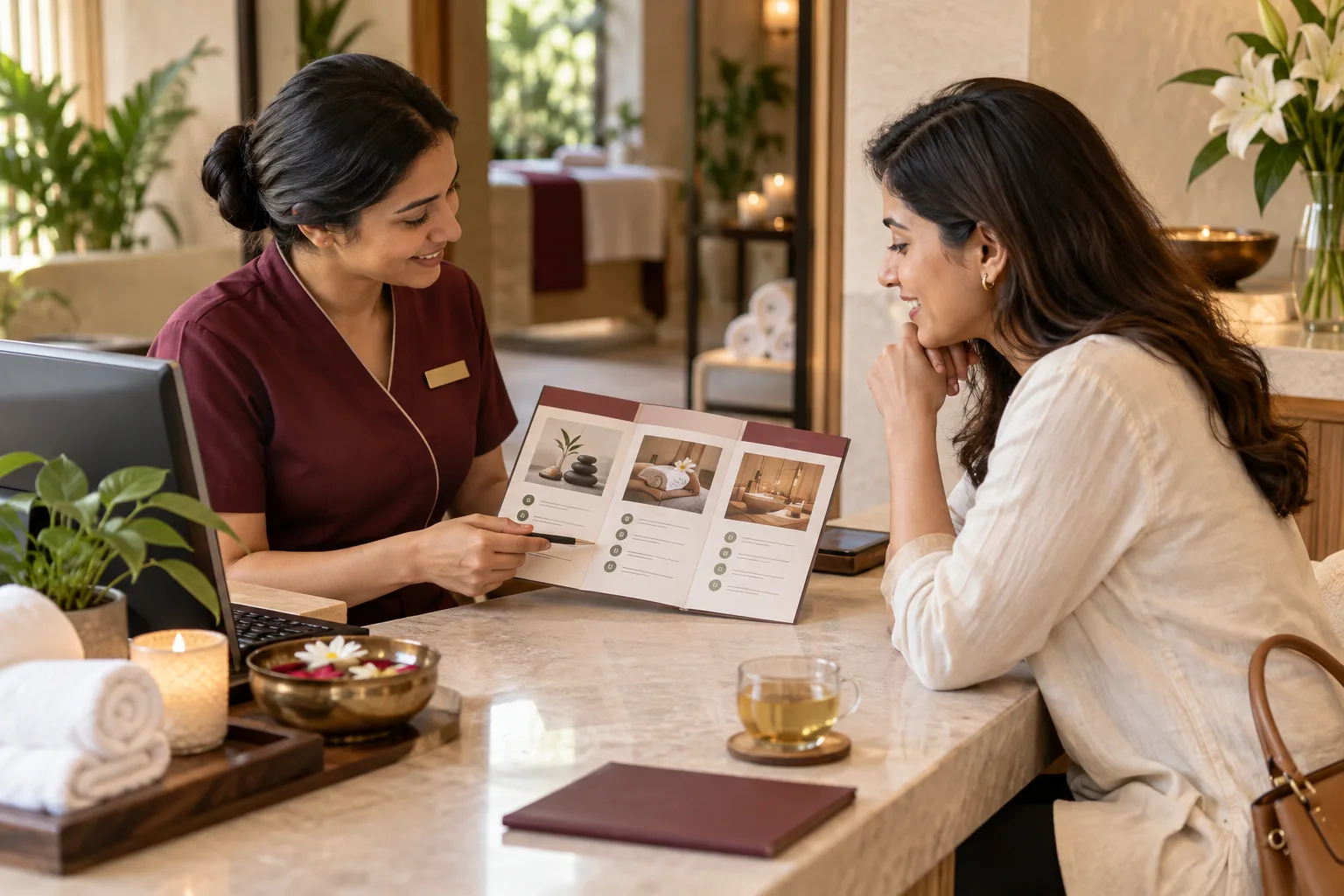 6 min read · 19 Aug 2026How to sell spa membership packages that customers renewBuild spa membership packages around how often customers already visit, with a saving they can see. Offer them after a session; follow up before renewal.
More for spas
Related work to consider.
Closest to this: customers after the sale
- Customer retention for spas
- Referral marketing for spas
- Customer renewal, re-engagement and upsell message writing for spas
- Customer adoption programmes for spas
- Customer health scoring for spas
- Churn analysis and reduction for spas
- Customer loyalty programmes for spas
- Customer referral programmes for spas
Also for spas
Or start from the overview: sales and marketing for spas.
Your next practical step
Tell us what you are trying to grow, and we will read it before we call.
Eight short steps, mostly taps. Skip anything you would rather answer on the call.